North Carolina educates the most HBCU students in the nation. Get to know the schools.
READ MORE
Historic boost for HBCU schools
North Carolina lawmakers’ latest budget allocates hundreds of millions of dollars for the state’s five public historically Black colleges and universities. Those are historic levels of funding, administrators say, but the money is just the first step toward keeping HBCUs afloat and equitable as they generate some of the state’s most notable alumni. What else can HBCUs do to provide opportunities for students?
Expand All
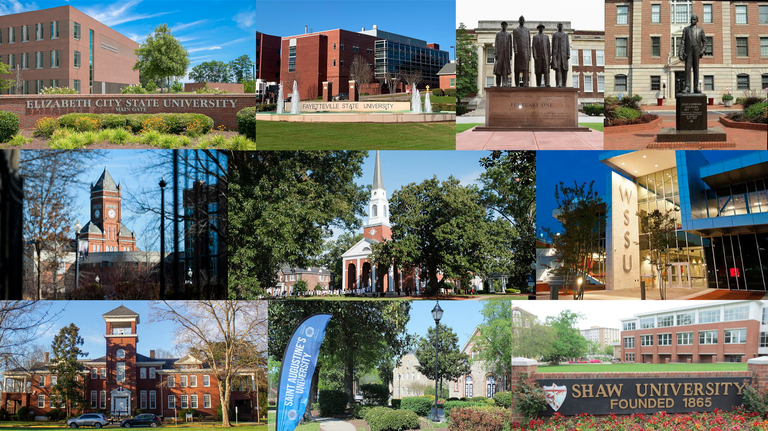
With 10 accredited historically Black colleges and universities, North Carolina educates more HBCU students than any other state.
The state is home to the largest HBCU in the country with North Carolina A&T State University, the oldest one in the South with Shaw University and some of the highest-ranked in terms of academic programs and student outcomes.
Five universities in the UNC System are public HBCUs. North Carolina’s other five HBCUs are private schools, most of which are religious-affiliated.
Here are some facts to know about each one.
This story was originally published March 9, 2022 at 6:00 AM with the headline "North Carolina educates the most HBCU students in the nation. Get to know the schools.."