School doesn’t have to stop: Here are ways to keep your kid learning in Charlotte
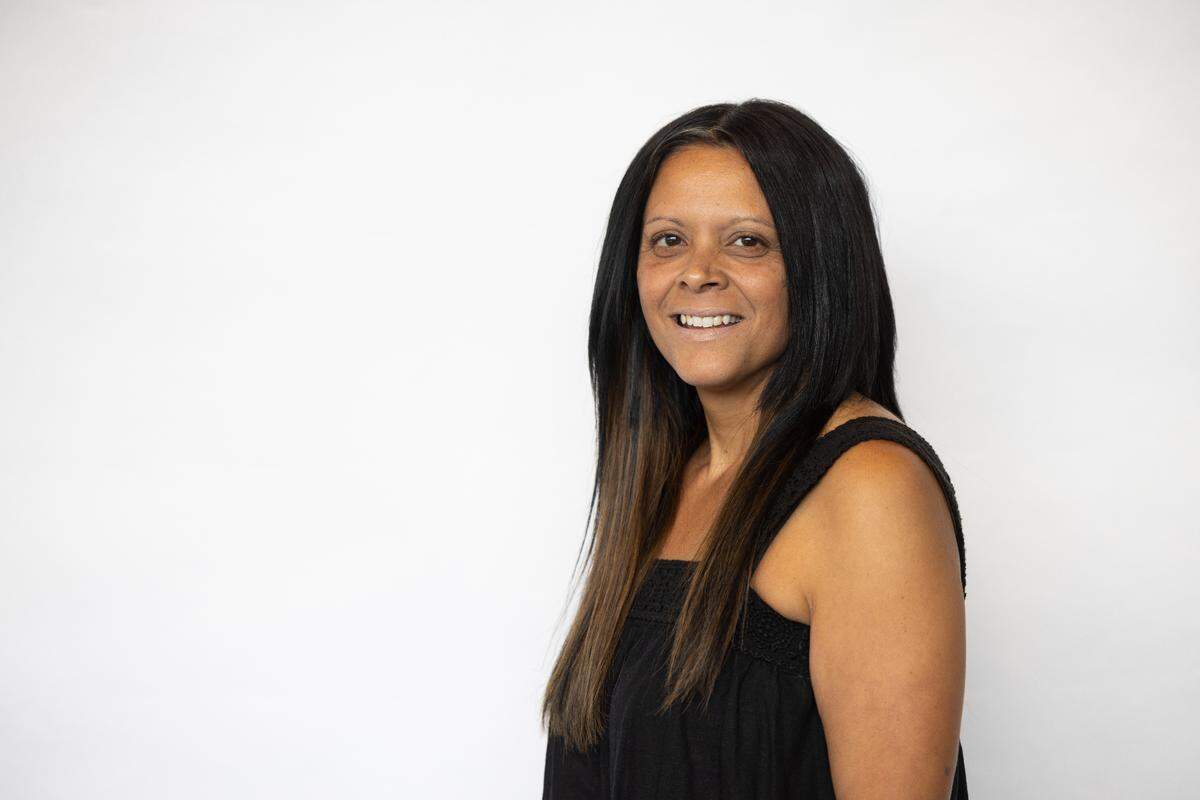
Sara Smith is in her third year as a tutor in Charlotte-Mecklenburg Schools and has some suggestions on how parents can help their children combat summer learning loss.
The former middle school teacher works primarily with elementary school students in reading, and most of the students she works with lack a strong foundation in phonics.
“(It) makes it difficult for them to comprehend an on-grade level text,” Smith said. “When I monitor these students, I look for increases in their phonemic awareness and reading fluency.”
Statewide data show reading losses of between two and seven months. Math students are more than a year behind.
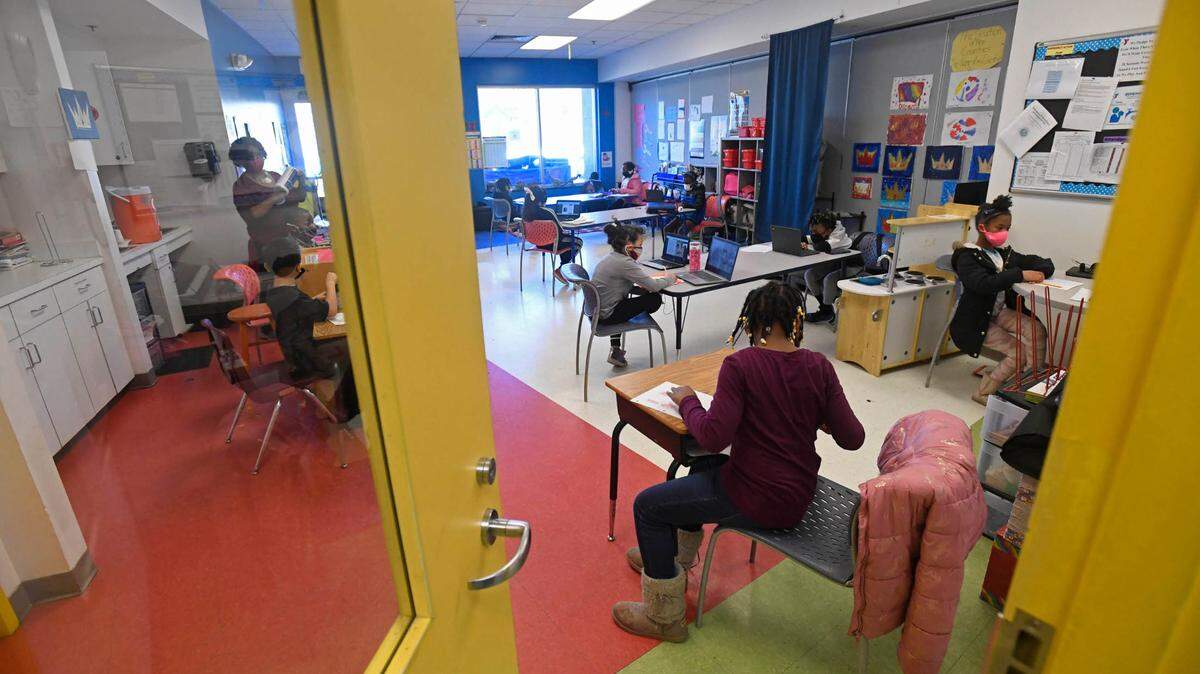
CMS is providing hundreds of students and families tutoring help over the summer and spots in summer programs to help make up for learning losses, defined as knowledge and skill setbacks student lose when they’re not in school. If parents can’t utilize the district’s resources, there are other ways parents can help their children this summer.
Read, read, read
Smith says it may seem like a small thing, but reading to your child or having them read to you is important. She suggests taking your children to the library and letting them pick whatever seems interesting.
“We want our students to be immersed in language,” Smith said. “This will not only help with reading fluency, but also with strengthening the background knowledge they can pull from when they start reading more complex texts.”
Drew Polly, a reading and elementary education professor at UNC Charlotte, agreed.
“The public library has free access to books, magazines, and various programs,” he said, adding that libraries have free access to audio books.
The Charlotte-Mecklenburg Library offers Summer Break, its annual summer learning program that encourages children to read, learn and explore, according to its website. The program began Wednesday and runs through Aug. 13. Sign-up is ongoing.
Summer Break encourages participants to read 20 minutes per day and engage in additional learning activities such as writing, creating, playing, exploring and giving. Participants track their activities online and collect virtual badges and incentives.
Other opportunities
Polly listed other ways parents can help their children combat learning loss:
▪ Go outdoors. The Mecklenburg County Park and Recreation Department offers various free camps related to science and outdoor education. Call (980) 314-1000. The Carolina Raptor Center in Huntersville, which is located inside Latta Nature Preserve and features more than 20 species of birds, is an example of an educational adventure for children. Call (704) 875-6521.
▪ Take advantage of Charlotte YMCA branches and other local organizations who may be offering summer day camps that have academic components, Polly said. Camps run the gamut from athletics to arts to zip-lines and Zumba dancing, according to its website. Call (704) 716-6200.
▪ Use technology. Polly said the nonprofit Khan Academy offers free online lessons and interactive activities. Visit khanacademy.org.
“School districts often pay for software programs (Dreambox, iREADY, RazKids),” Polly said. “Some timed access continues until August. Ask your child’s teacher.”
▪ Check out Charlotte on the Cheap. The email digest, Polly says, has free and inexpensive ideas and activities for children. For example, the website has a drop down with the “top free things for kids to do in Charlotte.”
Smith also suggests reaching out to your child’s teacher for suggestions about apps or activities that would address a specific need.
“Most teachers are more than happy to provide this help,” she said.
Polly added, “Summer time should be a time for children to spend time with family and continue to do activities that they enjoy. Charlotte has a lot of activities to offer.”
Interested in helping?
Cassie Fambro, a media relations specialist with CMS, says those who would like to volunteer to tutor or be a mentor for students can visit the district’s website. Go to the community tab, drop down to Volunteers and click.
The district’s tutoring partners are:
▪ Augustine Literacy Project, a multi-sensory approach to reading instruction, according to CMS. Visit apcharlotte.org.
▪ Helps Education Fund, research-supported programs and services that focus on educational equity and serve students who receive free or reduced lunch and/or are performing below adequate reading levels, according to CMS. Visit helpseducationfund.org.
▪ Heart Math Tutoring connects volunteers with students who are behind in elementary math, according to CMS. Visit hearttutoring.org.
The district’s mentoring partner is Big Brothers Big Sisters. The organization recruits, screens and matches mentors with students, according to CMS. It offers site-based programs at Reid Park Academy and Cornelius Elementary. Visit bbbscentralcarolinas.org.
This story was originally published June 6, 2022 at 7:02 AM.