Interim CMS superintendent identifies biggest challenge facing district
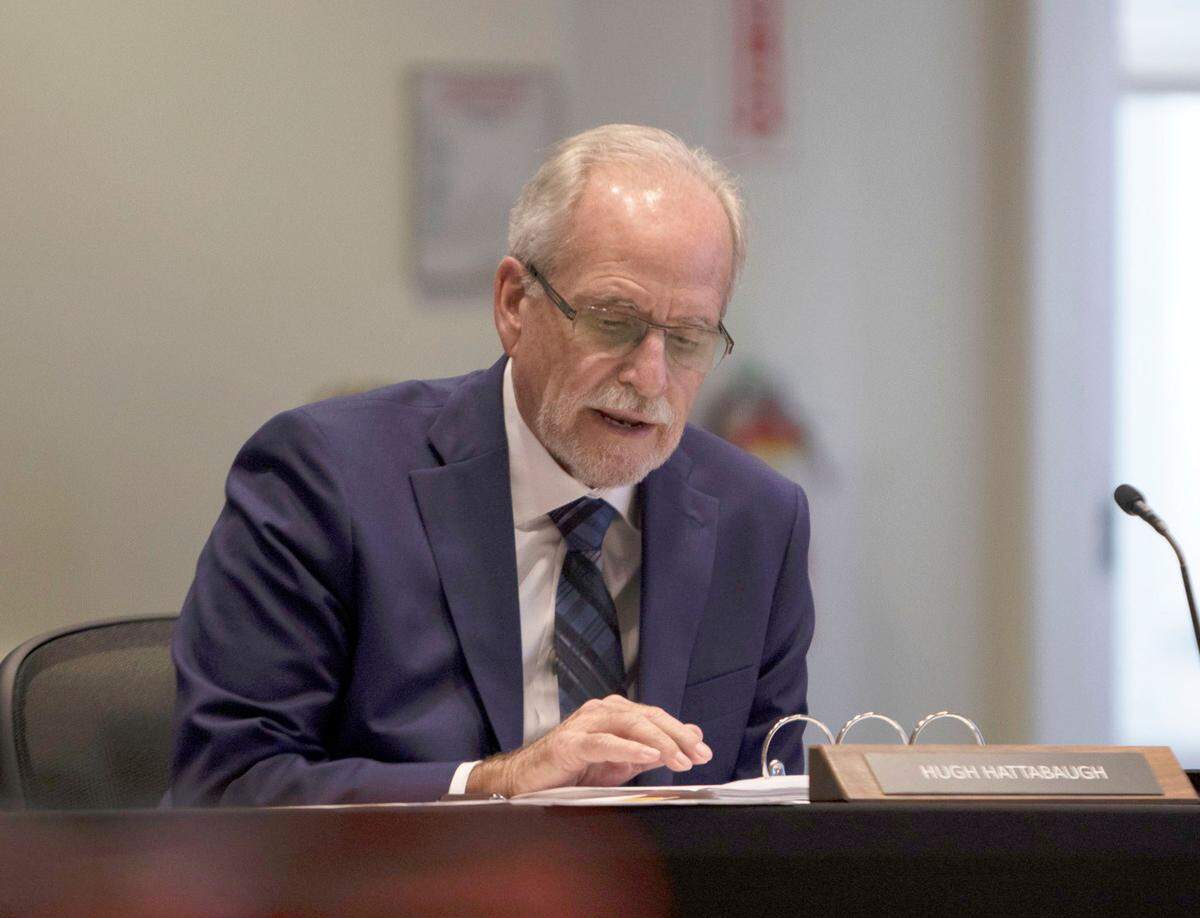
Hugh Hattabaugh was enjoying retirement.
Until he got a call from Charlotte-Mecklenburg Schools in the spring, it had been nearly a decade since Hattabaugh left education and ended a career that spanned 34 years, including stints in CMS in 2007 as area superintendent of the North Learning Community and chief operating officer from 2008-2011.
The 71-year-old, who grew up in Indiana and calls himself a Hoosier, lived in Florida with his wife, Kay. He tinkered in the garden and went to ball games.
But the CMS school board fired Superintendent Earnest Winston in April, with board chair Elyse Dashew saying: “What this district needs is a different leader with a different skill set.” The board unanimously voted to hire Hattabaugh as interim superintendent the same day. Board members signed him to a $265,000 contract that runs through June 30, 2023.
Last week, in an exclusive interview with The Charlotte Observer, Hattabaugh talked about the biggest challenges he and the district face, the decision to come out of retirement and other topics.
Interim superintendent on community relations
Hattabaugh says he quickly remembered the “huge support we had from the community” when asked to come back to Charlotte.
“It’s very unique. People are still engaged in what goes on in Charlotte-Mecklenburg Schools. We still have corporate support, which is ongoing and (we) will be leveraging that as we move forward as a district.”
As part of that corporate support, Charlotte CEOs and the school district in June announced several executives would work full-time in CMS for 12 to 18 months, a commitment of 1,000 volunteer tutors and a tutoring workshop.
After facing criticism and an allegation that he slammed papers down on a table before storming out of a meeting with local Black leaders in June, Hattabaugh last week said: “Everything is being worked out.”
Hattabaugh previously said the tone was confrontational from the start and that it became clear “the meeting was not going to lead to collaborative solutions for the students we serve.” Rev. Jordan Boyd, who attended the meeting, challenged Hattabaugh’s claim during a school board meeting’s public comment period, saying the interim superintendent walked out after being asked what can be done for students and families struggling academically.
Hattabaugh didn’t elaborate in an interview with the Observer about how he’s handling any continuing fallout from the meeting.
Challenges facing Charlotte-Mecklenburg Schools
Hattabaugh said things have changed dramatically since he left CMS.
“It was quite different because when I was here last time it was during a major recession,” he said. “This time, we’re going into a situation where staff have been impacted by the situation with the pandemic and people retiring and not being able to retain certain staff due to the challenges.”
He says the biggest challenge facing the district is third-grade reading. Less than 15% of all third graders — and less than 10% of those who are Black or Hispanic — were expected to meet growth expectations in year-end scores.
“Everybody understands it’s going to be all hands on deck,” he said. “We’re fortunate that we have a lot of tutoring programs, partners that are skilled at being excellent tutors. The focus on reading … is going to come down to our third-grade teachers in the classroom.”
Educators fighting pandemic learning loss
Hattabaugh said teachers are dealing with students who lost multiple semesters of foundational reading skills, vocabulary, phonics and comprehension because of the pandemic and remote learning.
He said teacher assistants are key to improving reading scores and figuring out what students need, including group or individualized instruction and interventions.
“We have got to be able to leverage every teacher assistant,” he said. “I’m also having discussions on how we can use volunteers that have the skill set (and) they understand what the expectations are when they volunteer to provide reading assistance. We had to get everyone focused on the data and what we need to do to drive forward.”
.jpg "Imee Idjao (12).jpg")
He named Algebra 1 as a specific challenge along with ensuring equity.
“(We must ensure) the children of greatest need are getting the support they need and interventions they need,” Hattabaugh said. “We’re putting that into play. I am willing to work in collaboration with people if they understand that we’re all here for the same thing and that is to positively impact students.”
Recruiting and retaining the best teachers possible is front-of-mind for Hattabaugh as the beginning of the 2022-23 school year looms.
“There are (about) 2,000 new, beginning teachers and people coming in,” he said. “All that’s asked of teachers today, I’ll be honest with you, I don’t know if I could go into a classroom and do everything they do and still multi-task and do everything. It’s amazing to me that the teachers have to be able to do all that they do.”
Guns and weapons in schools
During last week’s exclusive interview with the Observer, Hattabaugh announced the district will install body scanning equipment in its 48 middle schools. The equipment is already in its 21 traditional high schools.
Hattabaugh cited a May report from The New England Journal of Medicine that found firearm-related injuries are now the leading cause of death in teenagers, over car accidents, drug overdose and cancer.
“We know that in the community not all parents lock up their weapons the way they should,” Hattabaugh said. “They’re too accessible. I know there’s a discussion with our board members with other leadership, mayors, chiefs of police throughout Mecklenburg County to really push the need for people with firearms in their homes to make sure they’re secure, locked up the way they’re supposed to be so they don’t get in the hands of children.”
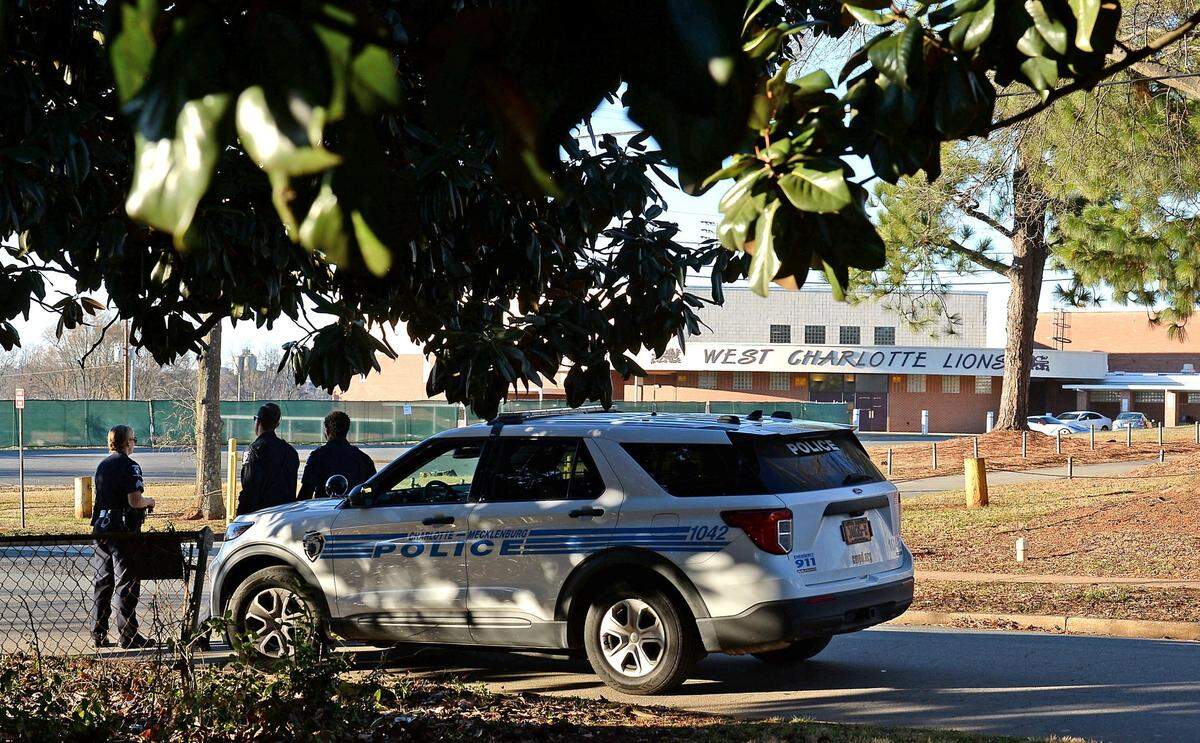
In response to an Observer records request, the Charlotte-Mecklenburg Police Department reported 236 teens listed as victims of firearm-related violent crime from April 1 to June 30. There have been 106 teens listed as suspects of firearm-related violent crime since April 1.
Hattabaugh said body scanners have proven to be a deterrent in schools.
“We need to put things in proper perspective when you’re looking at making sure our schools are safe for our students and staff,” he said. “Look at all the venues that we go to now, and compare that if you go to Carowinds you have to go through a scanner, you have to unload everything and then you have a great day. Well, we hope to have the same thing going on in all of our schools. We want (the kids) to go into the buildings knowing that they’re going to have a great day and a positive opportunity to learn and socialize and (be safe).”
Hattabaugh has one ask of parents.
“My great concern is what happens when the community (is coming) into our schools,” he said. “How we deal with that is always a challenge. The big ask is parents, know where your kids are, make sure you secure your weapons as they should be secured and let’s alleviate a potential serious loss of life.”
Coming out of retirement
During his time away from work, Hattabaugh says he had the chance to relax and enjoy himself, his wife, children and grandchildren. And there was one person he needed support from before agreeing to serve as the district’s interim superintendent.
“All in all it was important that my wife was OK with it,” he said. “I may have nine board members that I have to respond to, but I have a wife of 51 years that I have to respond to and get approval from.”
Hattabaugh still has responsibilities with taking care of his father, who is 98 and a World War II vet.
“He still has his faculties about him so to be honest with you, I looked at my wife and I said at my age now that means if I follow my dad’s (footsteps) I can’t visualize 27 years where I’ll just be casually riding my road bike and dealing with gardening and work around the yard, that type of thing, and going to ballgames,” he said. “So when I was given the opportunity, I felt like I had a little gas left in the tank.”
This story was originally published July 11, 2022 at 1:16 PM.