Charlotte HBCU president says UNC system’s DEI policy repeal is ‘disservice’ to students
When the University of North Carolina System repealed its diversity, equity and inclusion policy in May, Valerie Kinloch was disappointed — but not surprised.
At Johnson C. Smith University, where Kinloch is entering her second year as president, she says equity, diversity and inclusion have been “part of the fabric” from the beginning. While the school was founded for Black Americans, students of any race and ethnicity are welcome to attend.
“Universities in this state and around the country have banned diversity, equity and inclusion without understanding fundamentally that diversity, equity and inclusion should be seen as cornerstones to everything we do,” she told The Charlotte Observer. “I think it’s a disservice.”
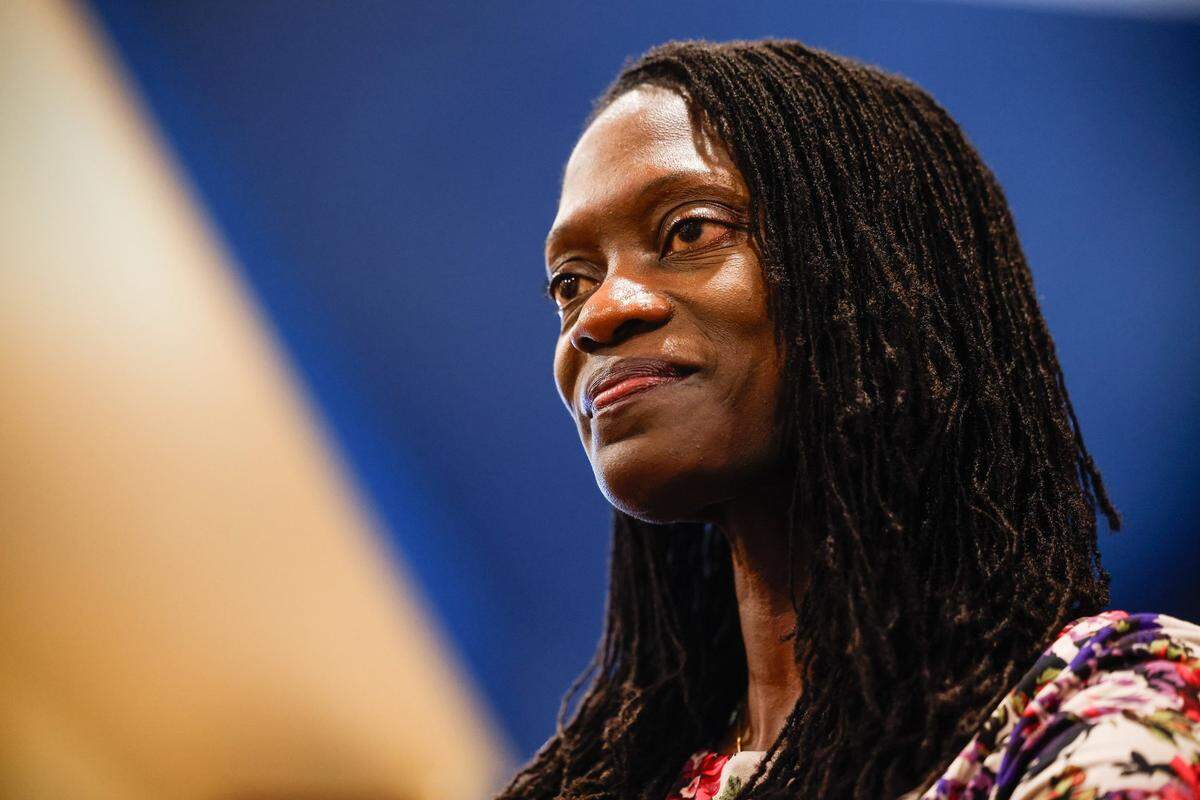
Launched in 1867, JCSU is a private school and not part of the UNC system. It is among the country’s 100 historically Black colleges and universities. While its policies are not affected by the decision. Kinloch says the decision is misguided.
“I’m disheartened that many universities are erasing, banning or disarming any kind of critical perspective when it comes to diversity equity and inclusion,” she said. “Diversity is not about just Black people ... Diversity is about understanding that we form a collective of critical, conscious individuals who pursue equity and justice because we have racial, ethnic, linguistic and gender differences.”
The policy that was repealed at UNC system schools required the employment of a diversity and inclusion officer at each of the system’s 17 schools and the creation of a UNC system diversity and inclusion council, among other provisions.
Attacks on diversity, equity and inclusion initiatives, often referred to simply as “DEI,” began picking up steam in early 2023. That’s when conservative politicians from states, such as Texas and Florida, targeted at policies intended to attract and retain candidates of color at universities, corporations and government agencies. Since then, 85 anti-DEI bills geared toward programs at colleges have been introduced in 28 states, according to the Chronicle of Higher Education.
While proponents of DEI programs at universities say they’re a strategy to repair decades of exclusionary practices and policies, opponents say such practices are discriminatory toward white Americans and violate freedom of speech.
All but two of the 24 voting members of the UNC system board of governors voted to repeal the school’s DEI policy originally established in 2019. UNC System President Peter Hans emphasized the system’s duty to remain neutral on political matters.
“We have well-established laws and policies that prohibit discrimination, protect equal opportunity, and require a safe and supportive learning environment for all students,” Hans said in a written statement last May. “We will continue to uphold those responsibilities.”
Kinloch believes it’s a step in the wrong direction.
“It just baffles me, but I’m not surprised,” she said. “When we talk about equity, we talk about a redistribution of resources to the people and communities who need those resources the most, and at times, when you have people in positions of power who don’t want to share resources, then it becomes an outright attack on diversity, equity and inclusion.”
This story was originally published August 1, 2024 at 6:00 AM.