How could NC schools be affected by Donald Trump’s plans for public education?

President-elect Donald Trump has promised to eliminate the U.S. Department of Education, and some North Carolinians worry that could mean a steep decrease in funding for the North Carolina’s public schools.
North Carolina public schools got more than $1.10 billion from the federal government last school year alone. That’s not counting the additional $6.3 billion in federal COVID relief funds the N.C. Department of Public Instruction received.
Around 59% of federal money for NC schools goes toward programs for low-income students and students with disabilities. An additional 28% is for child nutrition — though those funds are administered by the U.S. Department of Agriculture, not the Department of Education Trump says he plans to shutter.
Emily South is a CMS parent whose three kids have learning disabilities. She worries if federal funding cuts would impact Exceptional Children programming in North Carolina, which specifically supports students with disabilities.
“When you look at where our funding comes from and how much of our funding that we get federally goes to EC teacher positions, classroom assistants and helping those kids, that’s where a lot of my concerns lie,” South said. “I especially worry for kids whose families don’t have the resources that we have or whose schools are less well-funded and how this could affect more at-risk kids.”
Donald Trump’s education plan details
Days after winning the election in November, Trump announced he wanted to make good on his campaign promise to dissolve the federal Department of Education “very early” in his administration.
“We’re sending all education and education work and needs back to the states because they’ll do a much better job of it,” he said in a video on his campaign website. “You can’t do worse… We’re going to send it all back to the states.”
Trump also said he would support prayer in public schools and school choice, including voucher programs, for every family.
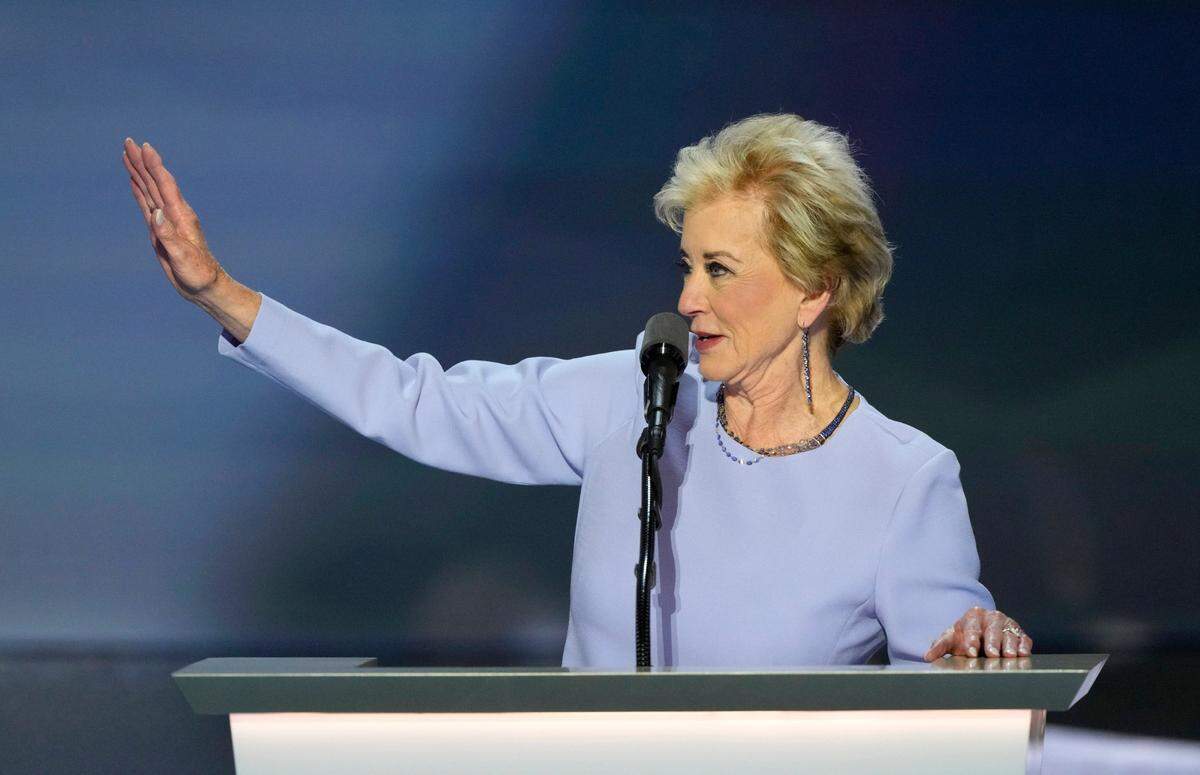
He picked Linda McMahon for education secretary. She’s a major Republican donor and a former pro-wrestling executive who served as the administrator of the Small Business Administration during Trump’s first term.
Republicans have perennially targeted the education department for elimination since its formation during the Carter administration in 1979, seeing it as a prime example of inflated federal bureaucracy.
Prior to the department’s creation, enforcement of all federal education laws fell under what is now the Department of Health and Human Services.
The education department largely handles additional funding for K-12 education, overseeing student loans and enforcing civil rights protections. It also collects data on issues such as student discipline, school safety and student performance. It does not dictate curriculum.
Dismantling the education department would require an act of Congress, and a bill to do so has already been filed. But the department’s programs, such as administering student loans and funding streams to public schools, would still exist under federal law and have to be overseen by other agencies. However, the Trump administration could still ask Congress to do away with them or reduce their funding completely.
Critics of the plan also worry about the loss of the department’s ability to investigate discrimination complaints and enforce federal civil rights protections in schools.
“People who protect civil rights at the Department of Education are the staff that would go away,” Kris Nordstrom, senior policy analyst at the North Carolina Justice Center, told The Charlotte Observer. “When people talk about the ‘strings attached’ to federal funding, that’s what they’re talking about: protections for students of color, female students and students with disabilities.”
What funding does NC get?
Title 1 has been in place since 1965 and is the largest federal grant program for schools in the U.S., totaling $18.4 billion.
Title 1 funds are reserved for schools with a large population of students living at, near or below the poverty line. It goes toward staffing, academic support, behavioral interventions and services for homeless students, among other things.
In the 2023-2024 school year, North Carolina public schools received $528 million from Title 1.
The majority of Charlotte-Mecklenburg Schools – 105 out of 186 campuses – are Title 1 schools this year. CMS got over $78 million in federal funding for Title 1 programs during the 2023-24 school year.
Project 2025, which Trump disavowed despite appointing some of its creators to roles in his incoming administration, outlines goals during a second Trump administration, including eliminating Title 1 funding and replacing it with no-strings-attached grants.
North Carolina schools also got over $380 million, and CMS got more than $54 million, from the federal government for special needs programs last school year through the Individuals with Disabilities Education Act. IDEA funding accounted for 24% of the federal money NCDPI got last school year.
In total, federal dollars account for 9% of CMS’ operating budget in the current 2024-25 school year.
What could things look like locally?
CMS leaders say their approach to using taxpayer funds will remain the same, whether federal funding decreases or not.
“Every year, we have to look at the budget and make sure we’re maximizing the federal dollars and state dollars we get to create better outcomes for students,” said Nadja Trez, CMS interim executive director of federal programs. “So, we’re trusting in the process, and every year, trying to make the best decisions we can with what we have.”
It’s not clear how changing funding to a grant-based model, as Project 2025 proposes, might specifically affect CMS. But the National Education Association in October said the plan broadly would strain already tight education budgets.
Drawing on comments from 2024 Republican nominee for governor, Mark Robinson, the North Carolina Justice Center compiled a report in September estimating how the total elimination of federal funding might play out on a district level. It would mean $1,012 less per student in CMS and fewer teacher and support staff positions, according to the report.
On federal funding, CMS kept its comments straight to the point: it will develop a plan for whatever funding it receives and submit that to the state for final approval.
“Every year, we have to submit a plan for how we will use this money based on the guidance that the state and federal government provides us,” Trez said.
The state legislature overrode Gov. Cooper’s veto of House Bill 10 last week, adding an additional $463 million to the state’s school voucher program without a raise for public school teachers to match inflation. South said it made her worry about federal funding for public education. She’s not sure the state legislature would choose to increase funding for public schools if federal dollars changed.
“I just don’t know what things are going to look like in the future,” South said.
This story was originally published December 2, 2024 at 6:00 AM.