Cleveland County Schools settles lawsuit with ACLU over LGBTQ trivia game
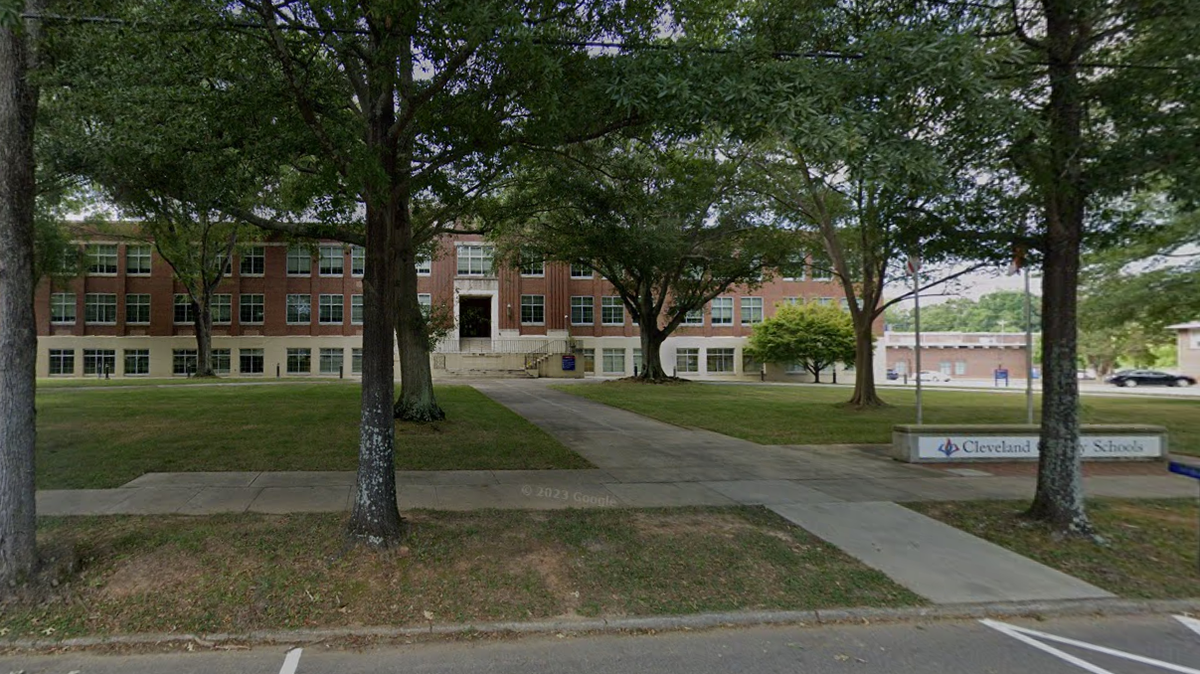
The Cleveland County Schools Board of Education reached a settlement in a lawsuit alleging it violated students’ First Amendment rights, the American Civil Liberties Union of North Carolina announced Monday.
The ACLU of NC originally filed the lawsuit in February in the United States District Court for the Western District of North Carolina, alleging the school district prohibited a student club at Shelby High School from playing a trivia game about important LGBTQ figures in history.
At the time, district officials were concerned about the game’s legality under the NC Parents’ Bill of Rights, or Senate Bill 49, and argued it violated district policies, according to the lawsuit. The state law passed in 2023 prohibits “instruction on gender identity, sexual activity or sexuality,” in kindergarten through fourth grade. It does not prohibit such topics in high school.
The ACLU of NC claimed the board violated students’ freedom of speech, freedom of association and equal access to school resources.
As part of the settlement, students in the club who wish to participate in the game will be able to do so with a parental permission slip. The district was also required to publish a statement online apologizing for denying the plaintiff’s request and reiterating its support of students’ First Amendment rights.
“The student in the matter M.K. v. Cleveland County Schools wanted to play a game with her peers about how LGBTQ+ people have contributed to American society. After investigating the situation further, we recognize that the First Amendment protects this speech,” the district’s statement reads. “We apologize for the misunderstanding and the delay in allowing this student to exercise her constitutional rights.”
Ivy Johnson, staff attorney for the ACLU of North Carolina, called the settlement “a victory for free speech at a time when student speech in particular has been under attack,” in a statement Monday.
“We are glad to have achieved such a positive outcome for the plaintiff and all students at Shelby High School, who can now exercise their First Amendment rights without fear of censorship,” Johnson said.
Cleveland County school board members have not responded to The Charlotte Observer’s request for further comment.
What the suit alleged
The game did not include any depictions of sex, violence, illegal drug use or any other inappropriate content, the lawsuit claimed. Instead, it “asks students to identify people like Harvey Milk, Lady Gaga, and Ellen DeGeneres, as well as pieces of popular media that feature LGBTQ+ characters or actors,” according to the lawsuit.
The plaintiff – referred to only as MK in the lawsuit – claimed the school board prohibited the game, deeming it “indecent.”
The Activism Club at Shelby High School was student-founded and previously discussed topics not covered in school curriculum, such as the Black Lives Matter movement, the war in Gaza, Women’s History Month, suicide prevention and breast cancer awareness. Participation in the club is voluntary, and students do not receive grades or academic credit for participation, according to the lawsuit. Prior to the incident, the school board never prohibited any of the club’s activities, but it required parental permission for participation in some discussions.
The student initially proposed the activity in spring 2024. The club’s faculty advisor approved it, but the school’s principal sought approval from Superintendent Stephen Fisher, according to a demand letter the ACLU sent to the Cleveland County Schools Board of Education Dec. 4. Fisher cited concerns with SB 49 and claimed the activity violated district policies.
According to district policy, the only non-academic materials the district can prohibit students from distributing are those that are “lewd or obscene,” contain libelous statements, abusive language or personal attacks, threaten a “substantial disruption to school activity,” encourage breaking the law, are age inappropriate, are inaccurate or promote products illegal for minors.
The district cited a portion of the trivia game that mentioned an individual “expressing her bisexuality,” and the inclusion of song lyrics that referenced cigarettes, the lawsuit alleges.