Why NC graduate student borrowers could face new challenges after ‘beautiful bill’
As Charlotte’s first medical school starts classes this week, future students could face a harder time affording school due to recent sweeping changes in the way student loans work.
The budget reconciliation bill – or the “One Big Beautiful Bill” –that President Donald Trump signed into law July 4 does away with Grad PLUS loans, which have existed since 2006 and allow students to borrow up to 100% of their cost of attendance for higher education. Starting July 1, 2026, students will no longer be able to apply for the loans, but current Grad PLUS recipients will be grandfathered in.
Instead, the bill sets borrowing limits for professional graduate degrees, including law and medicine, to $50,000 a year, with a $200,000 lifetime borrowing cap. While the lifetime cap is new, the yearly limit is significantly higher than it was before for Direct Unsubsidized Loans, which is the most common type of federal education loan. They are different than Grad PLUS loans. Meanwhile, those seeking graduate degrees in “nonprofessional” areas, including philosophy or history, will have an annual borrowing limit of $20,500, and a lifetime cap of $100,000.
“I think this could really limit who can afford to go to graduate school,”said Paige Swanstein, co-founder of the Student Basic Needs Coalition, a nonprofit that works with students to help them get access to things like housing and food while they’re in school.
Students still can take out private loans to pay for school, but those often come with higher interest rates and more limited repayment options, Swanstein said.
“Private loans can often be predatory,” Swanstein said. “They can have bad repayment terms and not make you aware of them, for example.”
Private loans also often require a co-signer, which could make them harder to access for students who come from low-income families. Federal loans also come with some opportunities for loan forgiveness, including for those who go into public service, which will remain unchanged under the new bill. However, private loans don’t have those same pathways to loan forgiveness.
Peter Chmiel, a medical student at Duke University, works as a liaison between students and the school’s financial aid office.
At Duke University Medical School, Chmiel said the total cost of attendance over four years approaches $400,000. Even with scholarships and need-based financial aid, it’s common for students to take out loans to pay for school.
“Without federal loans, that’s now a $200,000 gap between what federal loans you would be able to get and what you potentially need to pay,” he told The Charlotte Observer. “For many of my friends that are going into medical specialties that historically pay less well, the concern is how are they going to pay off their debt if they have loans that cannot be forgiven.”
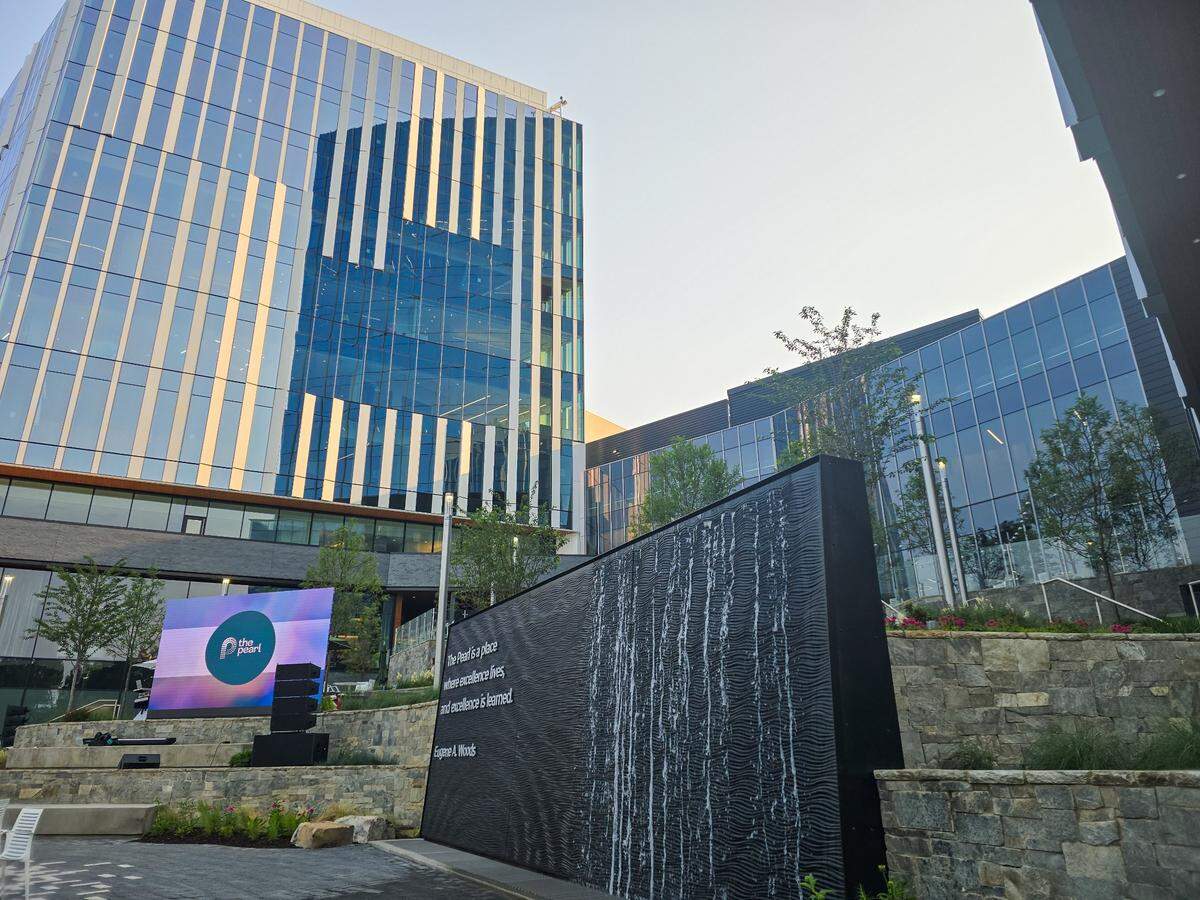
Wake Forest University School of Medicine begins classes at its brand new Charlotte campus near uptown this week – making it the city’s only medical school. The annual cost of attendance for this year is an estimated $110,448.
NC Schools
The cost of graduate school for North Carolina students varies widely depending on degree, university and location. Some could save money thanks to the new rules. Others with more expensive degrees could find them even harder to afford.
The higher cap on Direct Unsubsidized Loans could benefit students who borrow less than $50,000 per year, said Evan Didier, assistant dean of admissions & financial aid at Wake Forest University School of Law. They have a lower interest rate than the Grad PLUS loan. So, students who borrow $50,000 or less a year may end up paying less than they did before.
The average yearly cost of attendance at Wake Forest University Law School is currently around $92,000. The program is three years long, as are most law programs, so a borrower who reaches the cap of $200,000 could still be on the hook for about $76,000, if they don’t receive any other type of financial aid.
“I think there will be a small minority of our students that will be significantly impacted,” Didier told The Observer. “With our median scholarship award of $40,000 and a loan of $50,000, that would leave a gap of a couple thousand dollars, which I think is doable for many students.”
Meanwhile, at UNC-Chapel Hill Law School, in-state tuition and fees for the 2025-26 school year total $31,562. Out-of-state tuition and fees are $54,800. This past school year, approximately 56% of the student body relied on loans, the vast majority of which were federal loans, a spokesperson for UNC media relations told The Observer.
In total, 95% of UNC law students received some form of financial aid last year, whether scholarships, loans or a combination of the two. Of those, 40% received federal Grad PLUS loans.
“A similar percentage of students may need to turn to private loans in future years if financial need remains consistent,” the spokesperson said.
Around 56% of graduate students at Queens University have student loans, and it’s taking steps to increase resources for students following the federal changes.
“We see this as an opportunity for stronger partnerships,” Adrienne Amador Oddi, vice president of enrollment management and marketing, said in a statement to The Observer. “We’re enhancing our financial literacy programs and expanding individualized counseling so our financial services team can work even more closely with prospective students.”
Med school loans and the doctor shortage
The Association of American Medical Colleges warned in a July 3 news release the bill’s changes would “affect many prospective medical and other health professions students and worsen the nation’s persistent doctor shortage.”
The median four-year cost of medical school attendance for the class of 2025 was $286,454 for public schools and $390,848 for private schools, according to data from the AAMC. About half of medical students in the U.S. have historically used Grad PLUS loans to pay for their education.
Chmiel said students worried about repaying private loans may opt to go into more high-paying specialties like surgery rather than lower-paying specialties like primary care — where there already are wider shortages.
The U.S. is projected to reach a shortage of 124,000 doctors by 2034, including 48,000 primary care physicians, according to the American Medical Association. The gap is particularly large in rural and underserved areas.
Coupled with Medicaid cuts, Chmiel said he worries finding care in rural areas could become more difficult.
“I think this will unfortunately have a big impact on specialties like primary care, which is where most of the need is,” Chmiel said. “I think those effects will become very apparent over the next five to 10 years … I think it’s not a good situation for patients to be in in those areas.”
This story was originally published July 15, 2025 at 5:00 AM.