NC universities ramp up spending on lobbying as Trump targets higher education
AI-generated summary reviewed by our newsroom.
- Duke and UNC significantly increased 2025 lobbying to counter federal cuts.
- Davidson College and UNC Charlotte hired lobbyists as Trump returned to office.
- Policy is shifting on endowment taxes, research funding and graduate student loans.
Challenging. Crucial. Chaotic.
Those are some of the words used by higher education officials in interviews with The News & Observer to describe the current environment for colleges and universities under the second Trump administration.
Since President Donald Trump took office in January, his administration has enacted sweeping changes for higher education — from slashing federal research funding, to changing the procedures for obtaining student visas, to intensely targeting diversity, equity and inclusion efforts, among other actions. And in Congress, the Trump-backed One Big Beautiful Bill Act that became law last month brought more changes to the sector, including limiting the amount of federal student loans graduate students can borrow and raising the tax on some private university endowments.
“It’s a challenging environment to be in higher education, at this time, with the federal government,” Chris Simmons, vice president for government relations at Duke University, told The N&O.
But amid the flurry of activity in Washington, North Carolina’s universities aren’t sitting on the sidelines.
Congressional lobbying reports for the first half of 2025 show significant increases from previous years in spending on advocacy efforts at UNC-Chapel Hill and Duke University, both major research universities that are particularly impacted by the administration’s cuts in that area. UNC, for instance, more than quintupled its spending compared to the same time last year.
And at least one North Carolina school, Davidson College, hired a lobbyist this year for the first time on record, an effort directly tied to federal legislation impacting the school’s endowment. Meanwhile, UNC Charlotte is using a lobbying firm this year for the first time in a decade.
The lobbying efforts, and the major amounts of money some schools are spending on them, are one symbol of the pressure universities are currently facing — and how, by at least one measure, they are attempting to preserve key aspects of their operations in the face of challenges.
Lobbying spending up at UNC, Duke, others
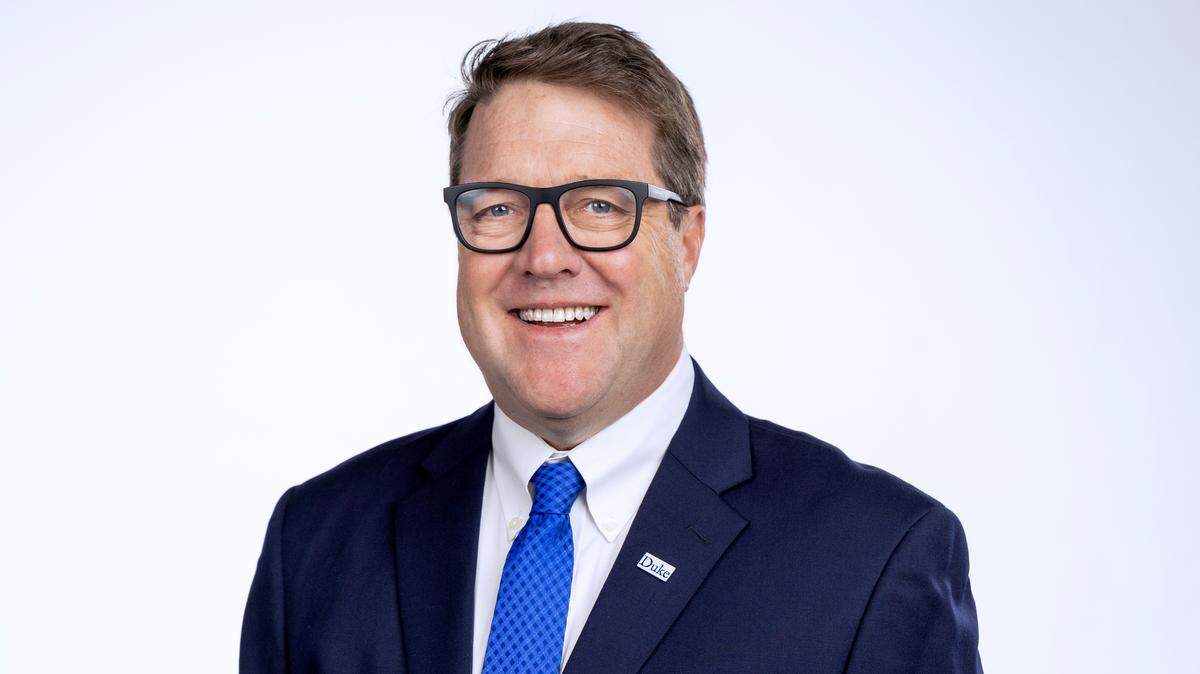
So far this year, Duke has spent $727,000 lobbying Congress — a total that includes $597,000 spent by the university’s in-house lobbyists, led by Simmons, and $130,000 paid to DLA Piper, a firm whose lobbyists for the university include former Republican Sen. Richard Burr.
That means Duke’s spending this year is up nearly 92% compared to the same period last year, when the university reported spending $379,000. This year’s spending is also nearly triple that of the first year of Trump’s first administration, 2017, when Duke spent $264,000 in the first half of the year.
The money reported in Duke’s lobbying disclosures is derived from a combination of budgeted expenses the university puts toward the efforts each year, as well as one-off costs like travel expenses for campus officials who may go to Washington to share their perspectives and expertise with lawmakers, Simmons said.
Compared to Duke — where the Trump administration has frozen $108 million in funding, seemingly tied to the administration’s unspecified allegations of racial discrimination — the increase in lobbying expenses this year is even more pronounced at UNC.
In total, the university has spent $545,000 lobbying Congress since January — more than it spent in all of 2024, when its expenditures for the year totaled $370,000.
This year’s mid-year total at UNC includes $315,000 spent by the university’s in-house lobbyists; $140,000 paid to DLA Piper to represent the university; and an additional $110,000 paid to Checkmate Government Relations, a lobbying firm whose founder has ties to the Trump family.
UNC’s spending so far in 2025 is also significantly higher than recent years, even those during Trump’s first term. In 2017, the university spent $120,000 in the first six months of the year, while spending in later years of Trump’s first presidency tended to be less than $100,000 for the same period.
Asked by The N&O about the rise in spending at a May Board of Trustees meeting, UNC Chancellor Lee Roberts attributed part of the increase in the first part of this year to the federal budget cycle, saying it is “one of the most intense times” in Congress and that “you’d expect to see a rise in our spending on advocacy efforts during a period like this.”
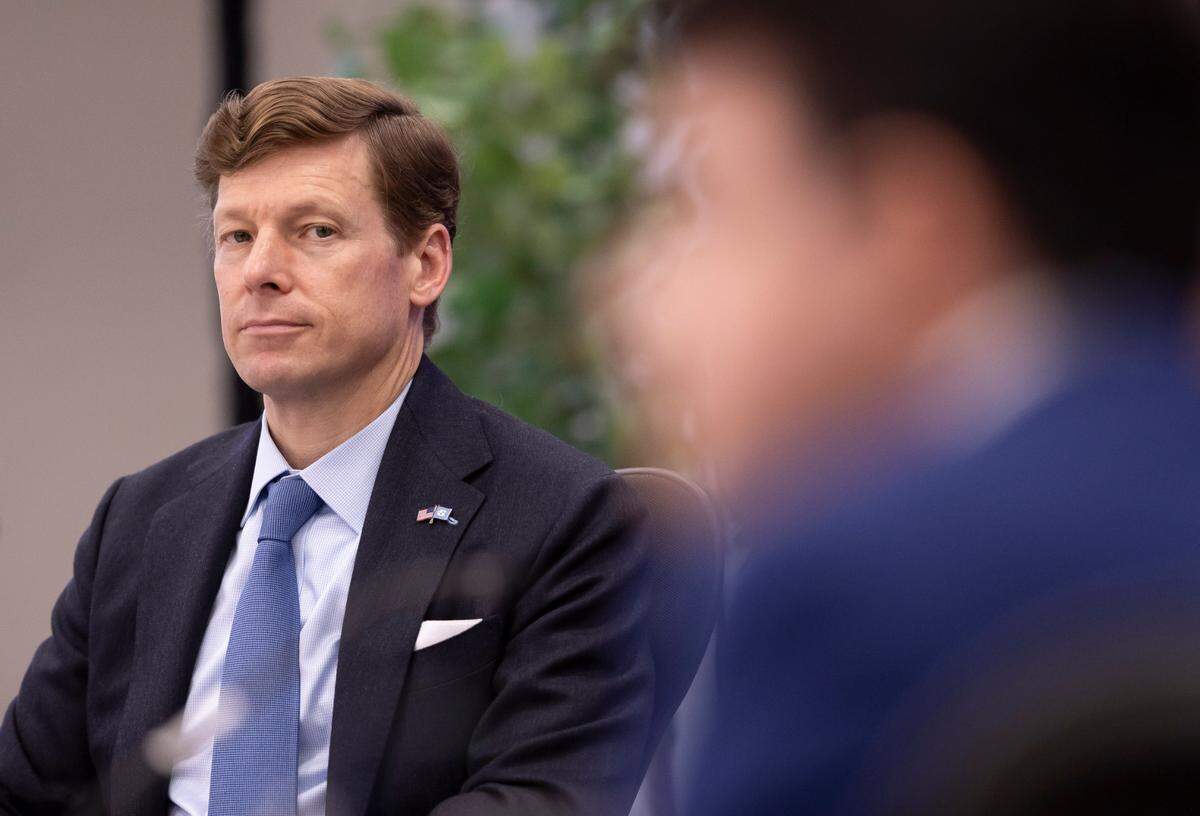
Still, Roberts described the moment as a “crucial time” for UNC, given the amount of funding it receives from the federal government — about $1.55 billion a year, with about $600 million from the National Institutes of Health alone.
Among a host of other issues, UNC’s lobbying reports show that university officials have spent time advocating for “general tax issues related to federal research and higher education” and “solid federal support for science and research funding.”
“When that funding is threatened, we feel as though it’s our responsibility to make sure we’re telling the story about the great work that goes on here at Carolina. Not just groundbreaking, lifesaving research, but the support of thousands of jobs here in Chapel Hill, in the Triangle and in North Carolina,” Roberts said. “So we continue to make our case, as effectively as we can, with federal policymakers.”
Lobbying in the Trump era
Kelly Dockham, UNC’s director of federal affairs and the university’s registered, in-house lobbyist in Washington, told The N&O that this year has been a “busy time” in Congress. But she noted there are “evergreen issues” lawmakers routinely deal with — especially annual federal appropriations — that require attention at nearly all times.
“That’s a really big priority for us,” Dockham said.
But there’s little denying that this year has brought unprecedented attention and pressure to higher education from the federal government. Simmons, who has been with Duke for about 20 years, spoke from experience to make the case.
“There’s never been this much scrutiny, involvement, interaction at this kind of political level with the federal government, in my experience,” Simmons said, “and a real reckoning with those in government about what the role is, and the partnership between, the federal government and higher education.”
Much of that tension was reflected in this year’s One Big Beautiful Bill Act, the sweeping Trump-backed budget reconciliation package that cuts taxes and Medicaid funding and provides billions of dollars for the president’s agenda — including significant changes for higher education.
Among other provisions impacting higher education, the package raises the taxes that some wealthy, private colleges pay on their endowments and limits the amount of money graduate students can borrow for their education.
The endowment tax issue, in particular, was of concern to Davidson College, the small, liberal arts college north of Charlotte.
Davidson President Doug Hicks cited the issue as the primary reason the college sought out the help of lobbying firm Brownstein, Hyatt, Farber and Schreck, a Denver-based firm that in 2021 brought in the most money of any lobbying group in the country. The firm received $40,000 in the first part of the year for lobbying on behalf of Davidson, with a specific focus on the endowment tax, disclosures show.
An initial version of the tax, proposed by the House of Representatives, would have increased the maximum rate for the wealthiest colleges to 21% — a major increase from the previous rate of 1.4%.
“Davidson needed to take extraordinary steps because the proposed endowment tax increase would have harmed students. Income from the endowment makes schools like Davidson a great value for students, their families and our nation,” Hicks told The N&O in a statement. “We are deeply grateful to the House and the Senate for recognizing the public good that Davidson and other small colleges provide.”
Endowments are pools of financial assets invested by universities, or managed by investors on behalf of the schools. While the funds can be used to strengthen the universities’ financial positions, schools can also use the money to support students through financial aid. At Davidson, Hicks said, “endowment returns fund much of our financial aid, and nearly two-thirds of our students receive some amount of aid.”
Davidson’s endowment was worth $1.4 billion last year, per the university. Duke’s was worth $11.9 billion.
Davidson, which enrolls fewer than 2,000 students, is one of 26 colleges identified by Forbes as receiving a tax cut instead of a tax increase under the final version of the bill, due to an exemption for colleges with fewer than 3,000 full-time students who pay tuition. Under the new rate structure, Davidson will not be subject to a tax on its endowment beginning in 2026.
An analysis of the final version of the tax published by the Chronicle of Higher Education shows that Duke is expected to continue paying its current tax amount, about $13.5 million, on its endowment. That’s considerably lower than an initial January tax proposal that would have seen the university’s payment rise to nearly $135 million.
Using outside lobbying firms
In addition to its own efforts, Duke also received assistance on the endowment tax issue from DLA Piper, the outside firm that counts Burr among its lobbyists, according to the firm’s disclosures. Burr represented North Carolina in Congress for nearly 30 years, both in the House and the Senate, before retiring in 2023.
Using outside lobbyists is a relatively new development at both Duke and UNC, according to lobbying reports.
Simmons said his team sought out DLA Piper in late 2023, “in anticipation that there would be changes with Congress and the administration,” and saw Burr’s association with the group as a major draw.
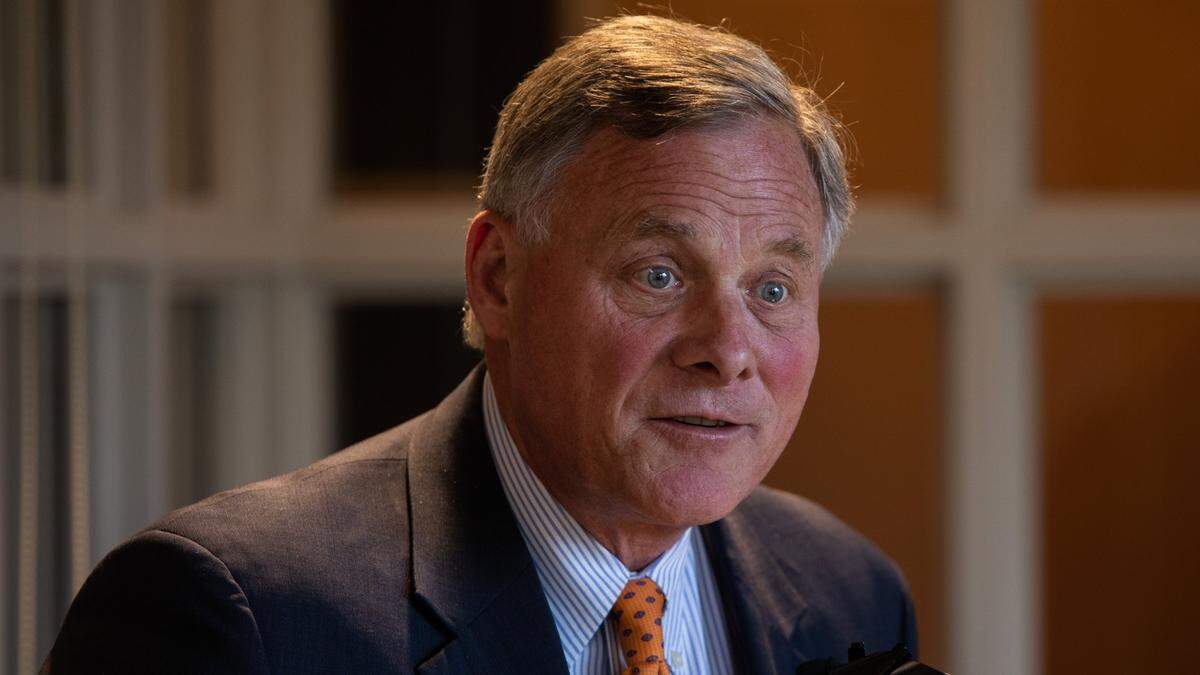
“We specifically wanted to work with Sen. Burr, given his his knowledge of the state, his relationships — not only on the Republican side of the aisle, but also great relationships with Democrats, and also outstanding relationships that he’s maintained in the House — and wanted his input on helping us think through a lot of these issues and helping be an advocate for us,” Simmons said.
UNC, meanwhile, used DLA Piper for the first time in the second quarter of 2024, and has continued to seek out the firm’s services this year.
Dockham, UNC’s in-house lobbyist, also cited Burr as a plus of working with the firm, saying his connections with the Senate Health, Education, Labor and Pensions committee — on which Burr served as ranking member, but which no longer has a North Carolina senator in its membership — have been particularly useful as the university has sought to make its case to policymakers.
Overall, Dockham said, outside firms help provide “added monitoring” to issues impacting the university.
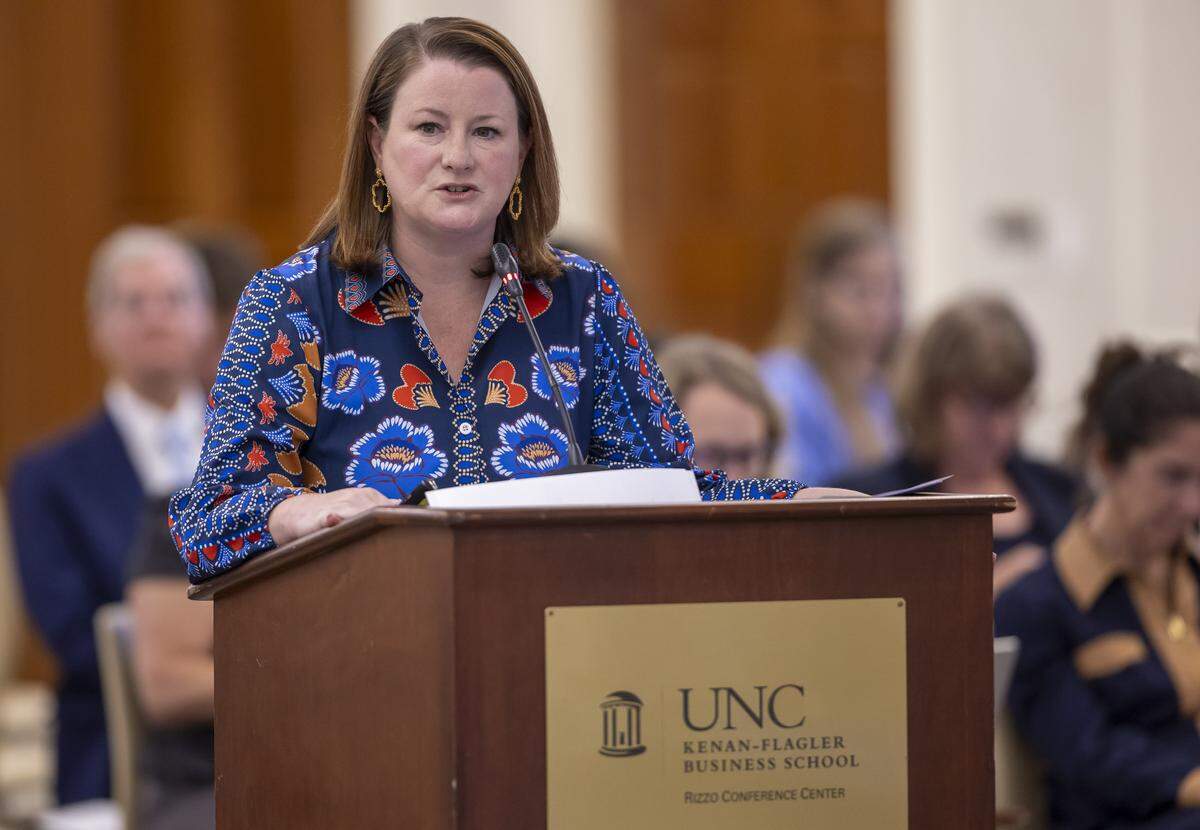
In addition to DLA Piper, UNC this year has used the services of Checkmate Government Relations. The firm is led by Ches McDowell, a North Carolina native whose brother, Addison, is a Republican representing North Carolina’s 6th Congressional District.
Ches McDowell has hosted hunting trips in Eastern North Carolina with Donald Trump Jr., according to the latter’s social media. McDowell’s colleagues at the firm include Chris LaCivita Jr., the son of one of President Trump’s campaign managers, and Jackson Hines, the nephew of Robert F. Kennedy Jr., the Wall Street Journal reported in a story about lobbyists aligned with Trump’s Make America Great Again movement.
It’s unclear whether the firm’s connections to Trump were the impetus for UNC seeking its services. But Dockham said the firm “came on board” to UNC’s lobbying efforts shortly after Trump took office this year, as campus officials were “trying to keep up with the executive orders and other things happening throughout the different agencies.”
UNC Charlotte is also using an outside lobbying firm, Washington-based ACG Advocacy, this year, marking the first time the university has listed lobbying activity since 2015. The university has paid $45,000 to the firm so far this year.
In a statement, Joe Bost, UNC Charlotte’s special assistant to the chancellor for external relations and partnerships, attributed the move to engage a lobbyist to the importance of securing federal funding amid the school’s recent rise to “Research 1” status.
“As a leading research university in North Carolina and with our recent R1 designation in February, it was important for us to take a more strategic approach to federal engagement. … Our growing world-class research portfolio aligns with many federal priorities, including defense and critical infrastructure,” Bost said. “This investment reflects both our strategic growth as a research university and the rapid growth of the Charlotte region we serve. We look forward to continuing this important work with policymakers.”
Membership in advocacy groups
Aside from using the services of outside firms, the universities also benefit from their membership in national advocacy groups, such as the American Association of Universities (AAU), which represents the nation’s top research universities. Representatives of the member schools, including UNC and Duke, meet regularly to strategize and brainstorm about current affairs and how they can respond, Dockham said.
“It is helpful to have an organization that helps coordinate, processes information and also represents all of us at the same time when it’s important for us to speak with one voice on issues,” Simmons said.
Duke and UNC are North Carolina’s only AAU members, but other schools may be members of broader organizations, such as the American Council on Education (ACE), which represents nearly 1,600 colleges and universities around the country, including nearly 50 in North Carolina.
Ted Mitchell, president of ACE, said the organization puts up a united front on issues that impact large swaths of its members, which include public and private two- and four-year colleges. Such support can take the form of lobbying in Congress, educating the public and intervening in court challenges to executive actions, such as the Trump administration’s cuts to research funding.
“We’ll use any tool that we have to try to secure a strong future for higher education,” Mitchell told The N&O.
Additionally, schools in the public UNC System benefit from an in-house lobbyist that advocates to Congress on behalf of all 17 campuses. That’s especially important for smaller campuses in the system that may not have their own in-house lobbyists, but still seek federal funding or other support. For instance, lobbying reports — which tend to show $115,000 in spending each quarter — show the system in recent years has advocated for equipment for Elizabeth City State University’s aviation science program and for funding for UNC Pembroke from the Native American-Serving Nontribal Institutions Program.
Dockham recalled a particularly successful moment for universities’ collective power in 2017, when a final version of that year’s tax plan removed a provision that would have taxed graduate students’ tuition waivers as income. In addition to making the case for why such a change would have hurt graduate students at UNC, specifically, Dockham also worked with other university lobbyists from across the state and country to show the broader implications, she said.
“That was a really big win,” Dockham said. “That was one where it wasn’t just Carolina alone moving that needle, it was us working together.”
Such successes could offer inspiration as colleges continue to experience the impacts of the Trump administration and the One Big Beautiful Bill. For instance, Simmons said Duke officials will likely continue to advocate for a lower tax rate for its endowment and for improvements to student lending.
“If we do our work well, we might be able to sway opinions,” Simmons said. “And that’s part of our job, is to continue to talk about these issues and advocate for our students and for our faculty and our researchers.”
Politics reporter Kyle Ingram contributed.
This story was originally published August 20, 2025 at 5:00 AM with the headline "NC universities ramp up spending on lobbying as Trump targets higher education."
CORRECTION: A previous version of this story stated an incorrect year for Duke University hiring DLA Piper. The university hired the firm in late 2023.