Has a drug-resistant bacteria that can cause inflammatory diarrhea spread to Charlotte?
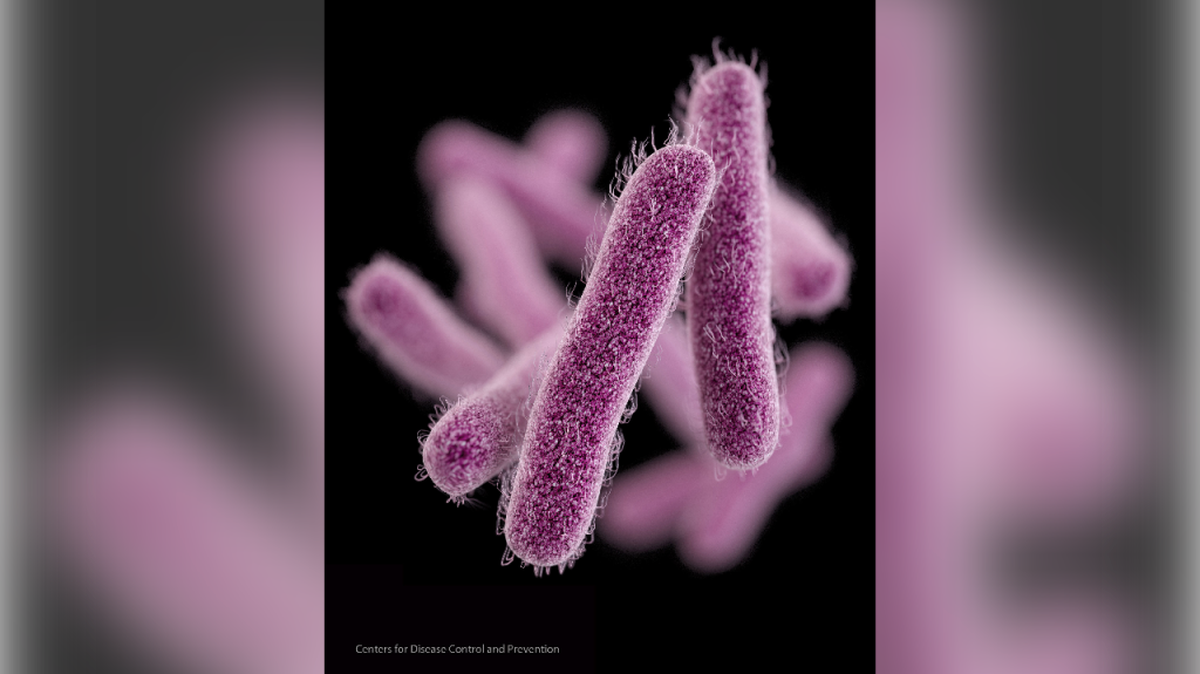
The Centers for Disease Control and Prevention is asking doctors to be on alert for an antibiotic-resistant bacteria spreading across the country that can cause “inflammatory diarrhea.”
The agency is “monitoring an increase in extensively drug-resistant” cases of shigellosis, an infection caused by the shigella bacteria, it said in a late February health advisory.
Antibiotic-resistant bacterial infections can be difficult to treat, experts say, because they don’t respond to traditional treatments.
“Given these potentially serious public health concerns,” the CDC said in its advisory, “CDC asks healthcare professionals to be vigilant about suspecting and reporting cases of (extensively drug-resistant) Shigella infection to their local or state health department and educating patients and communities at increased risk about prevention and transmission.”
Here’s what to know about the shigella bacteria and what Charlotte health care providers are seeing:
What is the shigella bacteria?
Shigella is an “easily transmissible” bacteria that can be “transmitted by the fecal-oral route, directly through person-to-person contact including sexual contact, and indirectly through contaminated food, water, and other routes,” the CDC says.
In the U.S., infections have “historically” been most common among young children, the agency adds.
Medications “are not always needed for mild shigellosis” but can help shorten one’s infection and their chance of spreading the bacteria, the CDC explains.
An uptick in antibiotic-resistant strains of the bacteria has health officials on alert.
“In 2022, about 5% of Shigella infections reported to CDC were caused by (extensively drug-resistant) strains, compared with 0% in 2015,” the CDC’s health advisory noted.
And the CDC has also recently “observed an increase in antimicrobial-resistant Shigella infections among adult populations,” especially people who are homeless, people with HIV, people who’ve traveled abroad and the LGBT community.
Shigellosis symptoms
There are multiple symptoms of shigellosis, per the CDC, including:
“Diarrhea that can be bloody or prolonged (lasting more than 3 days)”
“Feeling the need to pass stool (poop) even when the bowels are empty”
Stomach pain
Fever
“People with Shigella infection (shigellosis) usually start experiencing symptoms 1 to 2 days after contact with the germ,” the agency advises, though “some people will not have any symptoms.”
“Symptoms usually last 5 to 7 days, but some people may experience symptoms anywhere from a few days to 4 or more weeks,” the CDC adds. “In some cases, it may take several months before bowel habits (for example, how often someone passes stool and the consistency of their stool) are entirely normal.”
You should contact your doctor, the CDC says, if you’re dehydrated, have a fever and/or are experiencing “bloody or prolonged diarrhea” and “severe stomach cramping or tenderness.”
How do doctors treat antibiotic-resistant infections?
Antibiotic-resistant infections can be difficult to treat, but there are still often some treatment options, according to experts.
When an infection isn’t responding to an antibiotic, doctors “may try a different drug,” the Cleveland Clinic explains.
“The new drug may have more severe side effects, and trying a different antibiotic also raises the risk of developing resistance to that drug,” the group adds.
Doctors may also “treat antibiotic-resistant infections with medications that target the bacteria causing the infection,” New York University’s Langone Health notes.“Sometimes they prescribe a combination of medications.”
Researchers are also examining how viruses can potentially be used to treat antibiotic-resistant infections, per the National Institutes of Health.
Have any shigella infections been reported in Charlotte?
Atrium Health told The Charlotte Observer the hospital system hasn’t “seen any unusual rise in cases of Shigella.”
“In addition, we have not seen any cases of the drug-resistant Shigella mentioned in the (CDC) report,” spokesman Brian Hacker said.
The Mecklenburg County Health Department did not immediately respond to a question from the Observer on how many, if any, shigella infections have been reported in the county.