What should you do if your pet is bitten by a rattlesnake in Charlotte? Steps to take
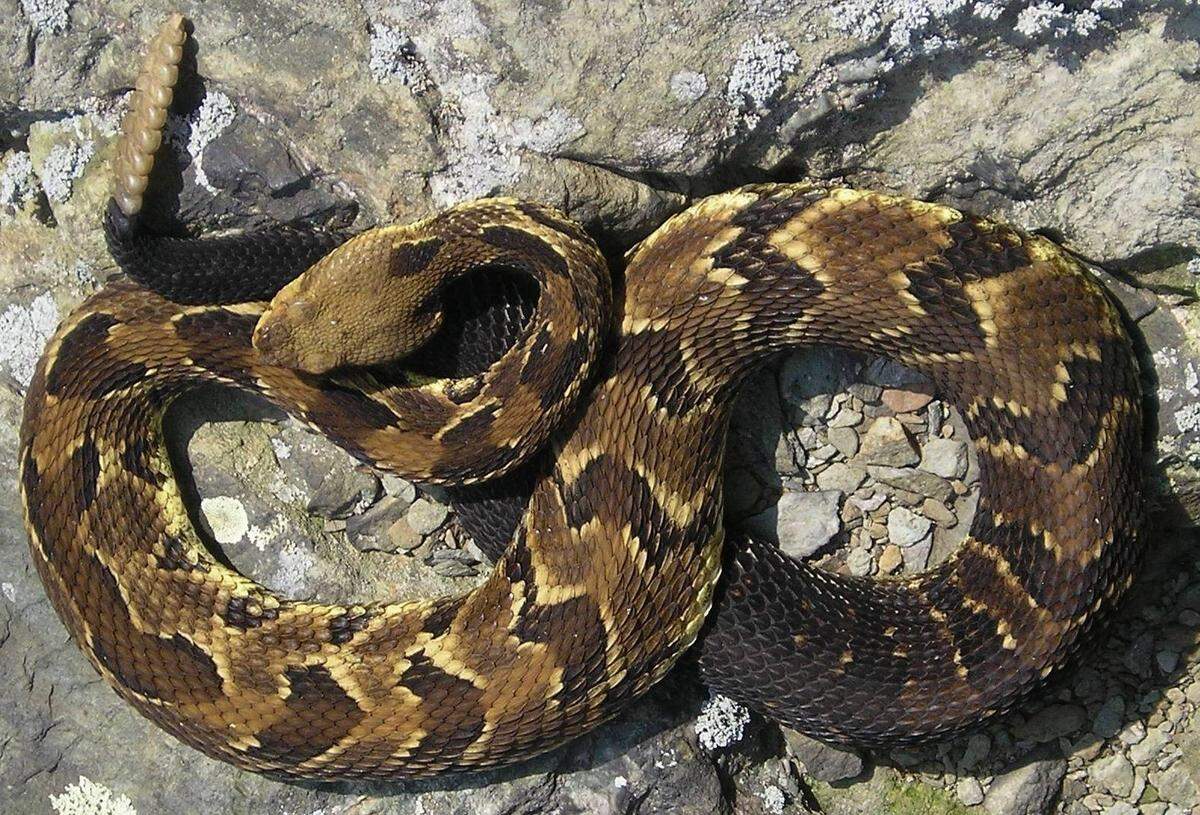
Rattlesnakes are active in Charlotte, and they can be a deadly hazard for your pet.
Approximately 150,000 dogs and cats in the United States are bitten by venomous snakes each year, according to Morris Animal Foundation — and approximately 5% of those bites are fatal (though bites from copperhead snakes are less deadly than rattlesnakes).
Generally, rattlesnakes bite if they are startled or provoked, meaning your pet should be fine if they stay away from them. But rattlesnakes have been known to invade yards and homes if the conditions are right.
Here are some rattlesnake bite symptoms to watch for in your pet, what to do if they get bitten and ways to protect your pet from the venomous animals.
What are the symptoms of rattlesnake bites in pets?
If a rattlesnake bites your pet, you may notice the following symptoms, according to Veterinary Specialists of the Rockies, a Colorado-based clinic:
Sudden weakness and collapse
Trembling, shaking or twitching of muscles
Diarrhea and/or vomiting
Unsteadiness/weakness in hind legs
Excessive salivation, drooling or frothing at the mouth
Bloody urine
Dilated pupils
Paralysis
There may also be evidence of bite wounds and, pain or swelling around the bite site, according to the clinic.
“Snakes will often bite your pet in the face, neck, or legs when the dog tries to catch the snake,” the clinic says. “In many cases, there may be minimal pain and swelling so this isn’t the most reliable way of determining whether your pet got bitten or not — you still have to watch for the other signs.”
What to do if your pet is bitten by a rattlesnake
The first thing you should do if your pet is bitten by a rattlesnake, if possible, is move your pet away from the snake immediately, according to Veterinary Emergency Group.
After your pet is safely away from the snake, you should contact an emergency veterinarian and explain to them what happened, the clinic says.
Your veterinarian will likely give antivenom to your pet to keep the bite from worsening, antibiotics to protect against infection and recommend rest for your pet when you take them home, according to the clinic.
“Once you have your dog back home, it’s crucial that they rest for a couple of weeks,” the clinic says. “Do not exercise them or allow them to over-exert themselves any more than is absolutely necessary. While they may go on short leashed walks to do their business outside, they needs to take it easy otherwise.”
▪ A note about copperhead bites on dogs: Many pet owners report that their dogs have been fine after being bitten by copperheads, but Dr. Steven Marks, associate dean and director of NC State Veterinary Medical Services, previously told The News & Observer that dogs bitten by copperheads should “a hundred percent, see a vet right away.” Any time a dog has been “bitten or envenomated” it should “absolutely” see a vet, he said. Veterinary treatment is especially important with smaller dogs — and with cats.
How to prevent rattlesnake bites in pets
Here are some ways you can protect your pet from snake bites, according to Embrace Pet Insurance:
Keep pets on a short leash during walks
Avoid rocky or dense brush and grassy areas
Keep grass cut short and remove brush, toy and rock piles
Keep food, fruit and birdseed out of your yard
Install hardware cloth on the base of your fence
If you encounter a snake, calmly and slowly back away from it
This story was originally published June 6, 2024 at 12:13 PM.