Coyotes are all over NC, including downtown Charlotte. How to scare them off
AI-generated summary reviewed by our newsroom.
- Coyotes inhabit all 100 counties of North Carolina, including downtown Charlotte.
- Coyotes weigh 20–45 pounds and average about 2 ft shoulder, 4 ft long.
- Wildlife officials recommend securing pet food, supervising small pets and removing.
Coyotes live in every county of North Carolina — odds are, if you haven’t come across one, someone you know has.
The predator weighs 20-45 pounds and feeds opportunistically, The Charlotte Observer previously reported. While the coyote prefers meat, it also eats fruit, pet food and remains.
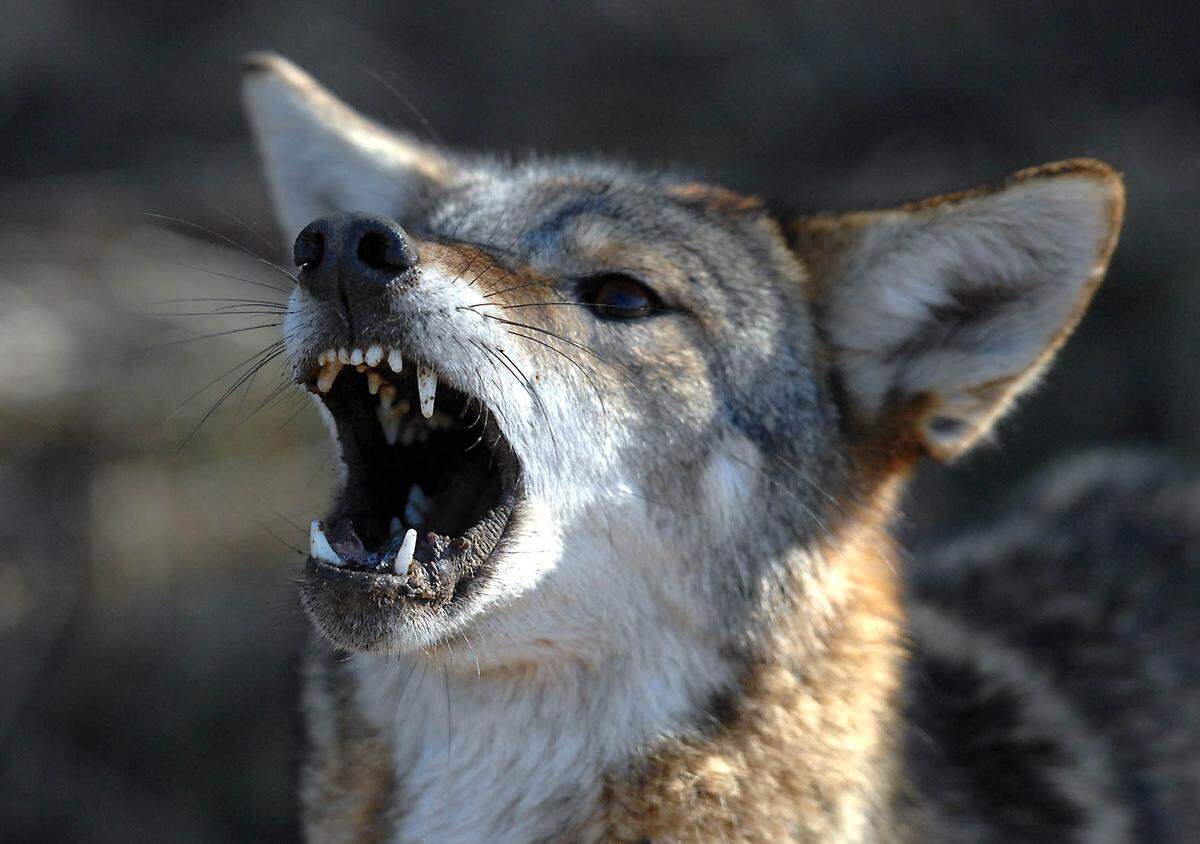
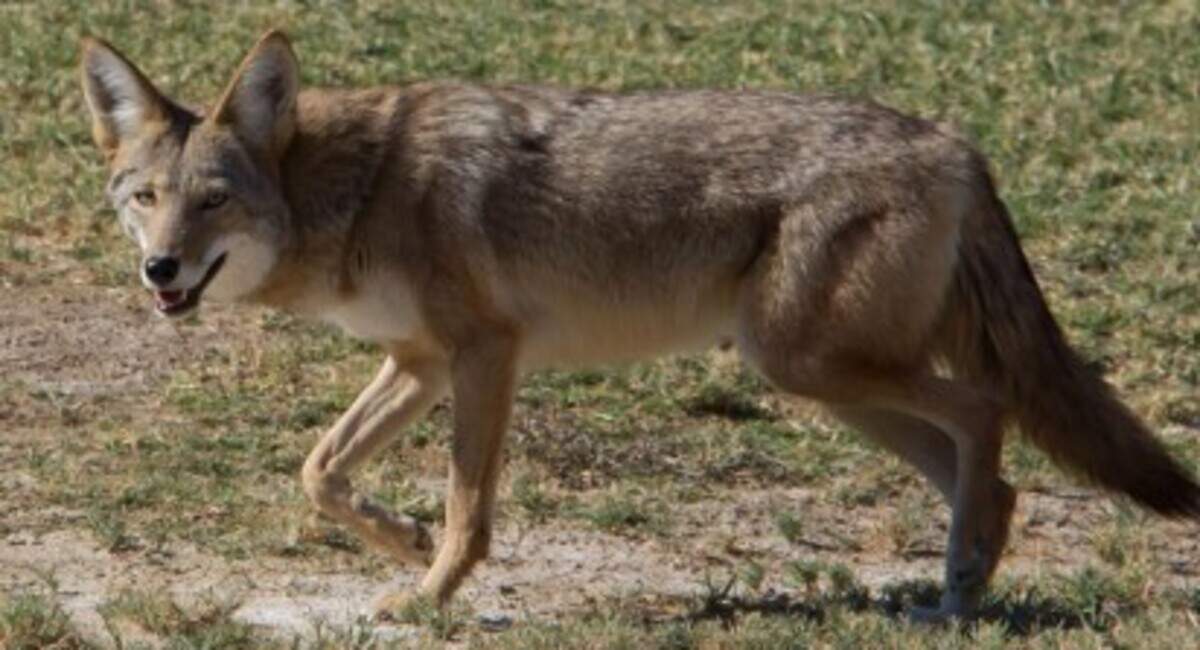
According to the North Carolina Wildlife Resources Commission, coyotes:
- Have pointed, erect ears and slender snouts
- A long, bushy, black-tipped tail
- Are typically dark gray but can be blonde, red or even black
- Very in size, but average about 2 feet tall at the shoulder and 4 feet long
Falyn Owens, a wildlife biologist with the NC Wildlife Resources Commission, said while you may mistake a coyote for a wolf, it almost definitely isn’t. The wolf population in North Carolina is small and heavily monitored.
“We do not have wolves roaming the entire state, and all of the red wolves have bright orange GPS collars on them, because they are very closely tracked by the US Fish and Wildlife Service,” Owens said. “If you see a wild canid wandering around and it looks like it could be a coyote or a wolf, if it doesn’t have a bright orange collar on it, you can almost always guarantee that it is going to be a coyote, or maybe a coyote-like dog.”
Where are they?
Coyotes are in all 100 North Carolinia counties, and they thrive wherever they can get enough food — including the suburbs and even downtowns.
“Coyotes are ubiquitous here in North Carolina, including downtown Charlotte. You can always assume that coyotes are around and live in your area, no matter where you live in the state,” Owens said. “They’re really good at not being noticed by humans for the most part, so just because you’ve never seen one, doesn’t mean that there isn’t one living in your area.”
The coyotes first appeared in North Carolina in the 1980s, and have spread across the state.
“We actually see the highest number of reports of coyotes in places like Mecklenburg County and Wake County, not because there are more coyotes in those areas, but there are more people who are interested in and willing to report the sightings,” Owens said.
Coyotes and pets
Coyotes may want to eat pet food, but they may also want to eat small pets. They very rarely act aggressively towards adult people or children.
“Thankfully they’re not interested in interacting with humans, they want to leave us alone for the most part,” Owens said. “They can see small outdoor pets, that are roughly the size of maybe a rabbit or a little bit larger than that, as maybe an easy meal when those animals are not supervised.”
To keep your pet safe, the NC Wildlife Resources Commission recommends:
- Protect pets by keeping them inside, leashed or inside a fence
- Install coyote-proof fencing around your home to protect pets
- Feed pets indoors or remove food when your pet is finished eating outside
How to avoid and scare off coyotes
Don’t be intimidated by a coyote. Maintain its wariness of people by throwing a small object at it, making a loud noise or spraying it with a hose. Let it know it is unwelcome.
Other steps can also help keep coyotes away from you and your pets and your property, according to the NC Wildlife Resources Commission:
- Secure garbage in containers with tight-fitting lids
- Take garbage bins out in the morning of pick-up, not the night before
- Don’t feed or try to pet coyotes
- Keep bird-feeder areas clean. Feeders attract small animals coyotes eat
- Close off crawl spaces under sheds and porches. Coyotes may use these spaces to rest and raise young
- Cut back brushy edges on your property, which provide cover for coyotes
- Clear fallen fruit from around fruit trees
- Educate your neighbors and work together
- Allow hunters or trappers access to your property, so the coyote population can be managed
Upcoming coyote workshop in Charlotte
Owens is doing a workshop in Mecklenburg County on June 27 at 10 a.m. at Quest Nature Center to answer coyote questions in the area.
“It’s not going to be the answer people want to hear, that the city is going to trap all the coyotes and get rid of them,” Melissa Knicely, the communications and outreach manager of Charlotte-Mecklenburg Animal Care and Control said. “They’re part of our natural landscape now, and they’re going to be there, even if we trap them and remove them, they’re going to move back in, and so it’s more about how you deal with it.”