NC copperheads can vary in color. See what they could look like
AI-generated summary reviewed by our newsroom.
- Copperheads cause the majority of venomous snake bites in North Carolina.
- Copperheads have contrasting brown crossbands shaped like an hourglass or dumbbell.
- A WakeMed physician described a severe 2026 bite caused by snake misidentification.
Copperheads are responsible for the majority of venomous snake bites in North Carolina, and they blend into our environment.
All are brownish, but the snakes can vary in appearance. Here’s how you can identify them.
How can you tell if a snake is a copperhead?
Because the copperheads are not identical shades, it is important to be able to ID them based on the pattern of the scales.
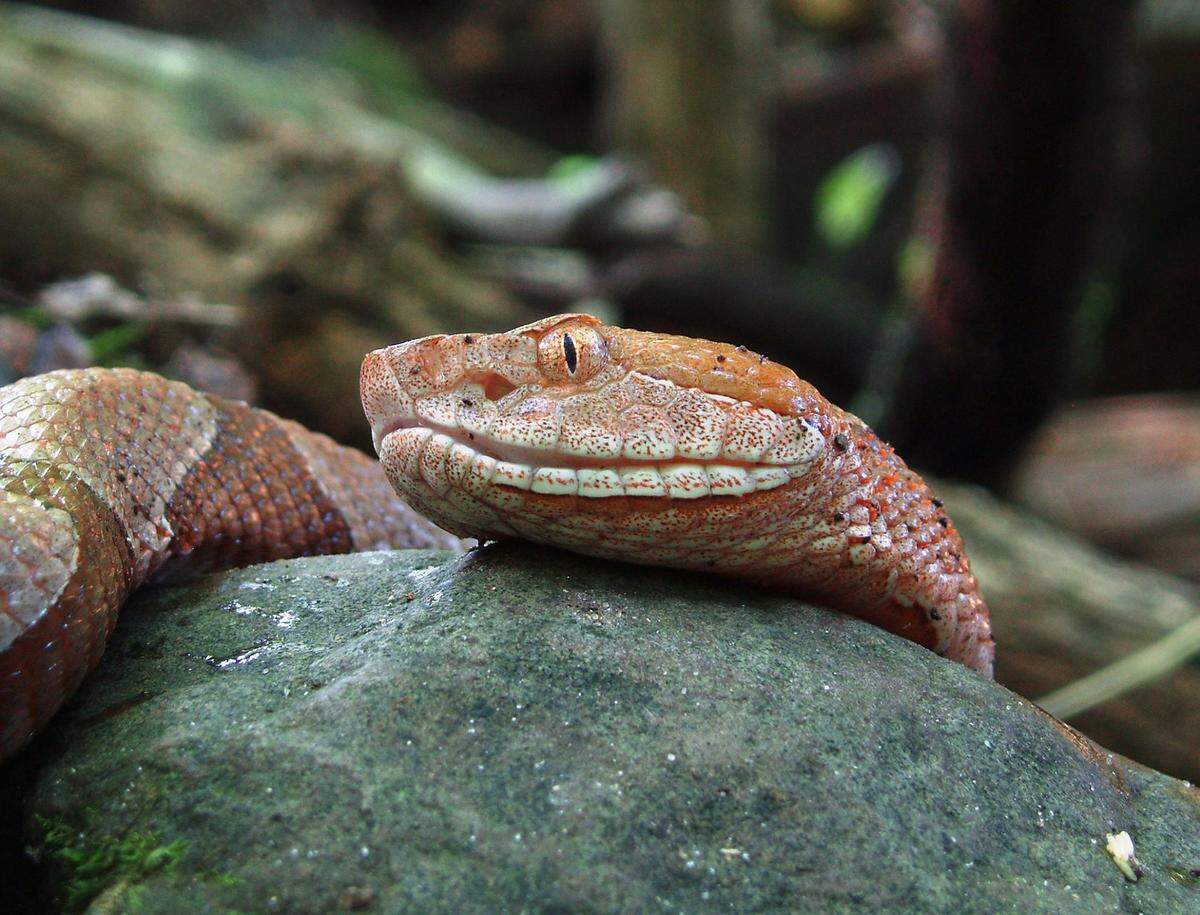
The snakes have contrasting brown crossbands shaped like an hourglass or dumbbell, according to the North Carolina Wildlife Resources Commission. The shapes are narrow in the center of the back and wider along the sides.
While individual patterns may vary, the commission says nearly all individual copperheads have at least some complete hourglass-shaped crossbands.
The snakes are also fairly wide and heavy. The average adult is between 2 and 3 feet. Their heads are triangular, with a dark line from the eye to the rear of the jaw.
Do any copperheads look significantly different?
Falyn Owens, a wildlife biologist with the North Carolina Wildlife Resources Commission, told The News & Observer in 2025 snakes vary visually because of genetics, just like humans.
Behind the pattern, the snakes are typically light brown, coppery or tan, sometimes grayish or pinkish tan, according to the North Carolina Wildlife Resources Commission.
Owens told The N&O some copperheads may be paler, sandy brown or even so dark they are nearly black, but it isn’t common. The colors would be unusual in North Carolina, and more common in animals bred in captivity for specific coloring.
“It would be a really remarkable sighting,” Owens said.
For photos of “different copperhead morphs,” visit Critters Of The World & Southern Outdoor Education’s Facebook post.
Snake bites can be painful and expensive
If you aren’t quite sure, don’t try your luck. Snake bites can cause pain for you or your pets, and antivenom can run you thousands at the hospital, The Charlotte Observer previously reported.
WakeMed Emergency Physician Dr. Benjamin German said one of the worst copperhead bite cases he has seen in 2026 was caused by a snake misidentification.
“We had a patient this year who was bitten, but he was trying to catch a copperhead,” German said. “He was from a different country, and he thought that this snake looked like one of the harmless snakes in his own country, and so he picked it up and bit him on both hands, and within five minutes he collapsed.”
The patient faced severe symptoms, including severe low blood pressure and signs of shock, before recovering.
This story was originally published June 17, 2026 at 8:31 AM.