Tuberculosis case reported at Lake Norman-area high school. What to know
AI-generated summary reviewed by our newsroom.
- Lincoln County officials investigate active TB case at East Lincoln High School.
- North Carolina TB risk factors include weak immunity, overcrowding, and travel.
- Experts recommend masking and hygiene to reduce airborne TB transmission risk.
Health officials in the Charlotte area are investigating a case of active tuberculosis at a local high school.
The Lincoln County Health Department says it is working with state and local partners to identify and notify anyone who may have been exposed to the bacteria at East Lincoln High School.
The news comes after 31 cases of active TB were reported in Mecklenburg County earlier this year, WSOC reported. (For comparison, there were 37 cases of TB in the county in all of 2023.)
Here’s what you need to know about TB.
How does TB spread?
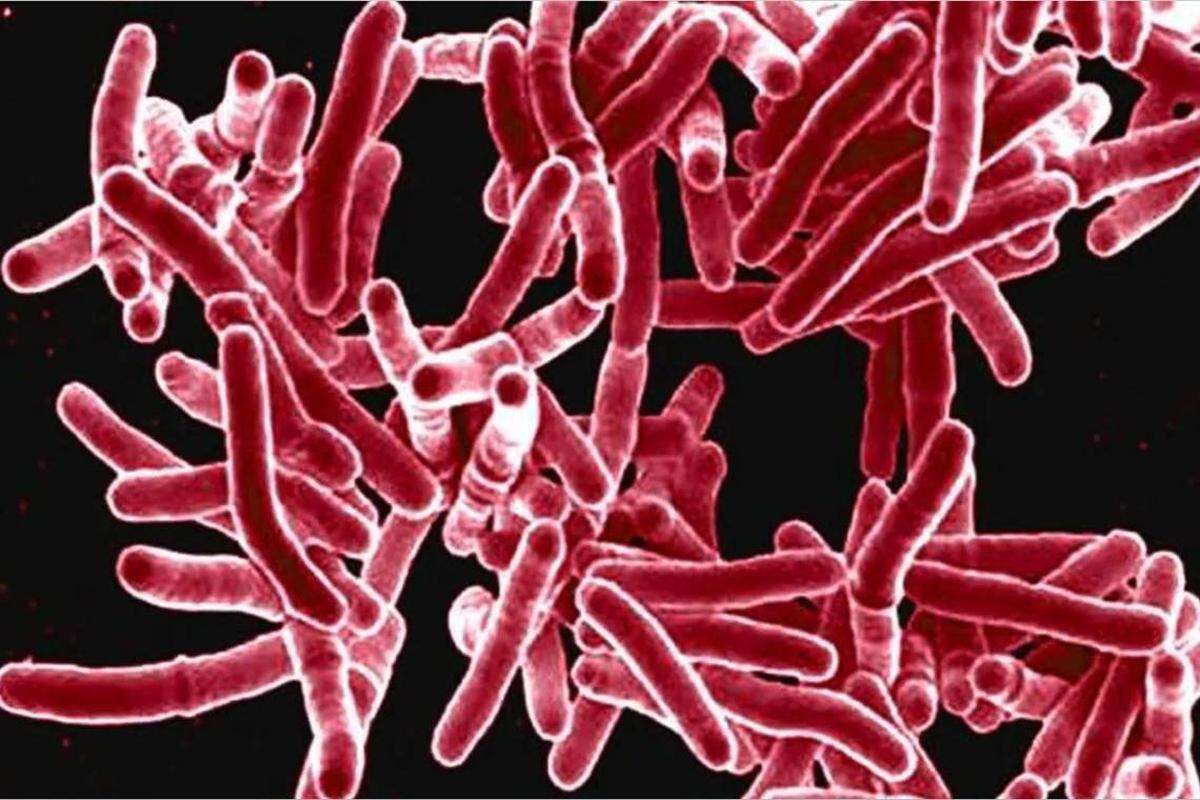
Tuberculosis (TB) is a contagious disease that spreads through the air when an infected person coughs, speaks or sings, according to the N.C. Department of Health and Human Services.
Those who spend the most time in close, enclosed settings, such as family members, roommates or close friends, face the highest risk of exposure.
Most people who inhale the bacteria don’t become sick because their bodies keep the germs under control, a condition known as latent TB infection or LTBI. People with LTBI aren’t contagious, but without treatment the infection can develop into active TB.
Who is most at risk of contracting TB?
In North Carolina, about three-quarters of TB cases occur in people born outside the U.S., likely due to past exposure, The Charlotte Observer previously reported.
Other risk factors for developing active TB include having a weakened immune system, living in overcrowded conditions, traveling to areas with high TB rates, frequent close contact with someone who has the disease or working in healthcare settings that serve high-risk populations.
What are the symptoms of TB?
A hallmark symptom of TB is “consumption,” or severe weight loss, Dr. David Weber, an infectious disease specialist at the UNC School of Medicine, previously told the Observer.
The CDC notes that when TB affects the lungs, it can also cause a persistent cough lasting three weeks or more, chest pain, coughing up blood or phlegm, fatigue, loss of appetite, fever, chills and night sweats.
TB in other parts of the body produces different symptoms. For instance, swollen lymph nodes under the skin or blood in the urine if the kidneys are affected.
Should you get the TB vaccine?
TB vaccine isn’t widely used in the U.S. because it offers limited protection, especially in adults, experts say.
The Bacillus Calmette-Guérin (BCG) vaccine, developed more than a century ago, can provide some protection for infants but wears off quickly. Since its effectiveness is low and TB rates are relatively low in the U.S., the vaccine is rarely recommended and generally not available here, though it is given to infants in countries with higher TB incidence.
How to prevent TB infections
Masking remains one of the most effective ways to prevent TB, Weber previously told the Observer.
“[N-95 masks] work against flu and RSV, and we have a lot of flu right now,” Weber said. “They work against COVID, they work against TB, they work against mumps, measles, rubella and pertussis. So anything that goes through the air, a mask will work.”
Additional prevention tips from Healthline include avoiding close contact with people who have active TB, practicing good hygiene, keeping your immune system strong through diet and exercise and consulting a doctor about preventive treatments if traveling to high-risk areas with a weakened immune system.