7 ways to keep those pesky NC squirrels out of your bird feeders
AI-generated summary reviewed by our newsroom.
- Baffles and pole-mounted feeders block squirrel access if placed strategically.
- Cayenne-mixed seed and caged feeders provide mixed results for squirrel control.
- Clean feeder areas and offer squirrels separate food to reduce unwanted visits.
Fall’s arrival in North Carolina means sightings of the Northern Cardinal, American Goldfinch and Carolina Chickadee may become more common at your bird feeders.
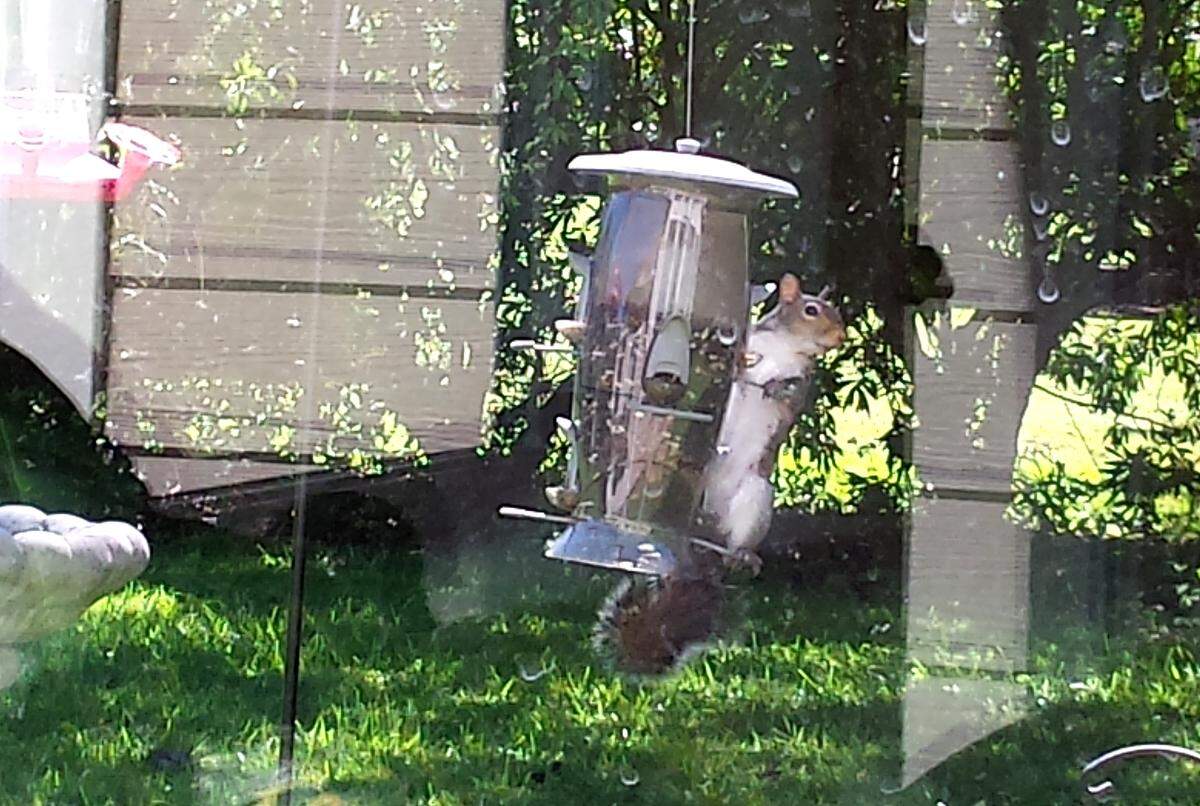
It also means hungry squirrels are undoubtedly lurking nearby looking for a hearty meal.
Bird seed is appetizing to squirrels because the ingredients, such as black oil sunflower seeds and nut-based blends, are good energy sources for them, according to bird feeder manufacturer Perky-Pet.
Fortunately, there are ways to keep squirrels (and other critters) away from your feeders. Here are seven methods you can use.
Add a baffle
A baffle, or a metal or plastic structure you place over a feeder to block critters from accessing it, can deter squirrels, according to Better Homes & Gardens.
Baffles can be bought or made at home and work best when smooth and wide enough that squirrels can’t grip them. The National Audubon Society suggests that baffles be at least 17 inches in diameter for maximum efficiency.
Some backyard birders turn toy Slinkys into DIY baffles by threading them over the feeder pole and securing one end beneath the feeder, according to Birds & Blooms. Any squirrel that tries to climb the pole ends up sliding back down.
However, baffles are only effective if the feeder isn’t within jumping distance of trees, sheds, or other surfaces squirrels can launch from.
Hang the feeder on a pole
Since squirrels are strong climbers, hanging a feeder from a tree branch makes it easy for them to reach, Better Homes & Gardens says.
A better option is to mount the feeder on a pole with a baffle to block access. Make sure the pole is firmly installed so it can support the feeder’s weight and withstand bad weather.
Though it’s a commonly used method, experts caution against using products such as Vaseline or WD-40 to grease poles, as small amounts can be potentially toxic to squirrels and damage birds’ feathers.
Hang bird feeders high
To keep squirrels away, hang bird feeders at least five feet off the ground, according to The Audubon Shop. Higher placement works too, though you may need a hook or hanger to reach it.
Generally, homeowners can follow the “5-7-9 Rule”: In order to make bird feeders less accessible, they should be five feet off the ground, seven feet away from any bushes or fences and nine feet away from any overhanging limbs.
Add hot pepper to the birdseed
Another tactic is mixing cayenne pepper with birdseed, Better Homes & Gardens says.
Birds aren’t affected by capsaicin, but mammals experience a burning sensation that usually teaches them to stay away. This method is safe but not always effective — some squirrels may still persist.
As Mallory Maher, the Master Naturalist Program Coordinator at Clemson University wrote, the peppers only provided temporary relief. While a squirrel initially avoided the feeder, it soon returned, and others seemed unfazed, or even undeterred by the spice.
Try a caged bird feeder
Caged, squirrel-proof feeders work well for small birds like finches and chickadees, and can also keep out aggressive bird species, Birds & Blooms says.
They use wire mesh sized to let birds in but block squirrels, though they may be less effective in regions with very small squirrels.
In addition to keeping out squirrels, other benefits of caged bird feeders include reduced amount of wasted bird seed, keeping seed protected from rain and snow and providing extra perches for waiting birds as they wait for feeding ports to become available.
Keep areas under feeders clean
Don’t let leftover seeds accumulate on the ground, since squirrels and other pests like rats or raccoons are drawn to them and may start raiding your feeders, according to Birds & Blooms. Keeping the area clean helps deter these unwanted visitors.
Better Homes & Gardens suggests adding a seed tray below a feeder that catches stray seeds and provides a landing spot for birds, including larger species like mourning doves, and notes that regular cleaning is necessary to prevent seed buildup and spoilage.
Feed squirrels separately
Instead of viewing squirrels as enemies, it helps to see their role in the ecosystem: they plant trees and help spread seeds, according to Birds & Blooms.
Giving them their own food, like peanuts or dried corn, can keep them away from bird feeders while letting them thrive, as many bird lovers have found to be the most effective and enjoyable approach.