4,000-year-old altar — used for ceremonial burns — found near pyramid in Peru
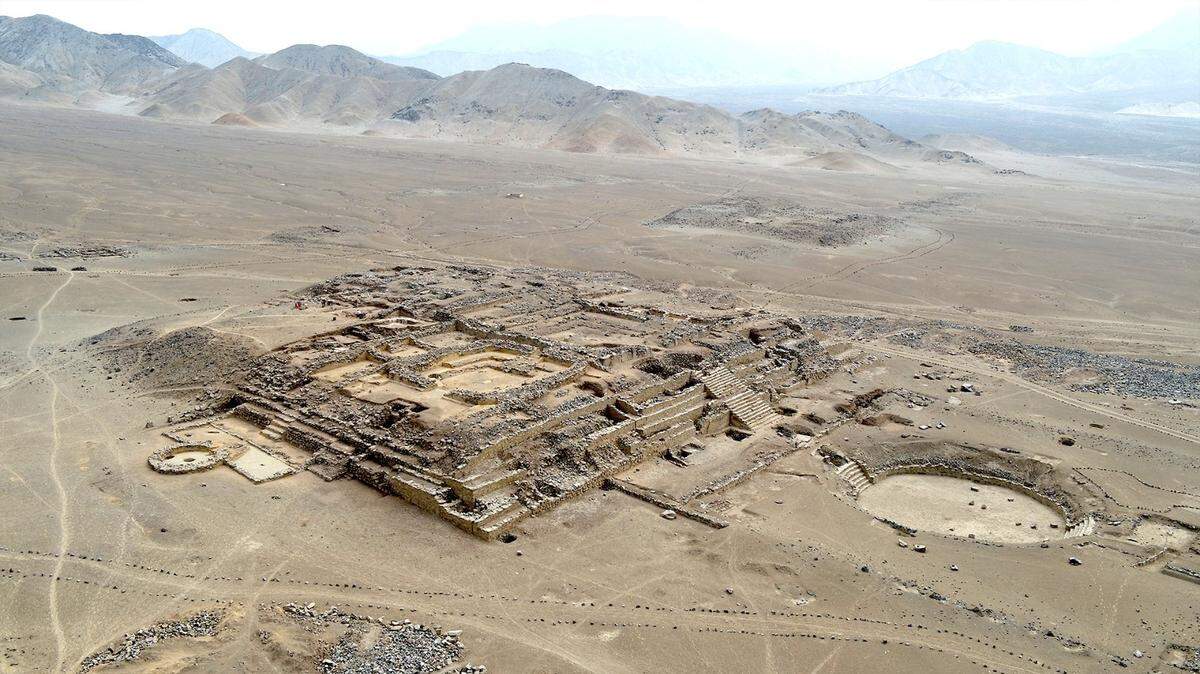
At the base of an ancient pyramid in Peru, archaeologists knelt and painstakingly brushed away the rocky soil covering some ruins. The circular structure that reemerged turned out to be a 4,000-year-old altar.
A team of archaeologists started excavating a pyramid at the Era de Pando Archaeological Site as part of ongoing research into the Caral-Supe civilization, a 5,000-year-old society considered the oldest known civilization in the Americas, Peru’s Ministry of Culture said in a May 21 news release.
Era de Pando was just one of many Caral-Supe settlements and dates back over 4,000 years, officials said. Situated on the bank of a river, the ruins of Era de Pando include four major pyramids, four smaller pyramidal buildings and roughly 40 other structures ranging from temples to residences.
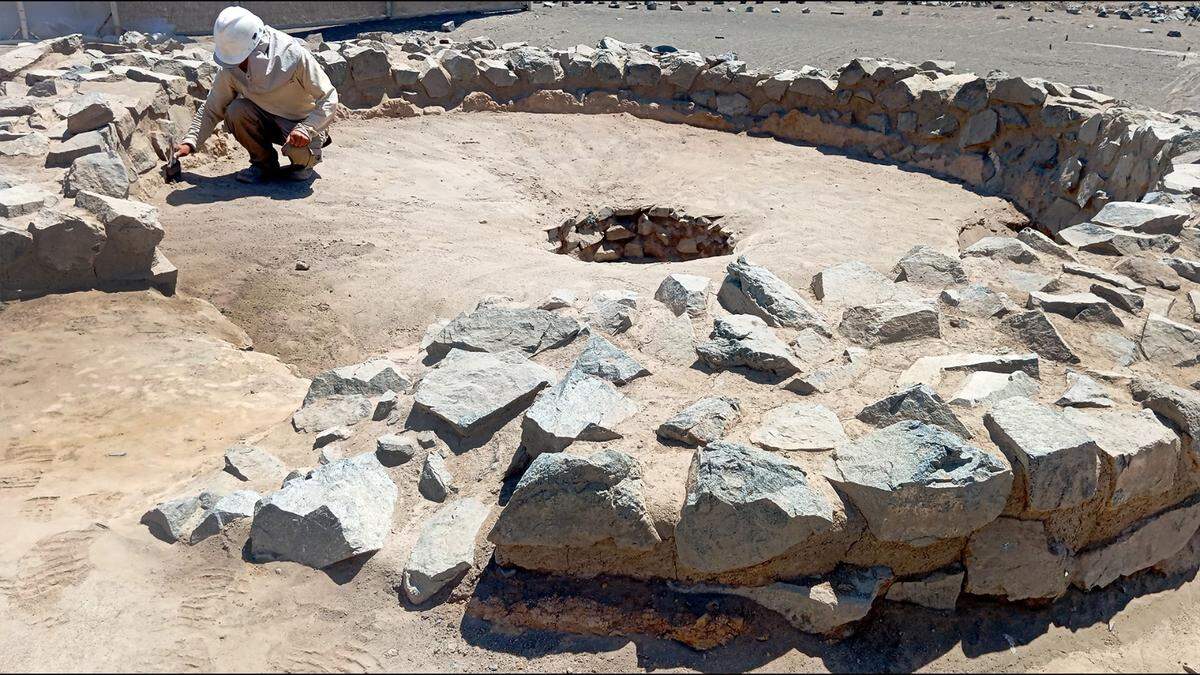
While working near one of the major pyramid structures, archaeologists uncovered the ruins of an “Altar del Fuego,” or fire altar. Photos show the circular altar, which measured about 22 feet across.
Fire altars were ritual structures built by the Caral-Supe civilization near important public buildings, such as pyramids, and used by elites for ceremonial burns, officials said. Designated authorities held private ceremonies at fire altars and burned offerings of items such as beads, quartz, seafood or other food.
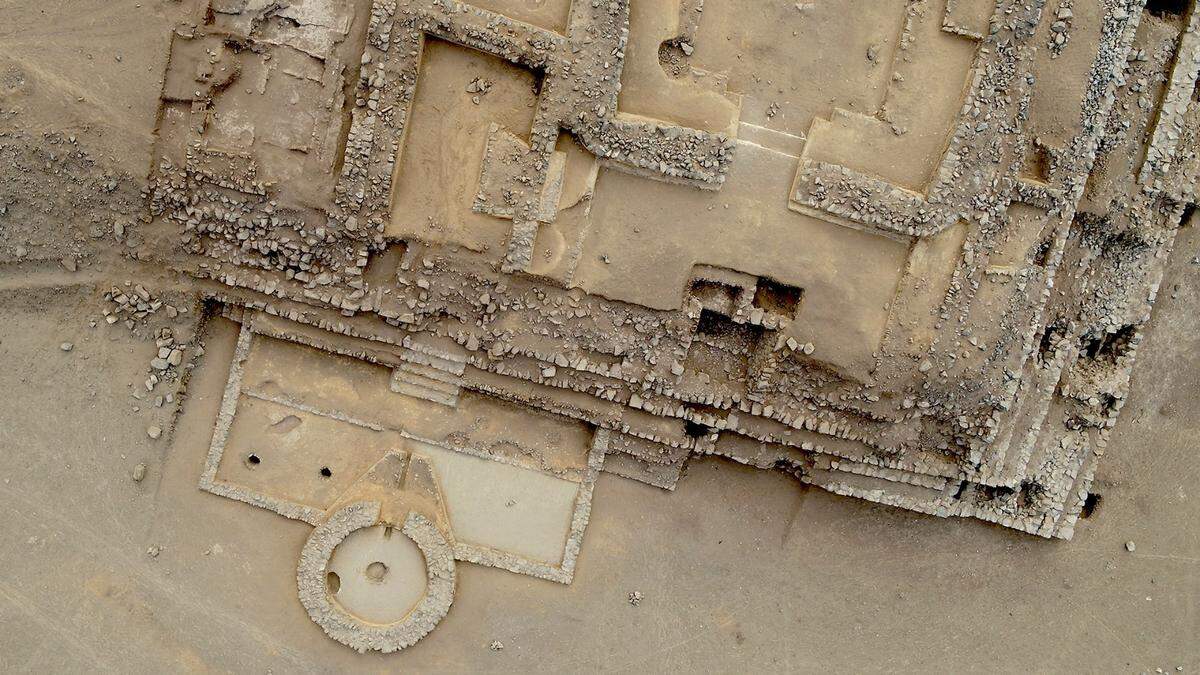
The recently discovered fire altar at Era de Pando originally sat on the edge of a courtyard near the side of the pyramid and, based on this location, was likely used as a supplemental ceremonial space, archaeologists said.
Photos show what remains of the pyramid, courtyard and fire altar.
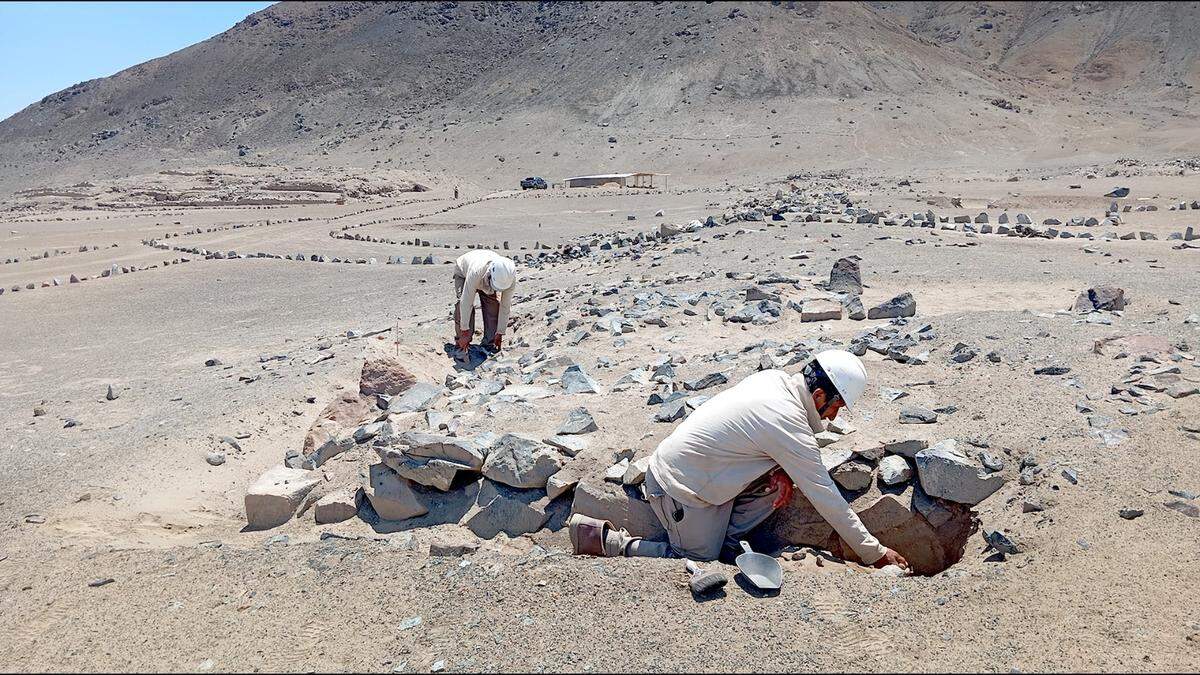
The Caral-Supe Archaeological Site, which includes Era de Pando, is a roughly 110-mile drive northwest from Lima, the capital city.
Google Translate was used to translate the news release from Peru’s Ministry of Culture.
This story was originally published May 21, 2025 at 12:45 PM with the headline "4,000-year-old altar — used for ceremonial burns — found near pyramid in Peru."