‘Spiny’ creature that lies in wait under trapdoor is a new species in Australia
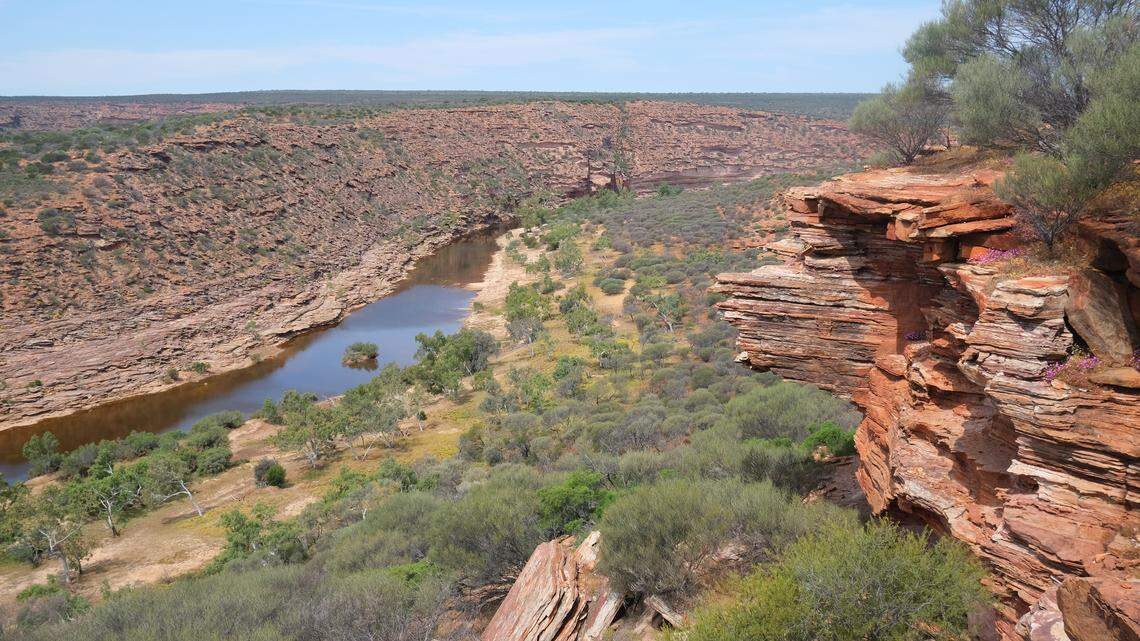
In western Australia, in a patch of ancient forest undisturbed by people, researchers set up pitfall traps with the goal of collecting elusive spiders.
Their survey yielded two rare female specimens and a male of a species previously unknown to science, according to a study published Oct. 3 in the Australian Journal of Taxonomy.

The new species, named Bungulla pipilata, is a spiny trapdoor spider. Trapdoor spiders in the Bungulla genus are found on Australia’s west coast and little is known about their biology, life history, or burrowing strategies, according to researchers.
The world’s oldest spider ever recorded was a trapdoor spider from Australia. She lived to be 43 years old, according to experts.
These creatures are known for making burrows in the ground where they lie in wait beneath a camouflaged “trapdoor.” When prey is detected, they spring from their burrows and attack.
Bungulla pipilata belongs to a family of spiders known as shield-backed spiders, named for their hard carapace, according to experts.
The new species is about three-tenths of an inch long and is dark tan and charcoal-brown in color, according to the study. Their bodies are covered in black setae, or sensory hair-like structures, earning them their “spiny” description, according to the study.
Bungulla pipilata is known only from Djidi-Djidi Ridge Reserve, Upper Chittering, in the northern Jarrah Forest bioregion of south-western Western Australia about 3 miles northeast of Perth.
Two rare female spiders from known species found
During a “Bush Blitz” research expedition in Western Australia’s Kalbarri National Park, researchers’ pitfall traps caught two elusive female Bungulla spiders, according to the study.
Of the 33 known bungulla species, females have only been recorded for six, researchers said. Only one published image exists of a female spider from any bungulla species in her burrow, according to the study.
Researchers said the burrow doors of both females “were extremely well camouflaged with sandy soil.”
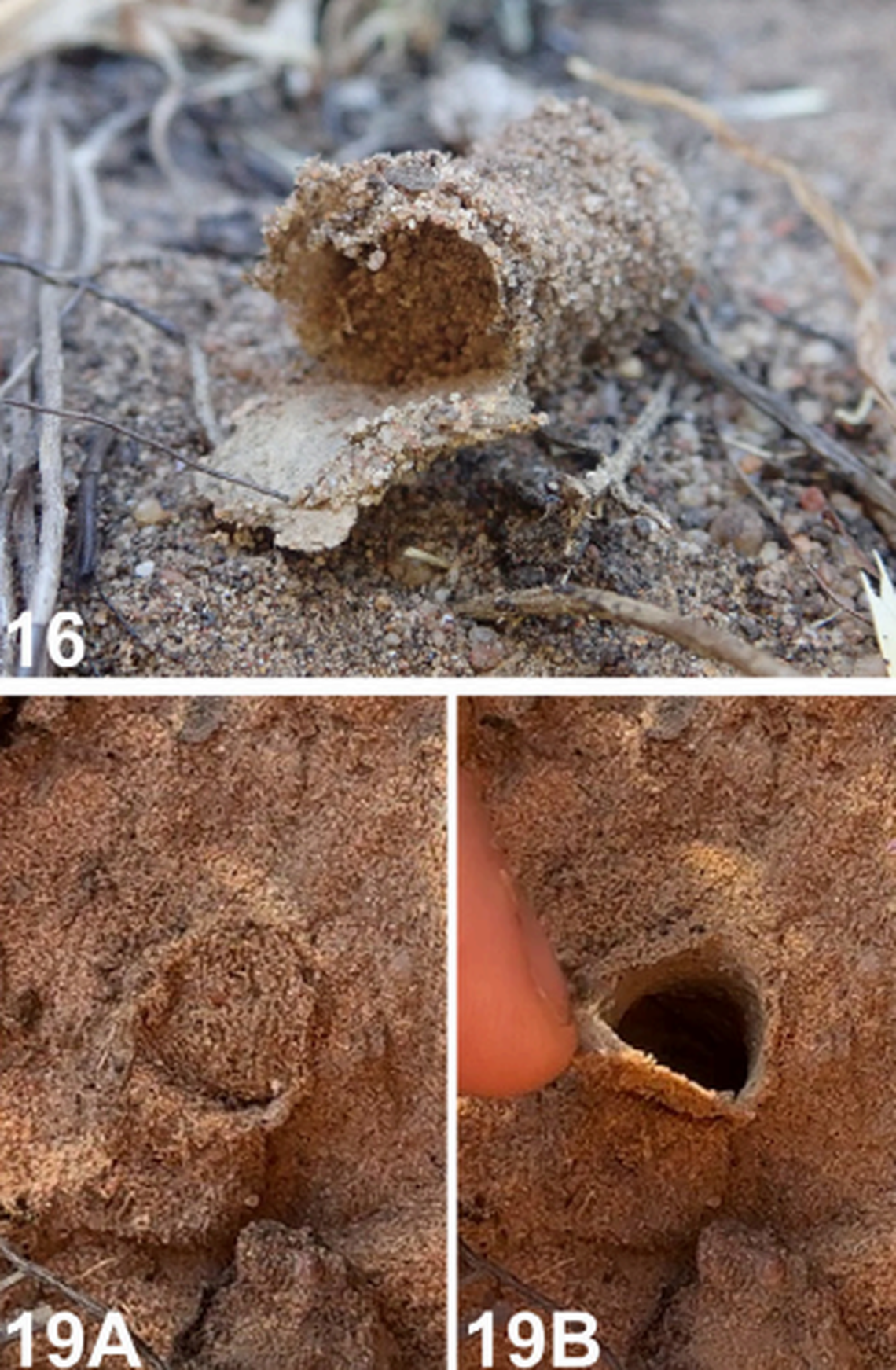
One specimen “had an unusual sandy soil plug at the entrance to the burrow shaft, physically blocking and sealing the burrow and spider within,” researchers said. While this has been observed in several other related genuses, “it has not been recorded before in Bungulla,” researchers said.
These observations add to the limited literature on Bungulla trapdoor spiders.
The research team included Michael G. Rix, Mark S. Harvey and Jeremy D. Wilson.
This story was originally published October 7, 2025 at 2:22 PM with the headline "‘Spiny’ creature that lies in wait under trapdoor is a new species in Australia."