‘Lost species’ not seen in decades found in ‘plain sight’ near tourist hotspot
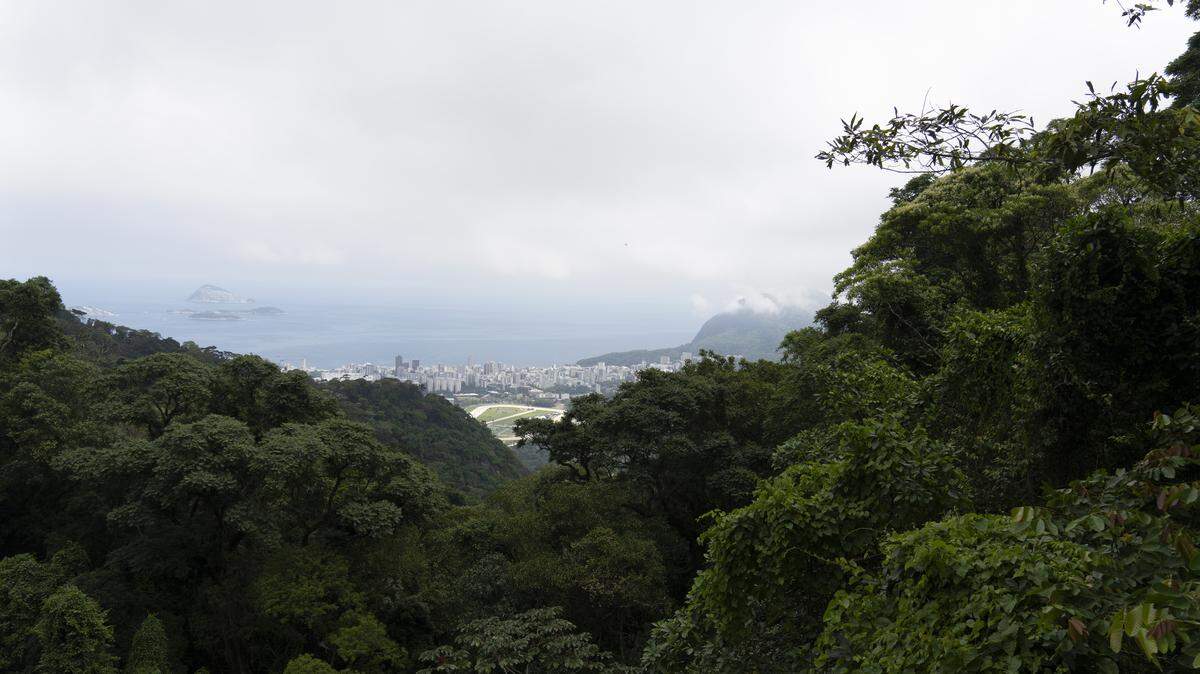
Two “lost species” not seen for decades have been rediscovered, hiding “in plain sight” in one of Brazil’s most populated regions.
Two rare trees known only from the Brazilian Atlantic Forest — Myrcia colpodes and Myrcia rubiginosa — were found during an expedition to Rio de Janeiro, according to an article published Nov. 5 in the journal Oryx.
Living specimens had not been officially recorded since 1958 and 2005, respectively, according to researchers.
But between 2021 and 2022, a team of scientists stumbled up the two species in sections of ancient forests that abut agriculture and tourist activity, the study said.
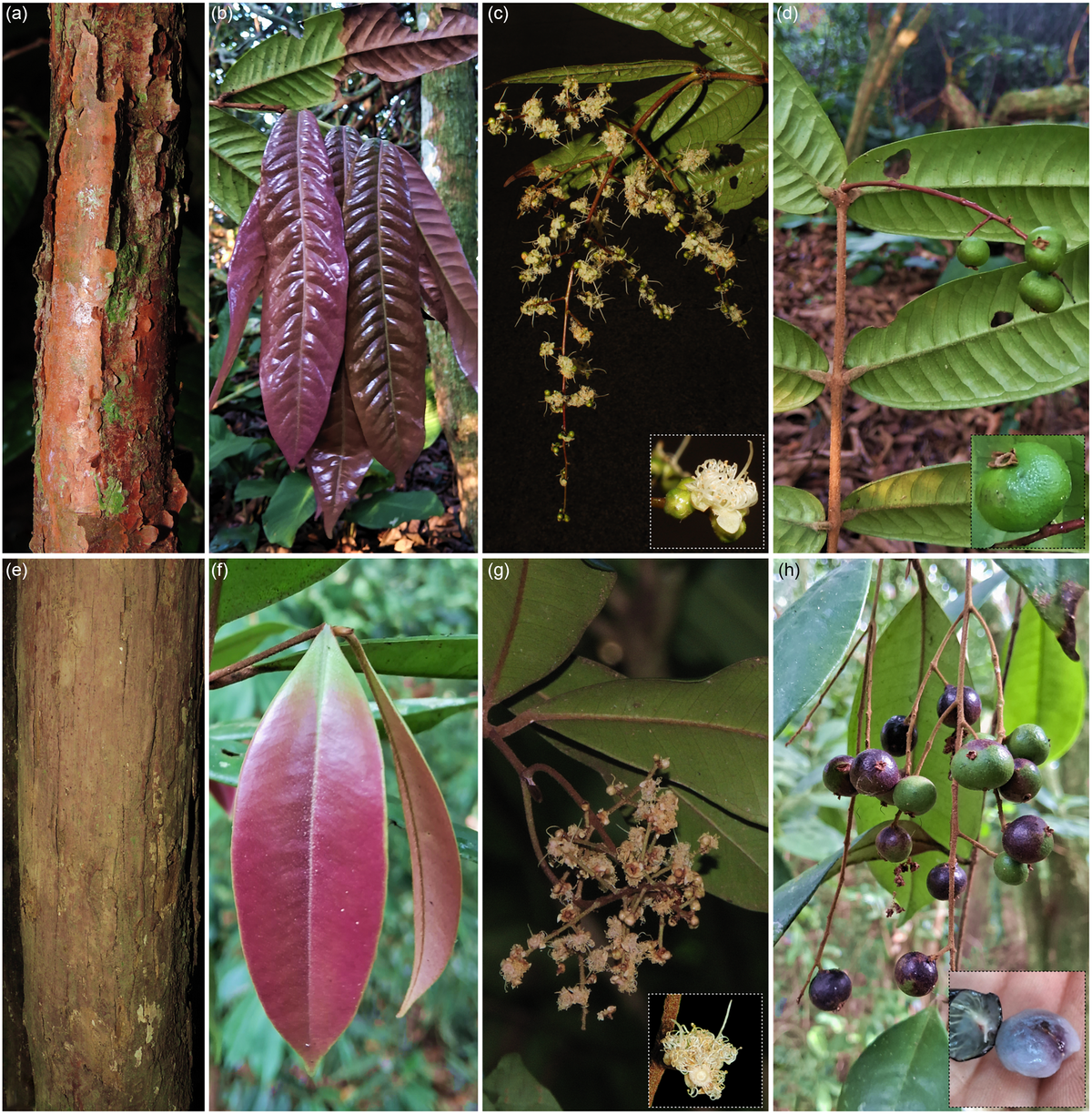
Two populations of five adult Myrcia colpodes were found in close proximity to farms and the tourist beach of Sacristia, according to the study. Despite being found in a protected area, researchers said they found “no physical delimitation, signage, or evidence of protective management” in the area.
The species is also threatened by the invasive Mauritius hemp plant, researchers said. Experts recommend the species be categorized as critically endangered.
Myrcia rubiginosa was rediscovered in a protected area in Niterói. The team found a population of 12 mature trees. A second population contained just one individual, according to the study.
Researchers reviewed collections housed in various herbariums and “found three additional samples of M. rubiginosa among misidentified plant material collected in this protected area in 1982, 2001 and 2005,” the study said.
The team also recorded the trees fruit for the first time, describing it as “purple berries with a sweet, whitish pulp.”
“Despite its occurrence within protected areas, the species faces threats from habitat fragmentation, urban development and wildfires,” researchers said, recommending the species be categorized as endangered.
Seed materials, fruits, and branches were carefully collected from the two species to not disturb the small populations’ natural reproduction capabilities. These materials will be used for conservation and propagation to keep the species from extinction, according to the study.
The research team included Thiago Fernandes, Davi Nepomuceno da Silva Machado, Carlos Daniel Miranda Ferreira, Thais Vasconcelos, Eve J. Lucas and João Marcelo Alvarenga Braga.
This story was originally published November 10, 2025 at 3:50 PM with the headline "‘Lost species’ not seen in decades found in ‘plain sight’ near tourist hotspot."