New cave species discovered ‘among diamonds’ in abandoned mining town in Brazil
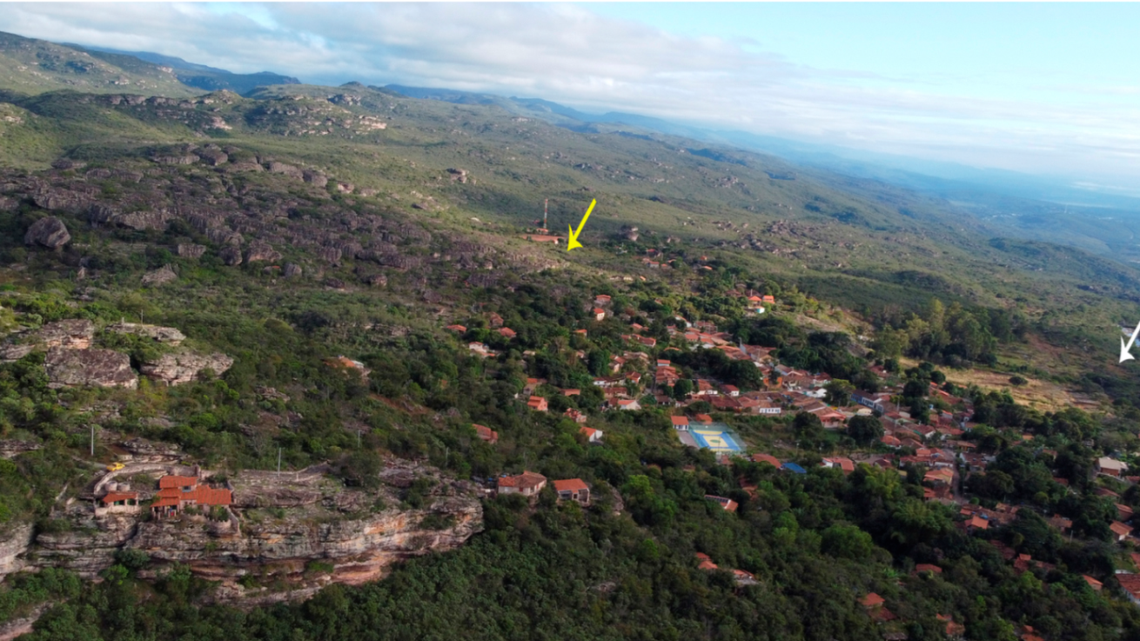
In the rugged mountains of northeastern Brazil, , a region long influenced by mining, something new and unusual was hidden in the darkness, according to researchers.
It was a new species of cricket, which researchers named Igatuia Cavernicola, meaning “cave dweller” in Latin, according to a study published Oct. 14 in the journal Taxonomy.
Igatuia Cavernicola, called “crickets among diamonds,” is found in only three quartzite caves in the Chapa Diamantina region, all of which “are subject to significant human impacts,” researchers said.

Population densities in the caves were relatively low, with individual crickets observed “sporadically” in the aphotic zone, where little to no light reaches, according to the study.
Since no historical records of the species exists in the region before the mining boom, researchers said it is “impossible to determine whether the observed low population densities reflect the species’ natural condition” or if it is the result of the “significant habitat alterations” due to mining activity.
According to researchers, the new species may be truly troglobitic, meaning it spends its entire life in the cave without ever leaving.
Although it lacks some physical hallmarks of a troglobitic species, such as reduced eye size and depigmentation, one of its most “notable features” is its very long legs — a trait associated with cave-dwelling species, according to the study.
According to the study, Igatuia Cavernicola likely plays an important role in its cave ecosystem by eating decomposing organic matter, thereby cycling nutrients and contributing to the habitat’s overall health and function.
It is likely a food source for cave predators as well, researchers said.
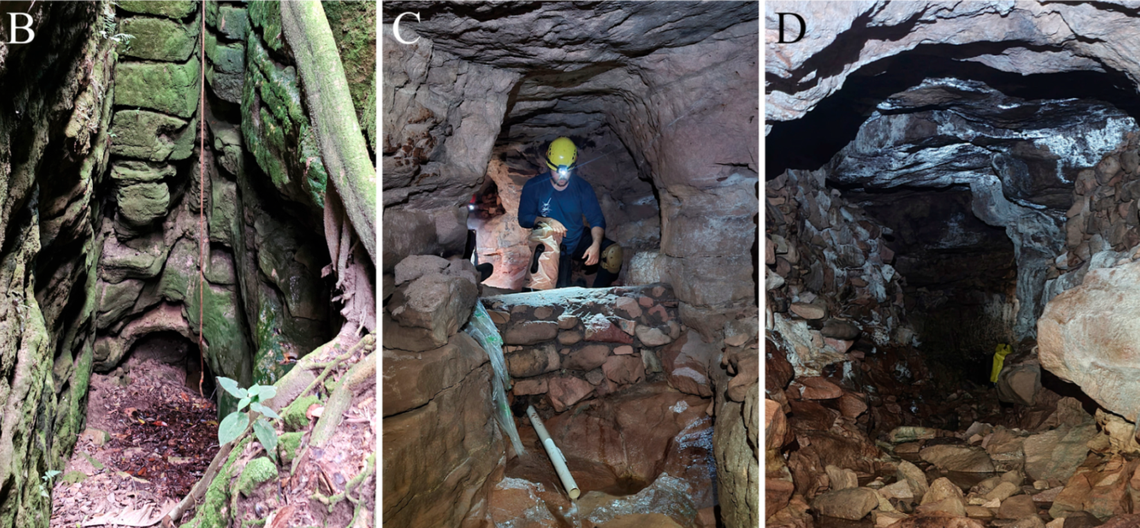
No surveys were conducted outside the cave, so the true extent of its habitat range is unknown, according to the study. However, “its occurrence exclusively in aphotic zones suggests” the species is, to some degree, adapted to cave living.
Igatu village, where the new species was discovered, saw “intensive diamond extraction” between 1846 and 1871, researchers said. At its peak, the village housed about 4,600 people.
When mining activity declined in the 20th century, the village’s population shrunk to fewer than 500 people, leaving abandoned buildings and mining infrastructure to haunt the landscape, according to the study.
The research team included Pedro H. Mendes-Carvalho, Marconi Souza-Silva and Rodrigo Lopes Ferreira.
This story was originally published October 17, 2025 at 9:34 AM with the headline "New cave species discovered ‘among diamonds’ in abandoned mining town in Brazil."