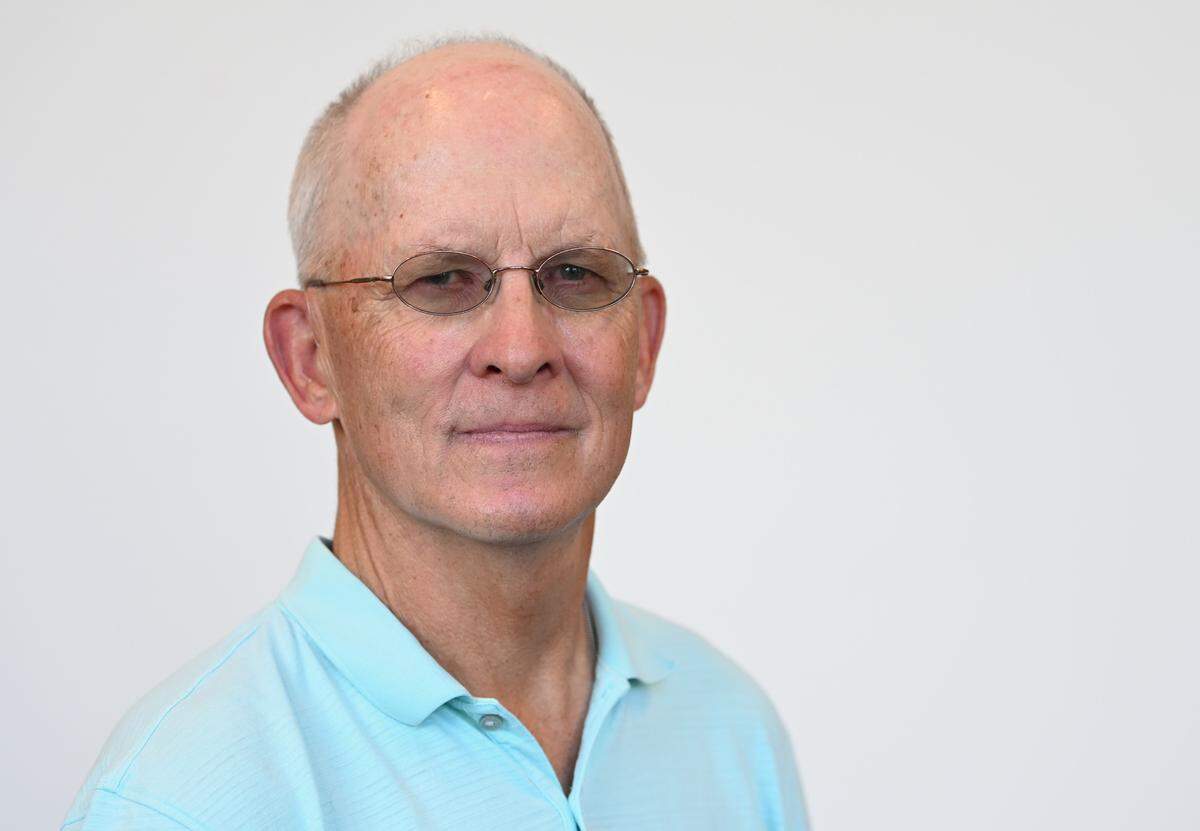
Wendell White, who led Charlotte into the ‘big leagues’ as city’s longtime manager, dies
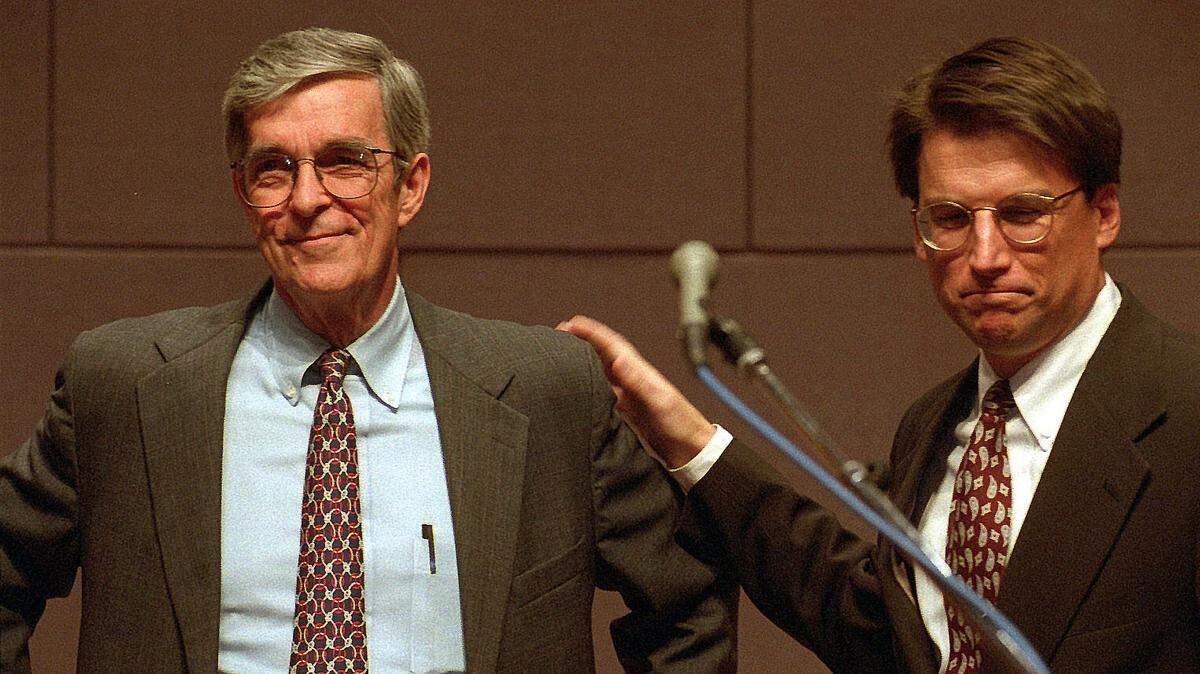
Former Charlotte City Manager Wendell White, who helped lead the city through a pivotal period of growth, change and modernization, died Thursday near Wrightsville Beach. White was 90.
Charlotte’s council-manager form of government dates back to 1929. No one has held the manager’s job longer than White. Few have had a comparable impact on the direction of the city.
White, a native of Charleston, W.Va., took over day-to-day control of the city’s government in 1981 and served until 1996 — an era of unprecedented growth for Charlotte economically, culturally and in national prominence.
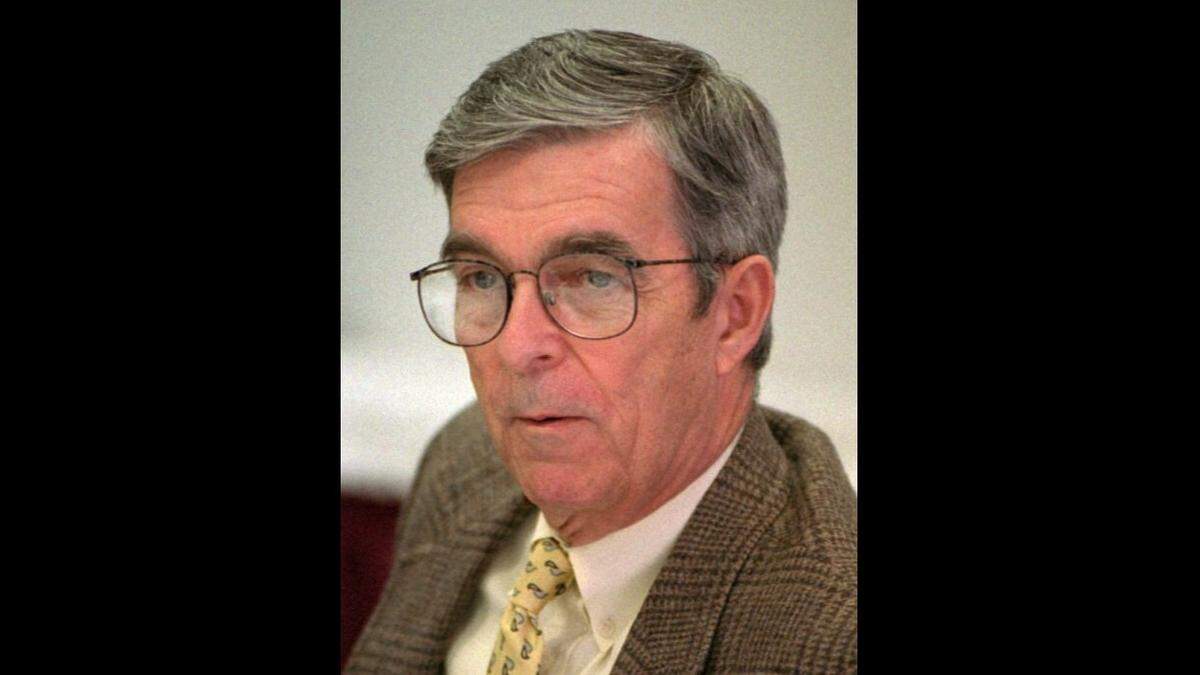
Throughout White’s tenure, Charlotte benefited from a unified corporate/political/civic vision of “can do” economic expansion, increasing sophistication and political moderation.
White was in the room when many of the decisions affecting the city’s future were made, working at times as closely with Charlotte’s behind-the scene corporate decision-makers as he did with the City Council.
Many of the best-known projects from that era were public-private partnerships, which White helped negotiate and put in place, says Rolfe Neill, the retired longtime publisher of The Charlotte Observer.
When the campaign to build Discovery Place fell $1 million short, Neill says the backers of the proposed science and technology museum for families took the problem directly to White.
“Tell you what,” Neill remembers White saying, “we’ll take half of it if y’all can raise the rest.”
Neill says he was stunned.
“I couldn’t imagine a city manager staking himself out like that without first consulting with his city council,” he said. “But he was just that kind of guy.
“A lot of people have this longevity thing going for them and they aren’t worth a damn. Wendell was a straight shooter. His word was his bond. He loved the city and he was just an outstanding public servant.”
‘Best city manager,’ Hugh McColl says
During White’s tenure, Charlotte almost doubled in population while fully emerging as a major international banking center. Through much of the same period, the city’s continued embrace of an integrated, countywide public school system made it a national role model for community engagement. Charlotte Douglas International Airport emerged as a major transportation hub.
Charlotte also added two top-tier sports teams — the NBA’s Charlotte Hornets in 1988 and the Carolina Panthers in 1993. The city hosted the NCAA’s Final Four college basketball tournament in 1994, erecting a temporary entertainment district along Tryon Street that predated by a decade or more what White eventually helped bring to Charlotte’s main drag.
White also stood shoulder-to-shoulder with history, working alongside Harvey Gantt, Charlotte’s first Black mayor, who was first elected two years after White’s arrival.
When Gantt and then-North Carolina National Bank CEO Hugh McColl began talking about building a destination central city in the early 1980s, they found a “remarkable partner” in the soft-spoken White, McColl says.
“He expedited so many things and played such a big role that it would be hard to pick one thing out,” McColl, the retired head of Bank of America, told the Observer on Monday.
“I believe he’s far and away the best city manager we’ve ever had, and we’ve had some good ones. He could see the big picture. He could see what was good for Charlotte. He was the key figure in everything we did in public-private cooperation because he would make it happen.”
By the time of White’s departure, political, economic and racial fractures were beginning to appear that served to decentralize the city’s decision-making and undermine what had been a shared agenda. Those fault lines deepened in 1999 when a federal court order dismantled the school system’s three-decade school desegregation effort, severing a major link between urban and suburban communities that had been weakening for years.
On most fronts, however, Charlotte continued to boom, which many attribute to the foundation that White and others put in place.
“Figuratively and metaphorically, we entered the big leagues,” said Richard Vinroot, who worked with White through much of his tenure, first as a City Council member and then as a two-term mayor.
“The truth of the matter is the mayor and council should get some credit for making some decisions. But Wendell set us up for success and coached us on what we should be considering. It was his job to see that the work got done. And, boy, did he do that. He was sterling in every respect.”
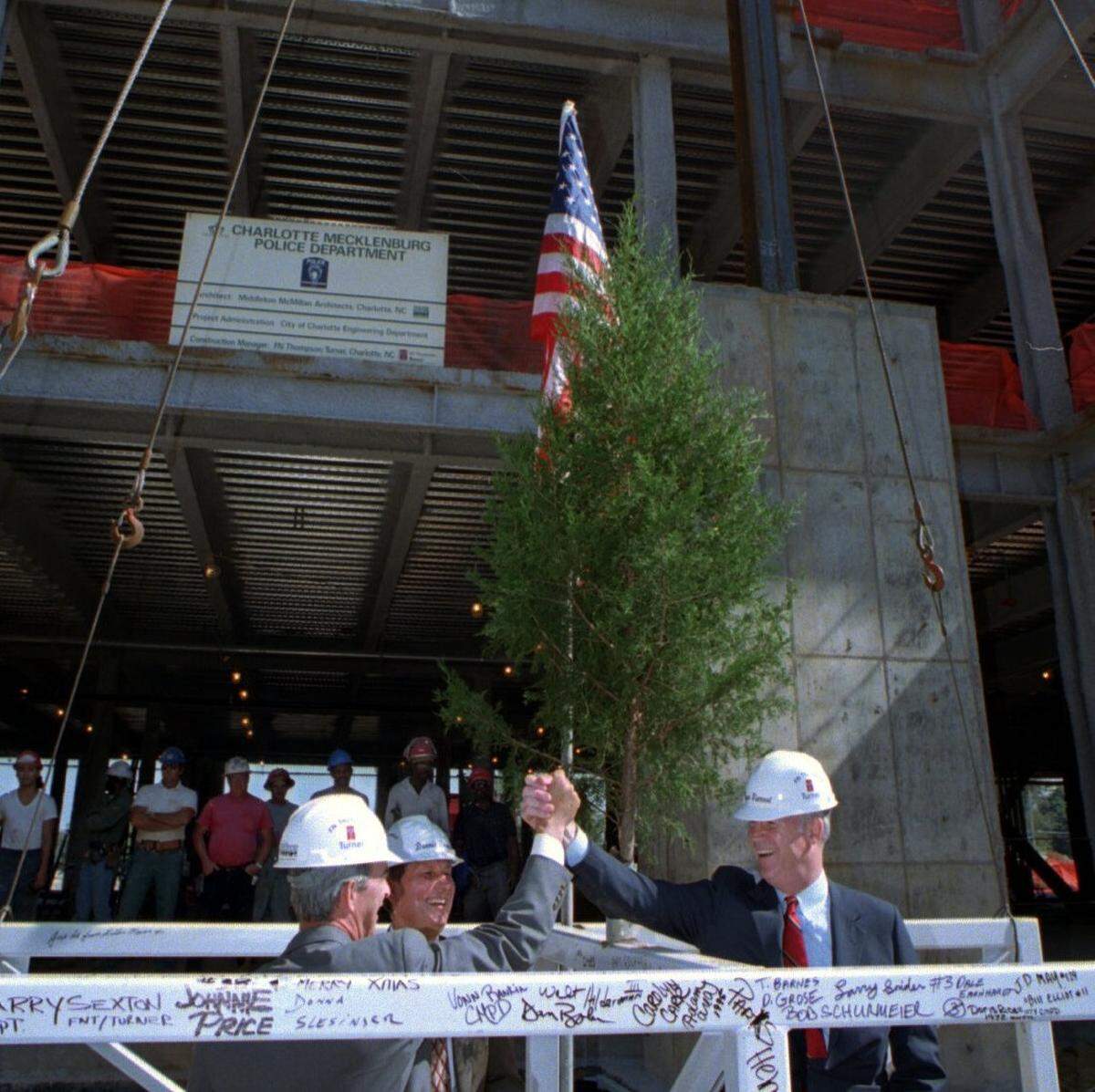
Charlotte stature, uptown skyline grew
White was born on Feb. 3, 1932. After two years in the U.S. Army, he graduated from Berea College, a liberal arts school in Kentucky, and later earned a master’s in public administration from Syracuse University.
He started his municipal-governance career in the tiny mountain town of Grundy, Va., where he served as city manager from 1959-61. He worked in Hampton, Va., for 20 years, first as a longtime assistant city manager before taking over the top administrative job for six years.
In Charlotte, he succeeded David Burkhalter and partnered with a who’s who list of Charlotte mayors, including Eddie Knox, Gantt, Sue Myrick, Vinroot and Pat McCrory.
As the city’s national stature grew so did its footprint. Under White’s watch, Charlotte added the Blumenthal Performing Arts Center, Discovery Place, the Convention Center, the old Charlotte Coliseum on Tyvola Road, the Transit Center, and what is now known as Bank of America Stadium for the Panthers.
White’s impact on the center city was dramatic. What had devolved into a glass and steel dead zone after dark has since become a residential, economic and entertainment magnet that has attracted tens of thousands of full-time residents.
The exploding property values also displaced those who could not afford the rising rents and property taxes. To that end, White helped develop what at the time was an aggressive low-income housing program — an area where, as with many big cities, Charlotte is still playing catch-up.
A mentor before retirement
After his departure from Charlotte, White joined the University of Virginia, where he worked in a mentoring program for future city managers.
He retired in 1997. White and Ruth Neely White, his spouse of 65 years, then settled in the Alleghany County mountains, south of the Virginia line near the Blue Ridge Parkway. The Whites moved to Wilmington in 2008.
White, known for his sense of humor, was a dedicated runner, and at 73 covered the 26.2-mile distance in a Berlin marathon.
Along with his wife, he is survived by four children and 13 grandchildren.
A celebration of life service was scheduled for 2 p.m. Monday, Sept. 19, at Carolina Beach Presbyterian Church. In lieu of flowers, donations may be made to Berea College, the Alzheimer’s Association or the church.
Throughout his partnership with White, when he says he attended frequent conferences and conventions, Vinroot says he often encountered a palpable “reverence” for Charlotte and its accomplishments.
“It was not only a reverence for what was happening here, it was also a reverence for the city manager,” Vinroot said. “We had the reputation of being a well-run city. Wendell made all of us look really good.”