Charlotte bus drivers vote to strike. What will it mean for 18,000 daily commuters?
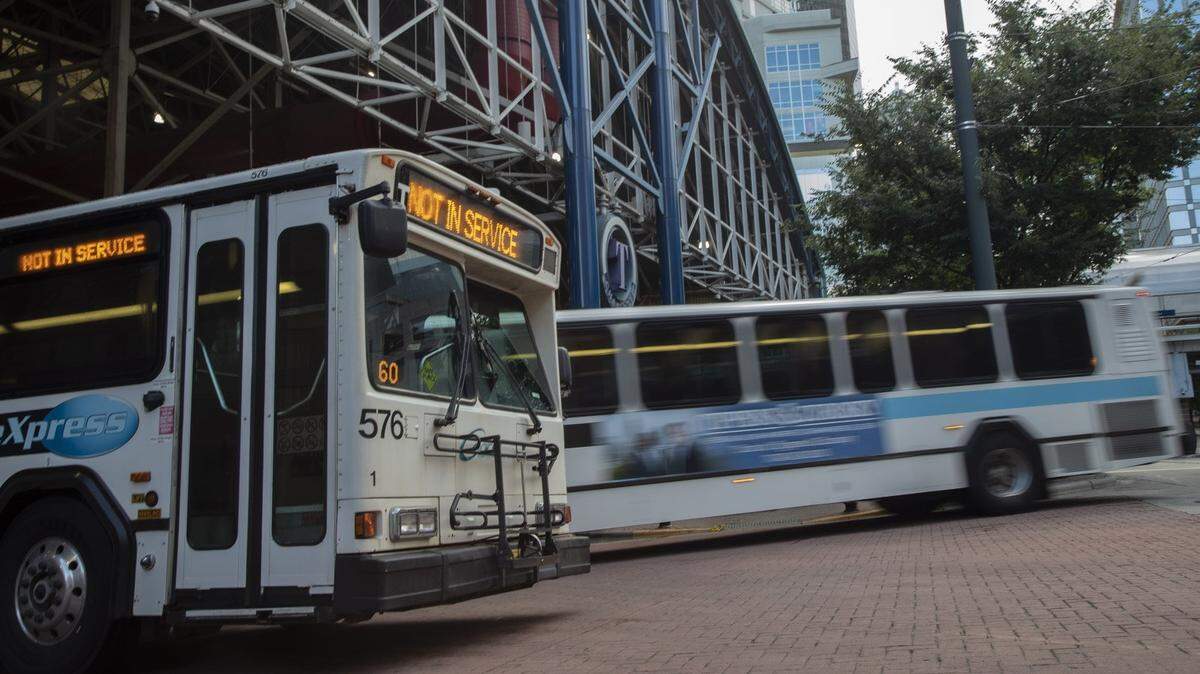
Charlotte bus drivers voted this weekend to go on strike.
The vote doesn’t mean employees will strike immediately, Charlotte Area Transit System spokesman Brandon Hunter said in an email. SMART Union, which represents CATS bus drivers, must file its strike vote with the Federal Mediation and Conciliation Services at least 30 days prior to a strike, Hunter said.
That hasn’t yet happened, a spokesperson for Federal Mediation and Conciliation Services told The Charlotte Observer Monday. SMART Union representatives on Monday did not immediately return a request for comment about its plans.
Hunter said CATS has contingency plans in place for continuing bus service if a strike becomes imminent, Hunter said. City employees did not expand on these contingency plans immediately Monday when asked.
Charlotte Mayor Pro Tem Braxton Winston urged both sides to continue negotiations and to keep the people of Charlotte at the front of mind.
Councilwoman Dante Anderson, vice chair of the city’s transportation planning committee, said the city is working to move forward but had no additional comment.
In September, Charlotte bus drivers rejected a contract to raise wages by $2 an hour and reduce the number of unexcused absences for drivers. Drivers rejected another contract in mid-December, but details of the second rejected contract aren’t clear.
Who would strike affect?
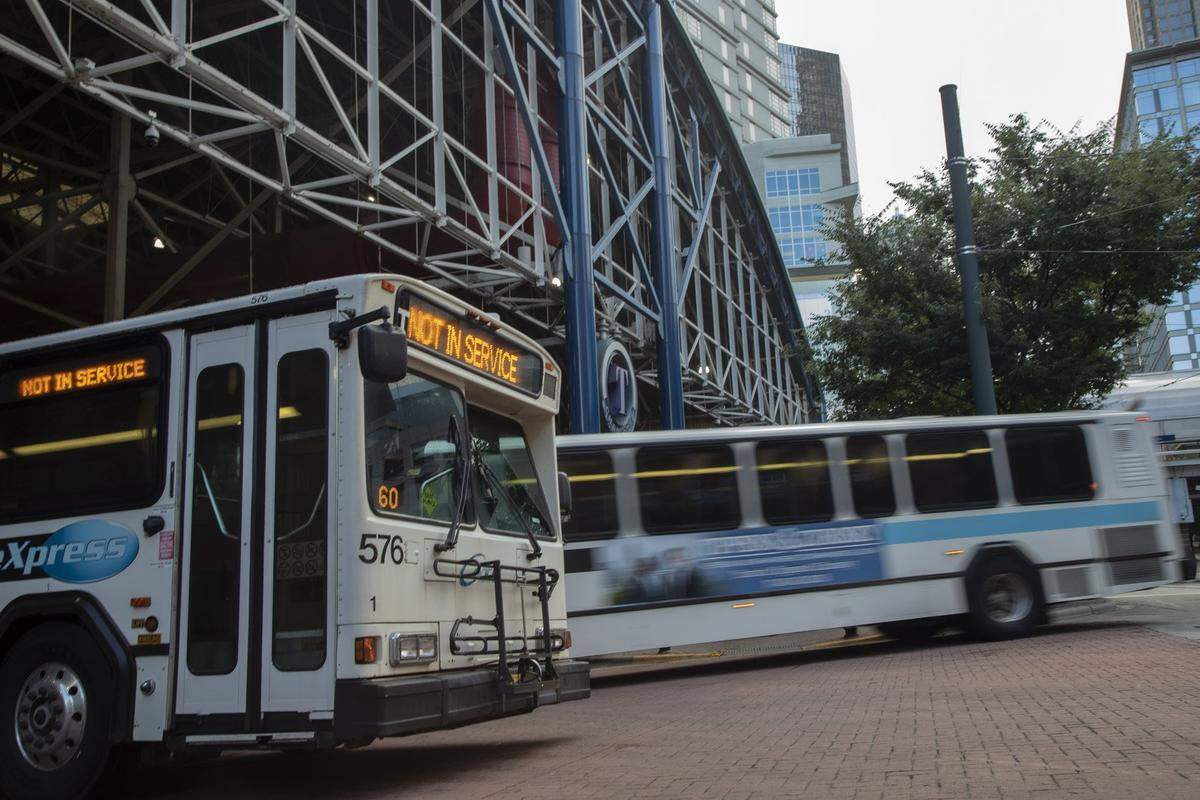
A strike would only affect bus riders, not light rail, street car or paratransit because those operators are city employees. Bus drivers are employed by RATP Dev, which maintains negotiations with SMART Union. Paratransit services are for people who cannot access regular routes because of a disability.
The most recent ridership report from a November meeting shows Charlotte buses move more than 18,000 Charlotteans on the average weekday. In October, the CATS Metropolitan Transit Commission reported almost 500,000 bus riders for the month.
RATP Dev, which employs 4,000 drivers across 18 states, did not immediately respond to a request for comment.
CATS union negotiations
The strike vote comes at a time when CATS is under scrutiny for reliability of service, safety threats to drivers and long-term planning woes.
Management Partners, a consultant company hired by CATS to conduct a review on the transit agency, found the organizational structure in need of an overhaul.
Employees told consultants there is no consensus to improve bus operations and that staff wants steps to be taken by management to address safety concerns, absenteeism and hiring, Management Partners revealed in a Dec. 12 report. Employees also said the current leadership and oversight needs change and middle management needs training and professional development.
A CATS driver’s starting wage is $18.77 an hour and they are allotted 10 unexcused absences, Hunter previously told the Observer.
Driver shortages led CATS to trim the frequency of some bus routes in summer. Vacant positions, employee absences, scheduled vacations and days off all affected transit system schedules, officials said.
Former CATS CEO John Lewis left the agency in November for a private sector job. Assistant City Manager Brent Cagle is serving as the interim chief while CATS undergoes a national search for a new CEO.