
How CATS can repair its broken trust in North Mecklenburg and get a ‘yes’ on transit tax
READ MORE
Trust in transit?
Charlotte plans transit expansions. But riders ask: Where’s the reliability?
Expand All
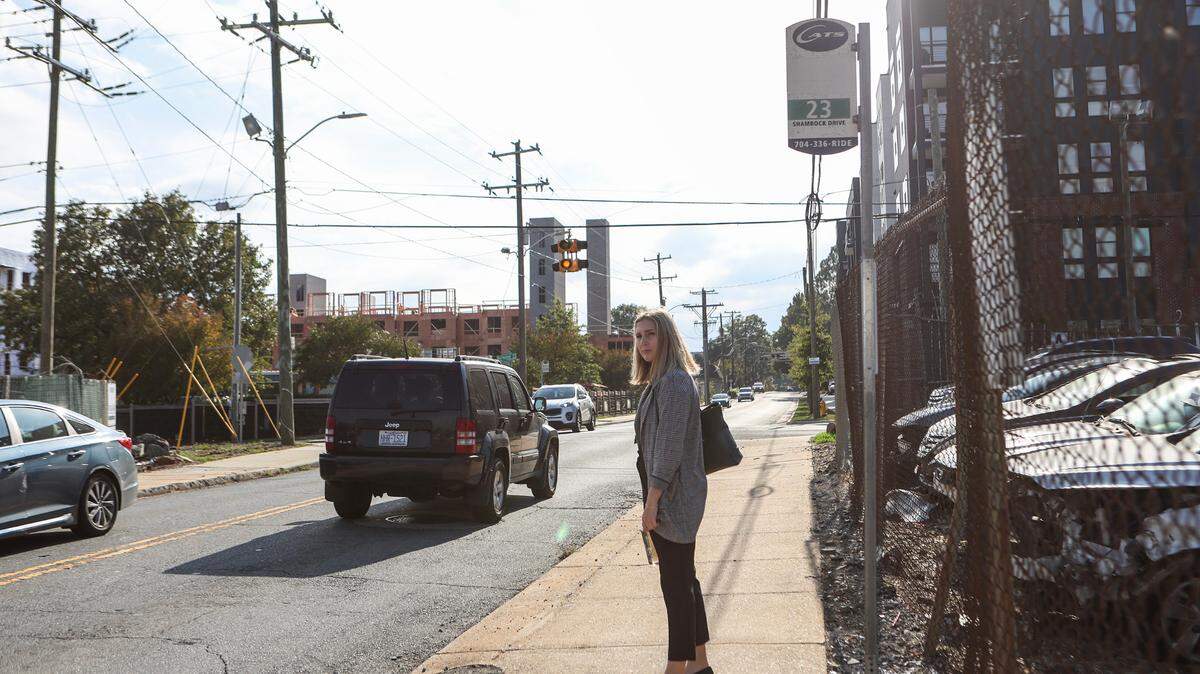
How transit-friendly is Charlotte? I (mostly) left my car parked for a week to find out

Charlotte plans transit expansions. But riders ask: Where’s the reliability?
Here are 3 ways Charlotte found that could improve its transportation connections
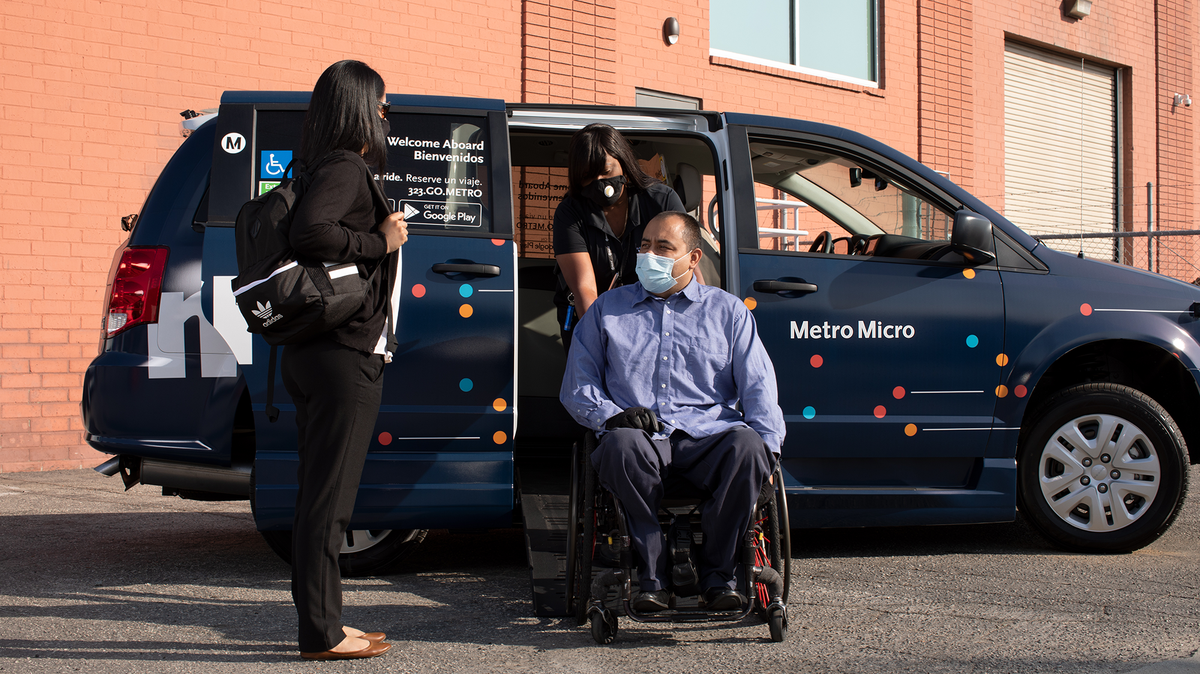
CATS wants on-demand rides to replace some transit routes. Are LA, Philly good examples?
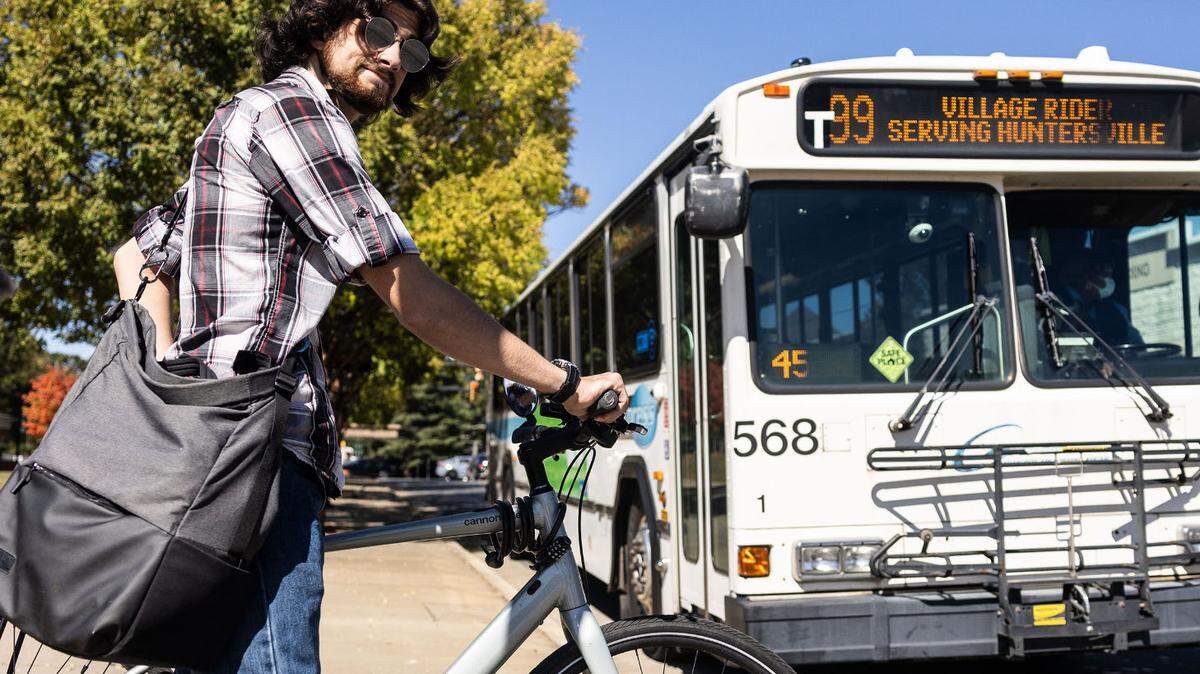
How CATS can repair its broken trust in North Mecklenburg and get a ‘yes’ on transit tax
Charlotte Area Transit System, city and county officials are moving forward with a simple plan to support a bold goal: Turning our half-cent transit tax to a full cent, to enable a city and region connected by fast, comfortable and efficient rail. The next step is the new Silver Line, set to run from Matthews to the airport.
This goal is critical to solving traffic congestion, housing prices and keeping our economy strong. This tax needs approval by all the towns as well as the city, and there’s one big roadblock: North Mecklenburg; the towns of Davidson, Cornelius and Huntersville. Most taxpayers I have spoken to lean hard against the increase, even when informed on the goals.
With a long history of poorly supported or outright broken promises, it’s difficult for us to support improving distant sections of Charlotte without CATs throwing us a bone. Today I want to describe my proposal for said bone, in the form of a cheap, interim replacement service.
To understand North Meck’s resistance, we have to look back to the 1990 rail plan. The goal was to create a handful of corridors to connect the county efficiently:
▪ LYNX Blue Line, light rail for the North/South corridor, Montclair to UNCC
▪ CityLYNX Gold Line, reviving one of Charlotte’s old streetcar lines
▪ LYNX Red Line, diesel commuter rail to Mooresville along the O-Line
▪ LYNX Silver Line, originally a Bus Rapid Transit (BRT) service for the East/West corridor, airport to Matthews, now envisioned as light rail
While the tax is focused on the Silver Line, we’ll focus on the Red Line and how to replace it faster and cheaper. Mentioning this project to any long-term North Meck resident invites groans and grumbles.
While the Red Line’s real story is a complicated knot of jurisdiction, funding and an inherited 100-year lease, most residents believe CATS management and city leadership collected 20 years of taxes and left them out to dry.
Here’s what CATS provided in the meantime:
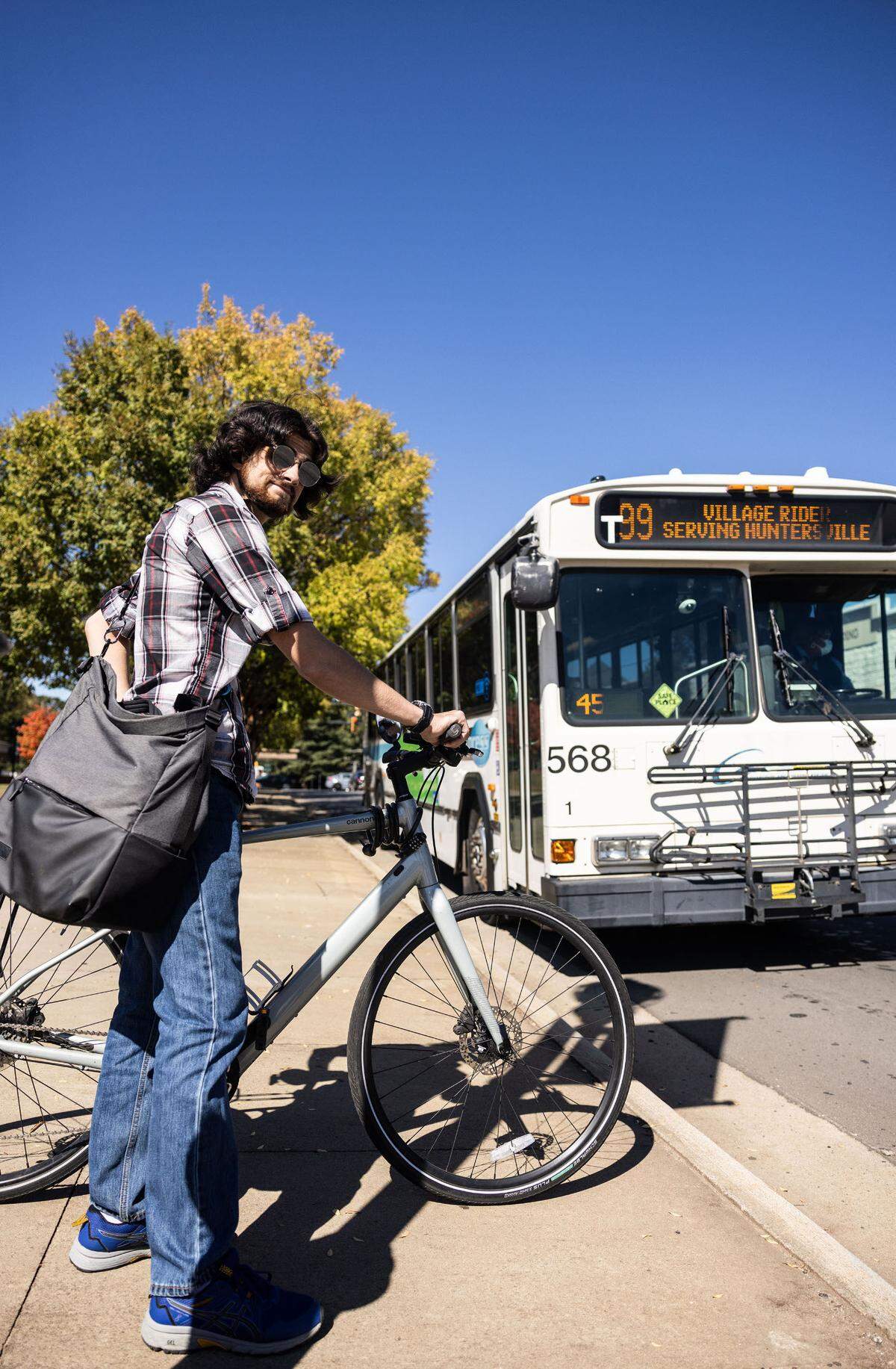
▪ The Village Riders: Two 90¢ routes stretching from Davidson’s dense Main Street, down to the Bryton Walmart and Northlake Mall. The two routes use three numbers, the 97, 98 and 99, running hourly from 9 a.m. to 6 p.m., and offer a call-in system for picking up outside of their fixed stops. They’re supplemented by the 290 Davidson Shuttle, another 90¢ route connecting neighborhoods along Concord Road.
▪ MetroRapid BRT offers excellent speeds and comfort for commuters looking to avoid traffic, parking fees or vehicle risks, for $3 each way — far cheaper than Preferred Parking’s rates. Currently operating at reduced schedules due to impacts from COVID-19, their all-day service will also provide moderate town-to-town connections once restored. If you work in or near uptown, check if your employer offers passes.
With such big promises made to taxpayers, the simple question is if these efforts have been enough. Enough to help with traffic, enough for people to get to work, to parks, to stores.
The answer?
A resounding NO. Requesting more in these conditions is a bad joke.
This isn’t entirely for a lack of effort. There are real, substantive challenges to local service, but that isn’t the source of the pain. The MetroRapid service uses Park and Ride facilities, with Interstate 77 express lanes, to move riders at an excellent pace.
It performs the function of commuter transit, and was implemented as a stopgap for the Red Line. It does not, however, fill the other, equally important function of the Red Line: promoting and servicing high-quality development along the N.C.-115/O-Line corridor.
By moving the access west, to I-77, and requiring passengers to drive to their public transportation, the MetroRapid falls short.
My proposal today is a cost-effective way to bridge that gap and show even the most inattentive taxpayer they are getting something for their money. To rebuild trust with and better serve the North Meck communities, CATS should create the “LYNX Red Line Rail Replacement,” a bus route along NC-115, from Mooresville to Charlotte, with the same stop locations they intend to use for the train.
This service should use buses that are 29’ GILLIG commuter models, painted bright red to distinguish them from the rest of CATS’ fleet and to highlight their role while attracting attention.
The reason this is the correct service to rebuild trust is simple: Since the announcement of the plan, all three towns have made an abundance of zoning, development and infrastructure plans that depend on having service on that corridor. Local business leaders, property owners and developers have all been sold on a corridor with far more utility than it has been given. Mooresville is still lacking any meaningful connection with Mecklenburg’s transit.
From coffee shops to apartments, bars to barber shops, North Mecklenburg’s taxpayers deserve more.
To anyone asking for more taxes without more services, well, as we say in the South, bless your heart.
Chris Wallace can be reached at cmwallace105@gmail.com.
This story was originally published November 17, 2022 at 6:00 AM.