CATS wants on-demand rides to replace some transit routes. Are LA, Philly good examples?
READ MORE
Trust in transit?
Charlotte plans transit expansions. But riders ask: Where’s the reliability?
Expand All
How transit-friendly is Charlotte? I (mostly) left my car parked for a week to find out

Charlotte plans transit expansions. But riders ask: Where’s the reliability?
Here are 3 ways Charlotte found that could improve its transportation connections
CATS wants on-demand rides to replace some transit routes. Are LA, Philly good examples?
How CATS can repair its broken trust in North Mecklenburg and get a ‘yes’ on transit tax
At the Los Angeles International Airport, travelers might look twice when vehicles like Amazon delivery vans enter the drop off or pick up line.
But the vans aren’t delivering packages. And soon, the Charlotte Area Transit System will offer something similar in two spots in Mecklenburg County.
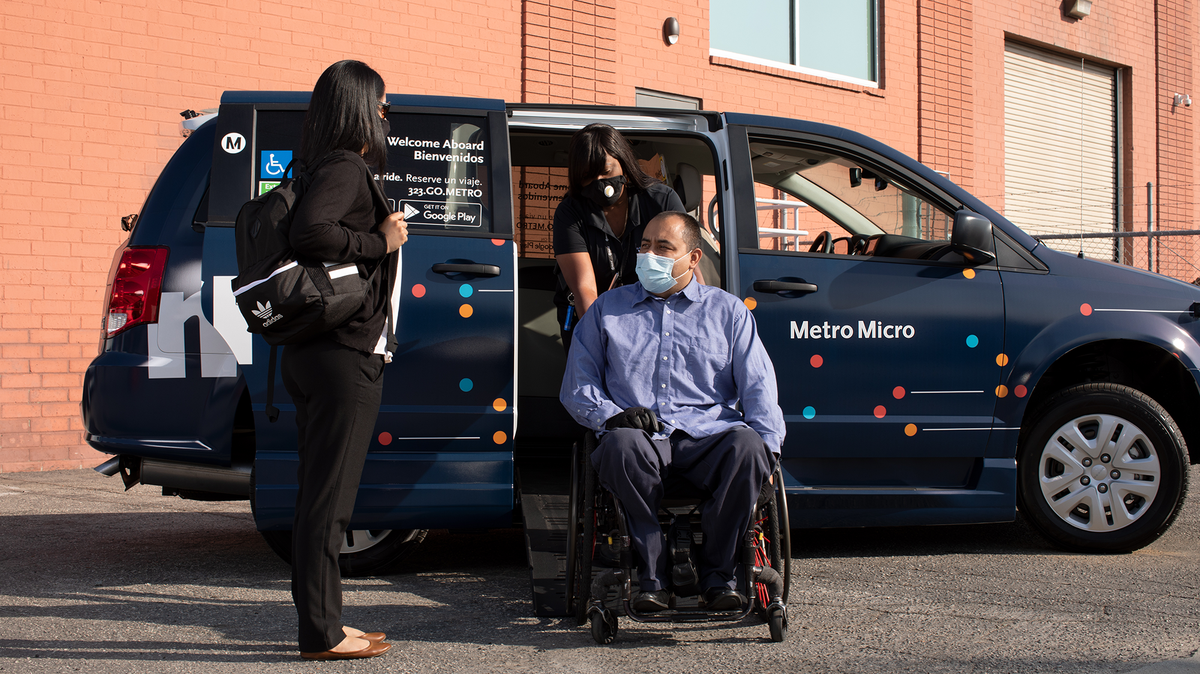
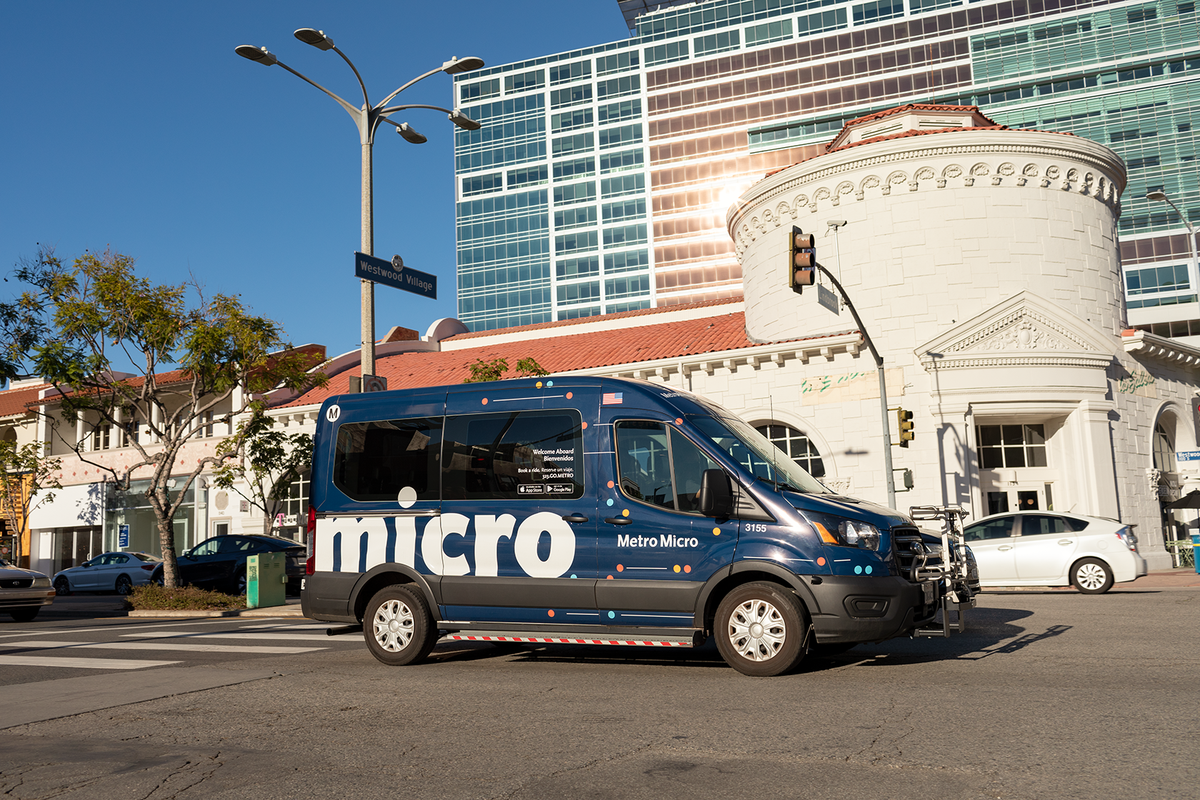
Airport shift workers can use an app or call LA Metro to book a ride to get to work for just $1. The pilot program is serving eight zones across 165 miles. Bus service isn’t as frequent in these zones, and the pilot program has filled a need for shift workers, after-school trips and those with medical needs, said LA’s Metro Micro founder Rani Narula-Woods. Metro Micro is the largest publicly operated ride-share service in the U.S.
“It’s not that we anticipate, as a public transit operator, that these trips are intended to replace bus trips, though sometimes they might,” Narula-Woods said. “It’s not intended that they replace rail trips, but sometimes they might.”
Over the past year, CATS held public meetings to get feedback on a potential microtransit program for Mecklenburg County.
It floated ideas for shuttles people call or schedule through an app, similar to Los Angeles’ program. CATS considered partnering with companies such as Uber and Lyft to supplement existing bus service, taking riders the first or last mile to or from transit stops.

CATS bus ridership peaked in 2013 and persistently dropped in the following years, but it can’t all be attributed to the pandemic. In 2019, the last pre-COVID year, CATS had 14.5 million bus riders. That’s about the same as 2002, when the city was home to almost 300,000 fewer residents.
“A 40-foot transit bus cannot be the only solution for mobility in every neighborhood,” said outgoing CATS Chief Executive John Lewis at a Charlotte City Council transportation committee meeting earlier this year.
Lewis’ last day in his role is Nov. 30. Interim CEO Brent Cagle hasn’t spoken about his opinion on microtransit and CATS didn’t make him available for an interview.
What we know about Charlotte’s microtransit program
CATS plans to implement microtransit in two phases. Plans will be finalized after conducting a study on best practices for service and setting fares.
Phase one is planned for early 2023 in the University and North End areas with small CATS vehicles and third-party companies like Uber and Lyft to serve as a first mile, last mile service.
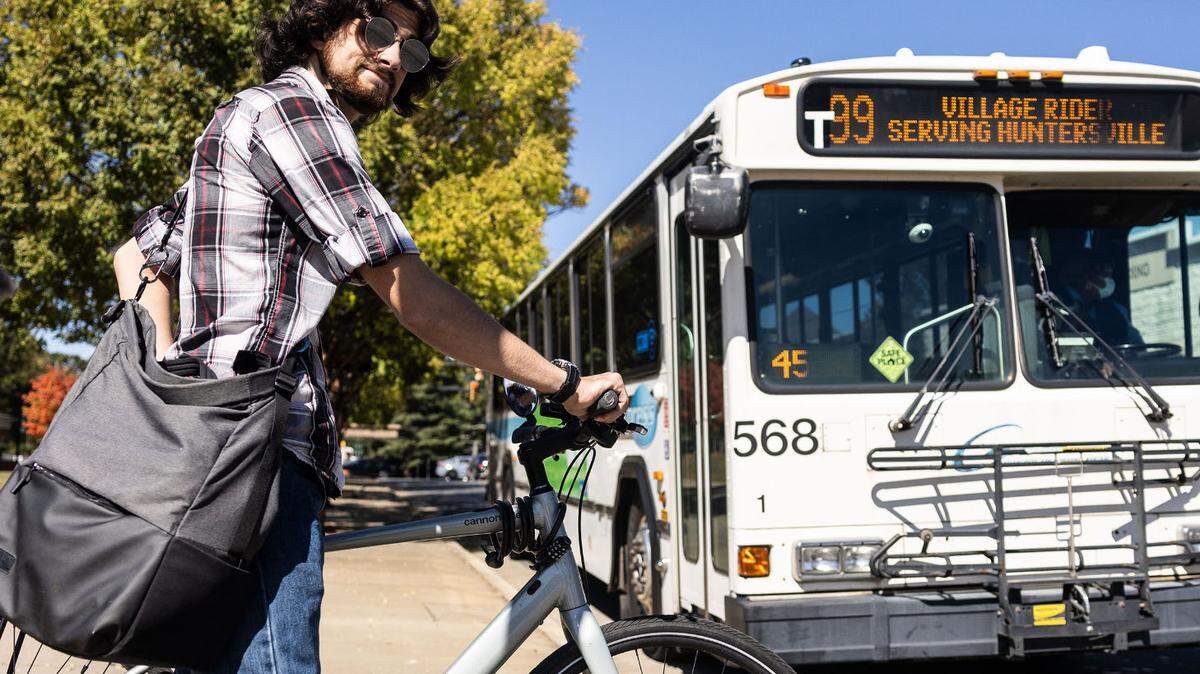
Phase two will replace the Village Rider network (routes 97, 98 and 99) and Route 290 in Davidson with on-demand service provided by a contracted operator that will provide vehicles and drivers. It’s planned for mid 2023.
CATS plans to incrementally increase the amount of zones across the county after pilot programs. Passengers can use the CATS app to book on-demand rides.
CATS hopes to keep microtransit fares at $2.20 — the same price as a standard local ride — and significantly cheaper than an on-demand Uber or Lyft that typically costs $8 to $30.
Huntersville Mayor Melinda Bales said she’ll wait to share an opinion on microtransit replacing the Village Rider network.
“We need to see how that’s going to work and how’s it going to be implemented,” Bales said. “As the north end of the county continues to grow, being able to have a variety of options for transit is important.”
Lessons from Philadelphia microtransit
Philadelphia’s transit authority created an on demand microtransit program in May 2021 called Owl Link, but it didn’t last a year.
Philadelphia transit workers filed an unfair labor practice complaint during pilot program, claiming The Southeastern Pennsylvania Transportation Authority violated state law when it hired a private company to operate its shuttle buses, said Cassandra West, the authority’s director of customized transit.
SEPTA’s Owl Link page now says: “Effective Saturday, February February 12 at 6am, SEPTA will discontinue the Owl Link Pilot. Thank you for riding with us over the last six months.”
Philadelphia is trying to host the program in-house, keeping union workers happy. Customers liked the program, West said. Marketing and outreach will be important as the program determines how to move forward, she said.
West’s advice for Charlotte?
“Never try to start an employee-based service during the Great Resignation,” she said.
It’s not clear whether or how CATS, which has already experienced hiring trouble, plans to recruit additional labor to drive on-demand vehicles.
In August, CATS removed trips on some bus routes. On others, it made temporary bus and rail service changes due largely to driver vacancies and lack of staffing during certain times.
The transit system is also in the midst of negotiations with SMART Union, which represents CATS drivers. In September, drivers rejected a contract raising starting wages by $2 an hour but reducing the number of allowed unexcused absences drivers.
A million microtransit riders
Los Angeles found its customers like the program, Metro Micro. Since its launch, customers have rated it 4.8 out of 5 stars, Narula-Woods said.
Keeping up with demand is the main issue.
“Frankly, we just have demand at levels we couldn’t imagine,” she said.
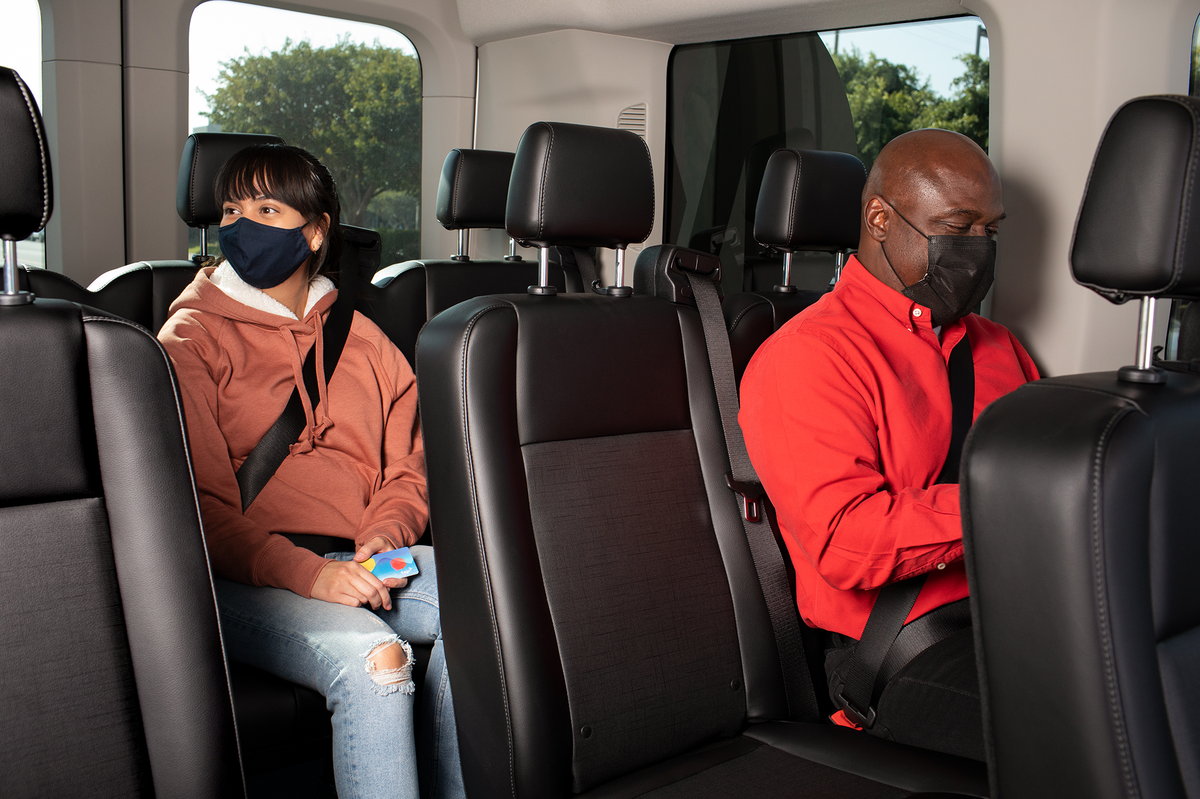
Micro Metro is on track to reach a million boardings by January and LA Metro is developing software to maximize trip efficiency, Narula-Woods said. The program began in December 2020.
Customer experience and boardings aren’t the only way to measure success of the program, she said. LA Metro also considers workforce retention. Many of their drivers were previously Amazon, Uber and Lyft drivers.
“They see this not only as a good job but as a career pathway to the larger agency,” Narula-Woods said.
This story was originally published November 17, 2022 at 6:00 AM.