Emergency COVID food funds set to expire. Will it affect your wallet?
A COVID-19 relief benefit given to some 900,000 households in North Carolina is ending after Tuesday and will have an immediate impact on their wallets.
An emergency boost in Supplemental Nutritional Assistance Program benefits for low-income individuals and families, also known as SNAP, Food Nutrition Services or food stamps, will stop due to Congress’ passage of a $1.7 trillion budget bill.
“I had no idea,” exclaimed Lindsay Brown, a SNAP recipient, reached by phone Thursday afternoon.
The 74-year-old Charlotte resident has had issues with communication about her benefits in the past, and finding out she was set to lose at least $95 a month was no exception. According to the North Carolina Department of Health and Human Services, the average person on the program will be cut from $8.12 to $5.45 per day.
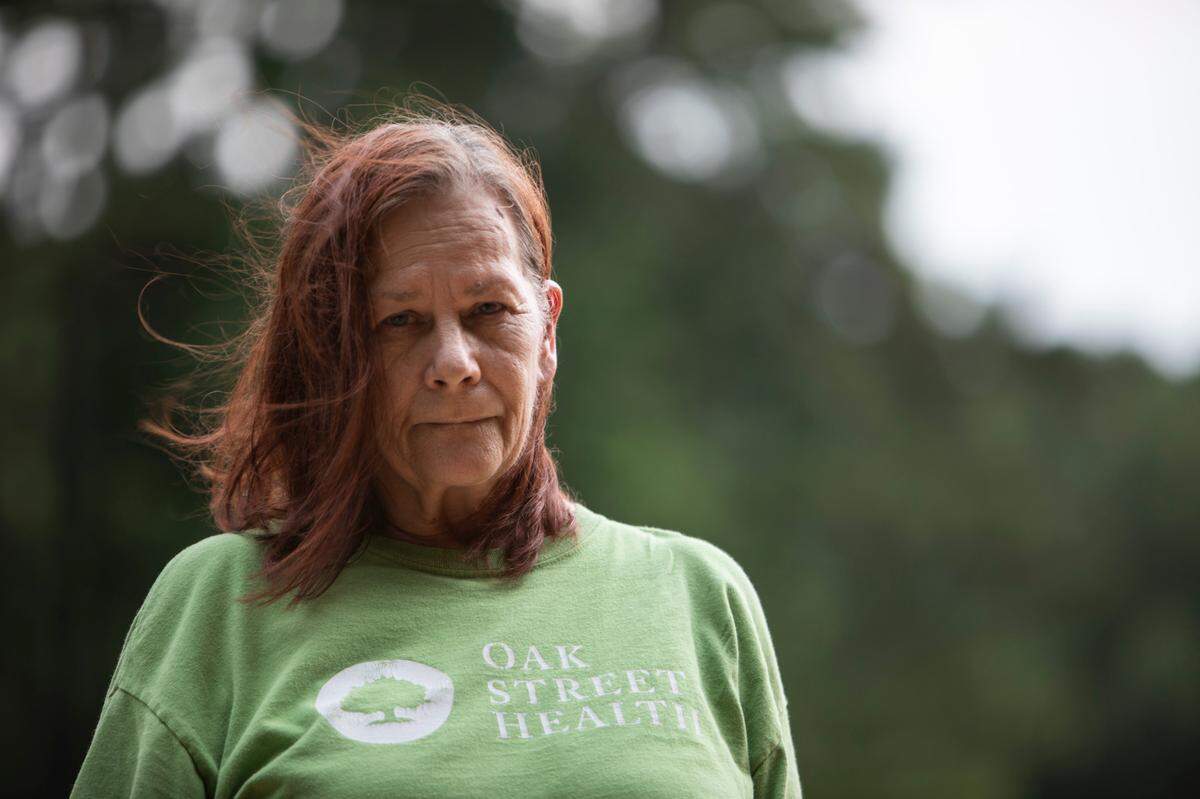
Brown said she’s concerned about losing the extra money, especially knowing the price of groceries are rising. However, she considers herself lucky compared to some. Brown lives with extended family who are her safety nets. She also receives $302 a month from the Healthy Benefits Plus program, to cover healthy food and prescriptions she purchases.
“It’s the children who really suffer,” Brown said.
READ MORE: Emergency SNAP benefits end March 1. Here’s what you need to know and who can help.
Families struggle
Jessica Burroughs, the North Carolina Hunger and Food Insecurity campaign director at MomsRising, said families do not know what they’re going to do.

“We’re hearing from parents across North Carolina, and across the country who are literally terrified about how they’ll feed their families when these funds expire,” Burroughs said. “And these families are already under a huge strain because of the rapidly rising cost of food, housing, child care and other essential and ongoing impacts of the pandemic.”
Families already struggled to stretch their SNAP benefits, Burroughs said. Now they worry they will have to cut out nutritious items for cheaper, processed foods.
She challenged everyone to eat using only $6 a day. Families also are telling her they’ll have to lean heavily on food pantries — which also are being stretched thin.
Cassidy Estes-Rogers, senior attorney at Charlotte Center for Legal Advocacy, said families should contact their local Department of Social Services to report any recent changes that could otherwise affect their SNAP benefits. This includes a change in income due to a job loss or reduced work hours, increase in rent, or an increase in child care, she said.
Recipients can not appeal the loss of the relief benefit, she said. But if someone thinks their normal benefit has not been calculated accurately they should appeal, she said.
“At the end of the day it’s a loss of money to the economy and a loss of food security in households,” Estes-Rogers said. “It will also have an impact on our nonprofit, food security organizations.”
What now?
Kathryn Thompson, economics benefits assistant division director for the Wake County Division of Human Services, said as of Feb. 24, 813,076 people were enrolled statewide in the SNAP program.
During the last three years, the SNAP program also stopped requiring its recipients to be certified annually for benefits, but that process is restarting in April.
Thompson encourages people to make sure they’re checking their mailboxes and that their local social service agency has their current contact information so they can retain their benefits.
Thompson also encouraged people to take advantage of any other programs they’re eligible for, such as the Women, Infants and Children or WIC program, a special supplemental nutrition program offered to low-income pregnant, breastfeeding and postpartum women and infants and children up to age 5 who are at nutritional risk.
“I think we find sometimes there’s people on Food Nutrition Services assistance that may also be eligible or might be eligible for WIC and they don’t know that,” Thompson said.
To find other resources she suggests visiting nc211.org or calling 211 by phone. Both provide a network of resources available to those in need of help with food, including federal programs, community organizations, churches and food banks.
Nonprofits brace for change
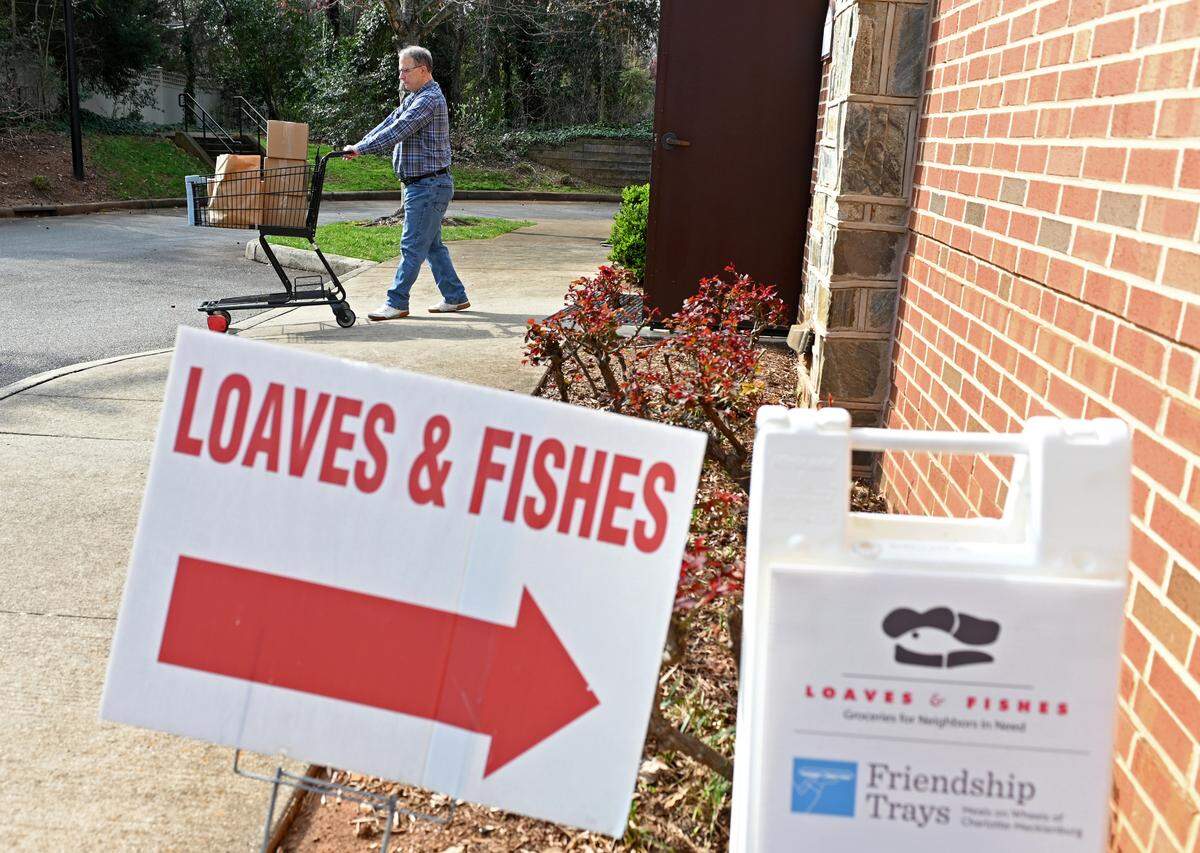
Tina Postel, executive director of Loaves & Fishes/Friendship Trays, a Charlotte-based nonprofit, said her organization is already seeing an increase in need. The end of the relief benefit comes as food insecurity has worsened since the start of the pandemic, she said.
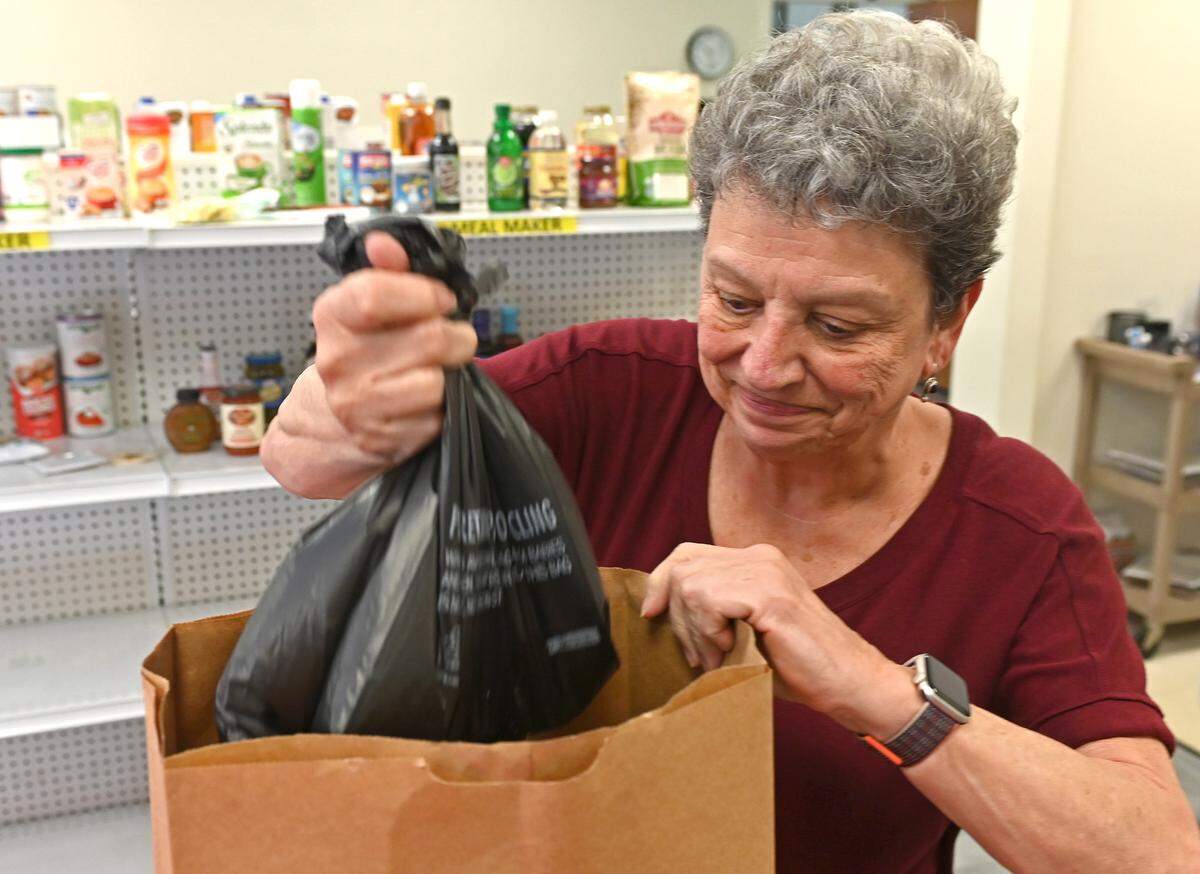
Last year the nonprofit fed 106,000 individuals, up from 77,000 in 2021, she said. In January, it served 9,725 people, shattering the monthly high of 9,145 in the previous year, Postel said. Nonprofits are there for support, but it will take a community effort to assist families through the change, she added.
“We’re bracing for the worst,” Postel said. “We have a plentiful warehouse, but we’ll burn through that really fast if the need continues to stay high or even increase due to the lack of this emergency allocation.”
The end of the additional funds also comes amid a growing and delayed demand. It’s a familiar trend seen by her nonprofit, Postel said. In her organization’s 48-year history they saw soaring numbers of food insecurity in 2012, four years after the 2008 financial crisis.
“After you experience a pandemic or recession, people bounce back,” Postel said. “But for those who do not make a liveable wage or live on the margins, their economic recovery takes much longer.”
Why did this happen?
Initially the emergency supplements were intended to continue as long as the country remained under a public health emergency. But last year, during federal budget negotiations, Congress voted to end the program early.
“Unfortunately, during last year’s omnibus negotiations Republican budget constraints pitted extra FNS (SNAP) benefits against summer school lunches,” said Rep. Alma Adams, a Democrat from Charlotte.
Congress chose to keep food in schools over the additional SNAP benefits.
Democrats tweeted about the cuts Thursday.
“SNAP is the most effective tool we have for fighting hunger,” wrote Rep. Kathy Manning, a Democrat from Greensboro. “66% of SNAP participants are families with children. I won’t stand by while House Republicans try to take away nutrition assistance from hungry families. #DefendSNAP.”
Despite the budget bill, President Joe Biden announced earlier this month he would end the public health emergency effective May 11.
Burroughs, who sent Adams a letter with testimony from many families impacted by the cuts, said MomsRising is advocating for Congress to pass permanent improvements to SNAP and other federal nutrition programs. The organization is looking to state and local governments to help supplement federal SNAP benefits and connect families to additional resources and streamline administrative processes.
National problem
Ending the additional benefits impacts 41 million Americans participating in the SNAP program, though 17 states ended the program before March.
And the program doesn’t just impact those needing hunger assistance. Burroughs said for every $5 in SNAP funding, $9 is generated in the local economy.
Susan Gale Perry, chief deputy secretary for opportunity and well-being at NCDHHS, said in a news release that families needed the additional benefits to get healthy and nutritious food throughout the pandemic.
“While FNS emergency payments are ending, the need is not,” Gale Perry said. “We will continue to prioritize food security for all North Carolinians.”
Adams said now isn’t the time to reduce food benefits for hungry families.
“Hunger is still a crisis in the United States, and food security is one of my top priorities,” Adams said. “This year, I will reintroduce the Closing the Meal Gap Act to continue to increase SNAP benefits for American families, and help nutrition programs keep up with the cost of groceries.
“No one — not our seniors, not our families, and not our children — should go hungry in the greatest country in the world.”
This story was originally published February 27, 2023 at 12:31 PM.