
Budget, taxes, marijuana and more are on the to-do list as NC legislature winds down
The clock is ticking on North Carolina’s legislative session. While there’s no set time to adjourn, it usually ends around the time that the General Assembly passes a state budget, and the fiscal year starts on July 1.
House and Senate Republican budget leaders are at an impasse over how much to cut taxes and how to spend money in reserves. Not much movement has been made in the past week, so budget negotiations could last a few more weeks, into July.
The stakes are high. A Medicaid expansion law doesn’t go into effect until the budget is passed. The state budget includes raises for tens of thousands of state employees and teachers each year.
In the meantime, the session is winding down, so the time is now to pass any remaining legislative priorities.
Republicans have had a freer hand this session, especially since Rep. Tricia Cotham switched parties in April and gave them a veto-proof supermajority. They’ve passed major abortion and gun legislation. Now they are in the last few weeks of passing laws.
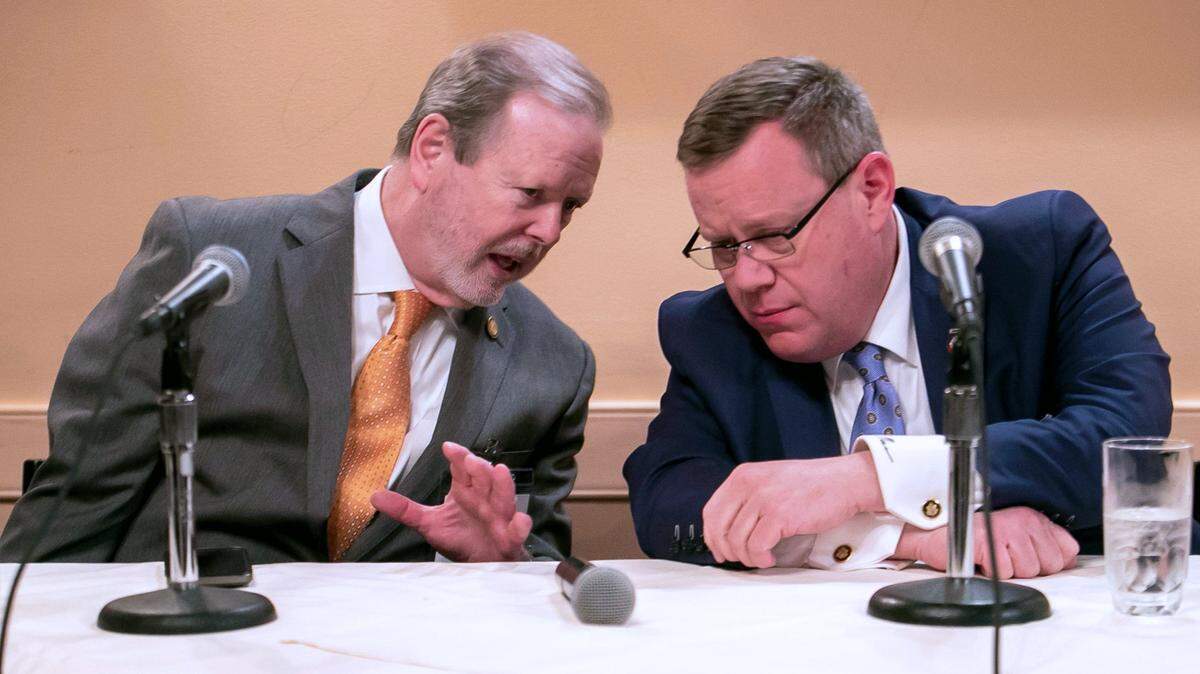
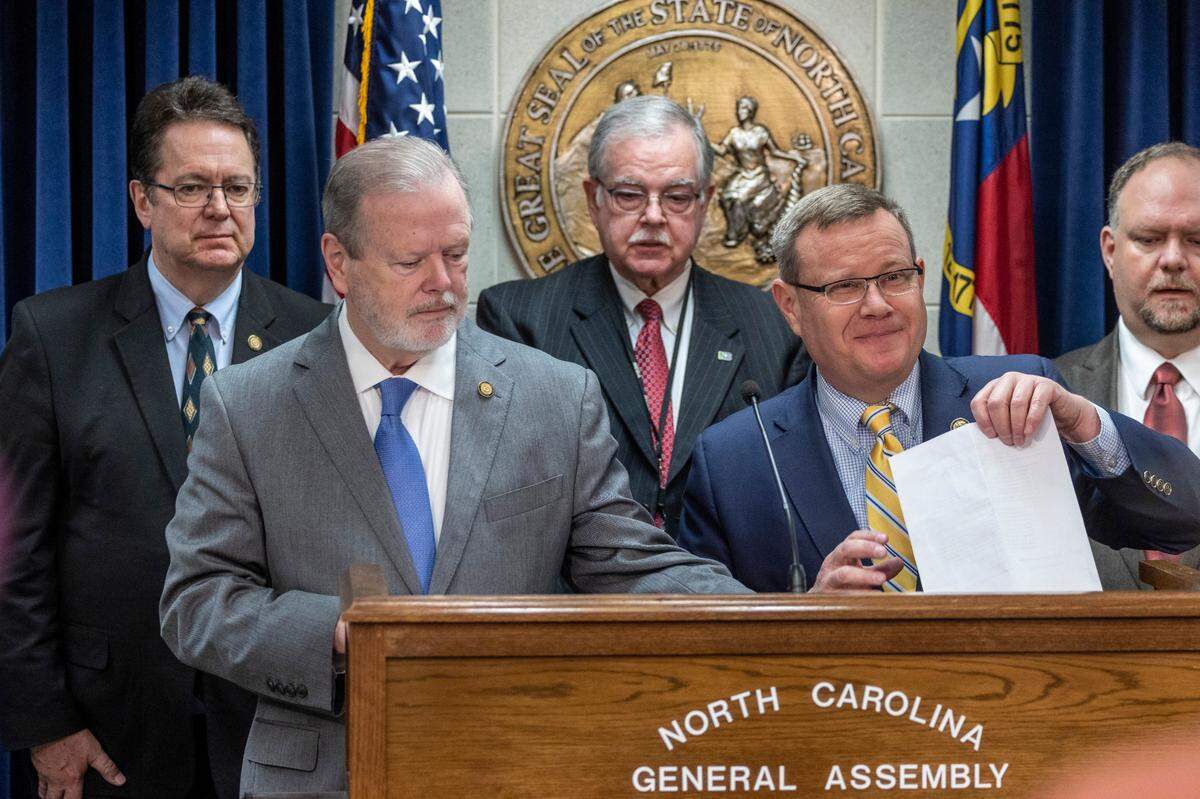
Here’s what is left, according to the two people who hold the most power in the Legislative Building: House Speaker Tim Moore and Senate President Pro Tem Phil Berger.
Marijuana, gambling and race bills
House Republicans have a mandatory caucus meeting on Tuesday. Moore told reporters after session on Wednesday that Republicans will discuss “a number of key bills,” and need to get “a hard vote count” on them. That means it could be some bills that don’t already have unanimous support, like legalizing medical marijuana or casinos.
Moore described the caucus meeting as being about “the whole gamut. Everything from elections legislation, of course, what we do on gaming, where we want to go on tax policy. I mean, there’s a whole list of items that need to be dealt with. And we really want to get the full caucus’ mind.”
Some of the key legislation remaining deals with:
▪ Elections and separation of powers. Moore said the House may also want to make some changes to the Senate’s elections omnibus bill, which would shorten the deadline for receiving absentee ballots and make other changes. That’s separate from a new proposal that would would take away governors’ control of elections boards. And another bill they need to compromise on would take away some appointment powers of the governor for various boards and commissions, and give them to the legislature or other Council of State members. That’s on the to-do list, too, both Berger and Moore said this week.
▪ Casinos. Sports betting legalization finally passed the legislature after years of close votes, and Cooper signed it into law on Wednesday. Gambling at casinos outside of Cherokee Indian land in North Carolina is on the agenda, too. Moore, Berger and Cooper have all said they’re open to discussing it, but there’s no bill written yet. That means casinos legislation could show up in the waning days of session or just wait until the next legislative session in early 2024.
▪ Marijuana. There’s a chance the House won’t take up medical marijuana legalization, or at least not the version that the Senate passed. “The bill is certainly a priority to a number of (House) members. There are other members who have concerns with it, and I think we need to flesh it out,” Moore said.
▪ Race. The Senate hasn’t taken up some bills passed by the House, either. One of them is House Bill 187, the anti-Critical Race Theory bill passed by the House in March, which has sat in the Senate rules committee since then. The bill regulates how race can be taught and discussed in public schools. A different version of the bill passed the General Assembly in 2021 and was vetoed by Cooper.
Asked if the Senate will take up the House’s bill targeting Critical Race Theory, Berger acknowledged that it could be among bills will be traded as each chamber takes up the other’s bills. Sometimes the House and Senate hold onto each other’s bills in order to use them as leverage.
He said he doesn’t see any new “substantive policy bills,” saying those “are all out there.” Berger said the budget and veto overrides are likely the only issues carrying over into July.
Budget sticking points
Berger told reporters on Thursday that the budget writers from each chamber are “really making good progress. And they are — as far as line items in the in the regular general fund budget — they’re in really good shape.”
“But we still are a ways apart with the House on what to do with the finance package,” he said, referring to tax changes. “And a pretty good distance on how we’re going to deal with the reserves that are out there. And the one-time money that would go into the (State Capital Infrastructure Fund), water and sewer, or some other construction-type projects and specific appropriations,” he said.
Moore, too, said the SCIF and taxes remain to be negotiated, as well as some “big ticket” items.
One of the arguments around taxes is whether to use excess funds to give larger tax cuts or to spend the money instead.
Timing of the budget, and what it means for raises
Given the number of things they still have to come to an agreement about, while the last days of June are “the optimal time” for votes if everything fell into place, there’s a chance it will be July instead, Berger said.
Even if the budget isn’t sent to Democratic Gov. Roy Cooper’s desk until sometime in July, that’s still months earlier than in previous years. In 2021, the budget didn’t pass until November. In 2019, there was no major budget bill at all, instead passing piecemeal. That’s unlikely this year, with negotiations happening between the House and Senate, not between Cooper and the legislature since Republicans have the votes to override gubernatorial vetoes.
If the budget passes late, then raises are retroactive. In other words, the workers would still get their money.
“I’d like to see us adjourn by the end of June. But if we go into July, it’s not that big of a deal,” Moore said.
That would likely mean mid-July or later. The General Assembly usually takes a break the week of the Fourth of July.
But that doesn’t mean lawmakers will stay away from Raleigh until the new year.
New maps this year
Once the General Assembly adjourns its long session sometime this summer, they will come back for a session just for redistricting. The timeline for that is sometime this fall, Berger said Thursday.
Along with new General Assembly maps, they are expected to draw new congressional maps. What those 14 congressional districts look like will determine who runs for reelection for other offices. The 2024 election has all 170 legislative seats up for grabs as well as the governor, lieutenant governor, attorney general and other statewide elected offices.
This story was originally published June 15, 2023 at 4:06 PM with the headline "Budget, taxes, marijuana and more are on the to-do list as NC legislature winds down."
.jpg)