How NC’s 2023 abortion law may impact the 2024 elections
READ MORE
Abortion in North Carolina
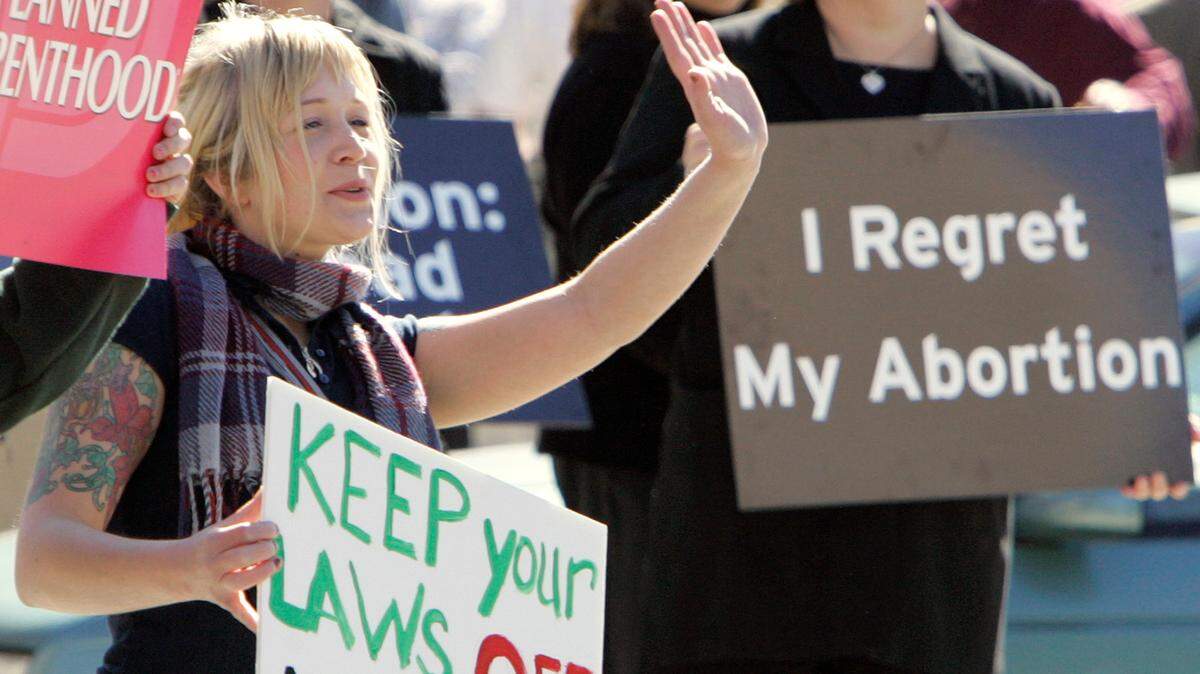
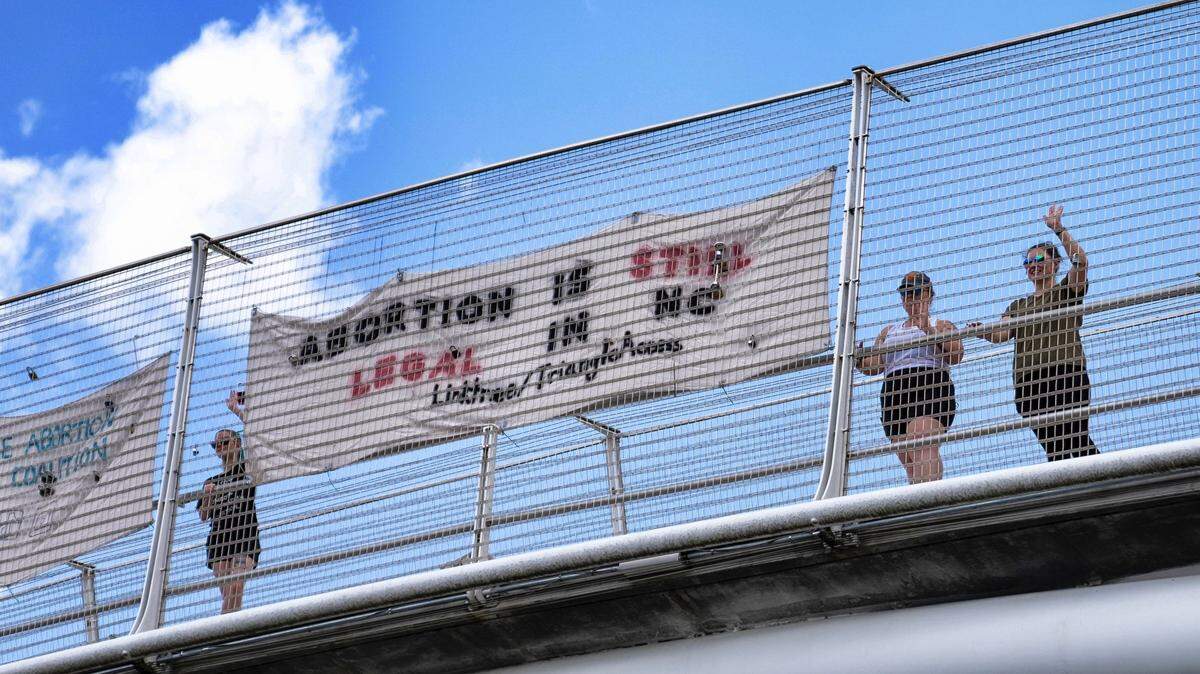
Republicans in the North Carolina state legislature passed a law that implements new abortion restrictions. What does that mean for access to abortion? Read coverage on the issue from The News & Observer and The Charlotte Observer.
Expand All
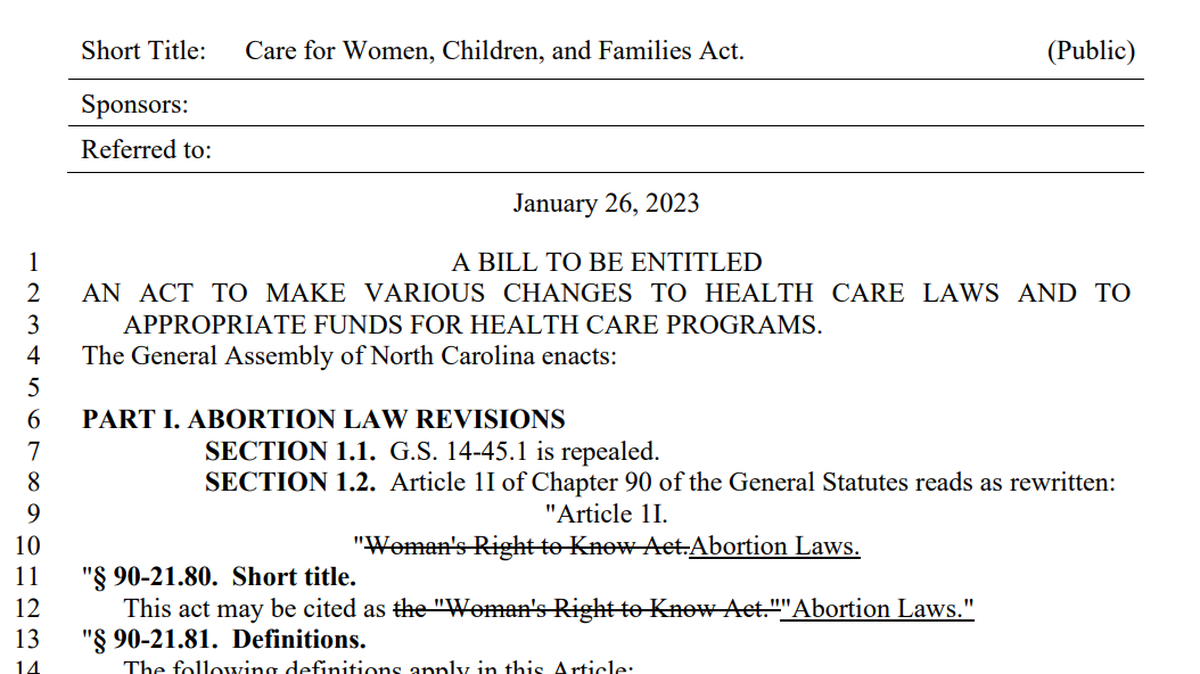
As soon as North Carolina’s Republican-supermajority state legislature overturned the Democratic governor’s abortion bill veto in May, Democrats began planning for 2024.
The fundraising emails were immediate.
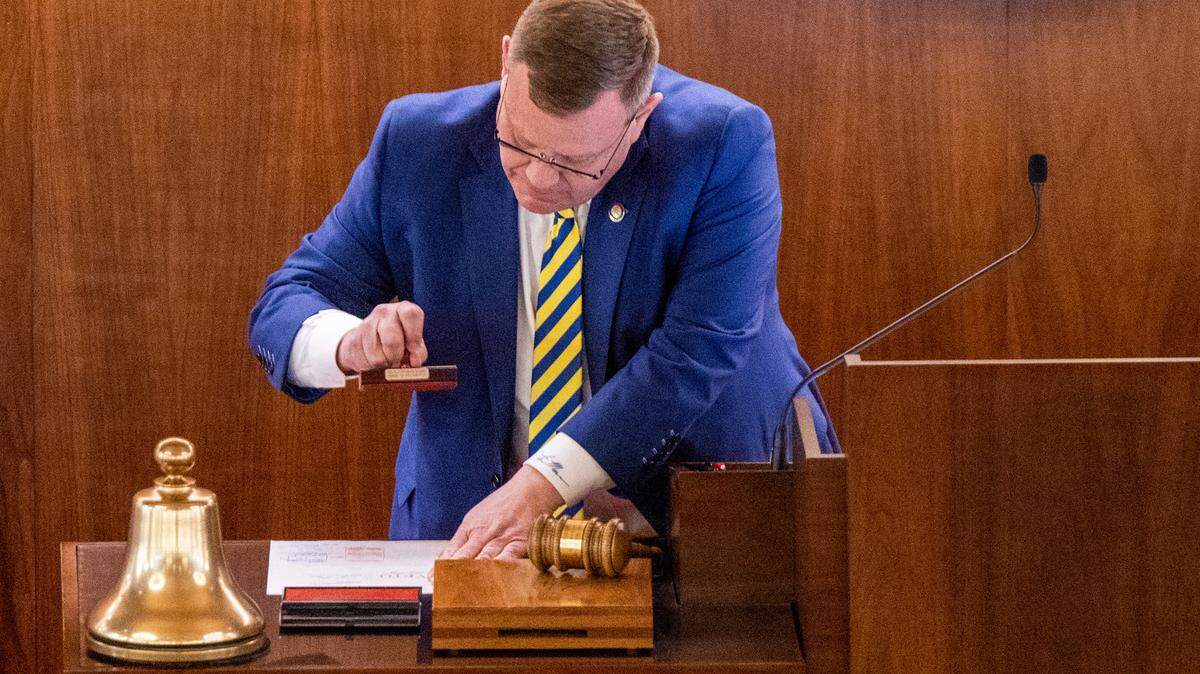
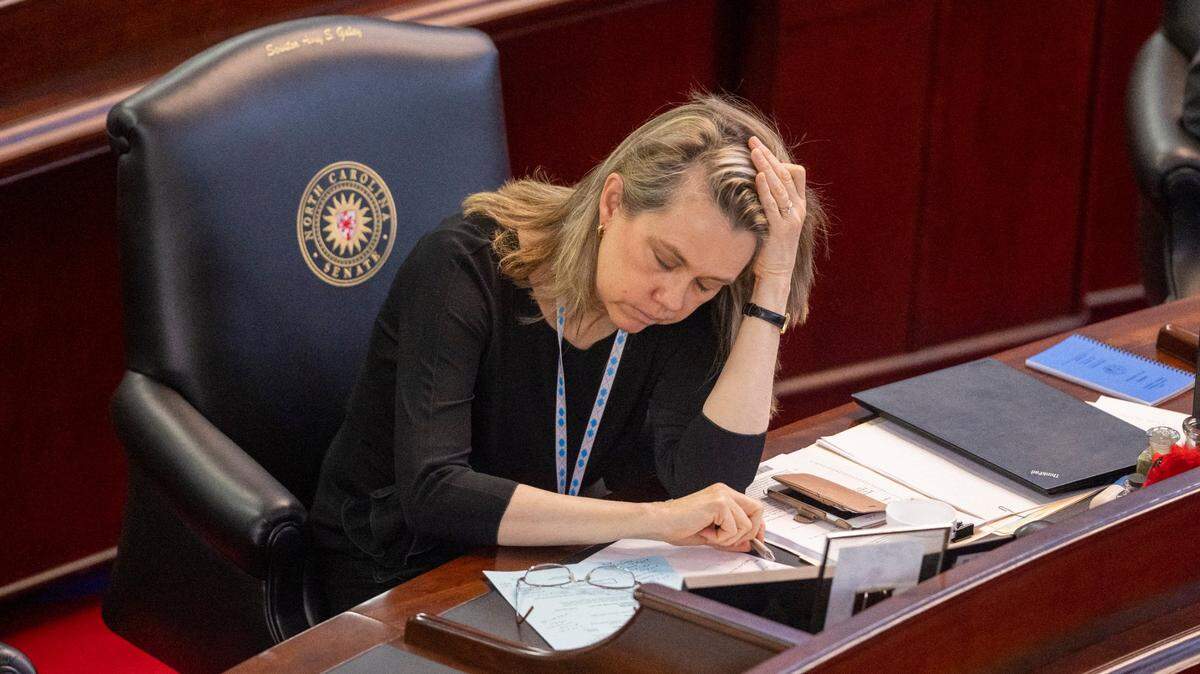
The abortion veto-override vote fell completely along party lines, with the Senate vote the evening of May 16 around 5:20 p.m., followed by the House vote at 8:40 p.m.
Democratic Gov. Roy Cooper’s campaign sent out a fundraising email at 8:45 p.m. The subject line: “This is not the end of our fight (veto update).”
The new law banning most abortions after 12 weeks goes into effect on July 1. And though the 2024 elections seem far away, abortion is on the minds of voters, and of politicians, now.
Democratic Party Chair Anderson Clayton told The News & Observer that they’ve seen a big fundraising boost recently, like in other states where voters faced a “threat of reproductive freedom in some way.”
According to a new Elon University poll, more North Carolinians opposed the new abortion law than supported it, The N&O reported.
Races for governor and legislature
Cooper’s email laid out Democrats’ goals.
“We WILL stay in this fight — because North Carolinians deserve so much better than the extremist Republican Party dictating our rights,” Cooper’s email read.
“The best way to solve this is at the ballot box. We absolutely have to break the supermajority in 2024. I’m continuing to work to elect Democrats who we can trust to fight to restore reproductive rights,” he said.
If Democrats manage to break the veto-proof supermajority in 2024, voters’ decision about who will live in the Executive Mansion will be even more important.
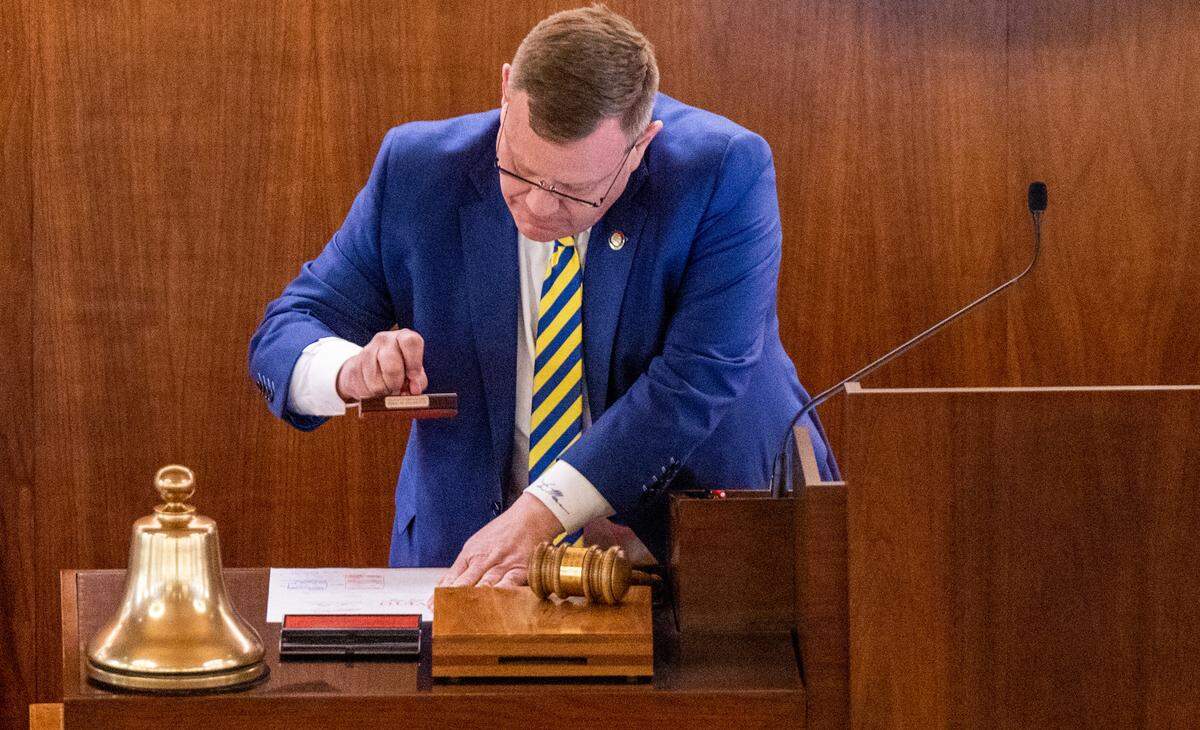
Cooper is in his second term and can’t run for a third consecutive term. Attorney General Josh Stein is the apparent Democratic choice, and three prominent Republicans — former U.S. Rep. Mark Walker, Lt. Gov. Mark Robinson and State Treasurer Dale Folwell — lead the Republican primary less than a year away. Any new abortion bill passed in the 2025 legislative session or later will go to that governor to sign or veto.
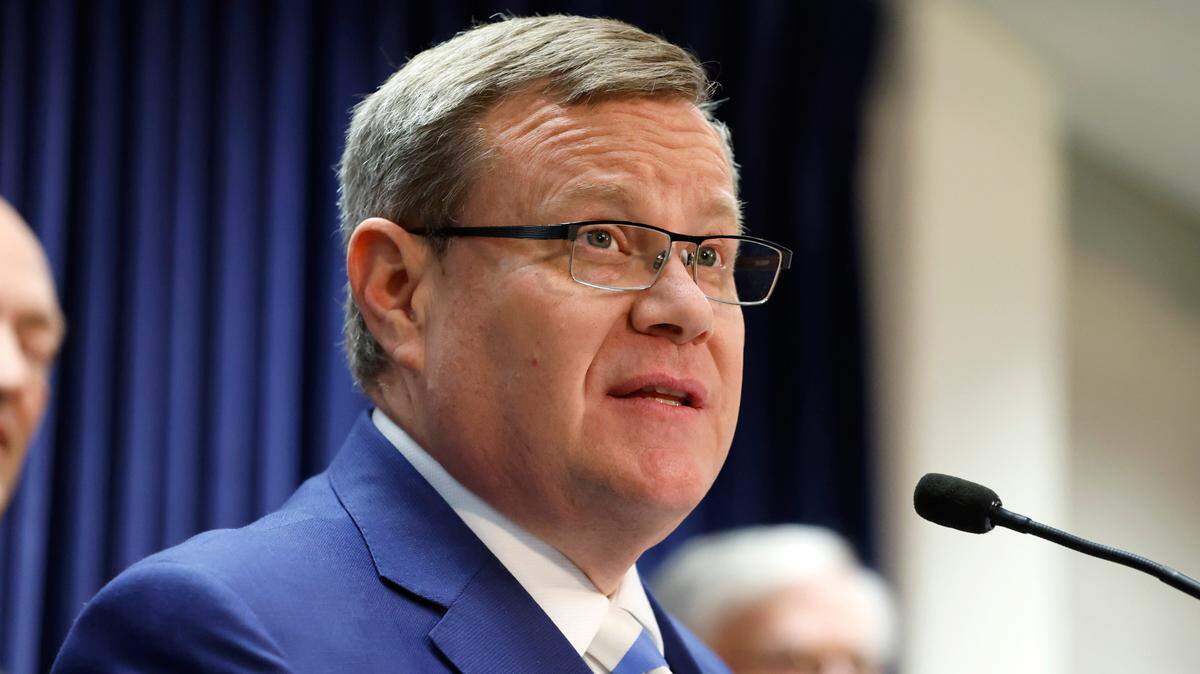
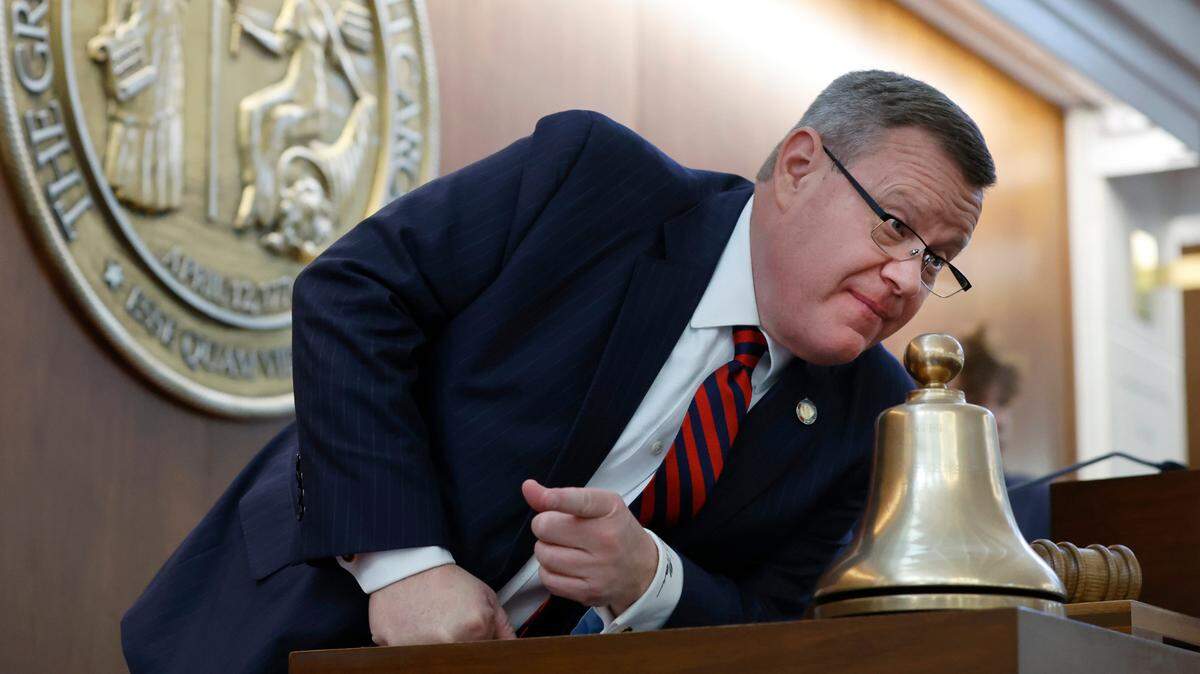
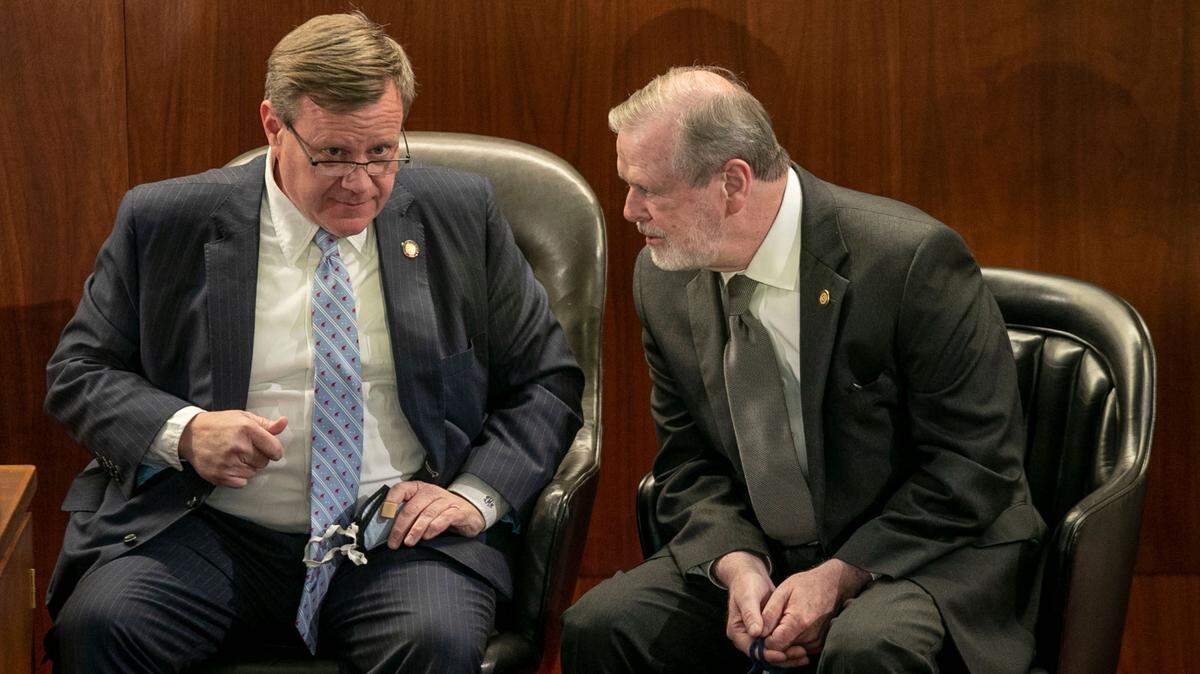
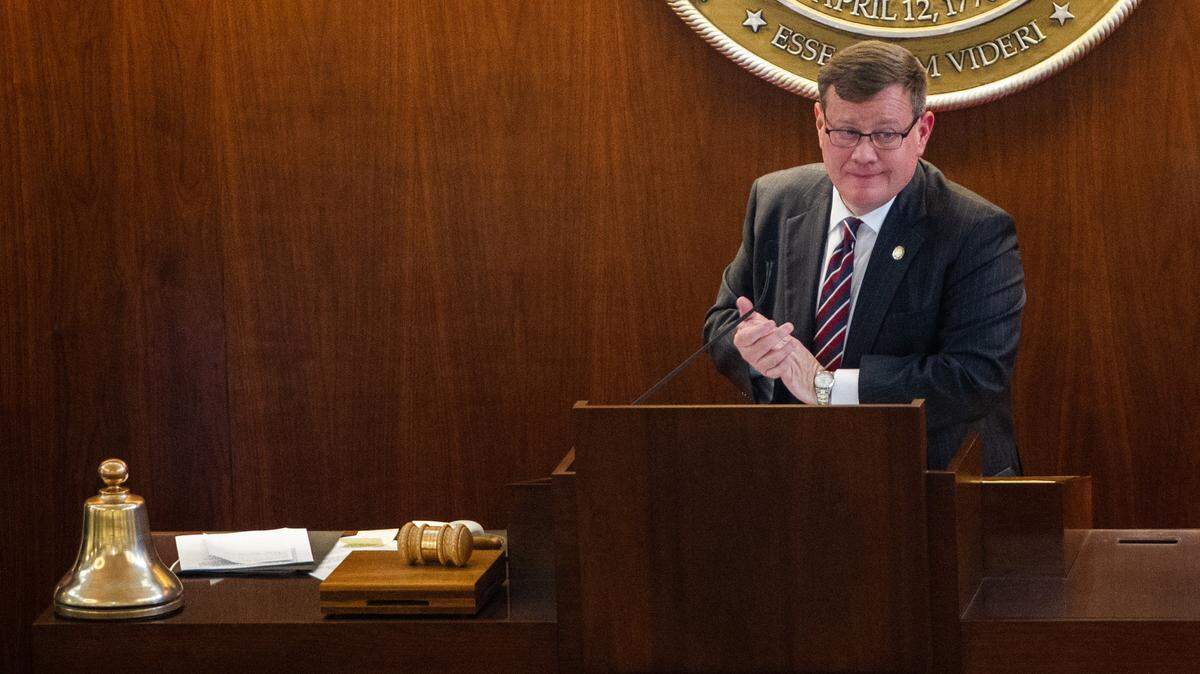
“I can’t say what’ll happen two years, four years, 10 years from now,” House Speaker Tim Moore said after the General Assembly overturned Cooper’s veto in May.
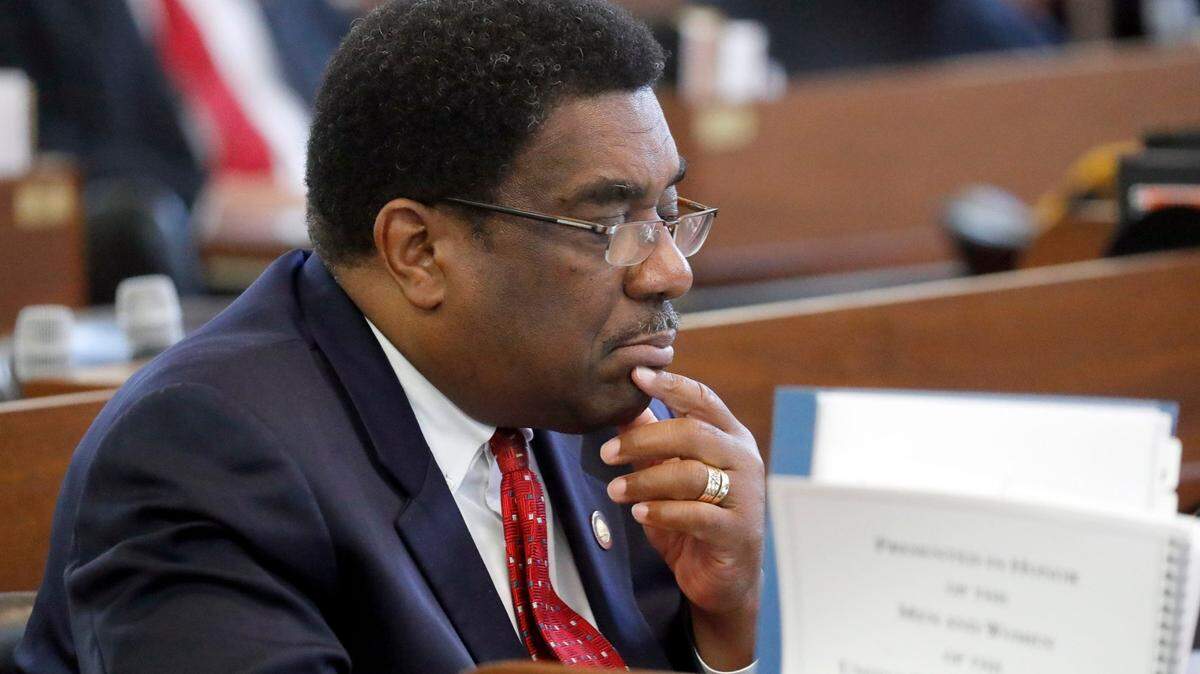
A fundraising email from Wake County Democratic Sen. Sydney Batch the day after the veto also looked ahead.
“If you’re waiting to take action, do not remain idle in the face of this assault on our rights. I can assure you that what we witnessed yesterday is just the beginning for the GOP. They will not stop until North Carolina is an unrecognizable hellscape. Please make a donation to ensure that in 2024, we break their supermajority,” Batch wrote.
‘Anger and frustration’
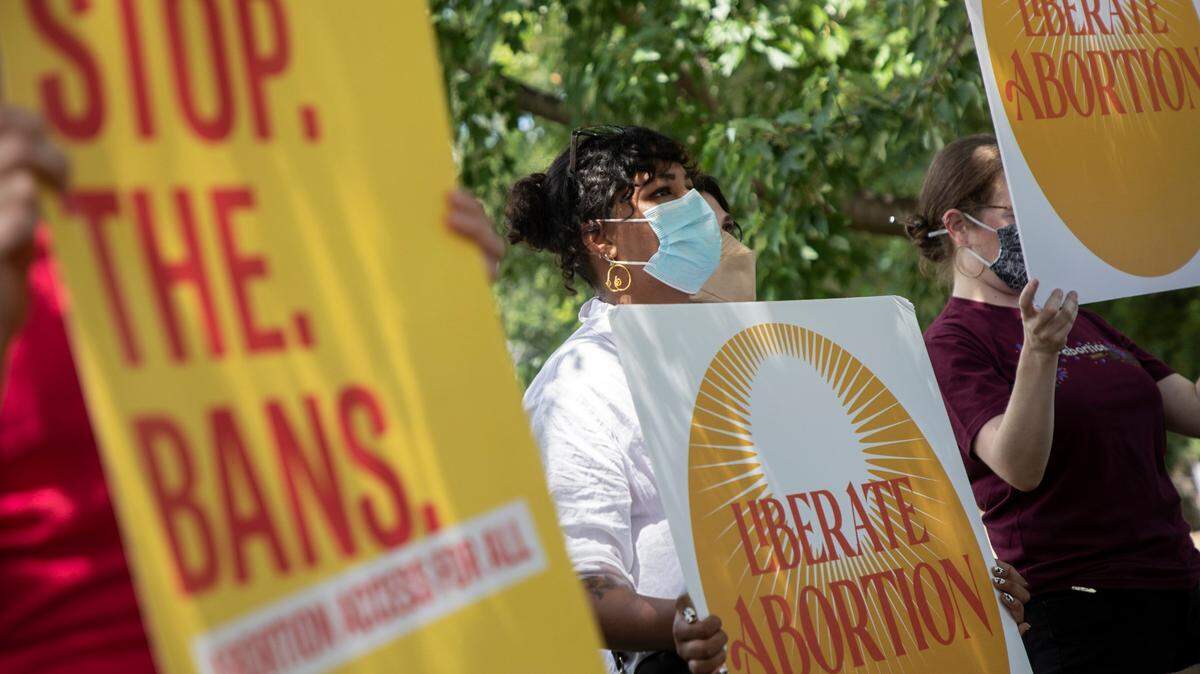
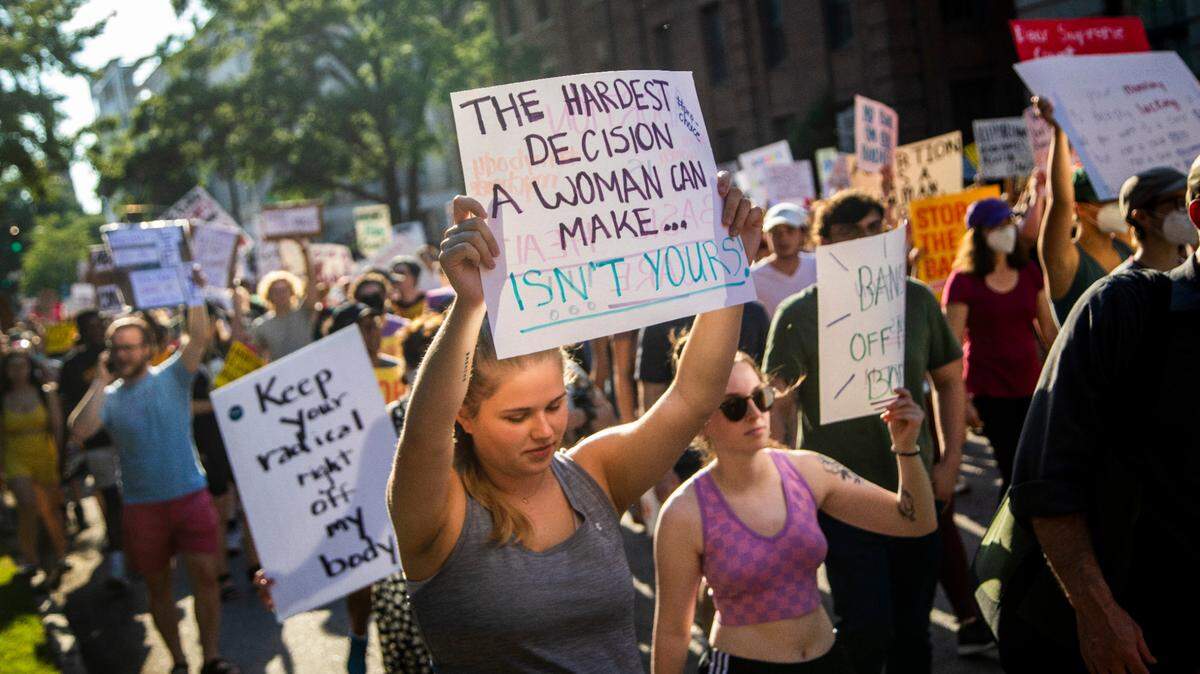
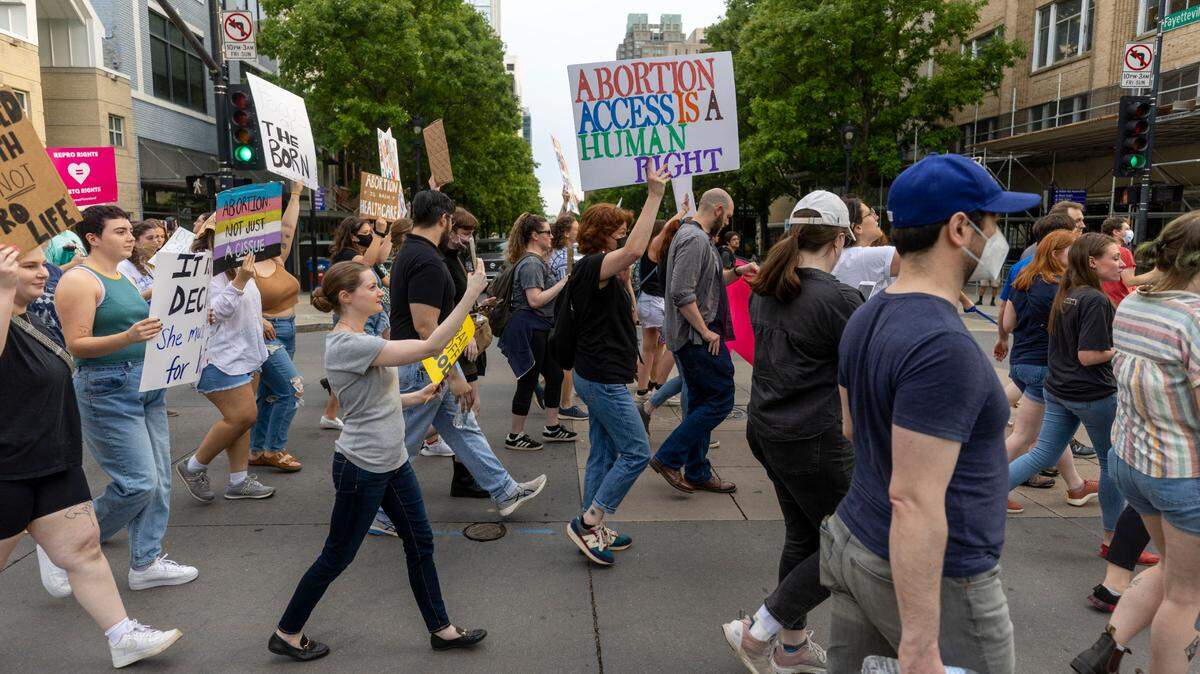
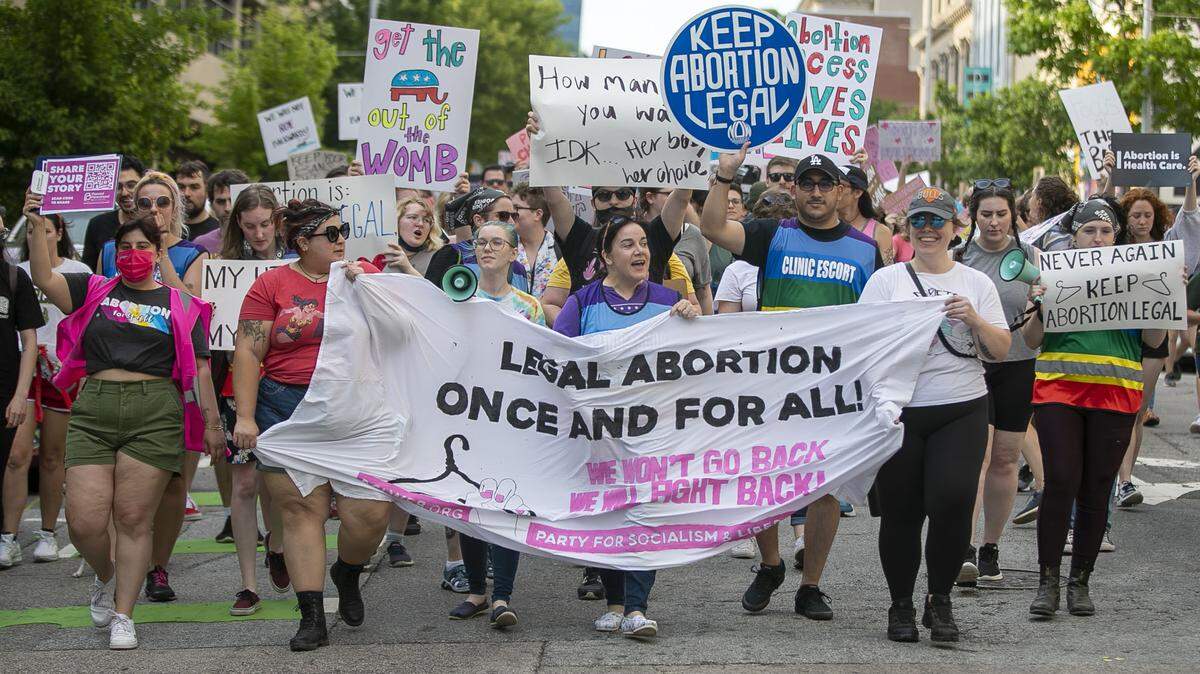
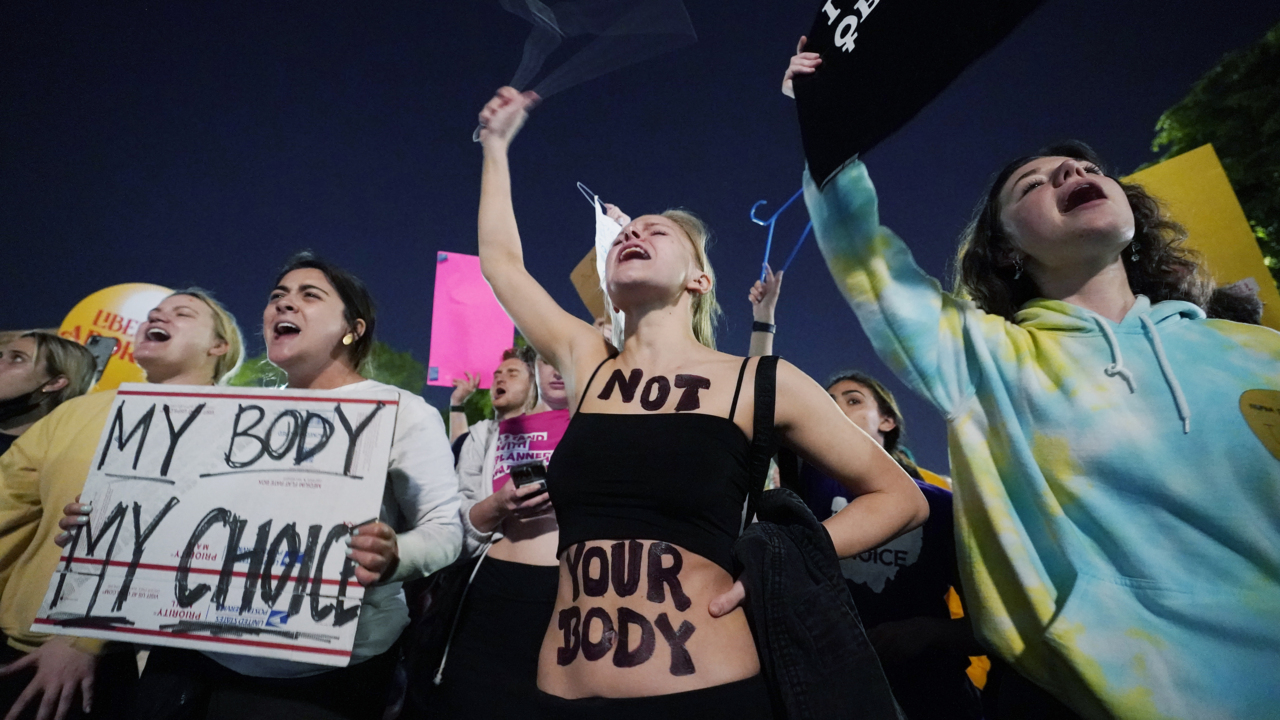
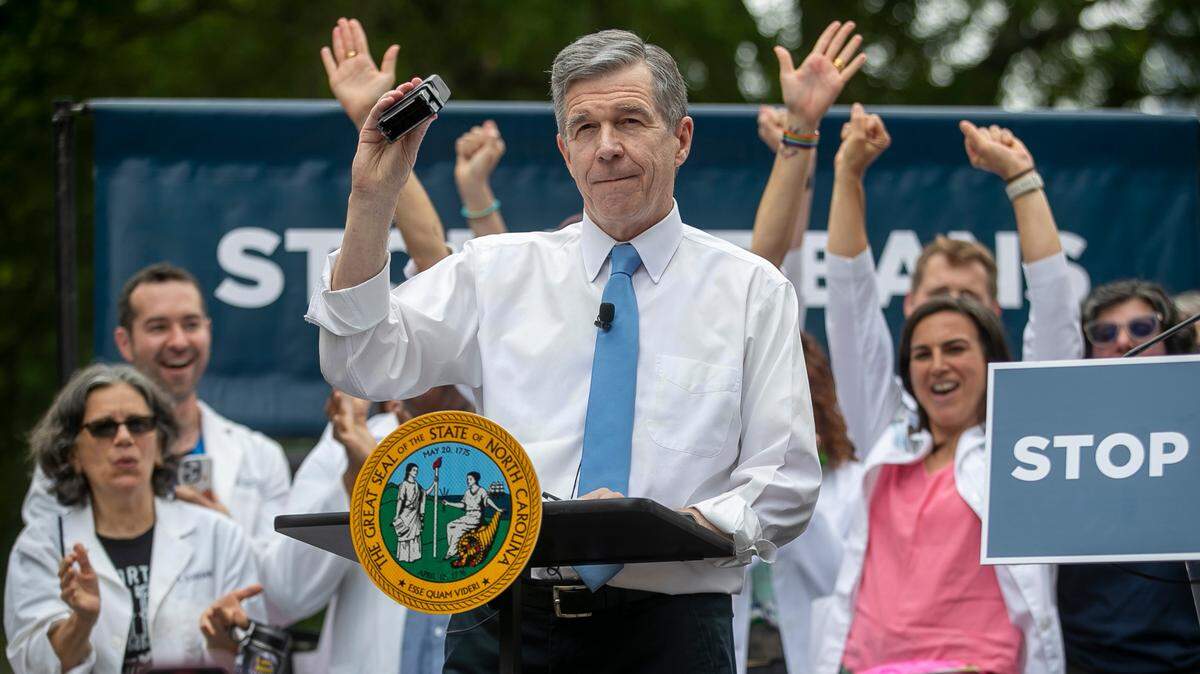
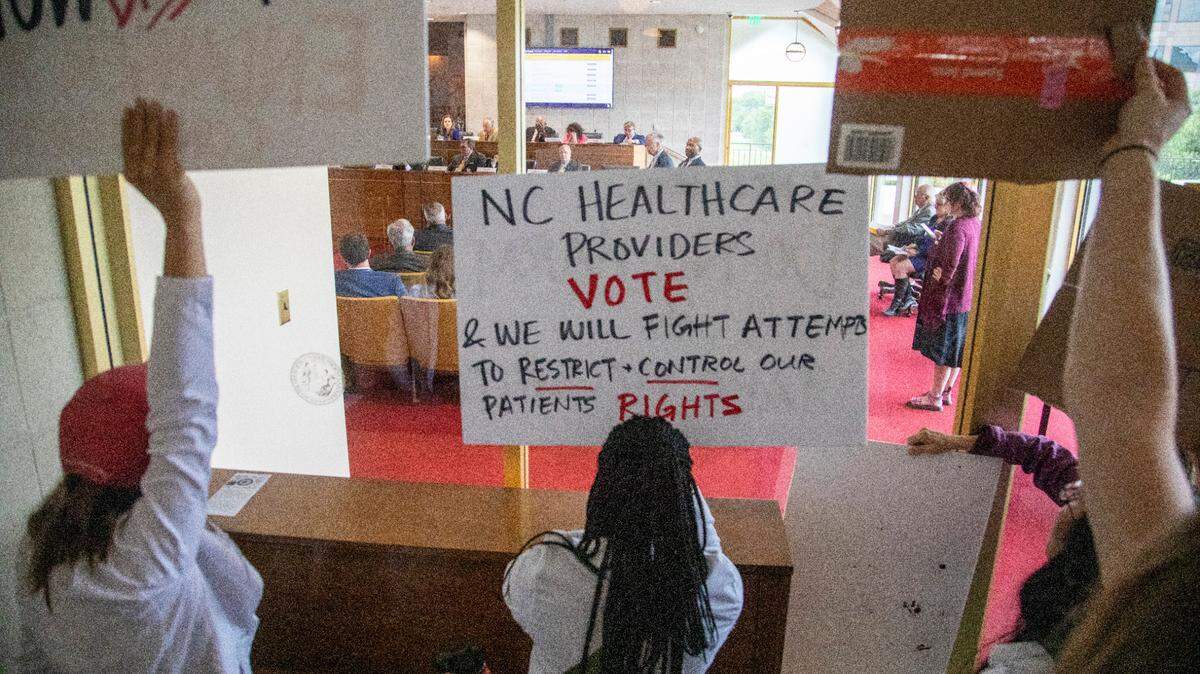
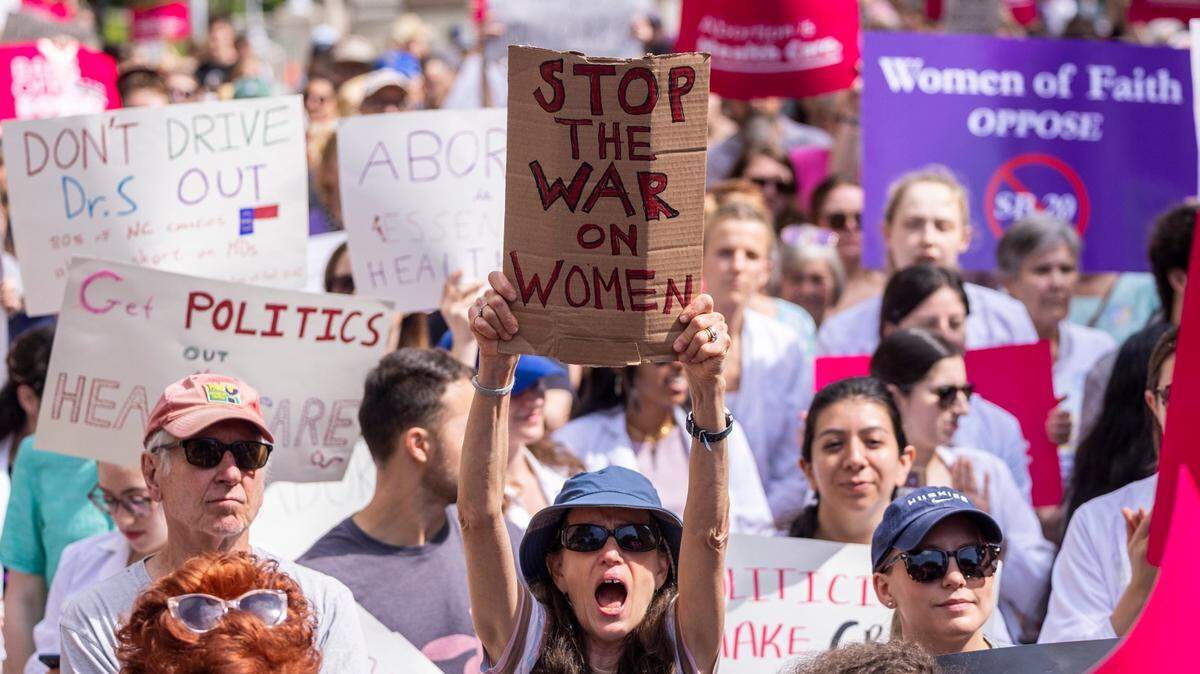
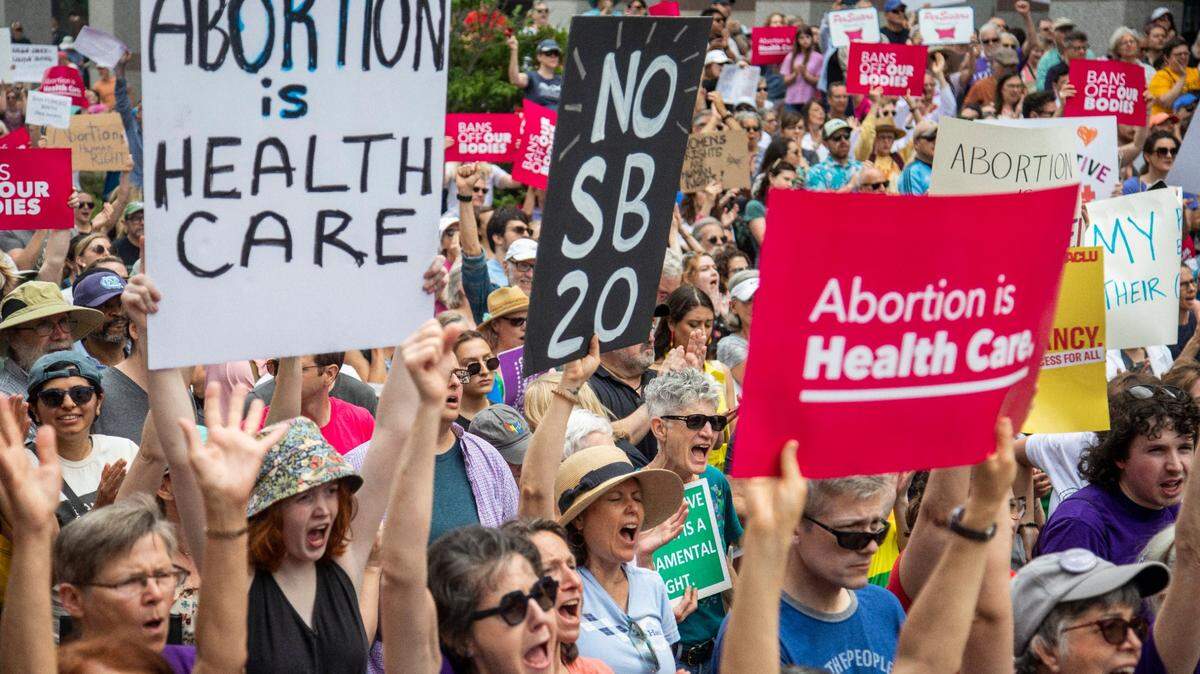
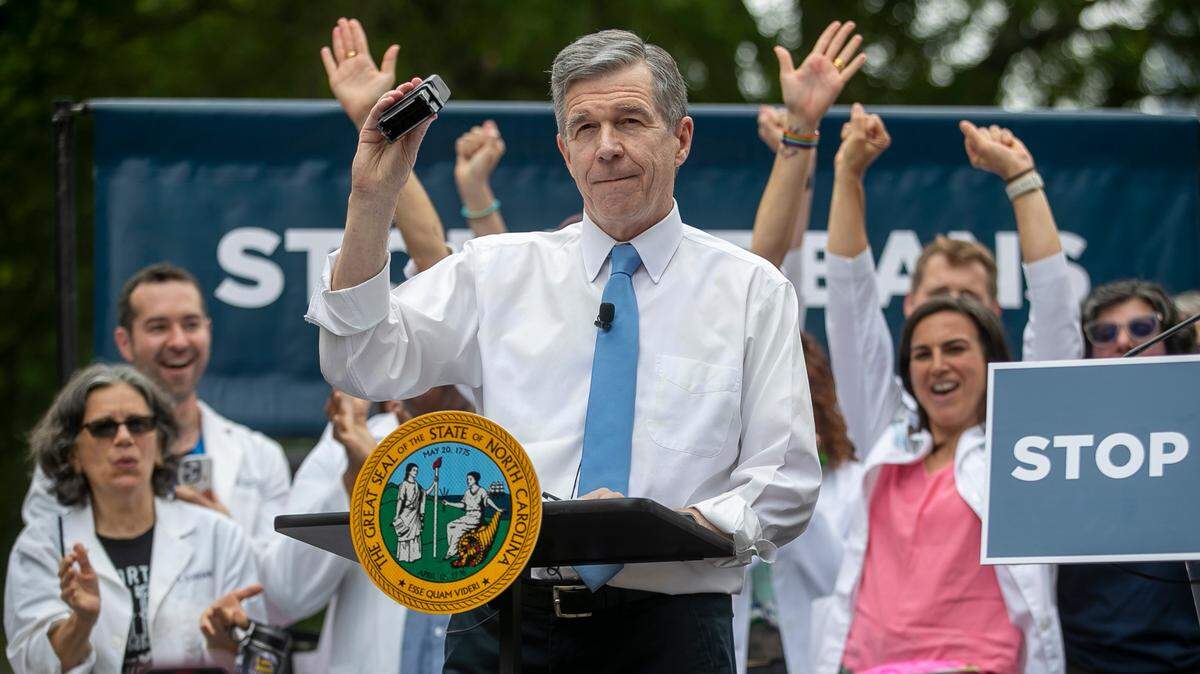
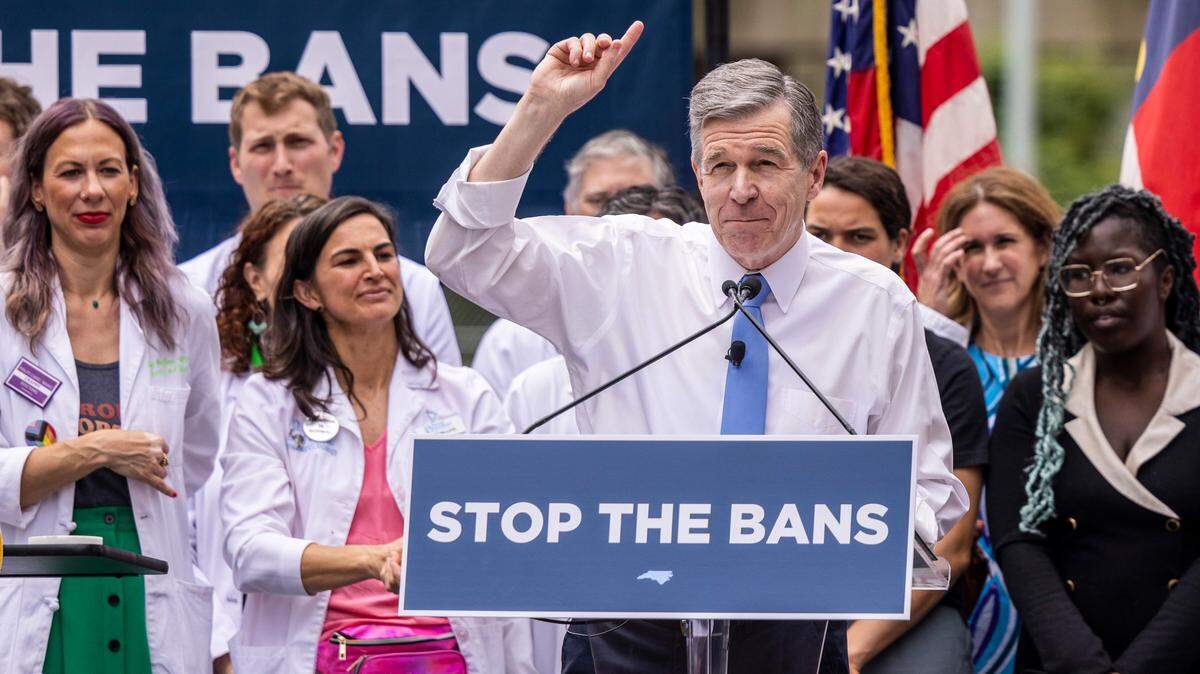
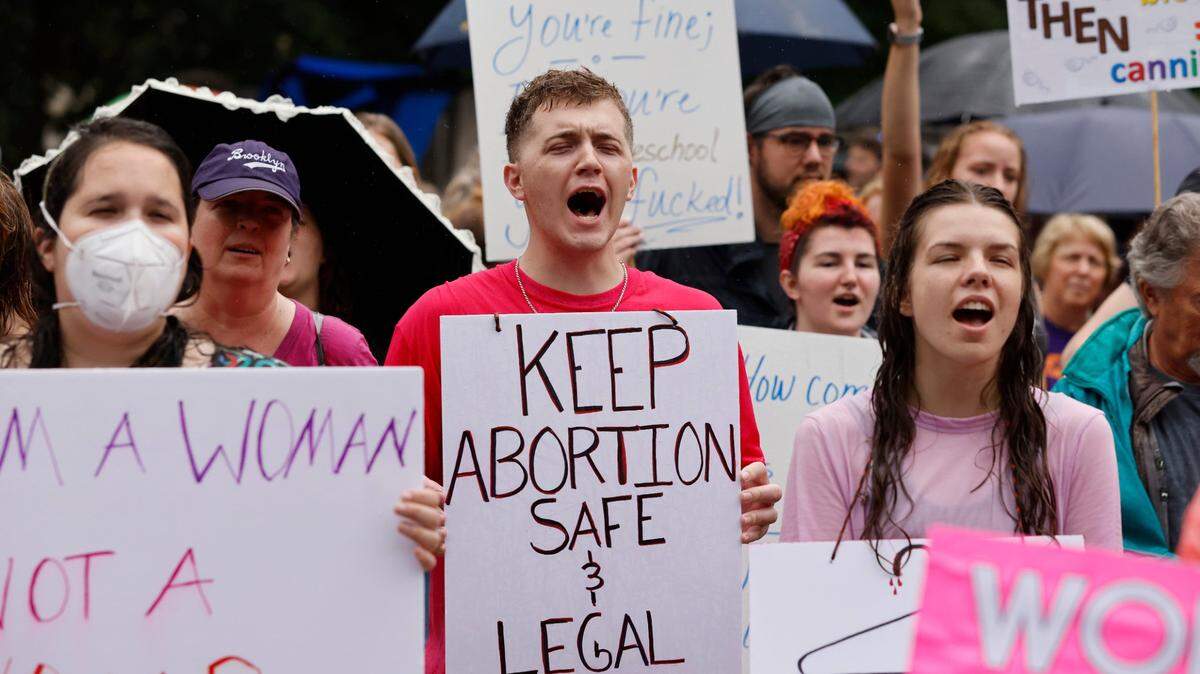
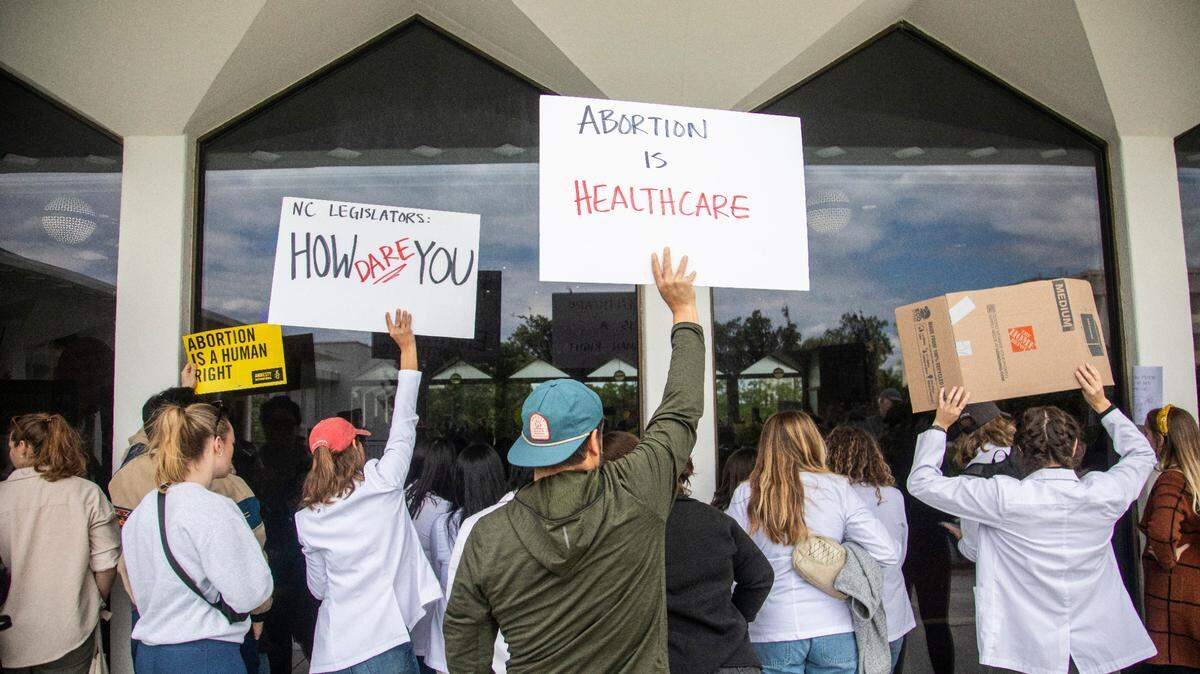
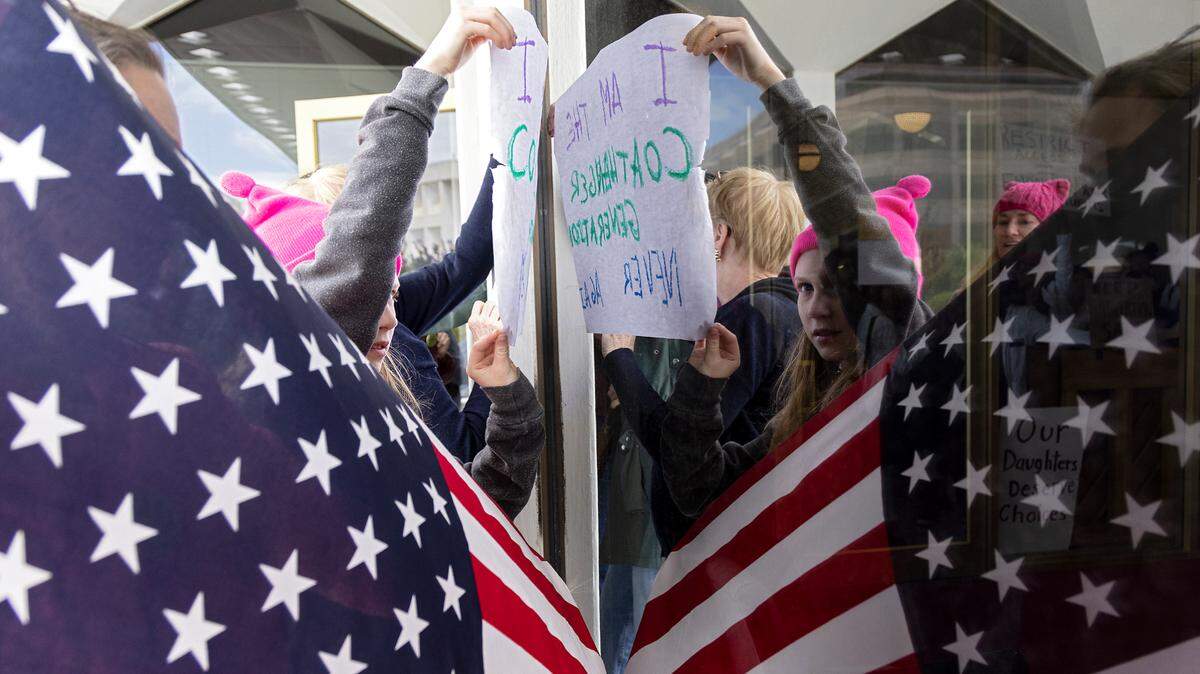
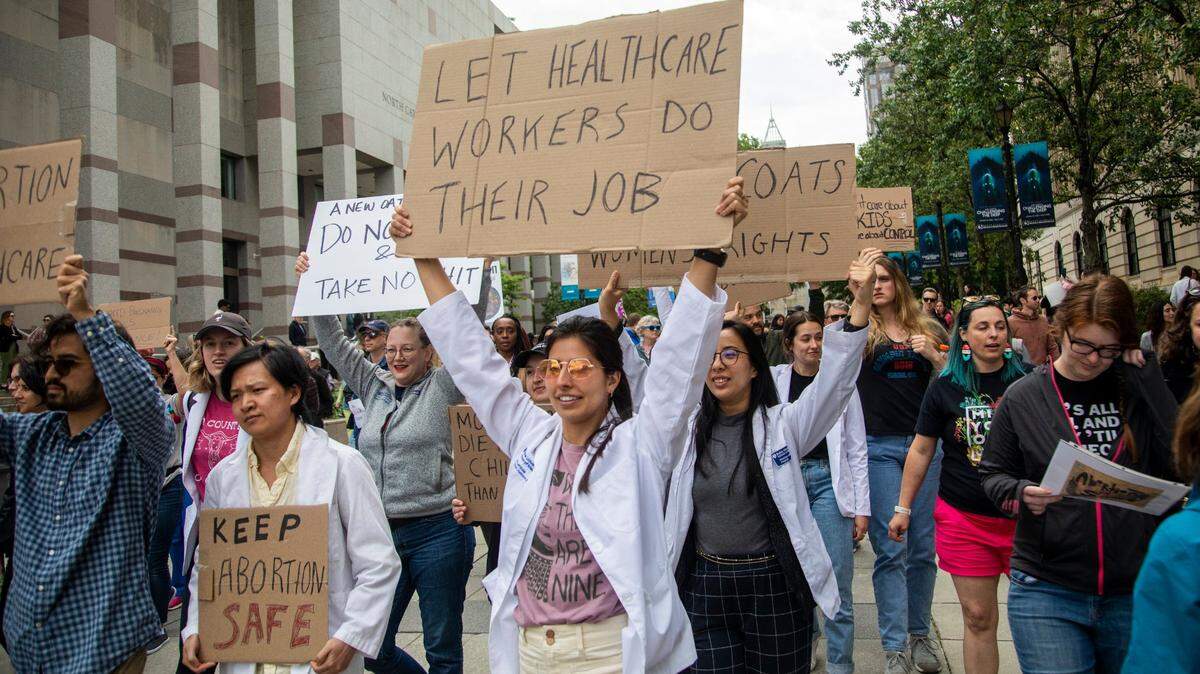
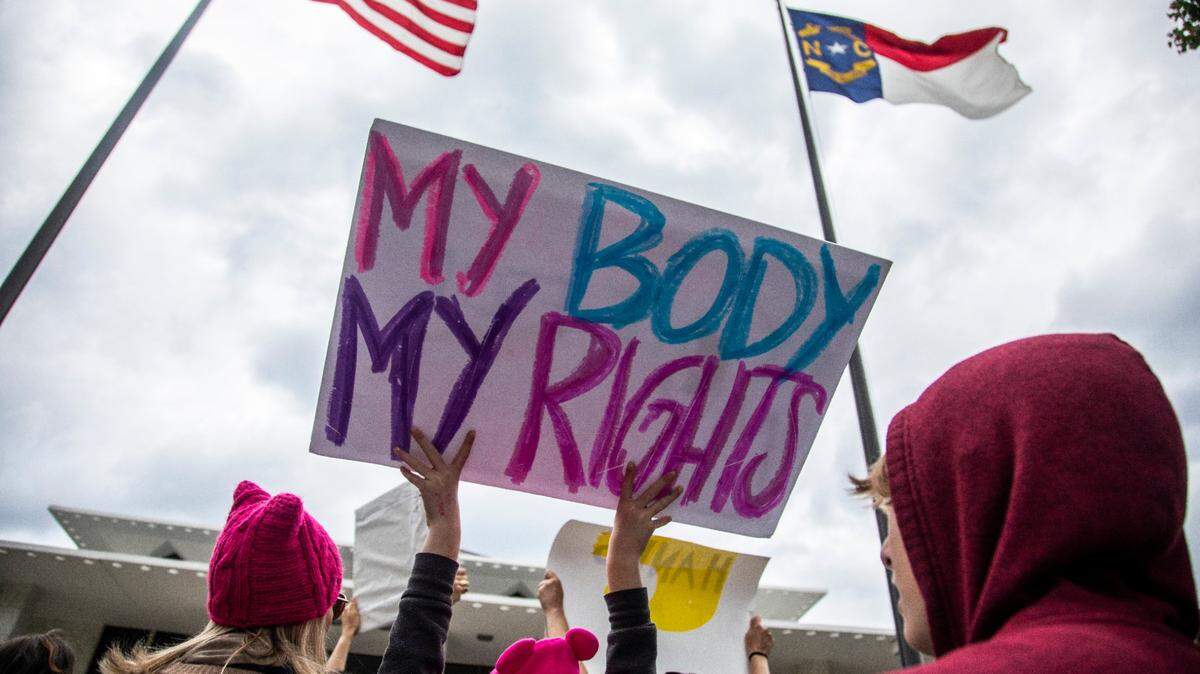
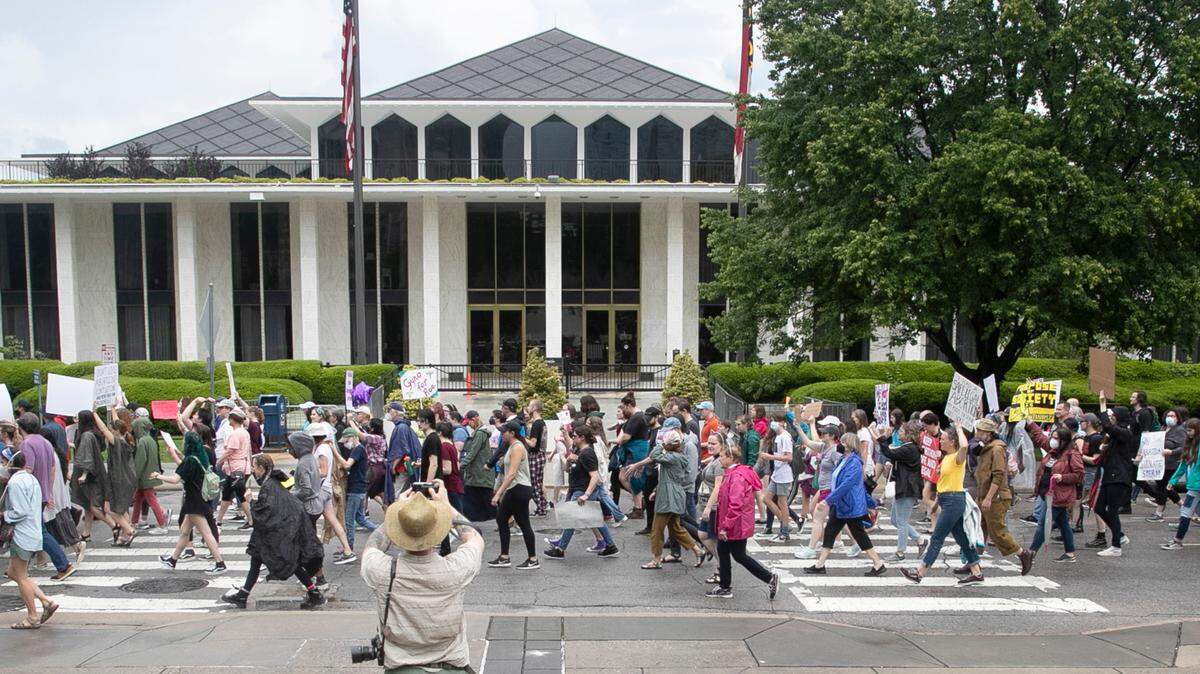
When Cooper vetoed Senate Bill 20, he did so at a crowded rally in downtown Raleigh on Bicentennial Plaza, across the street from the Legislative Building on a Saturday morning in May. Within days, his veto was overturned. A month later, while the attention has quieted, Democrats are looking again to the 2024 elections. The law goes into effect on July 1.
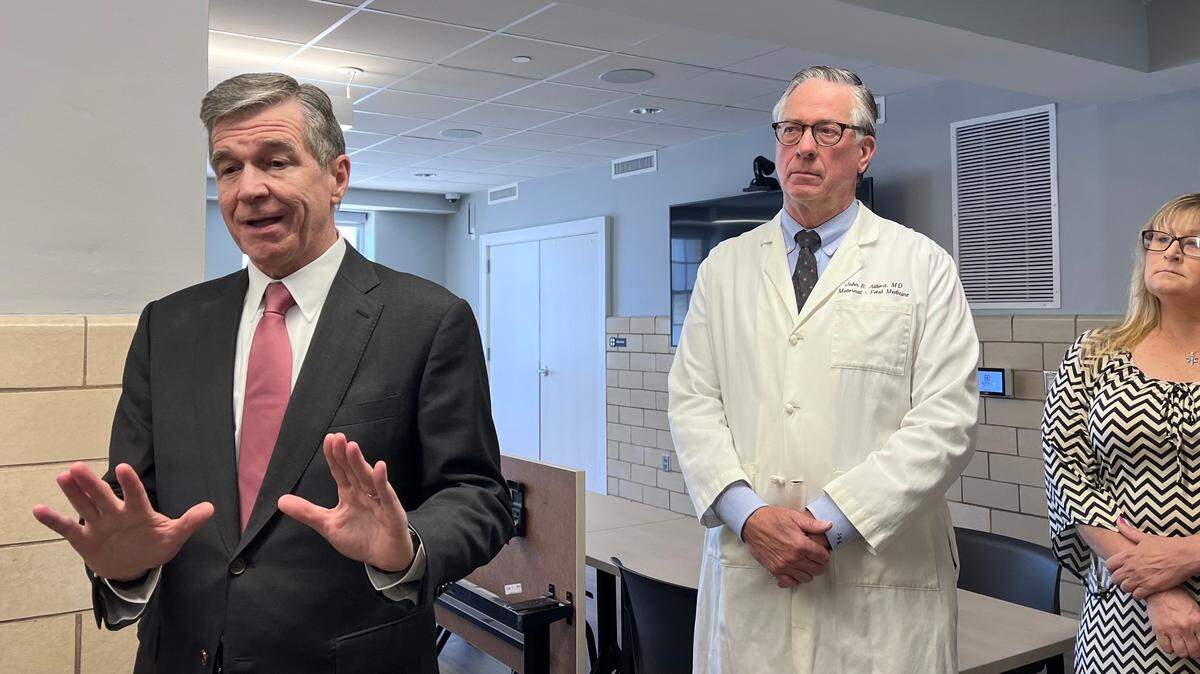
“I think there is a lot of anger and frustration across the state that this legislation was pushed through with very little if any public input or any amendments,” Cooper told reporters after a Council of State meeting in early June. “And now that the legislation is getting ready to become law, they’ve already hinted that they’re coming back for more — that this wasn’t even enough, even before it becomes effective.”
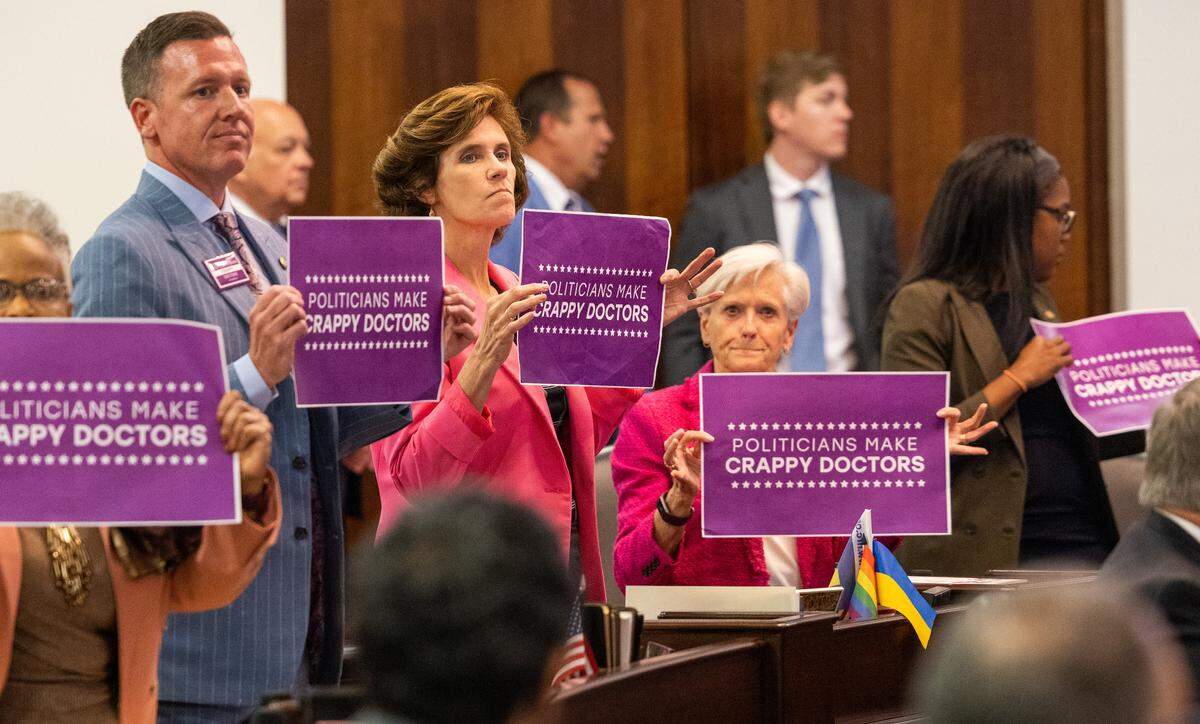
Republican legislative leaders have said that while no new abortion legislation was planned for this session, or next year, they couldn’t say what would happen after the next General Assembly election. All 170 state lawmakers serve two-year terms and are up for election in 2024.
“So I think it’s going to play a huge role in the elections, when we know that every single Republican will toe the line on right-wing reproductive policies,” Cooper said. “So when they’re talking in a campaign that they’re going to try to find a middle ground, they won’t, obviously, because they all toe the line. So I think it’s going to play a significant role.”
Republicans look past primary to general
Republican and Democratic campaign leaders agree that what will motivate voters in 2024 is unpredictable.
“I frankly, I just I don’t think that this law is going to be that big of a determining factor in next year’s election,” Stephen Wiley, the North Carolina House Republican Caucus director, told The News & Observer. “I think there’s going to be some people who are motivated by it. Whether that’s a significant number or not, I think remains to be seen.”
“I think we know what the Democrats’ messaging is going to be,” Wiley said. “It’s going to be it’s restrictive, Republican legislators are getting in the way of doctors and their patients ... the usual stuff. But we could’ve moved it from 20 weeks to 19 weeks, six days and 12 hours, and they would have said the exact same thing.”
Wiley said the presidential race is the biggest factor determining the tenor of the 2024 election, especially if the Republican nominee is Trump. Trump is “outside the realm of normalcy,” while Florida Gov. Ron DeSantis, if he’s the nominee, is not, Wiley said.
“Donald Trump is not within anyone’s realm of normalcy. So it’s just two very different circumstances,” he said.
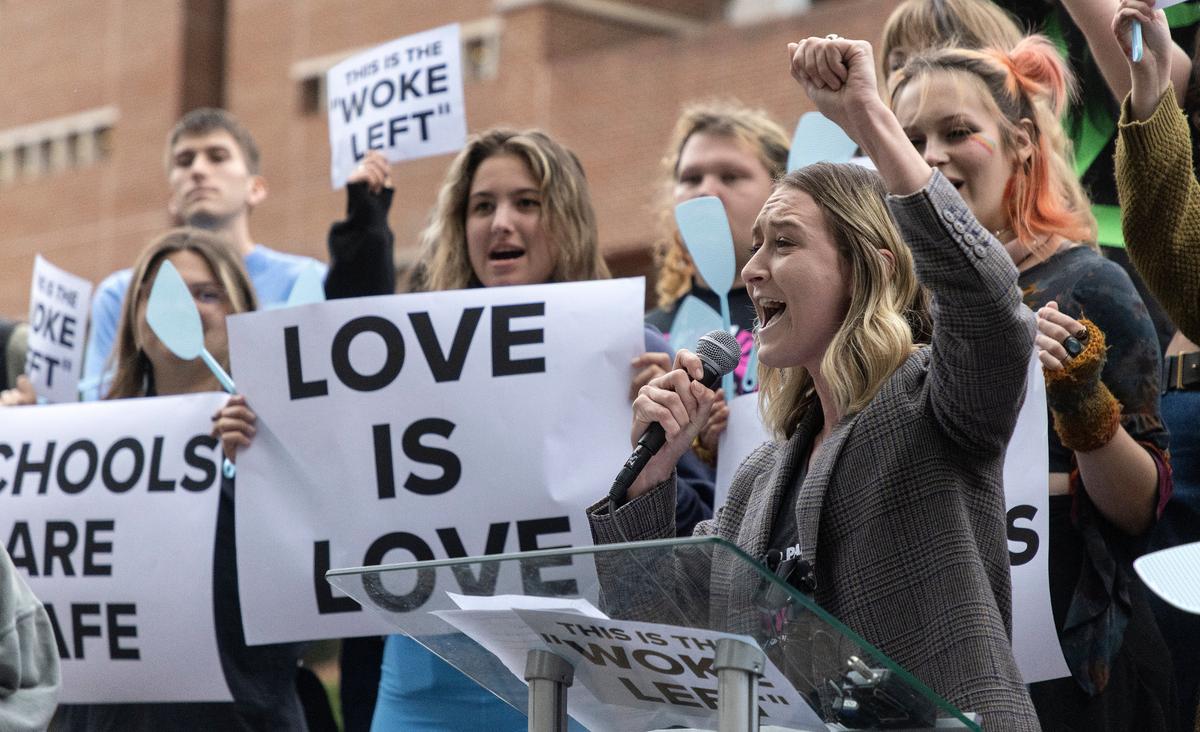
Clayton said national politics has eclipsed state and local politics for both parties.
“I do know that the reason why Democrats have kept losing in North Carolina is because we haven’t been able to get Democrats out to vote in the last in last two cycles, in 2020 and 2022,” Clayton told The N&O in an interview on Wednesday. “And so for me, this is an issue that is going to rile up, and has riled up my Democratic base. And so I want to make sure that we are telling and educating and continuing to talk about this issue year-round in communities.”
There will be other driving issues, she said, and the economy will be dominant, too.
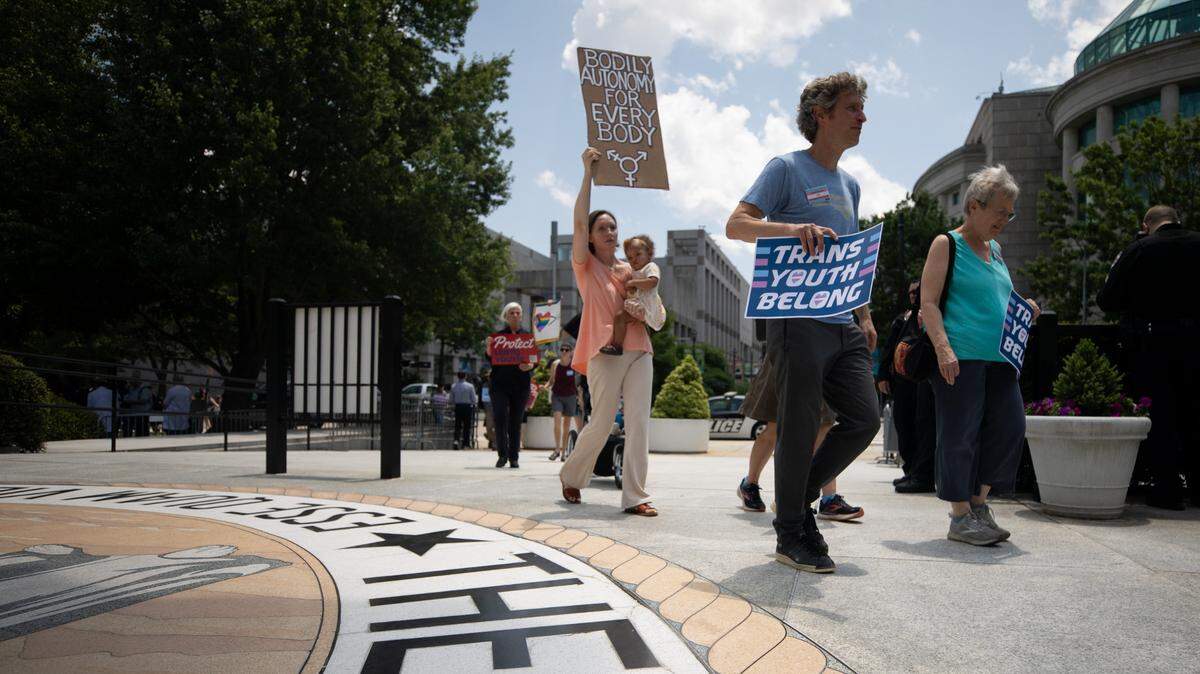
“But I also know that young people are getting angry right now at the fact that their lives are being threatened, and the fact that they’re not able to just be who they are, and that the state of North Carolina wants to persecute them for being gay or for being trans or for being a woman right now, honestly, and wanting to have individual decision-making power over your own body,” Clayton said.
“And I think that is going to drive people to a ballot box in 2024.”
‘This is a big deal’
Republicans described the bill as “mainstream” because it represented a compromise within their ranks, if not the broader public or Democrats.
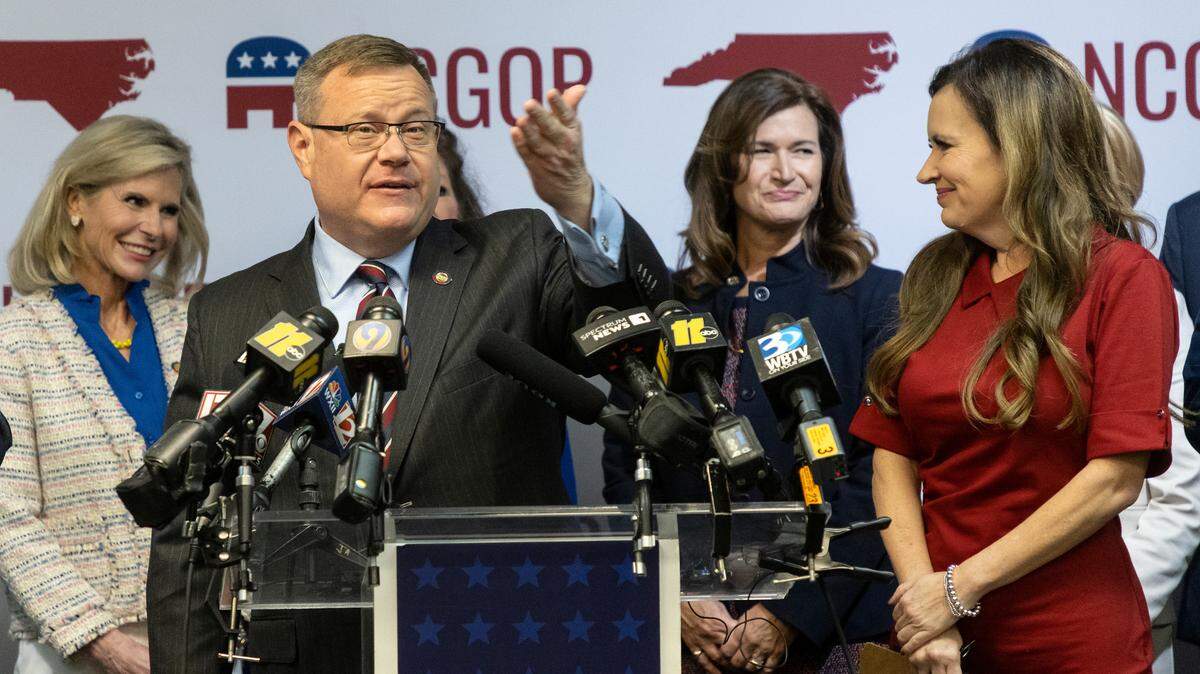
“This bill represents a compromise on all sorts of levels,” Senate leader Phil Berger, an Eden Republican, told reporters in May.
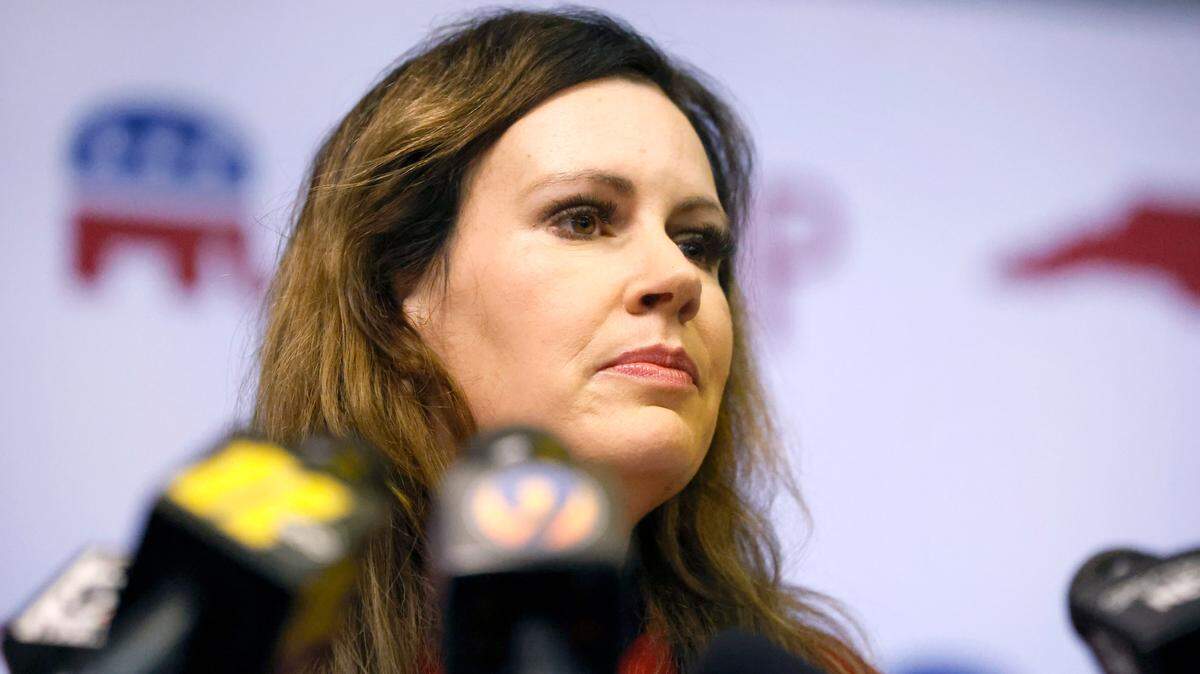
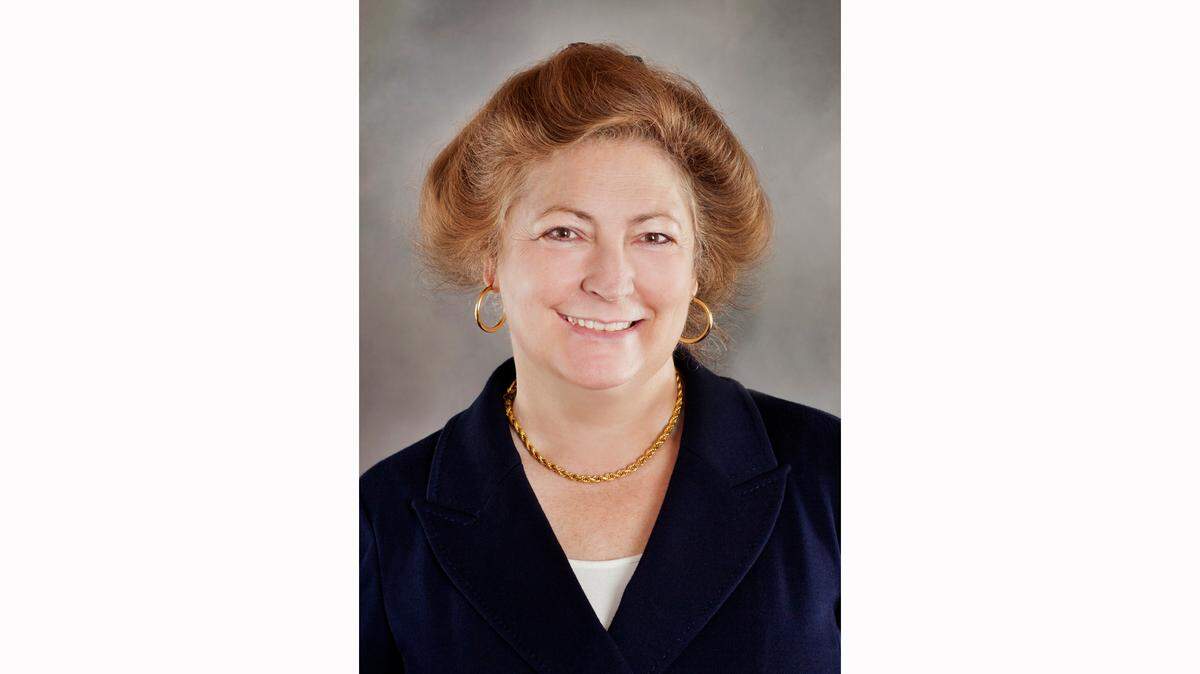
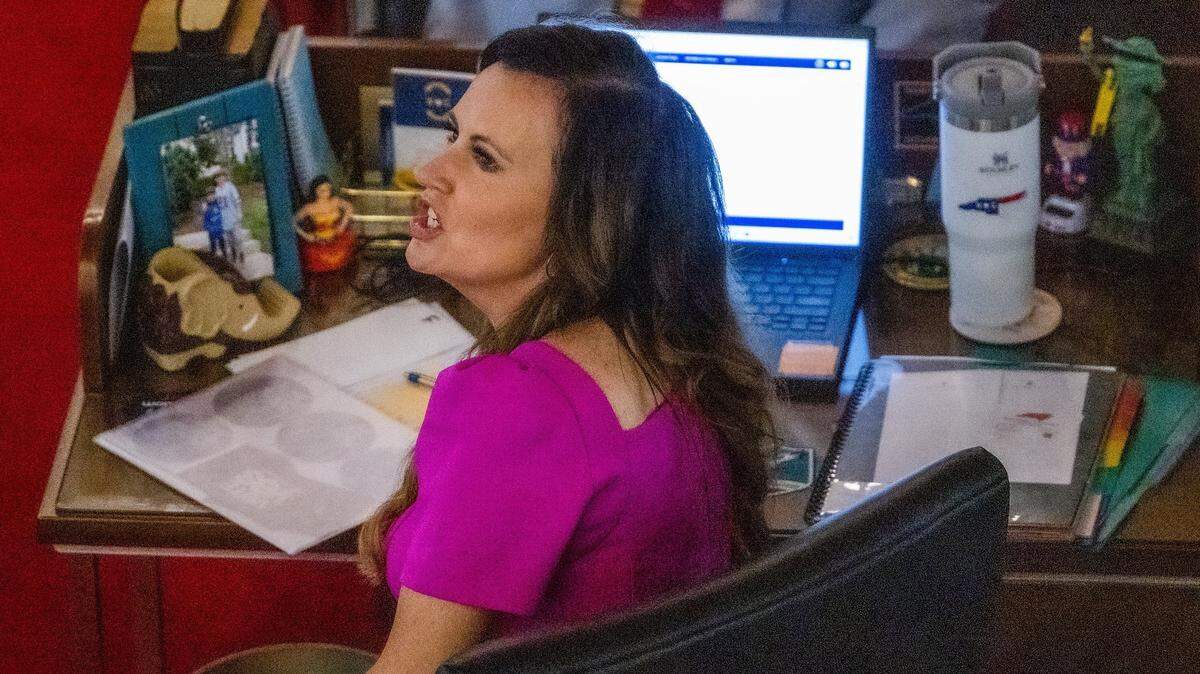
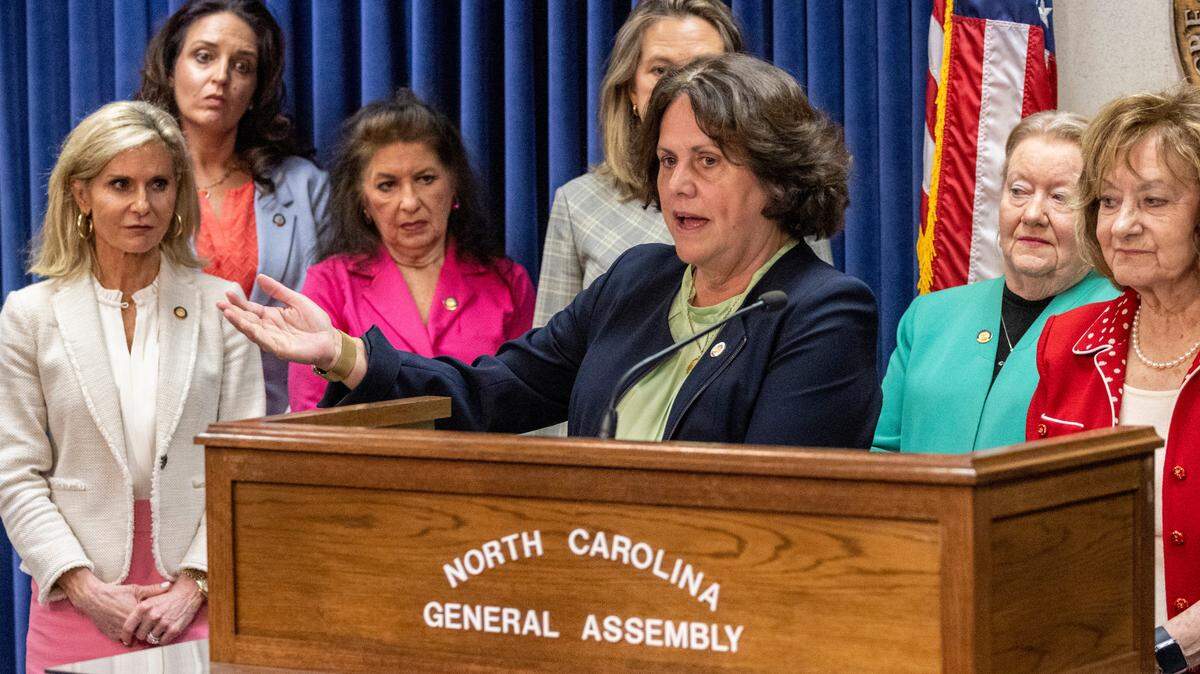
Sen. Vickie Sawyer, an Iredell County Republican who was key in the abortion bill negotiations in her caucus, said some Republicans didn’t want to change the law at all.
I have some very big pro-life people in my district who told us, ‘don’t touch it,’” Sawyer said.
In March, as Republicans were working on the bill, Sawyer said that Republicans knew “we’ll all have to campaign against, for and with it for probably the rest of our political careers, as long as we choose. I mean, this is a big deal.”
Berger told reporters last week that he expects a similar argument for the 2024 election as in 2022.
“You know, in all of the most watched legislative races last year, the Democrats came forward with sort of everything including the kitchen sink argument about abortion. I would say that it’s not to be unexpected that they will continue to do that,” Berger said.
North Carolina’s previous law banned abortion in most cases after 20 weeks’ pregnancy. The new law bans it after 12 weeks, with exceptions for rape and incest up to 20 weeks and fetal anomalies up to 24 weeks.
“I just think that when the voters look at what that bill actually does and where we landed, I feel very good about about the case that we will make to voters as being a reasonable approach, to deal with an issue that for half a century was bottled up and actually kept from the democratic process by the court system. So we’ll see,” Berger said.
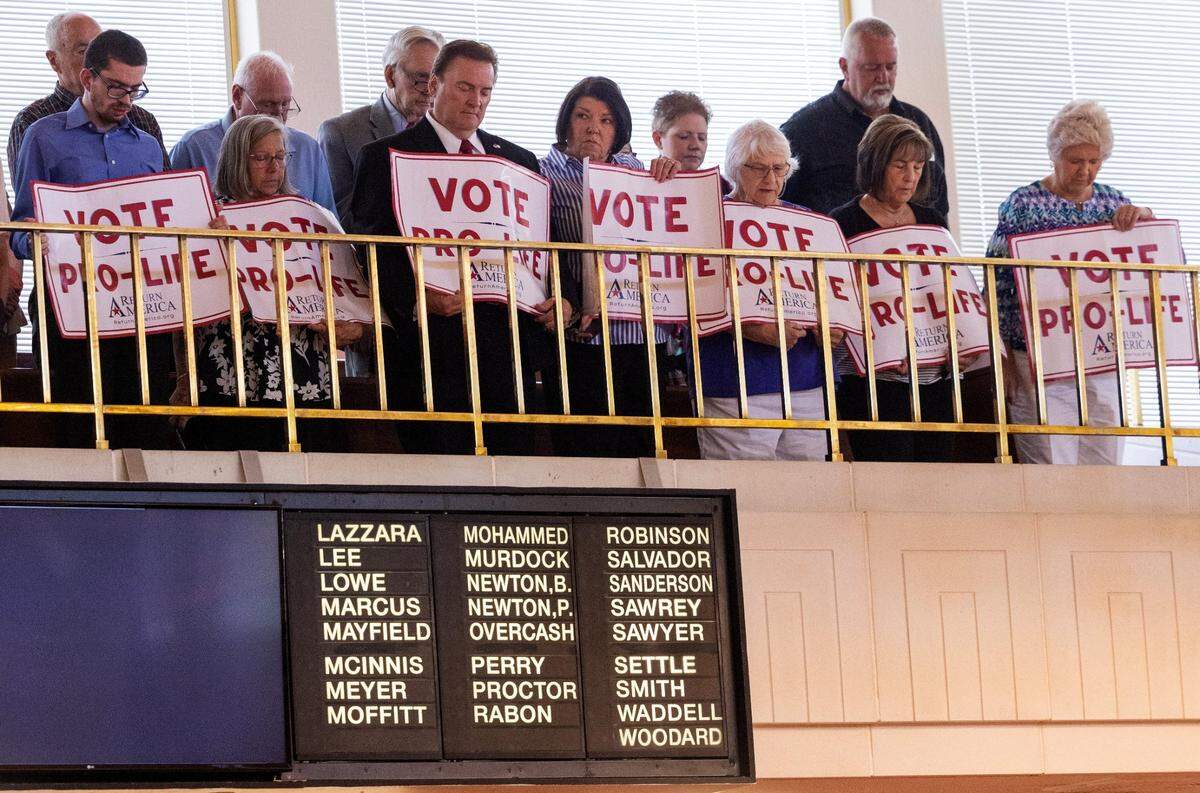
He’s not worried about the Republican base that wanted GOP lawmakers to do more this session.
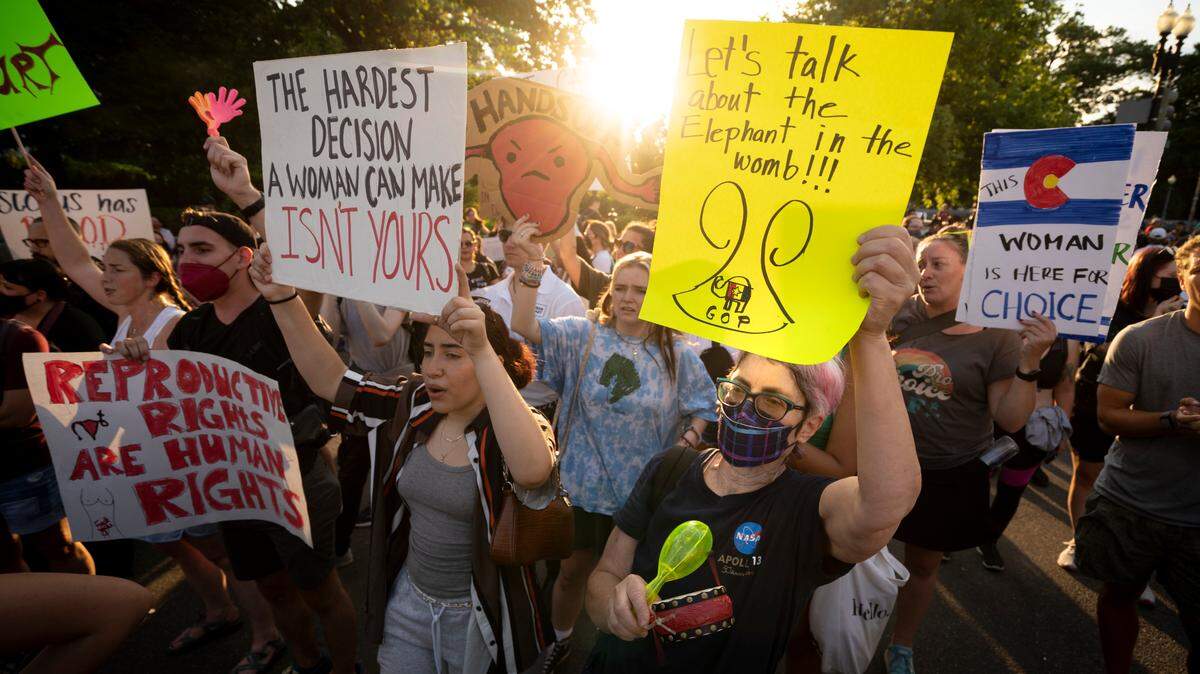
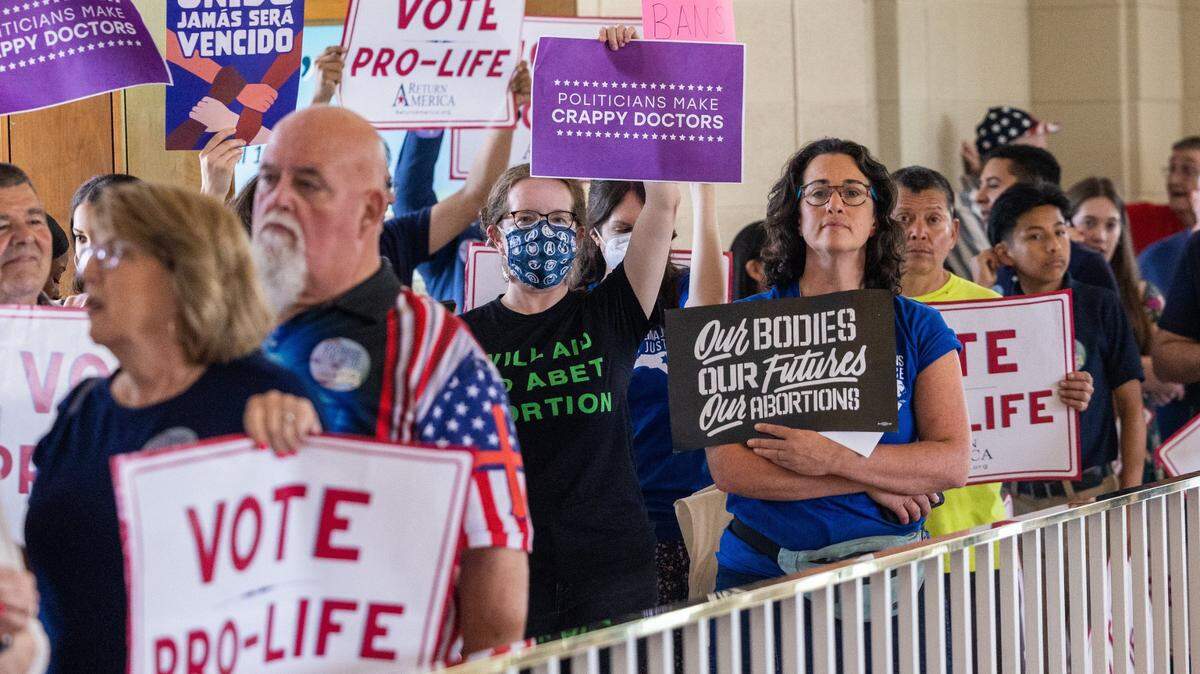
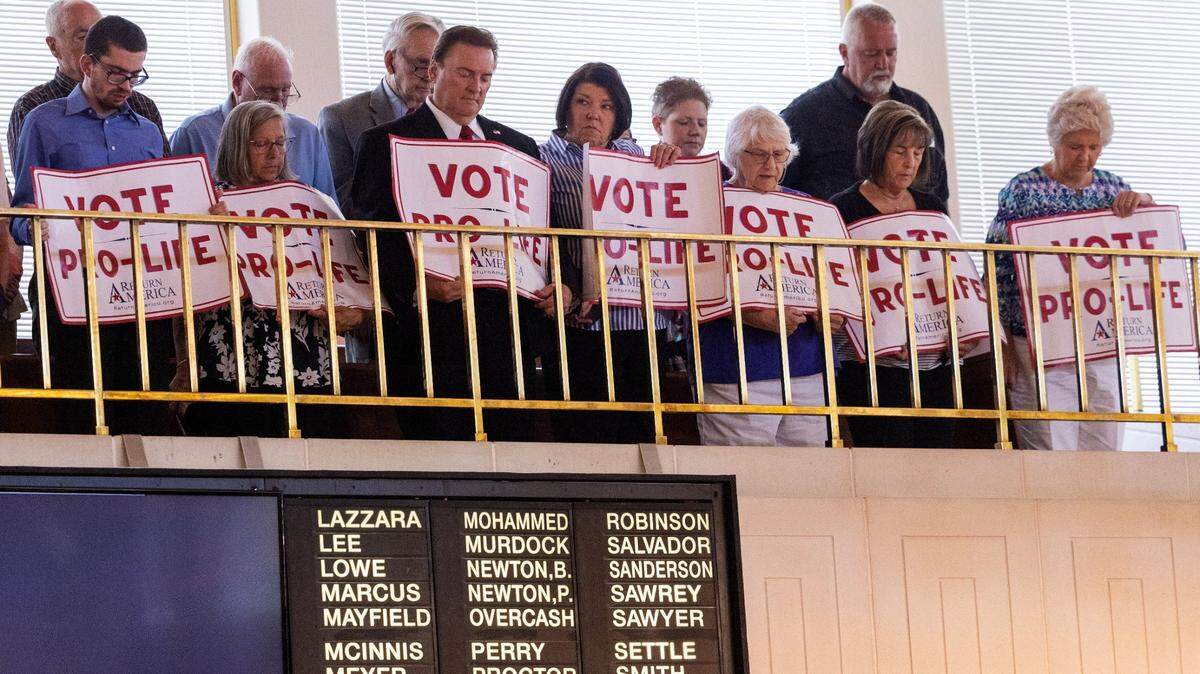
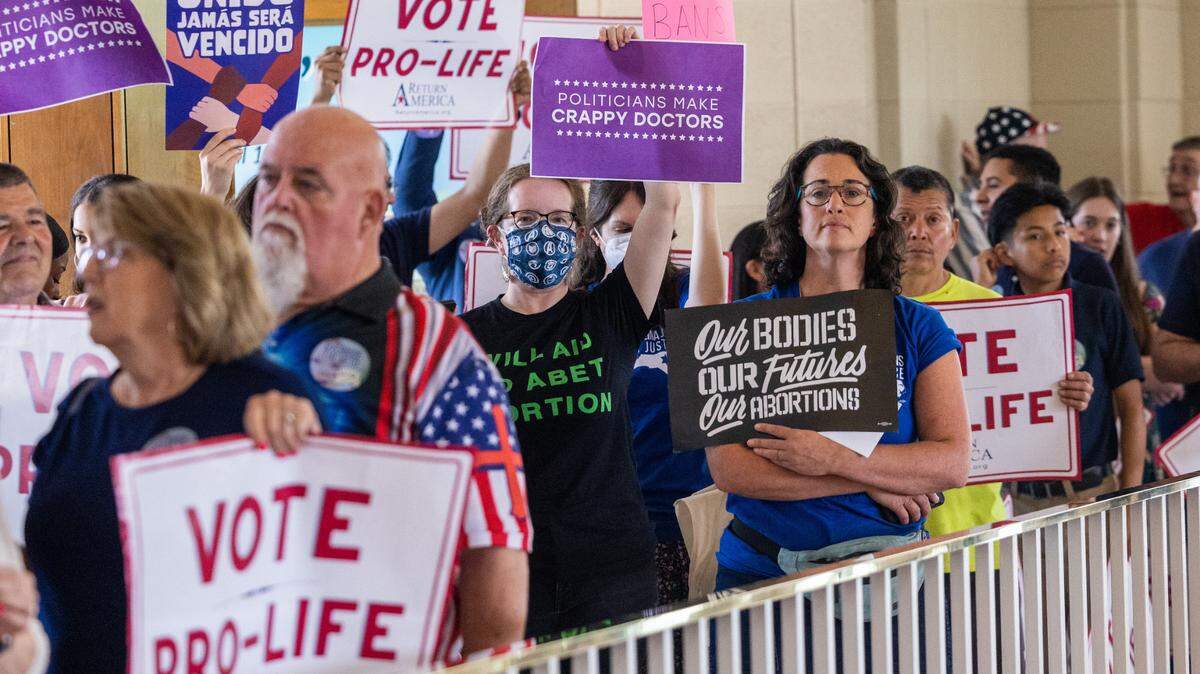
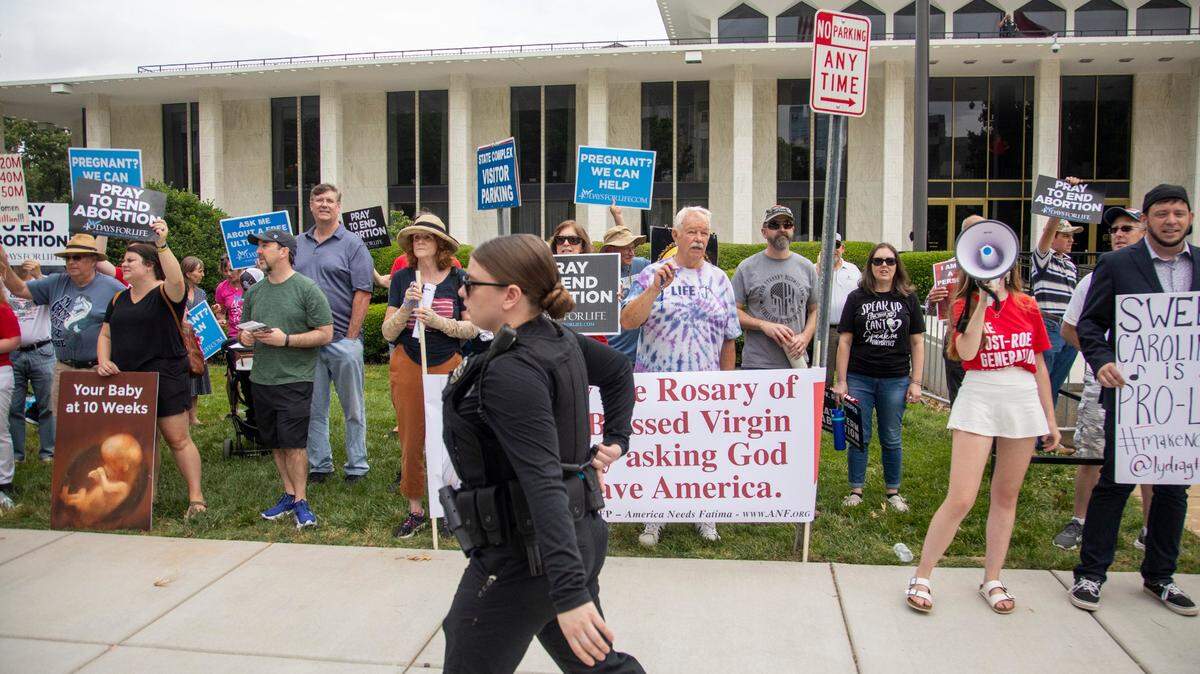
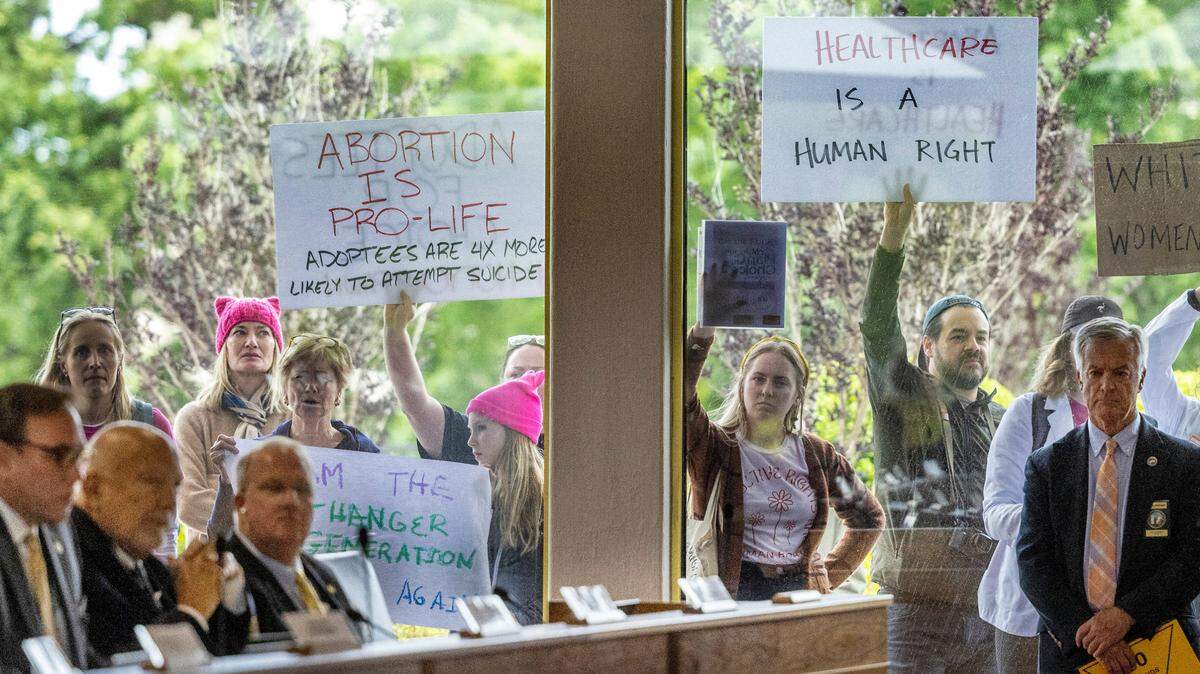
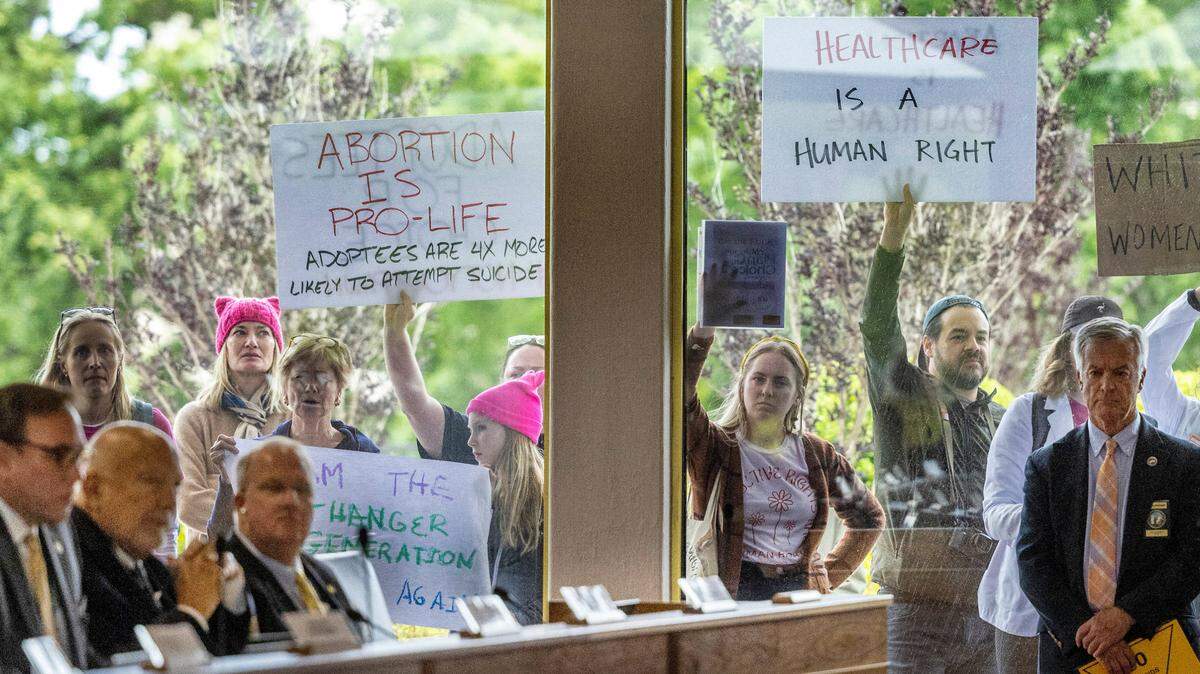
“I think the Republican base is less doctrinaire on that issue than than the Democratic base. In fact, if you remember when we had the debate in this chamber, and you looked up in the gallery, and you saw all of the folks that were there, with the signs talking about pro-life, I commented to one of my colleagues, I said:
‘You know, I dare say that just about everybody up there would have preferred that we moved forward with a heartbeat bill or something else. Yet they are here to support what we’re doing.’ And I think you’ll find that that’ll be the case when we get to the elections,” Berger said.
“We know that this is not where they want to stop,” said Clayton, the state Democratic Party chair.
“How we phrased it, and how I think that we need to continue to frame it, is the fact that (abortion) is a decision that should be made between the person and their doctor, and that no one can determine for you what is right besides the decision between you, your medical provider and your family.”
This story was originally published June 15, 2023 at 5:00 AM with the headline "How NC’s 2023 abortion law may impact the 2024 elections."
.jpg)
.jpg)