Now that the GOP’s abortion bill is law in NC, when does the 12-week ban take effect?
READ MORE
Abortion in North Carolina
Republicans in the North Carolina state legislature passed a law that implements new abortion restrictions. What does that mean for access to abortion? Read coverage on the issue from The News & Observer and The Charlotte Observer.
Expand All
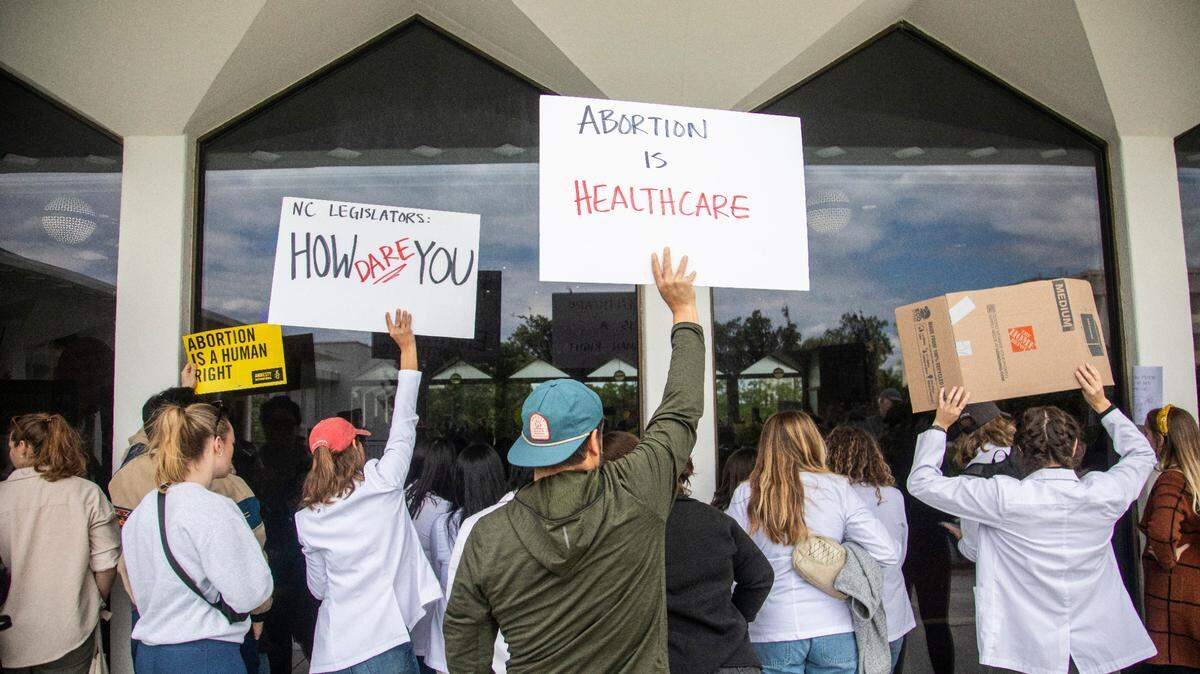
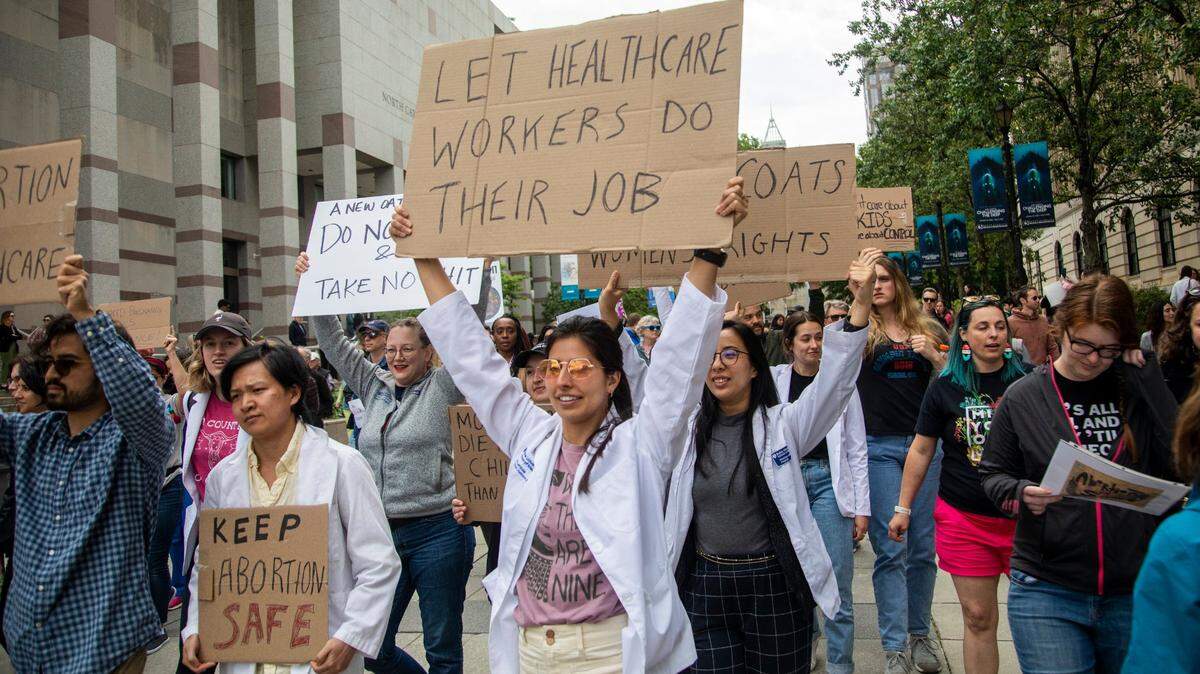
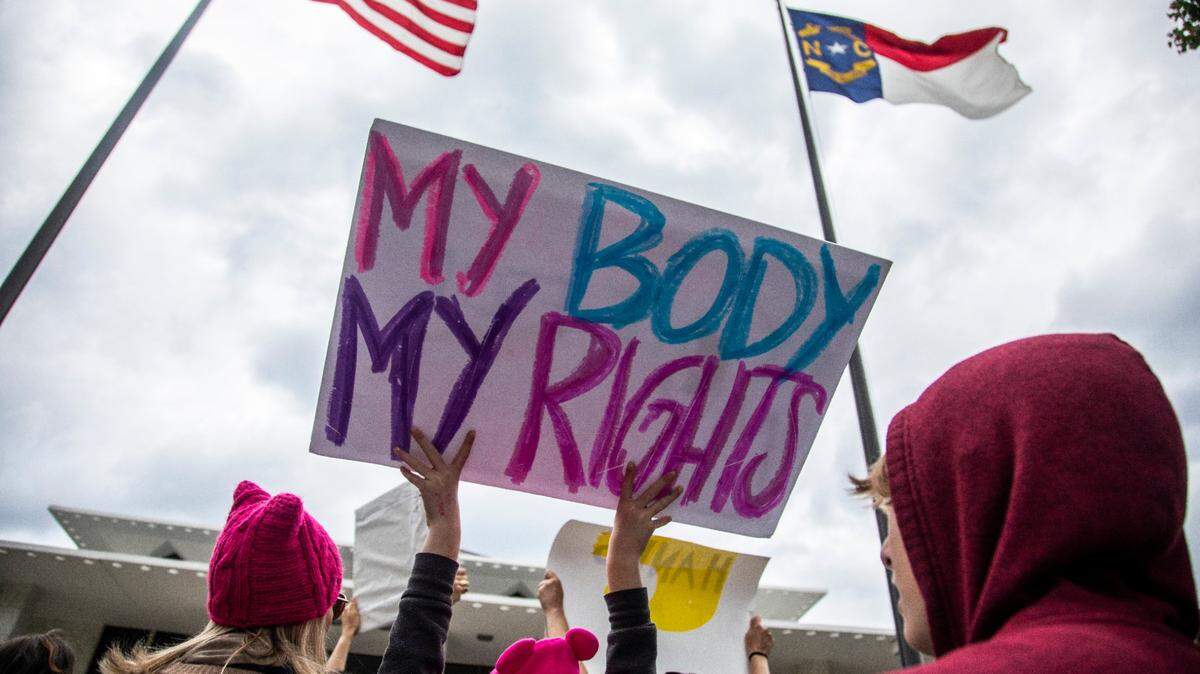
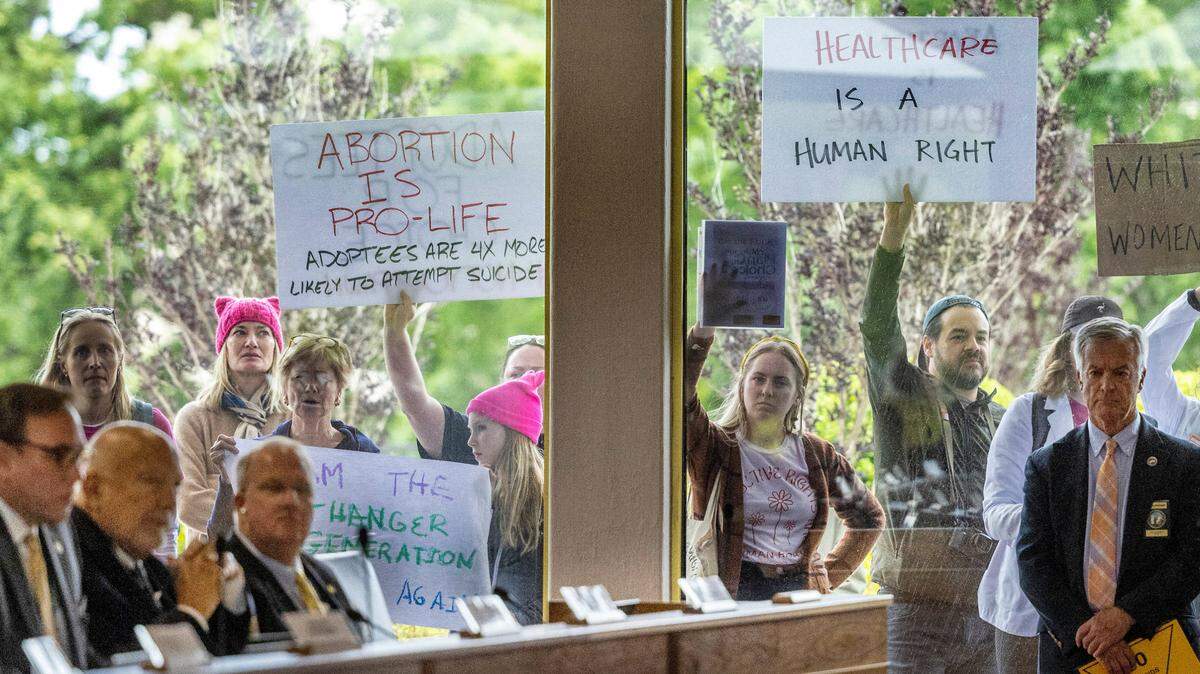
State lawmakers voted Tuesday to override Democratic Gov. Roy Cooper’s veto of the 12-week abortion bill.
But the new law doesn’t all take effect at once.
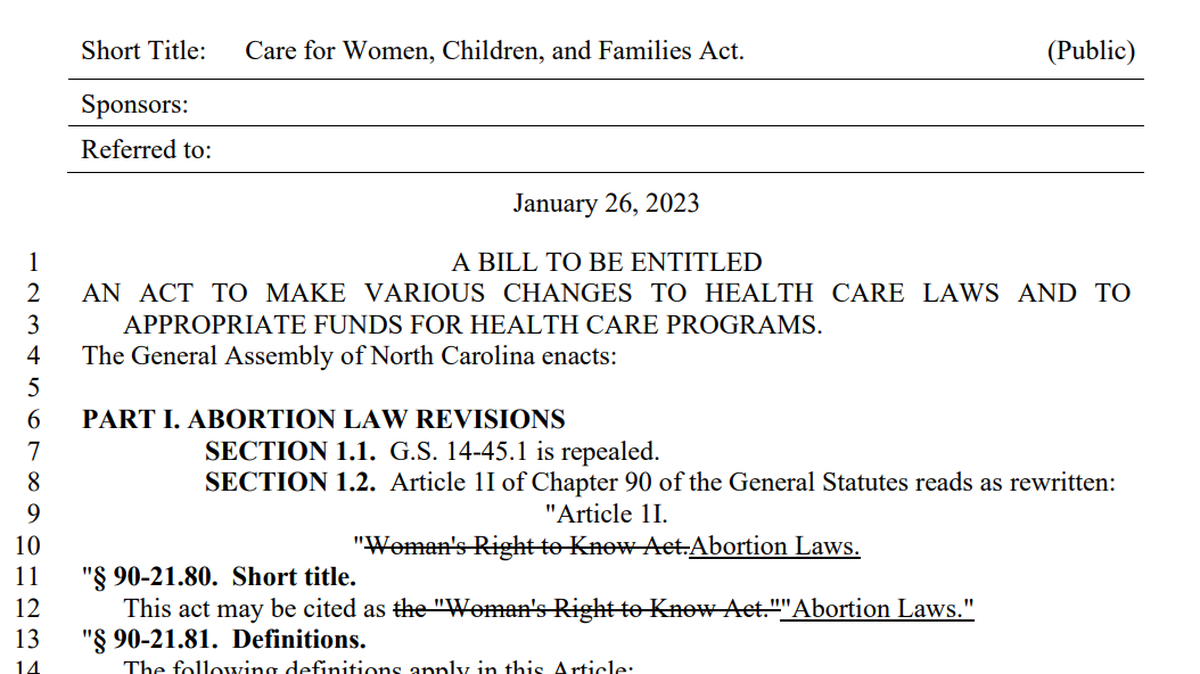
The law, known as the Care for Women, Children, and Families Act, prohibits abortions after 12 weeks, with exceptions: up to 20 weeks for rape and incest, up to 24 weeks for “life-limiting” fetal anomalies, and without limit if a physician determines that the mother’s life is in danger due to a medical emergency.
Here’s a breakdown on when the various parts of the 46-page bill go live.
Effective July 1, 2023
The provisions that take effect July 1 include:
- The repeal of the current law, which allows abortions until 20 weeks of gestation, and the enactment of the new 12-week abortion limit and the associated exceptions.
- New informed consent requirements for medical abortions, requiring physicians to provide the pregnant person an abortion consent form at least 72 hours earlier. It must be initialed and signed, disclosing the probable gestational age of the child, the risks of carrying the pregnancy to term and a real-time view of the fetus and heart tone monitoring, among other provisions.
- New requirements that physicians providing abortion-inducing drugs must verify the gestational age of the fetus is no more than 10 weeks, determine the woman’s blood type and schedule two new in-person appointments, one 72 hours before taking the pill and another appointment one to two weeks afterward. This is in addition to the in-person appointment already required when taking the pill.
- New requirements for physicians to report to the state’s Department of Health and Human Services all abortions performed after 12 weeks alongside information such as the demographic and medical history of the woman who had the abortion, whether the woman returned for a follow-up appointment — which the physician must make all efforts to schedule — and more.
- Funding provisions, which include $7 million to increase access to reversible contraception, $20 million in state funds for maternity and paternity leave for teachers and state employees and funding for a range of services including child care and foster care.
- A prohibition on eugenics abortions.
- A provision that creates a $5,000 fine for any person or organization who advertises or provides abortion-inducing drugs, such as mifepristone and misoprostol, in violation of the law.
Effective Oct. 1, 2023
Other parts of the law take effect Oct. 1:
- A new requirement that all surgical abortions after 12 weeks be performed in a hospital.
- A new requirement that abortion clinics be licensed by DHHS in order to operate. DHHS must adopt licensing rules prior to October.
- Expanded practice authority for certified nurse midwives.
- New provisions for “safe surrender” of an infant, which allow individuals to hand over their child to health care providers and other designated individuals, if they meet requirements. Under this safe surrender clause, the state also provides $700,000 a year for the state’s Maternity Home Fund, a program which provides maternity housing or alternative care services.
Effective Dec. 1, 2023
Another part of the law takes effect Dec. 1:
- Expansion of the list of crimes that make an individual subject to satellite-based monitoring and expansion of the amount of time someone can be subject to that monitoring.
This story was originally published May 17, 2023 at 5:30 AM with the headline "Now that the GOP’s abortion bill is law in NC, when does the 12-week ban take effect?."
















.jpg)