Abortion in North Carolina: A timeline of state laws that have restricted access
READ MORE
Abortion in North Carolina
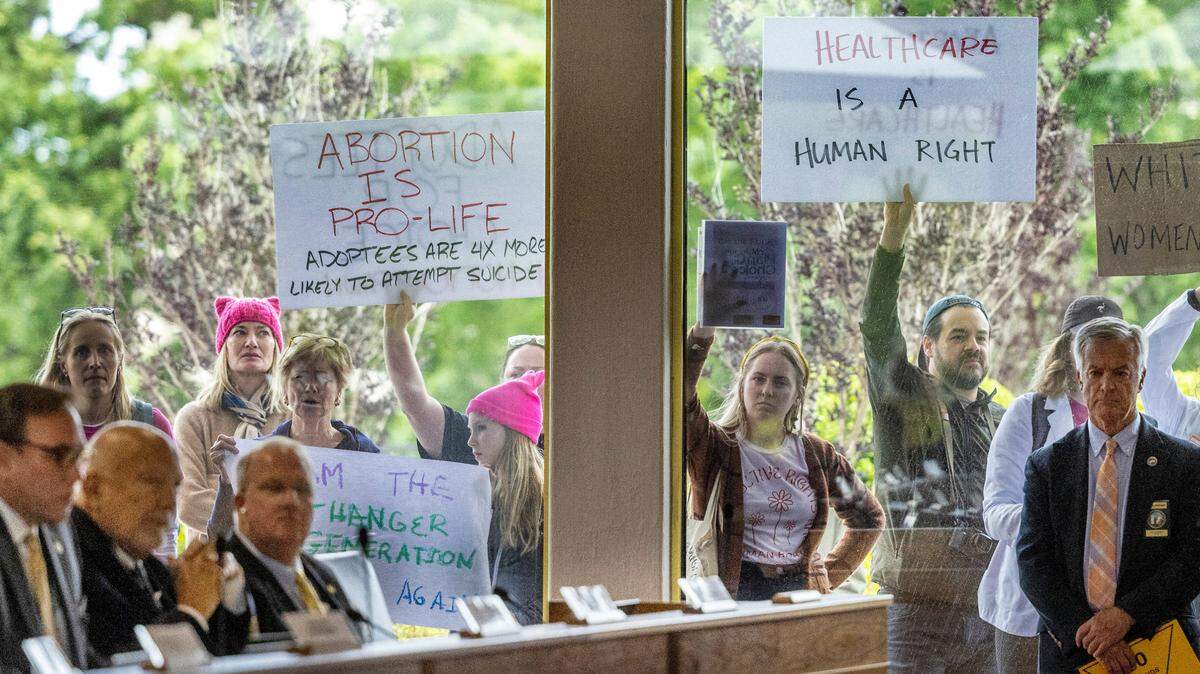
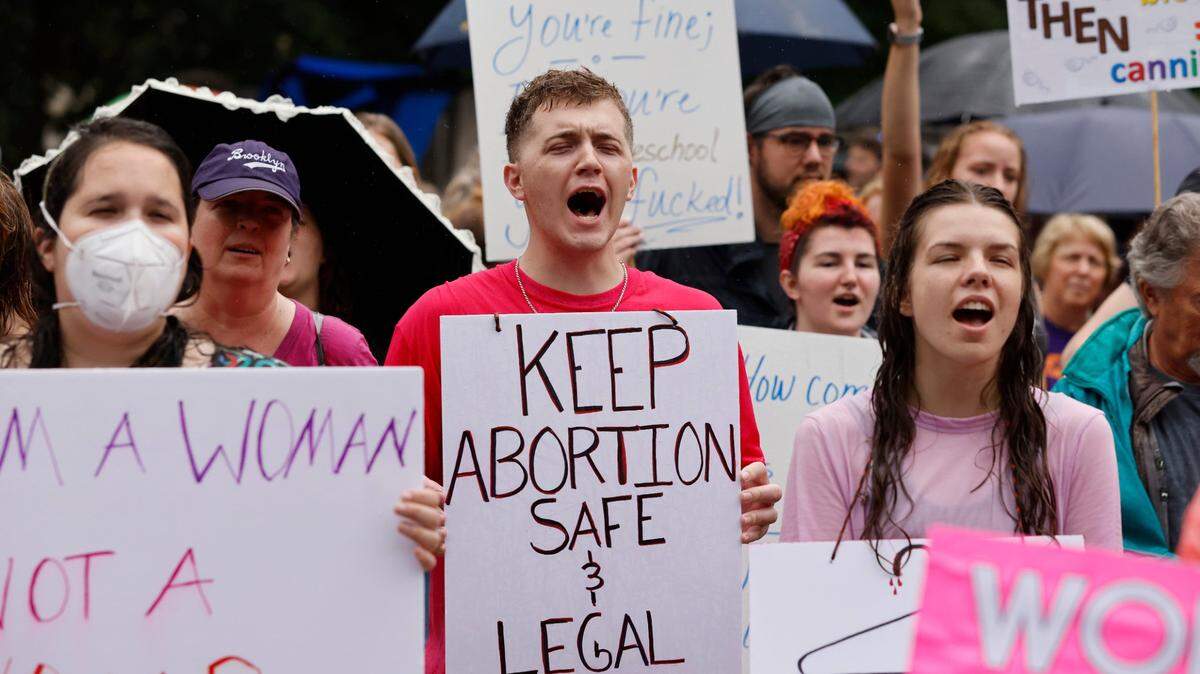
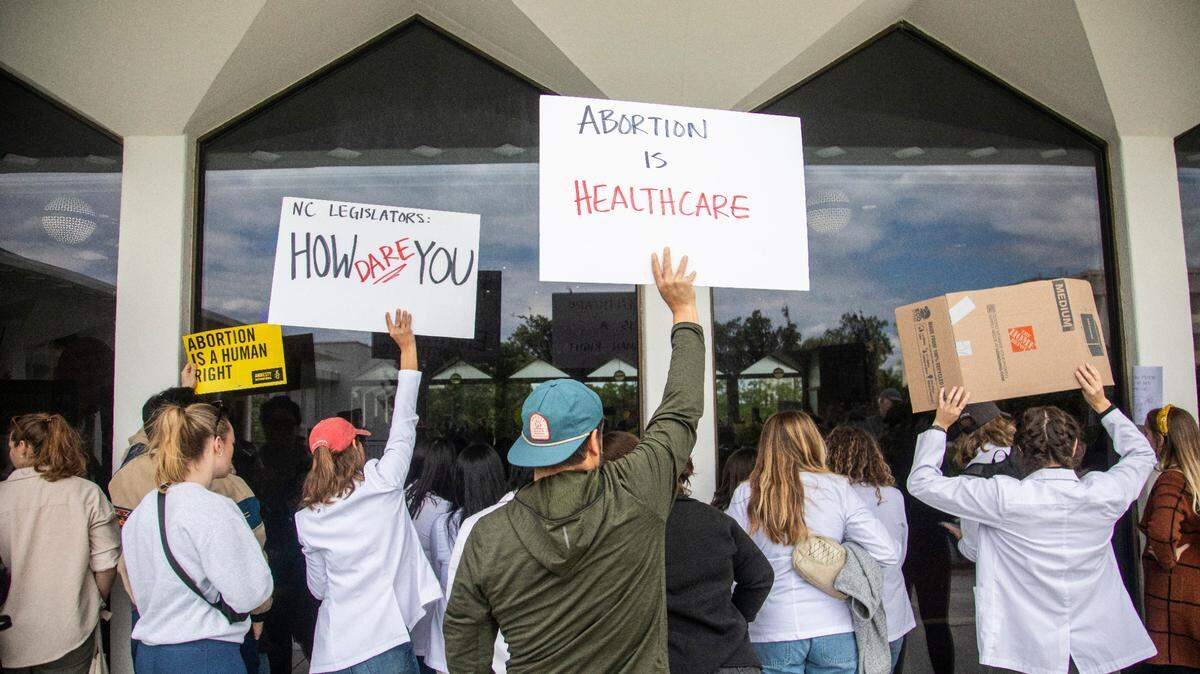
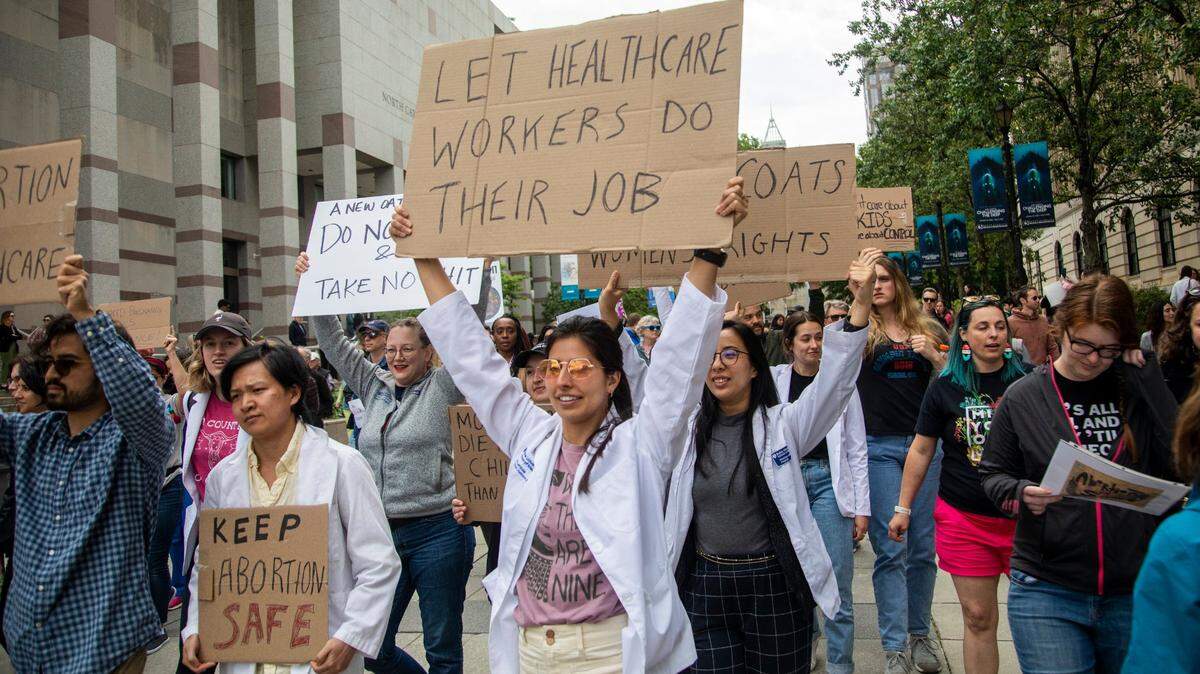
Republicans in the North Carolina state legislature passed a law that implements new abortion restrictions. What does that mean for access to abortion? Read coverage on the issue from The News & Observer and The Charlotte Observer.
Expand All
Abortion laws in North Carolina go back to at least the 19th century. Here’s a quick rundown on some of the major changes in laws enacted regarding the procedure.
1881
Abortions made illegal after “quickening,” or when the pregnant person can feel fetal movements, usually around four to six months into a pregnancy.
1967
Abortion law is modified to say abortions are legal in cases of rape, incest or when they are necessary to protect the life and health of the pregnant person.
1973
The U.S. Supreme Court’s Roe v. Wade decision makes abortion legal in the United States, before “fetal viability,” which is typically 23-24 weeks.
1973
A new North Carolina law bans abortion after 20 weeks, but it is not enforced because the federal Roe v. Wade decision takes precedence.
2011
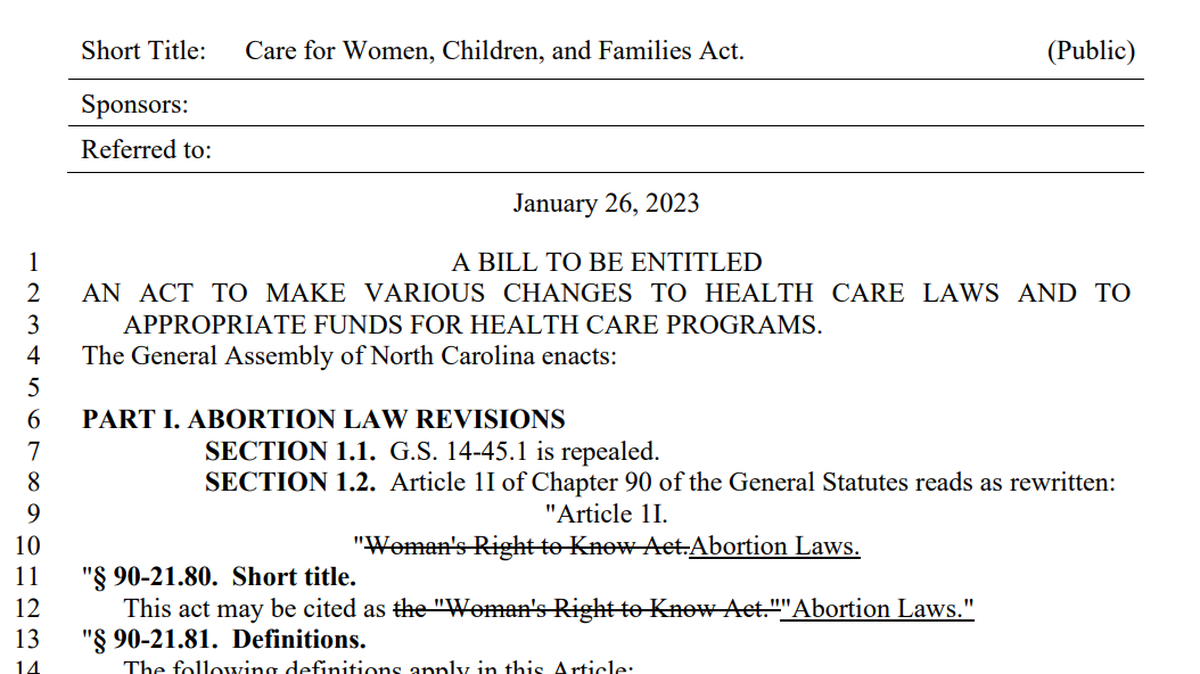
Lawmakers pass the North Carolina Woman’s Right To Know Act. Gov. Beverly Perdue vetoed the law, but her veto was overridden by the General Assembly. Patients must receive counseling 24 hours before an abortion is performed. Patients under 18 must also receive permission from a parent or guardian. The law originally contained a provision for real-time viewing of ultrasound images, but it was struck down in 2015.
2015
North Carolina lawmakers update the 2011 law with the Women and Children’s Protection Act of 2015, which institutes a mandatory three-day waiting period for pregnant people seeking an abortion after an initial consultation. The updated law also narrowed the list of acceptable exceptions to get an abortion after the 20-week period.
2023
Abortions are currently banned after 20 weeks of pregnancy, with an exception for medical emergencies. The 20-week ban had been blocked by a federal judge, but was reinstated in August following the U.S. Supreme Court’s decision overturning Roe v. Wade.
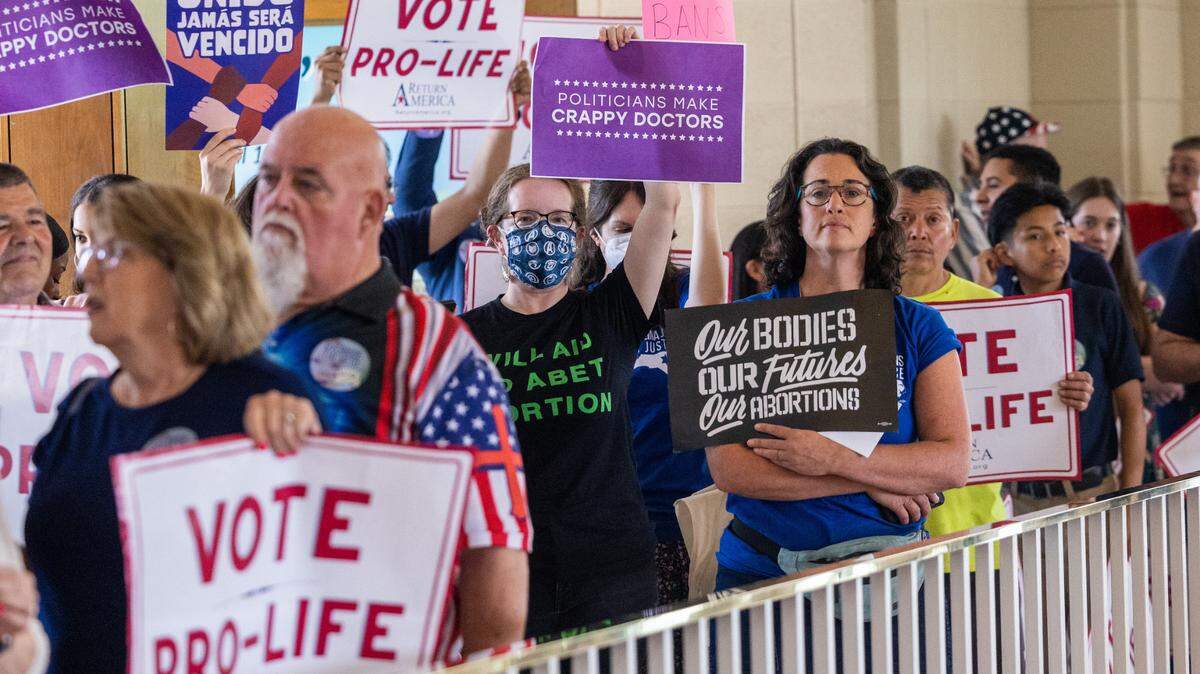
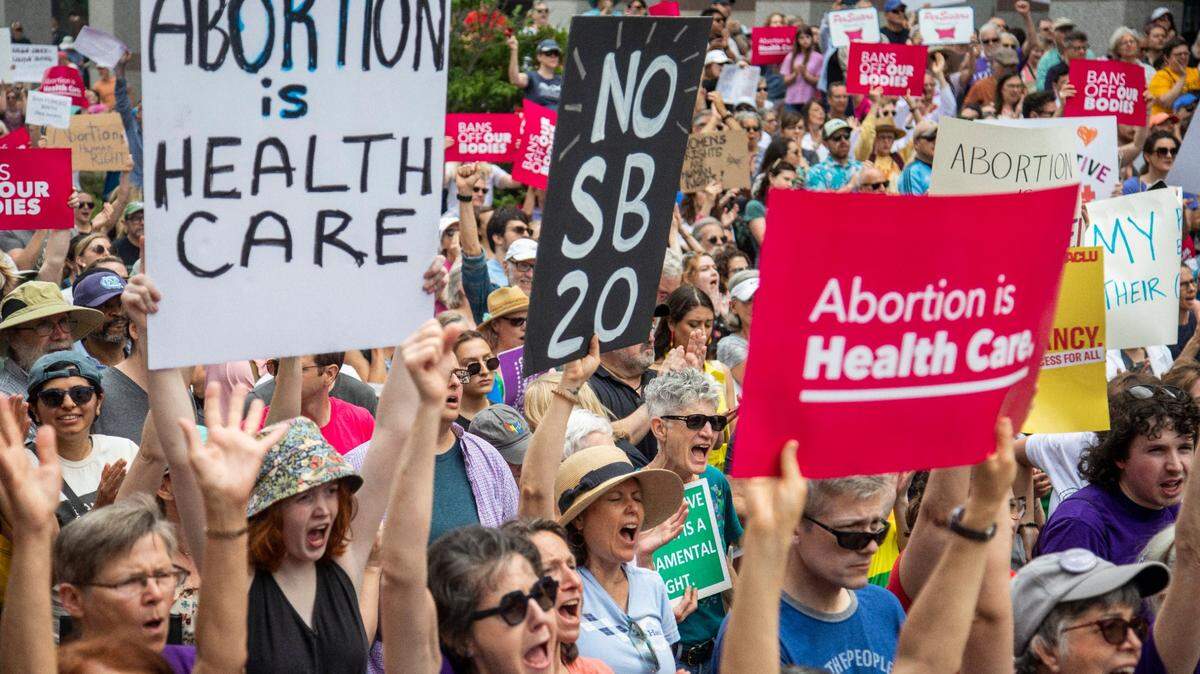
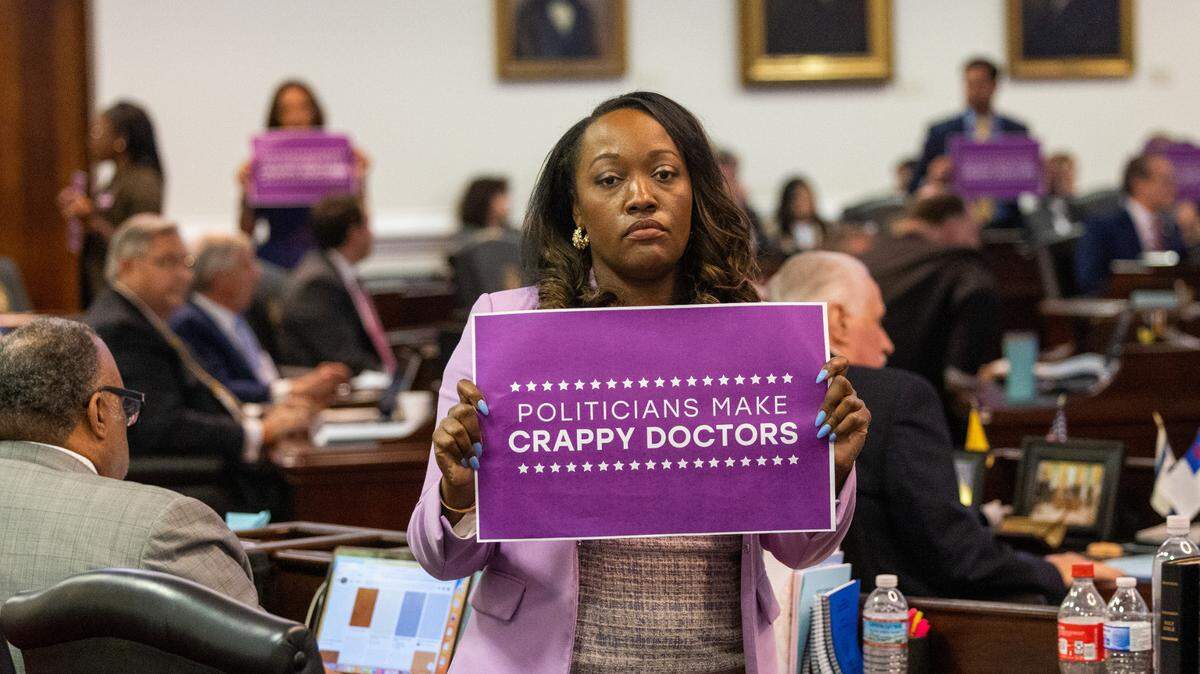
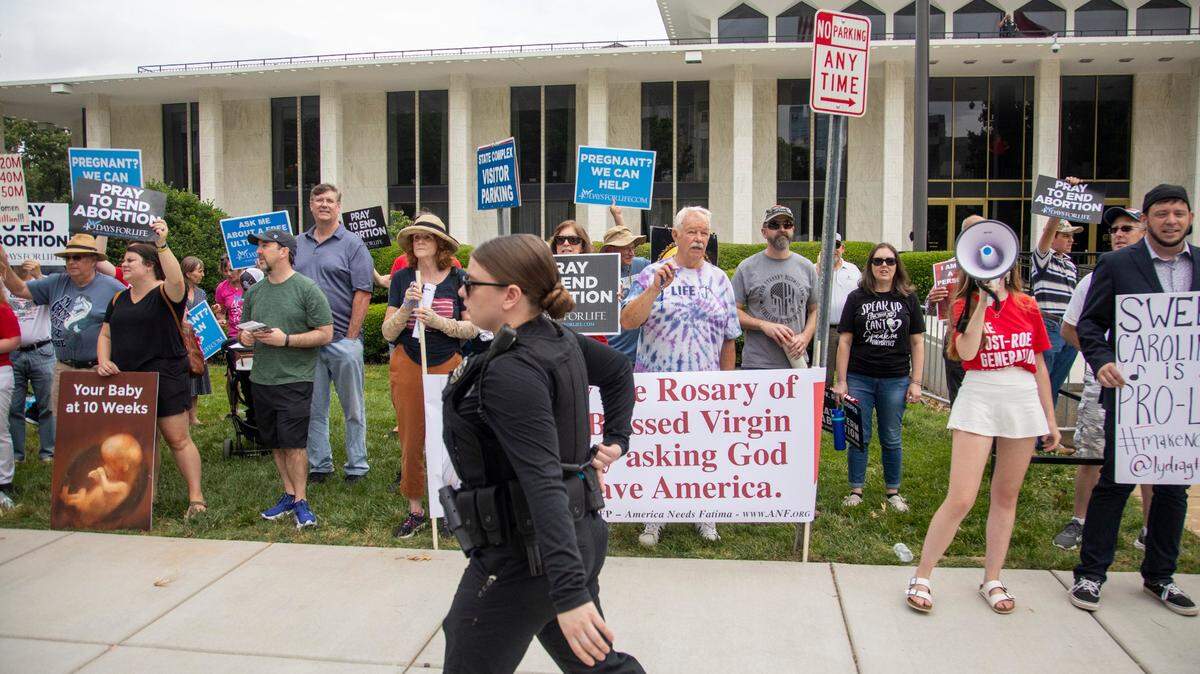
On May 2, Republican state lawmakers introduced a bill with a 12-week abortion ban that includes a few exceptions.
After Senate Bill 20 passed through the General Assembly, Gov. Roy Cooper vetoed it on May 13.
But on May 17, the House and Senate both voted to override the veto.
The law approved by the state House and Senate is a first-trimester ban that would block the procedure after 12 weeks of pregnancy. It includes exceptions for pregnancies caused by rape or incest, pregnancies involving certain fetal anomalies, and situations in which the mother’s life is in danger.
It also includes more than $100 million in funding for child care, foster care, and maternity and paternity leave for teachers and state employees.
▪ For frequently asked questions about the law, see this story.
▪ For a timeline of when it goes into effect, see this story.
This story was originally published June 12, 2022 at 6:00 AM.

















.jpg)