NC legislature passes abortion bill. Governor will veto, but GOP has supermajority
READ MORE
Abortion in North Carolina
Republicans in the North Carolina state legislature passed a law that implements new abortion restrictions. What does that mean for access to abortion? Read coverage on the issue from The News & Observer and The Charlotte Observer.
Expand All
The Republican-written bill that prohibits abortions after 12 weeks in North Carolina passed the General Assembly on Thursday with a vote in the Senate after hours of debate.
With a supermajority in both the House and Senate, Republicans have the votes to override a veto from Democratic Gov. Roy Cooper, who said earlier this week he would veto it, calling the bill “extreme.”
The bill passed the Senate 29-20, along party lines with all Republicans in favor and Democrats against. Republican Sen. Todd Johnson had to leave before the vote. There are 30 Republican senators, which is a three-fifths supermajority. The House passed Senate Bill 20 along a party-line vote on Wednesday night.
After the Senate vote around 5 p.m. Thursday, the bill was sent to Cooper.
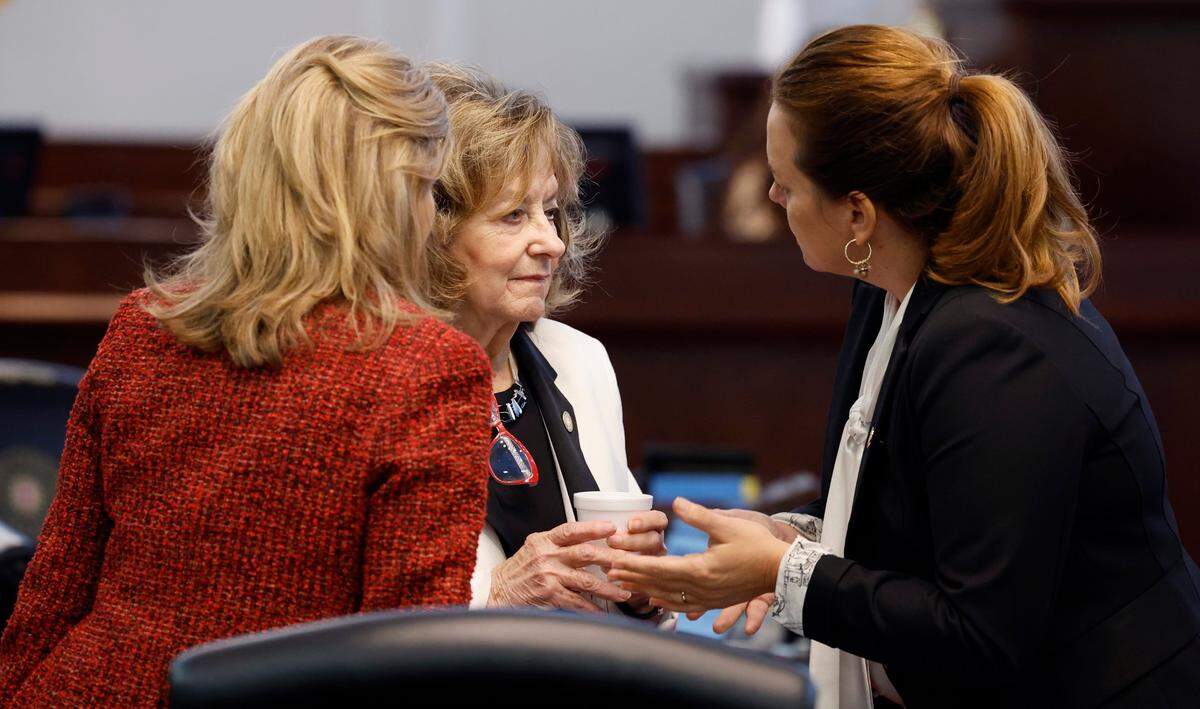
Sen. Joyce Krawiec, who was part of a working group of Republicans who negotiated the abortion bill, said Thursday that lawmakers “have worked for months to come up with this mainstream, common-sense piece of legislation that will address the abortion issue, as well as reduce infant and maternal mortality and morbidity.”
North Carolina currently prohibits abortions after 20 weeks of pregnancy, with limited exceptions for medical emergencies. The GOP proposal would bring that down to 12 weeks with exceptions up to 20 weeks for rape and incest, up to 24 weeks for “life-limiting” fetal anomalies, and without limit if a physician determines that the mother’s life is in danger due to a medical emergency.
The bill also funds services, such as child care, foster care and contraception, as well as paid parental leave for teachers and state employees.
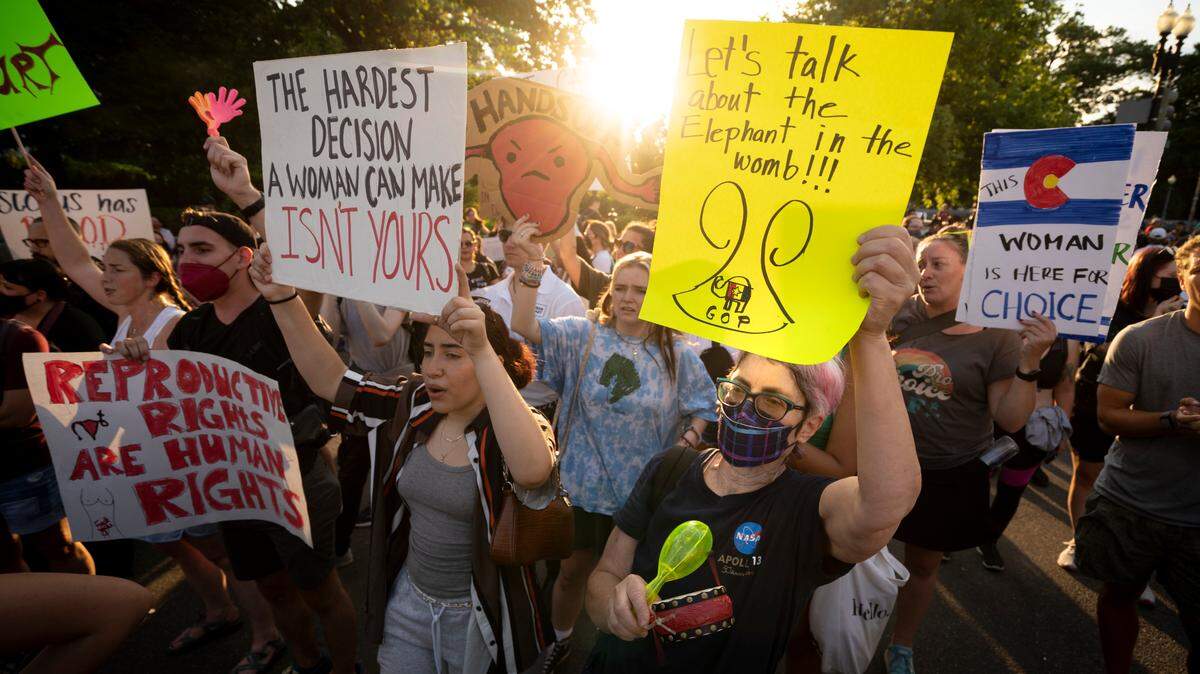
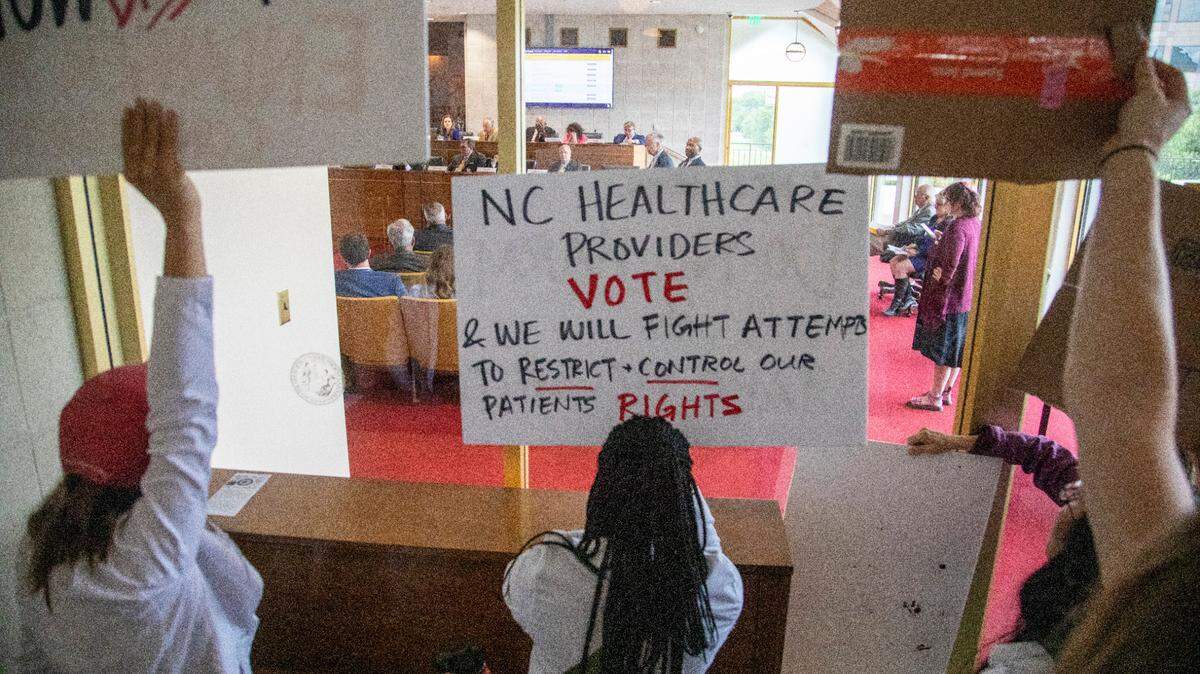
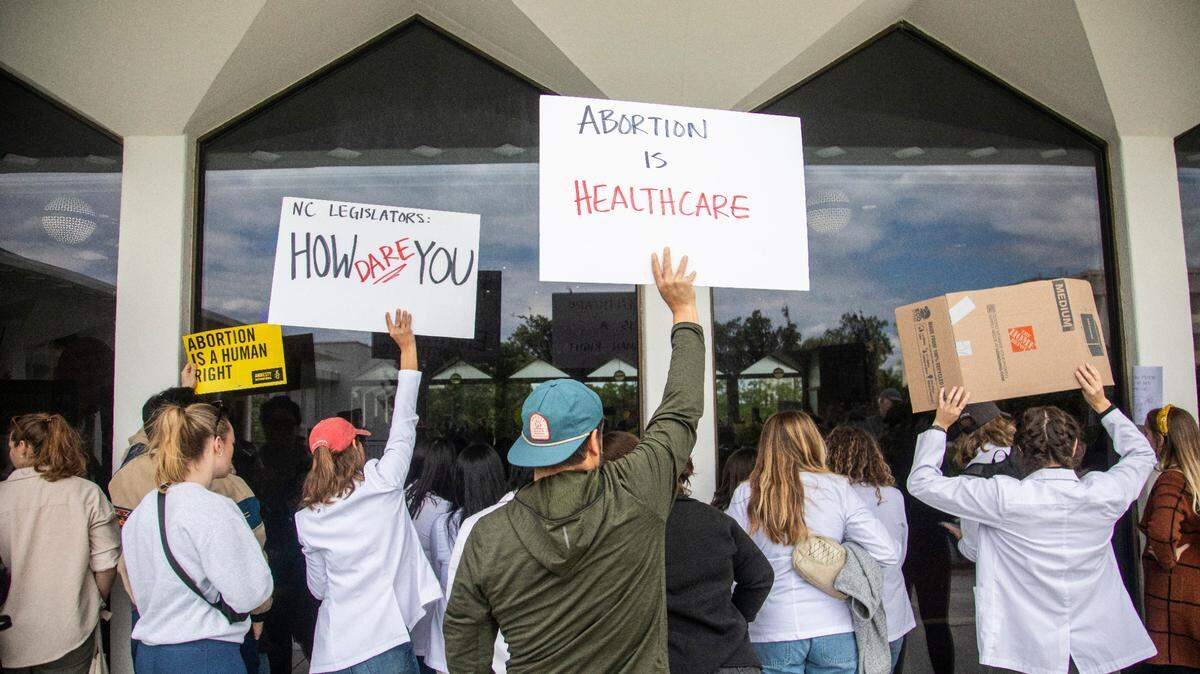
Doctors and others rallied Wednesday at the legislature, warning that the bill would make it more difficult for women to terminate a pregnancy.
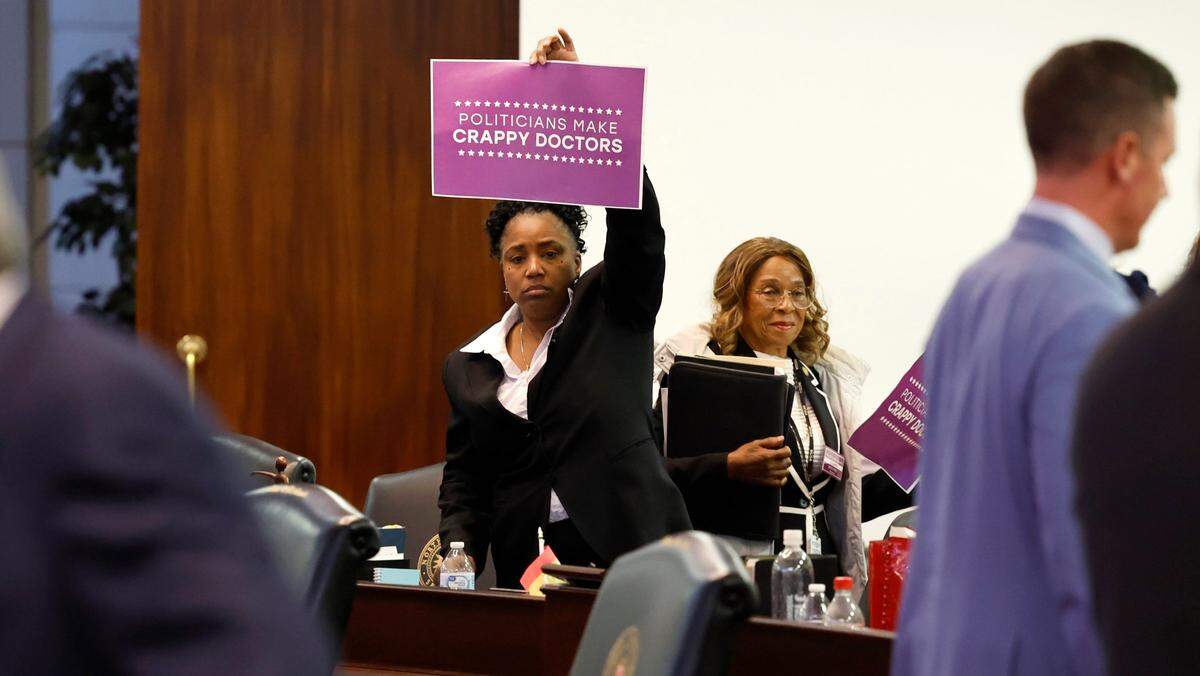
Right after the vote late Thursday afternoon, people in the gallery above the Senate floor started shouting loudly, saying “abortion rights now” and “shame.” Senate leader Phil Berger ordered the gallery to be cleared, and the protesters were escorted out just before senators adjourned for the week.
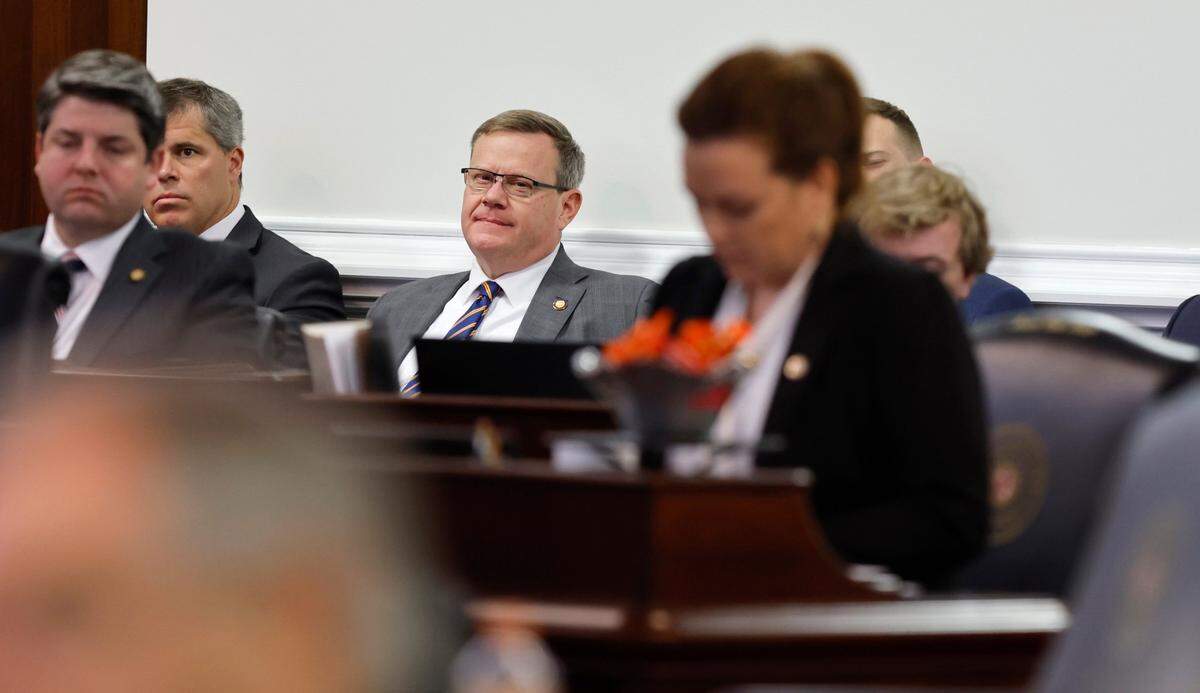
Senate debate on the abortion bill
Republican Sen. Vickie Sawyer said Thursday “no stones were left unturned” and that lawmakers talked to doctors to learn about the care women received while pregnant.
“I hope my colleagues across the aisle can can look past the extremes and see the good this does for women, children and families,” with the bill putting in place protections for women who experience domestic violence or are assaulted, among other provisions, she said.
Sen. Amy Galey said the abortion issue led her to become a Republican, as “Democrats over the years increasingly became dominated by abortion special interests who insist that there should be a fundamental right to abort an unborn child for any reason at any time.”

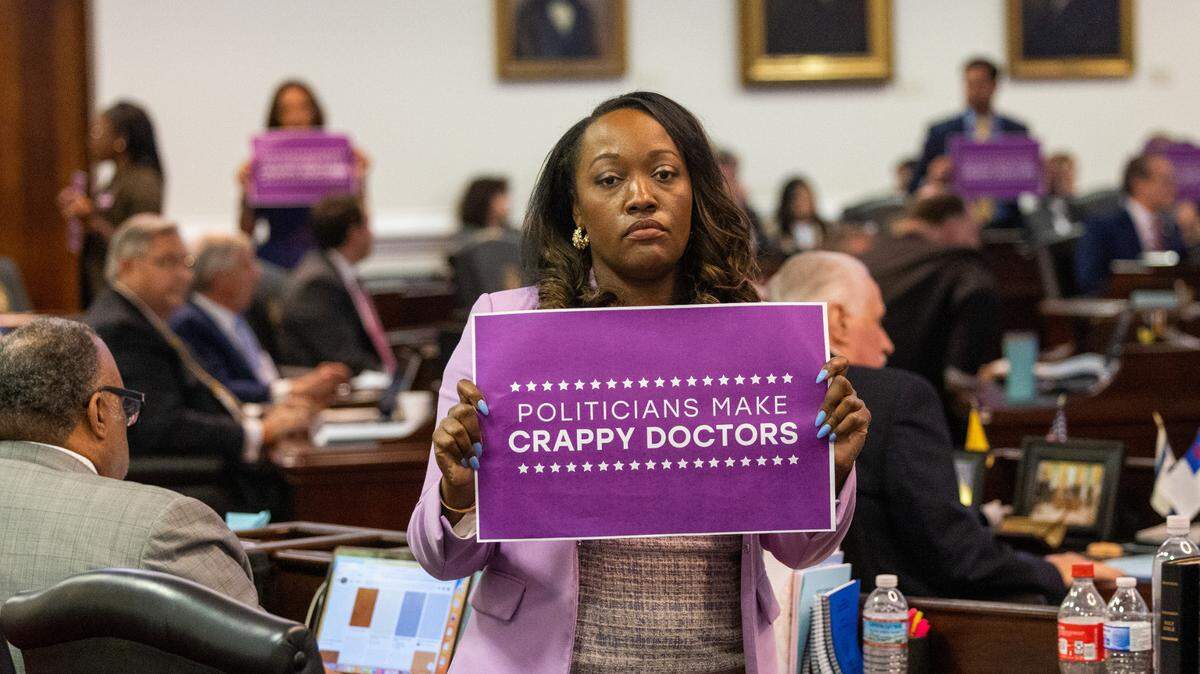
Democrats have said they have not been a part of discussions, and on Thursday, all Democrats used the 10 minutes they were allotted to speak about the bill. Berger allowed some of the senators to speak slightly longer than 10 minutes, with reminders to wrap up their comments.
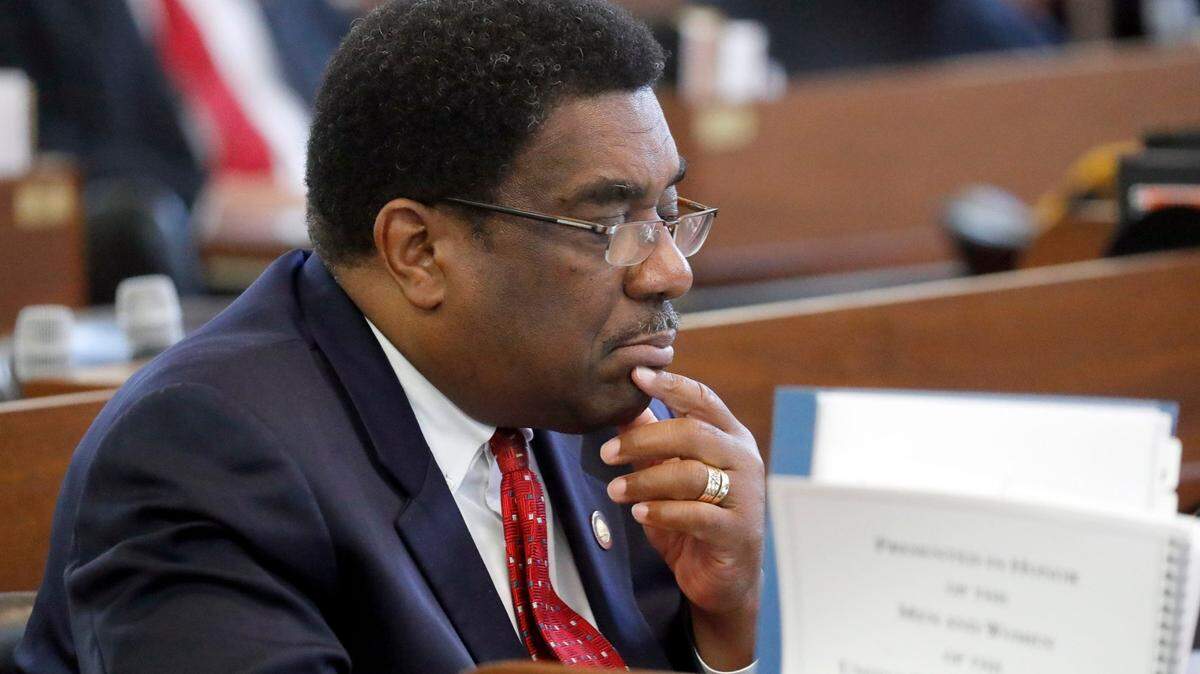
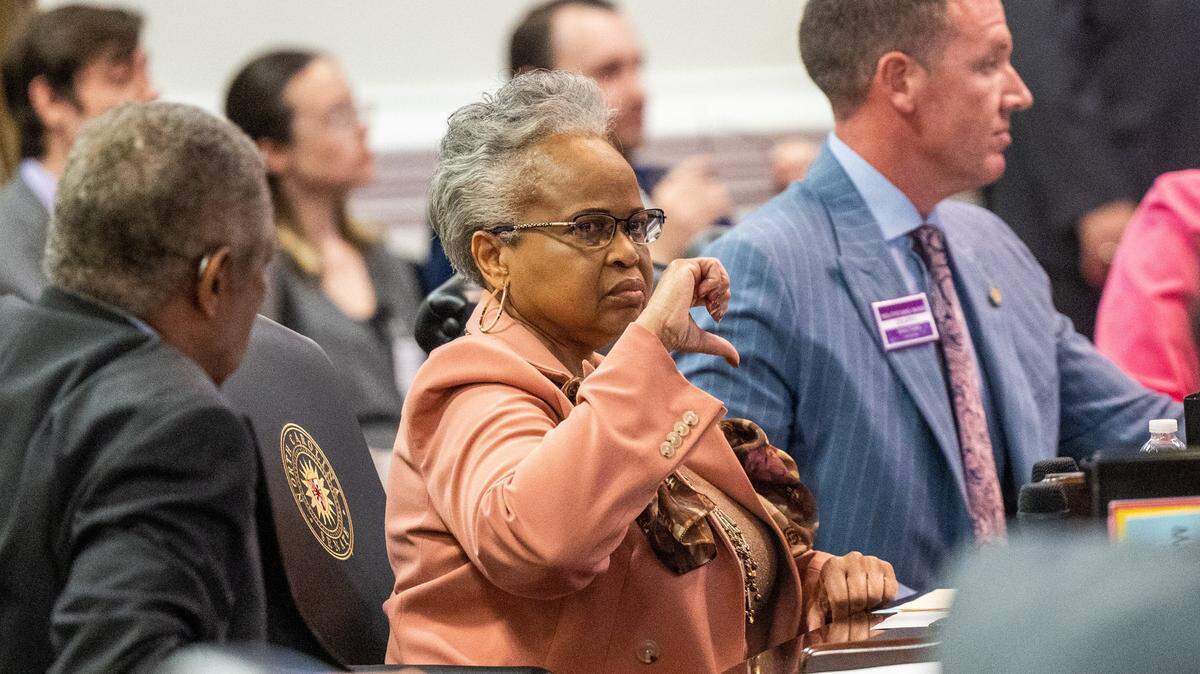
“This bill would not stop women from seeking out abortions. It will simply force them to seek out unsafe and often deadly alternatives, such as self-induced abortions and seeking out unregulated providers,” said Democratic Sen. Gladys Robinson, who also touched on high infant and maternal mortality rates in the state, especially for Black infants and mothers.
Sen. Natalie Murdock, a Durham Democrat, questioned the limits on what constitutes a medical emergency under the bill, saying as one “of the few women in this chamber that can still hopefully have, God willing, have children,” she was “horrified at the prospect of having a child” in her home state.
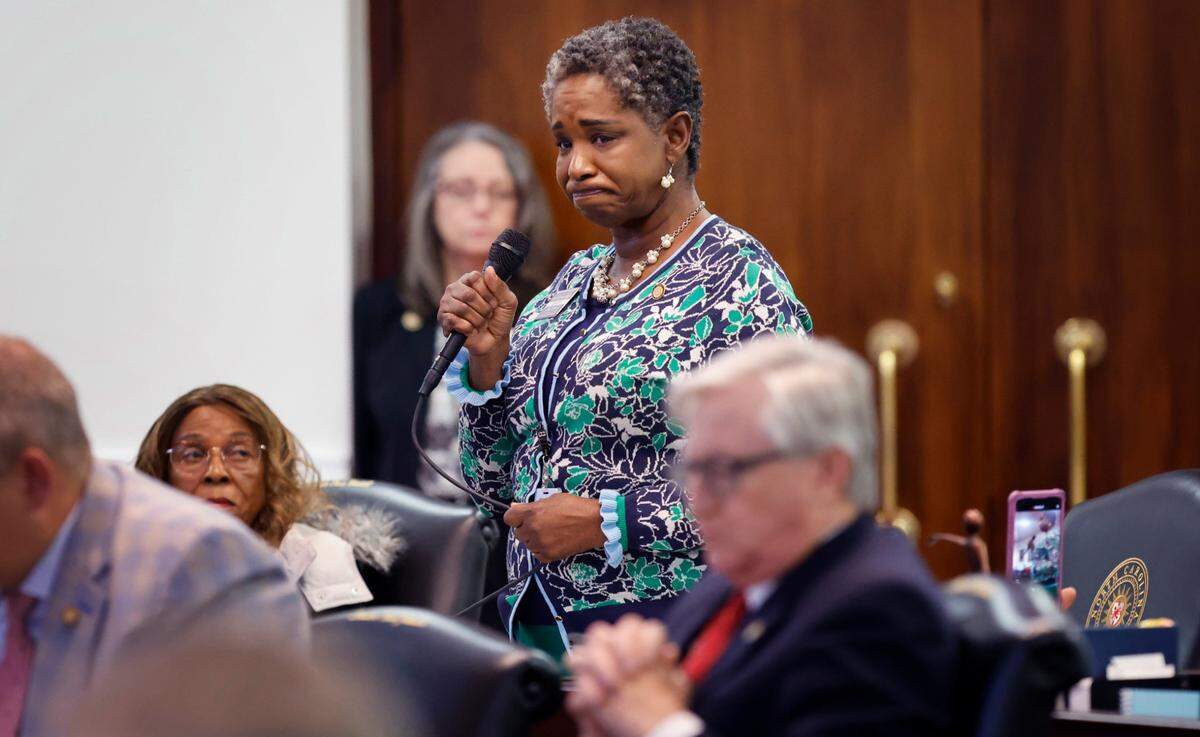
Sen. Gale Adcock, a Cary Democrat, shared statements from the North Carolina Medical Society and other organizations opposing the bill and said reproductive decisions should be made between patients and their health care providers.
Democratic Sen. Jay Chaudhuri, of Raleigh, asked a series of questions on specifications in the bill, which would require new in-person appointments and diagnostic tests and impose a $5,000 civil fine for doctors who illegally provide or advertise an abortion-inducing drug.
In an attempt to postpone the vote, before debate began, Senate Democratic Leader Dan Blue said the bill was out of order, citing state law that says that the General Assembly must first pass its budget and “order it sent to the other chamber before placing any other appropriations bill on the calendar for second reading.” Other senators attempted to slow the bill, but all failed.
After the first attempt, a person watching the proceedings from the gallery seating above shouted, “abortion rights now,” prompting Berger to tell the audience to maintain order, saying “if there are disturbances, we will clear the gallery.”
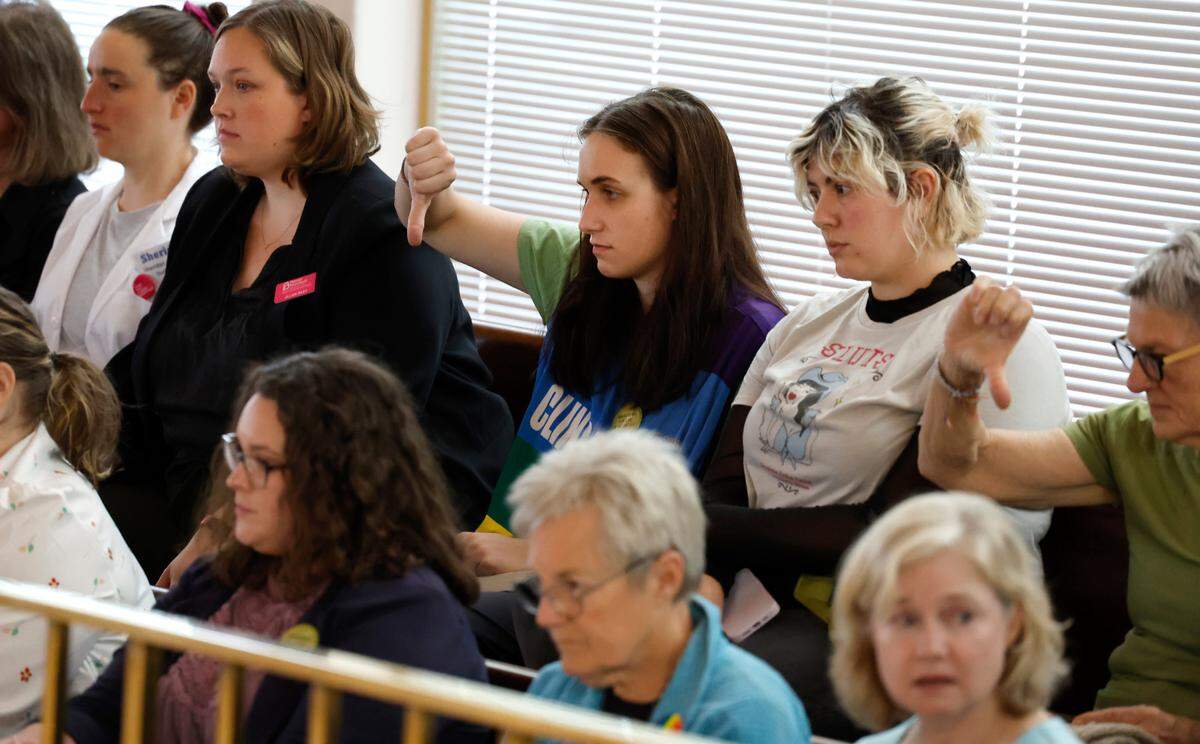
Abortion bill avoids typical procedure
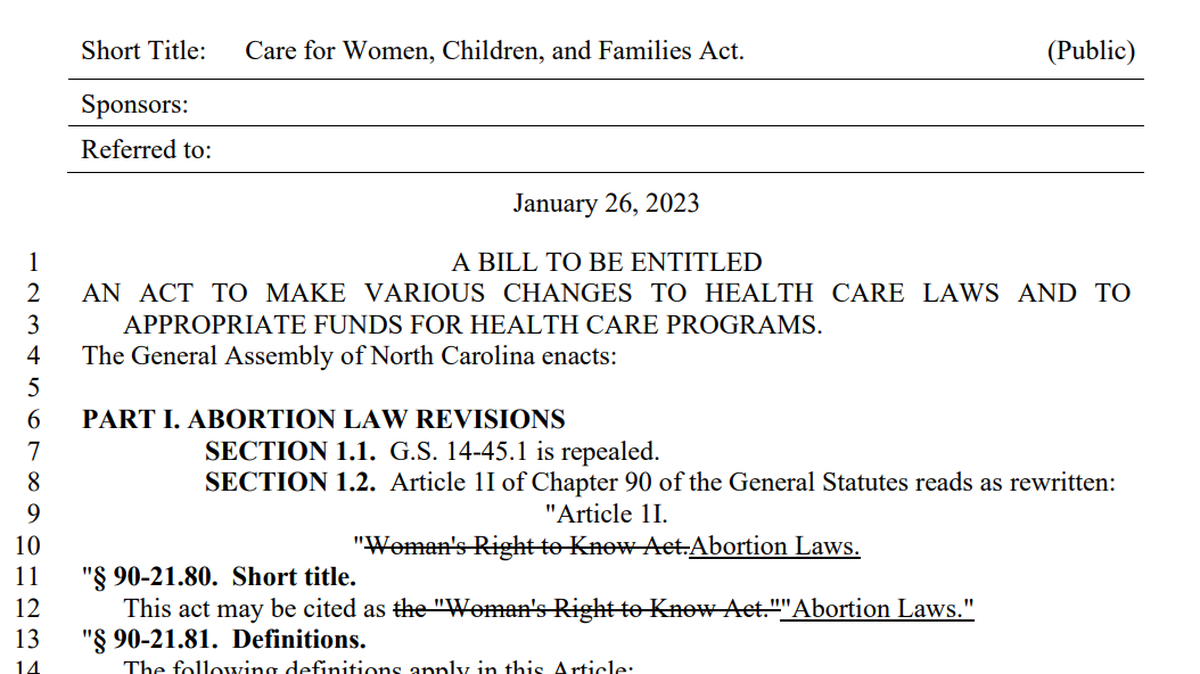
The abortion bill, dubbed the Care for Women, Children, and Families Act, faced late-night debate Wednesday before it passed the House.
Democrats denounced the bill, objecting to the further regulations and to how Republicans advanced the measure. GOP lawmakers had revealed their 46-page abortion bill on Tuesday evening via a conference report, which allows the legislature to avoid the typical procedural requirements of multiple hearings, debate and opportunities for amendments from both parties.
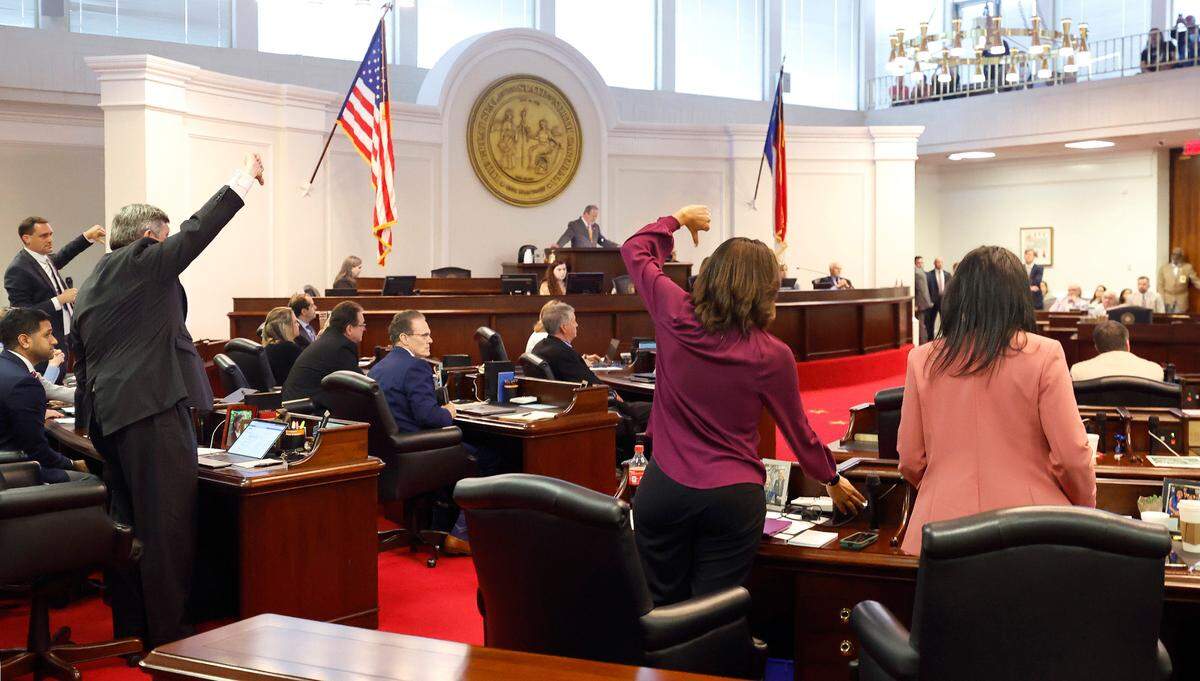
Republicans privately debated abortion restrictions for several months, reaching what House Speaker Tim Moore called late Wednesday night after his chamber’s vote a “middle-of-the-road” bill. The bill is less restrictive that laws passed in other Republican-controlled state legislatures. Republicans who were part of the working-group negotiations said they considered a range of policy from a total abortion ban to not changing the current state law at all.

What’s next for the bill
Because SB 20 is a Senate bill, once Cooper vetoes it, it will go back to the Senate first for an override vote. Berger left immediately after the session Thursday to catch a flight, so did not talk to reporters. Berger spokesperson Lauren Horsch said that the timing of the override will depend on what Cooper does. The governor has 10 days to sign, veto or let a bill become law without his signature.
If the Senate successfully overrides his veto, the House would then vote. The House did not have the full supermajority until Rep. Tricia Cotham switched her party affiliation to Republican, giving House Republicans one more key vote.
Each chamber now has enough Republican votes to overturn a veto if everyone is there for the vote.
This story was originally published May 4, 2023 at 4:59 PM with the headline "NC legislature passes abortion bill. Governor will veto, but GOP has supermajority."

























.jpg)