Overturning Roe could make NC a temporary destination for abortion seekers
READ MORE
Abortion in North Carolina
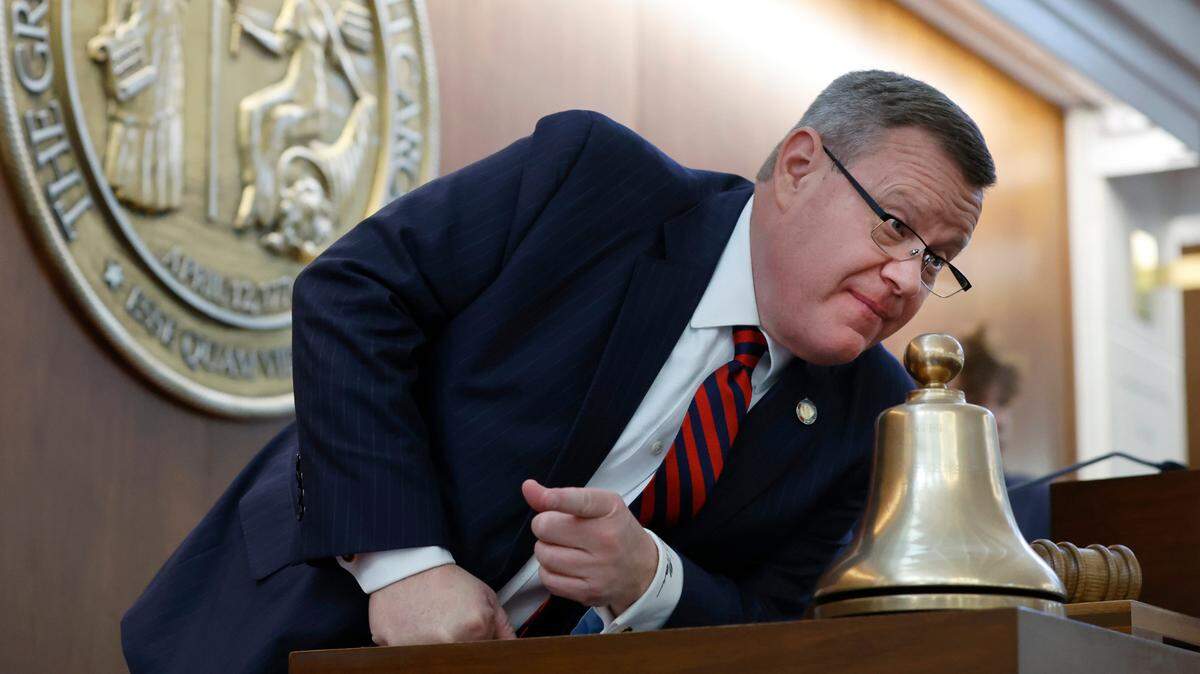
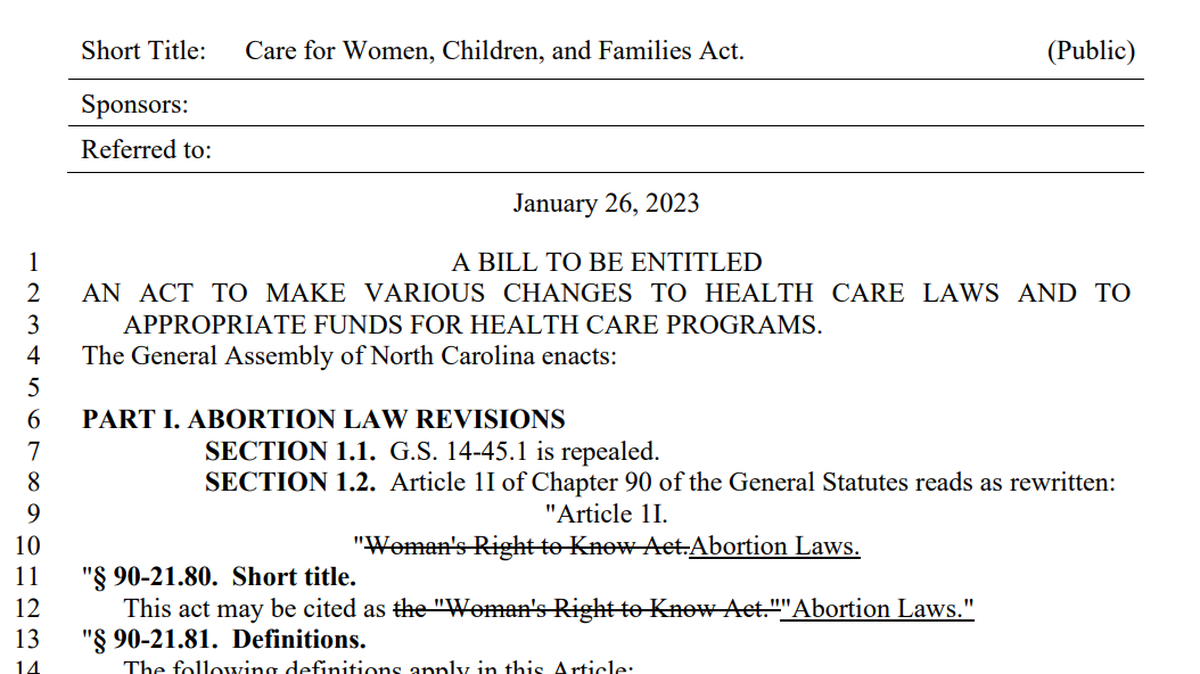
Republicans in the North Carolina state legislature passed a law that implements new abortion restrictions. What does that mean for access to abortion? Read coverage on the issue from The News & Observer and The Charlotte Observer.
Expand All
Editor’s note: This story was first published in May 2022.
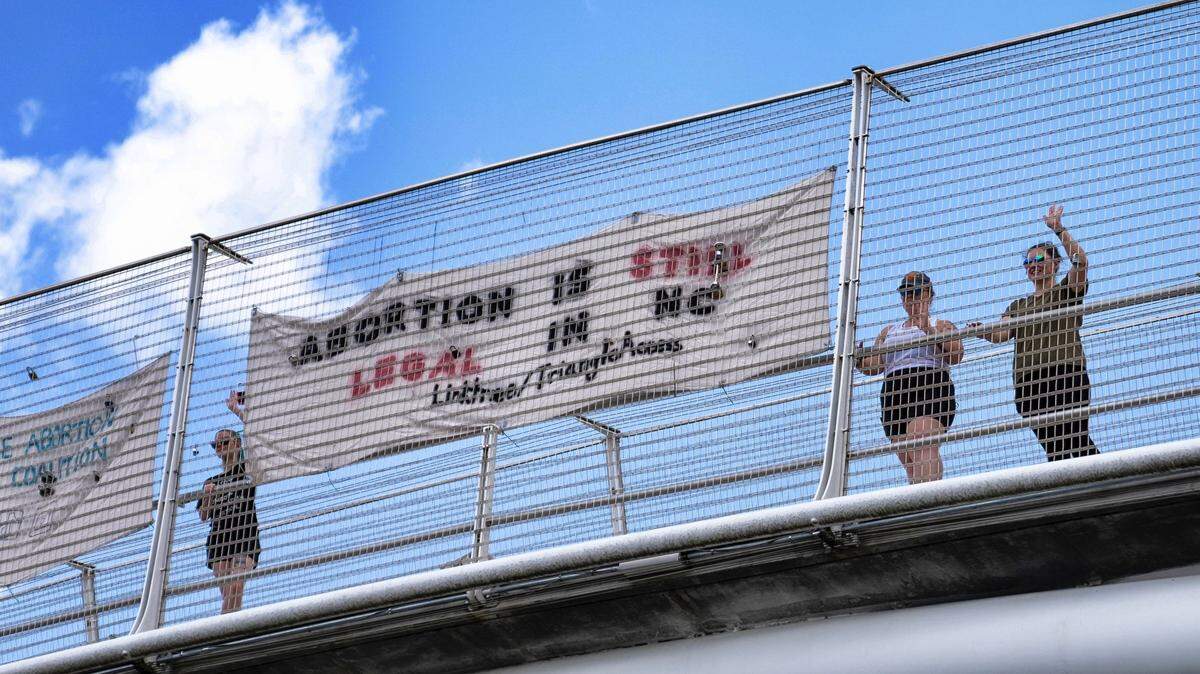
About 25,000 people every year get abortions in North Carolina. And nearly one out of five come from other states.
North Carolina is a destination for many abortion seekers, especially in the Southeast, where nearby states’ laws make obtaining abortions difficult.
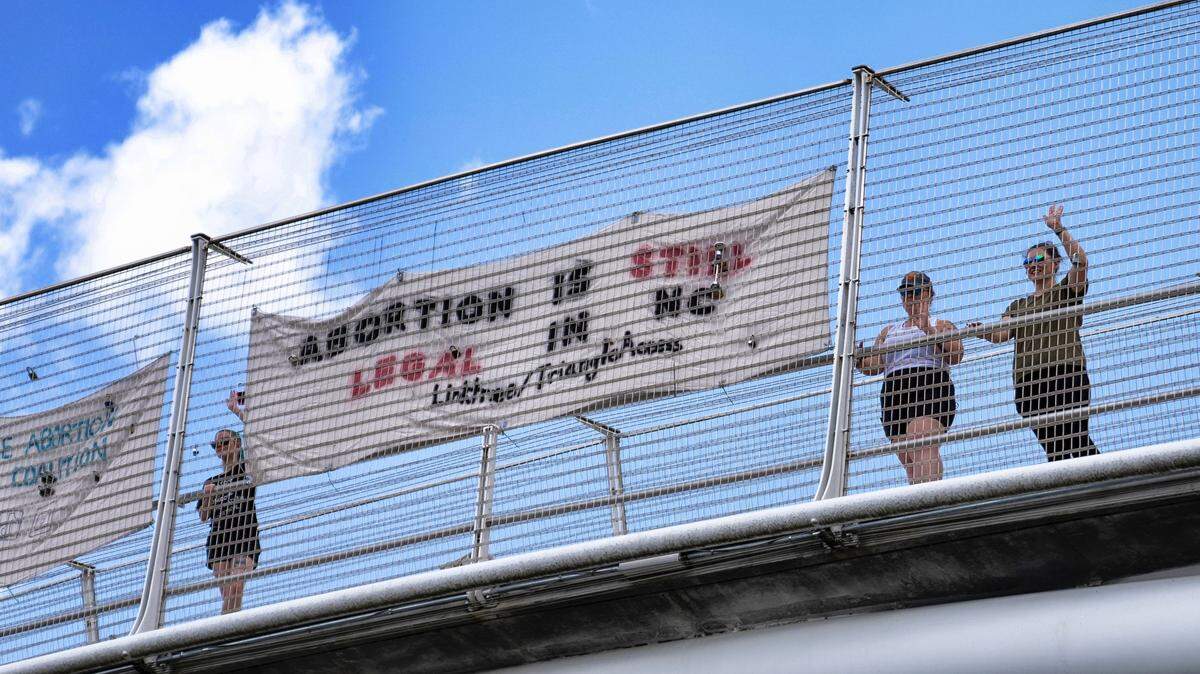
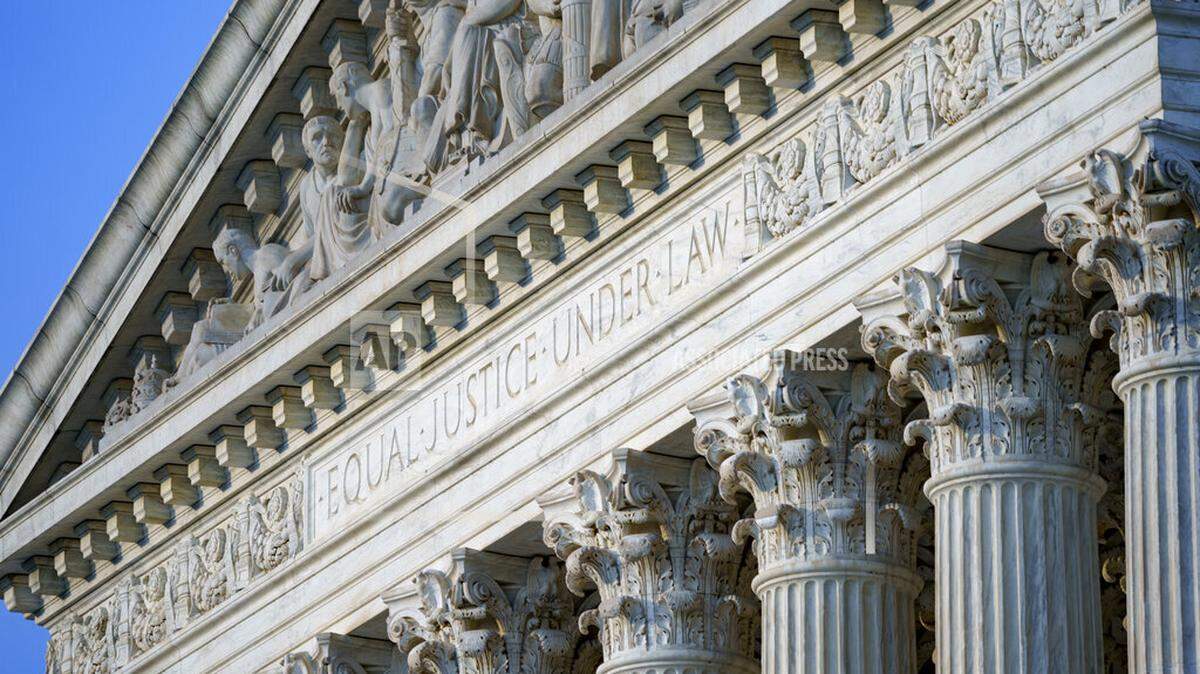
And after a draft from the U.S. Supreme Court Justice Samuel Alito was leaked to Politico Monday night that showed landmark decision Roe v. Wade might be overturned in the coming months, North Carolina abortion rights activists and experts believe even more people will flock to the state for services they can’t get in their home state.
“... Providers are planning for a potential influx of patients from the neighboring states that have more restrictive abortion laws and policies, particularly after any decisions trigger some of those states to further restrict access to abortion,” said North Carolina ACLU attorney Ann Webb in an interview Tuesday.
If Roe is overturned, every state in the Southeast is expected to outlaw abortion, except North Carolina and Virginia. Already, North Carolina has a law on the books that prohibits, with narrow exemptions, abortions after 20 weeks — but it hasn’t been in effect under Roe.
With a coming Roe decision, North Carolina could be one of the final states in the South where pregnant people can seek an abortion, at least initially. But if Republicans win big in state legislature races in the midterm elections, the 20-week allowance for abortions could go away, too.
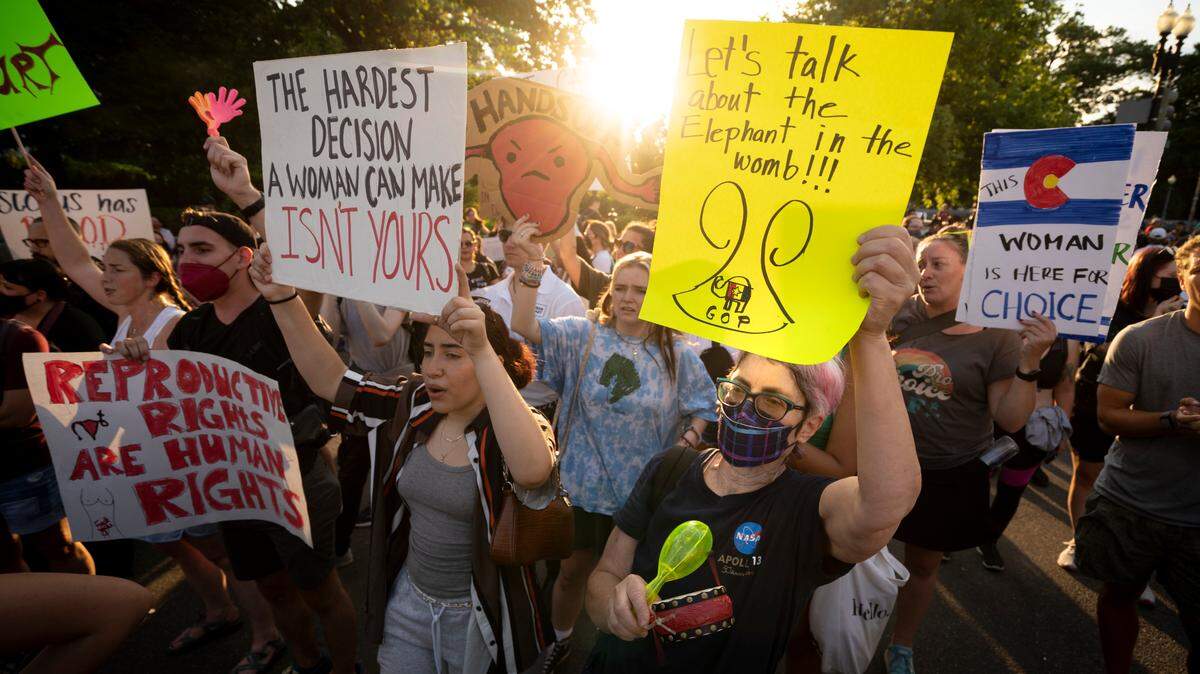
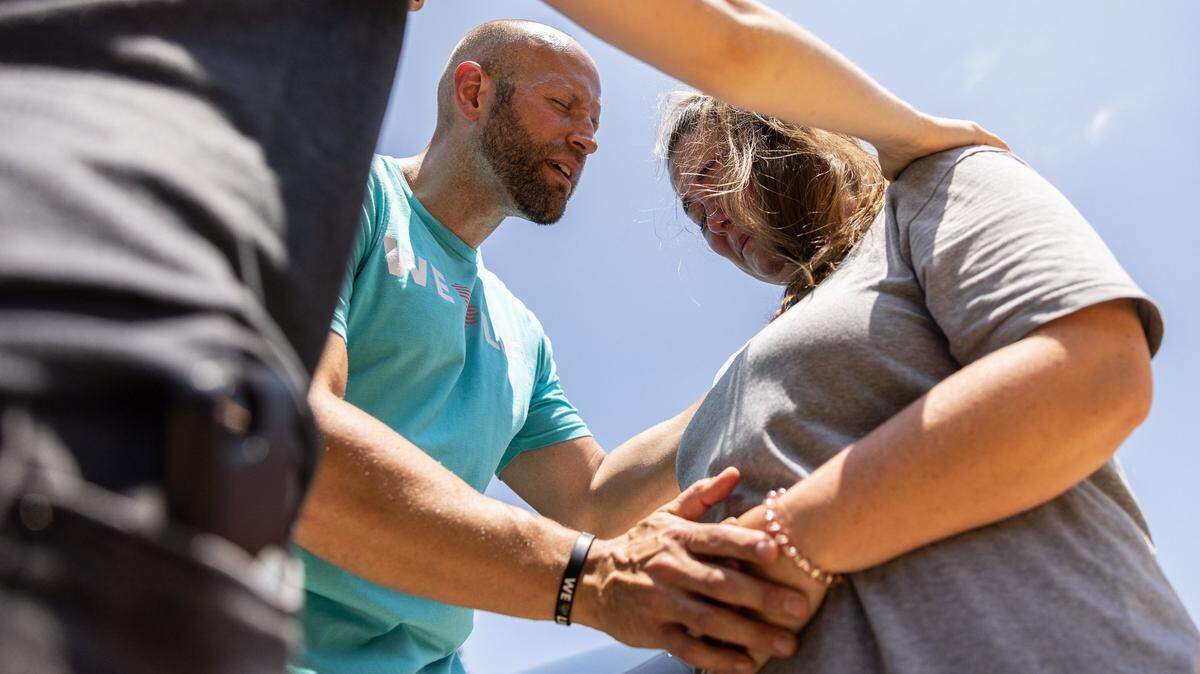
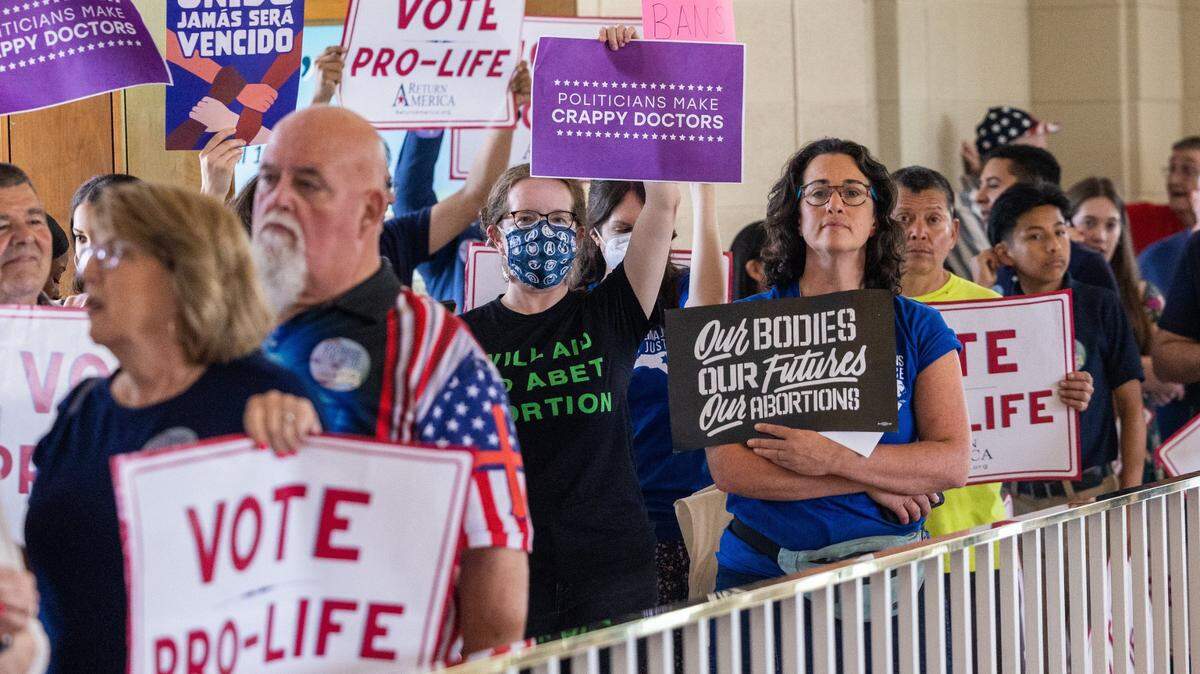
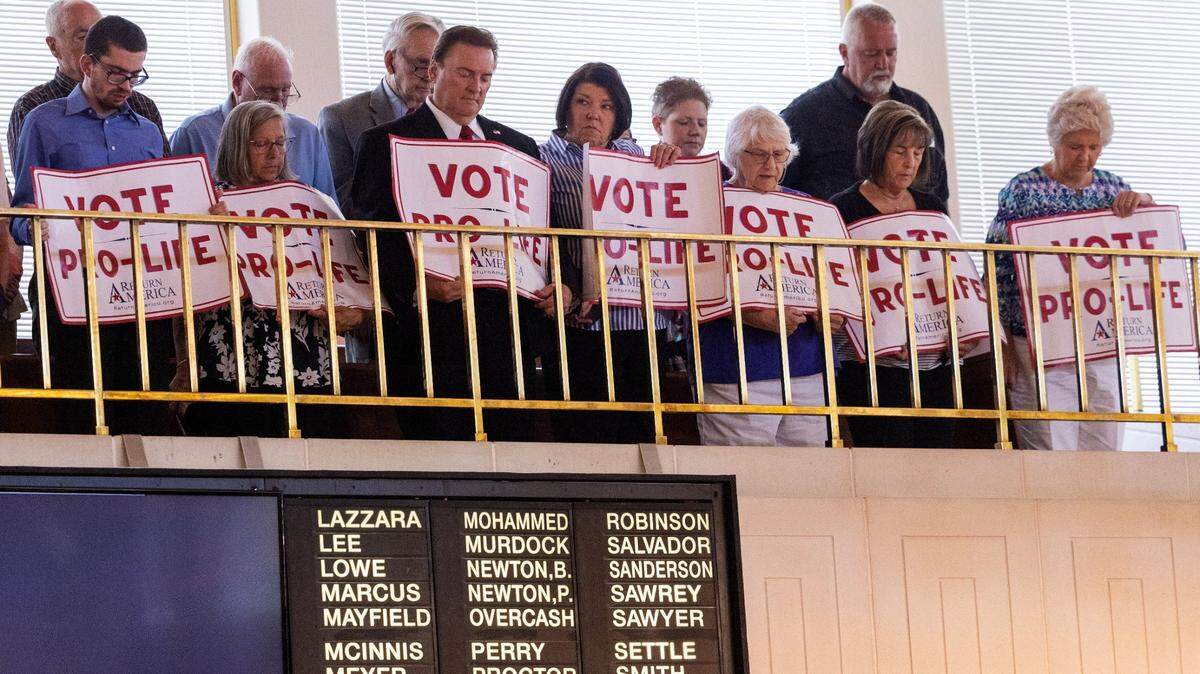
Most North Carolina Republican politicians celebrated the expected ruling on Tuesday, and pro-life organizations released statements of support. The leak prompted leading Democrats in Congress to again call for a federal law to protect existing abortion access.
“Abortion care is essential to people and it saves lives,” Webb said. “We’re deeply concerned about the harm that could happen if it becomes even more difficult for people across the state and across the region to access this health care.”
Abortion access in NC
If the Supreme Court reinstates states’ ability to restrict or outlaw abortions, North Carolina would be the nearest state for 11.2 million women of reproductive age to get an abortion, according to the Guttmacher Institute. That’s about 50 times the population of women who currently live closest to North Carolina for abortion care.
The institute estimates millions of women will arrive from as far as Mississippi and Louisiana, and most will be coming from Florida, Georgia, Alabama and Tennessee.
There are about 26 states either certain or very likely to attempt to ban abortion immediately, if the law is overturned. In North Carolina, “it is unclear if the state’s (20-week) law would be implemented quickly,” according to the institute.
Webb said North Carolina doesn’t have a “trigger ban,” a law that makes abortion almost immediately illegal if Roe v. Wade is rendered null.
About half of Southern states have trigger bans, not including Alabama, Georgia, Florida, and South Carolina. However, all of those states except Florida have passed other laws that limit abortion that can be enforced without Roe v. Wade.
“What that means is that the legislature would have to pass a new law even after a court decision that overturned Roe v Wade,” she said. “It’s important to remember that North Carolina has very serious restrictions on access to abortion. And many states in our region have even more serious restrictions on access to abortion.”
North Carolina laws currently require state-directed counseling and a waiting period of 72 hours before an abortion can be performed, as well as parental consent for minors to receive abortions and mandatory ultrasounds. Just nine of North Carolina’s 100 counties have abortion clinics.
Calla Hales is the executive director of A Preferred Women’s Health Center, one of three abortion clinics in Charlotte.
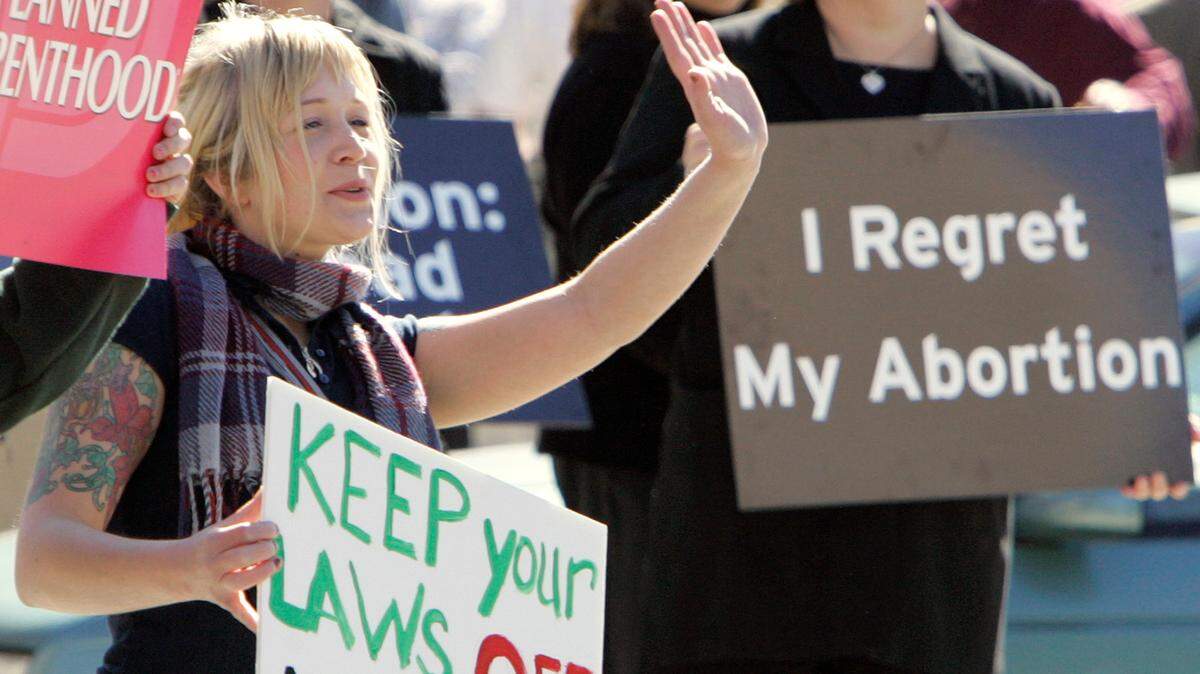
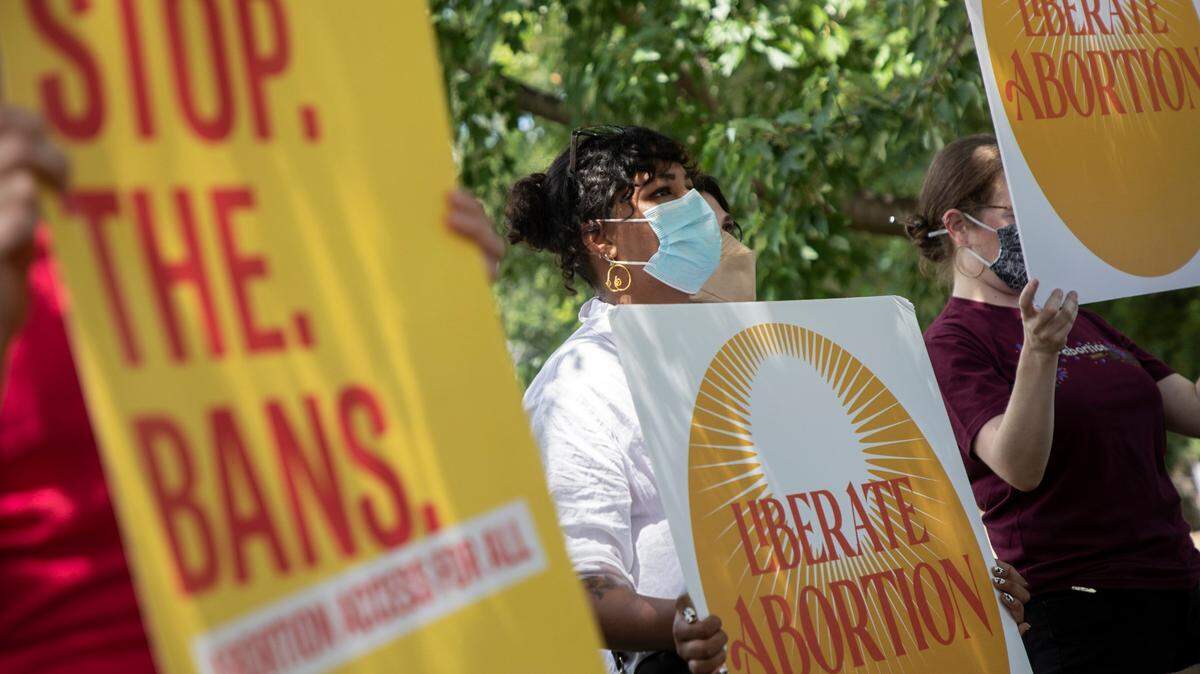
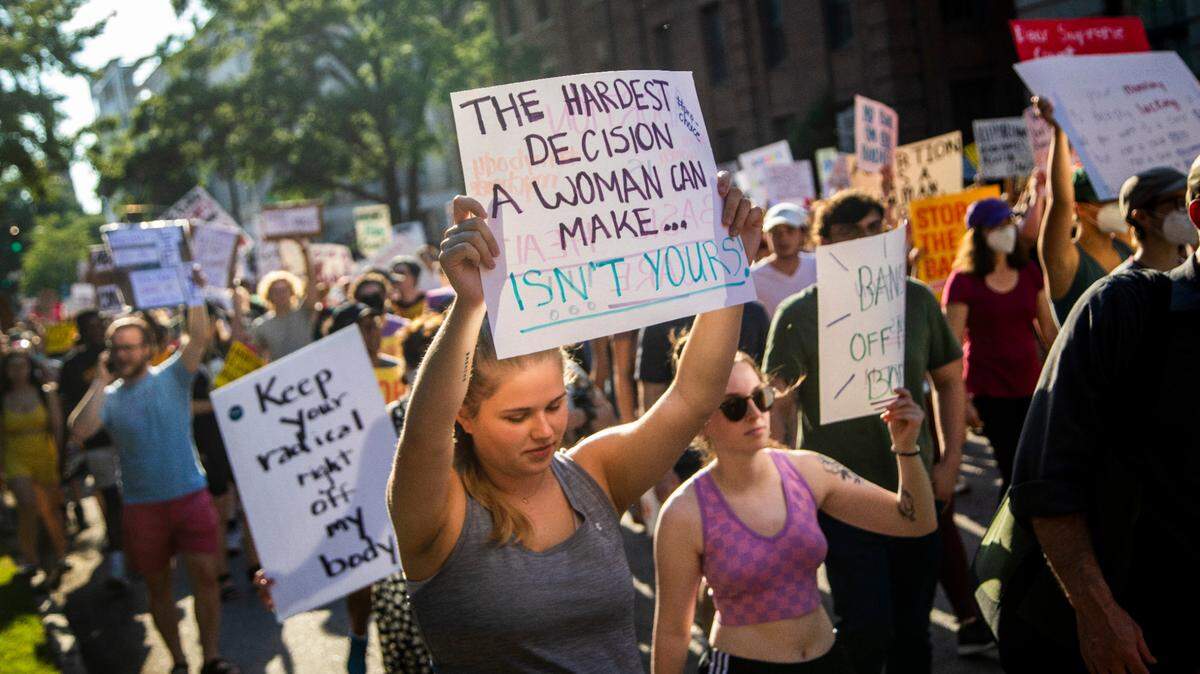
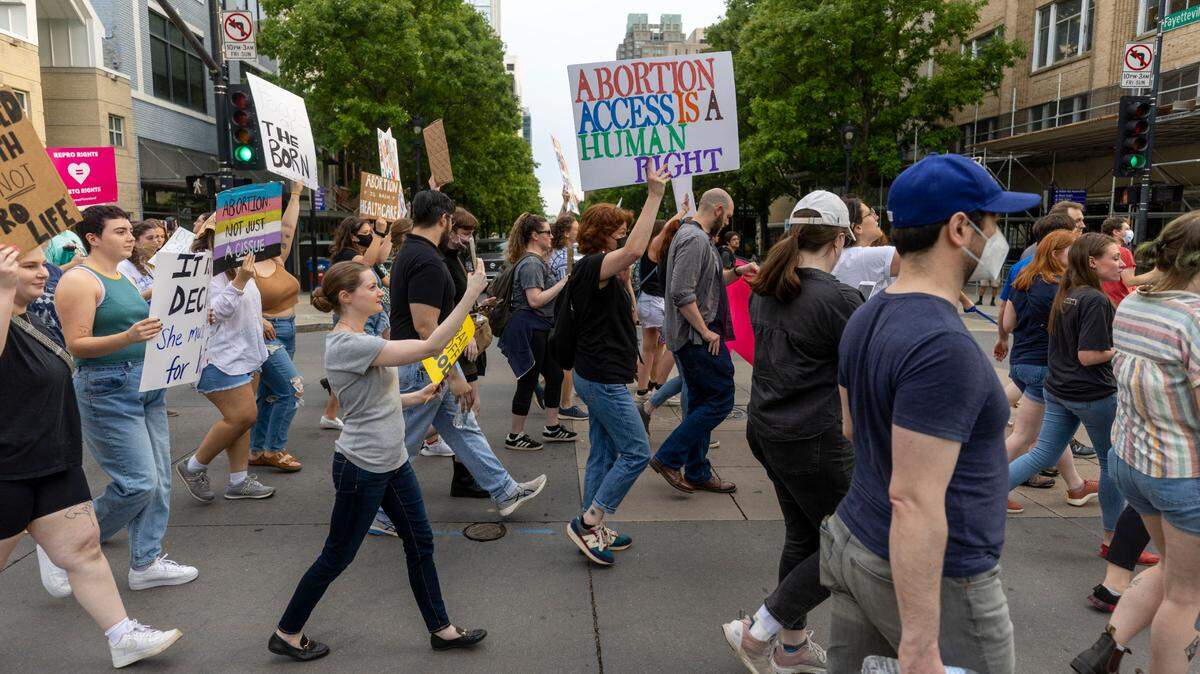
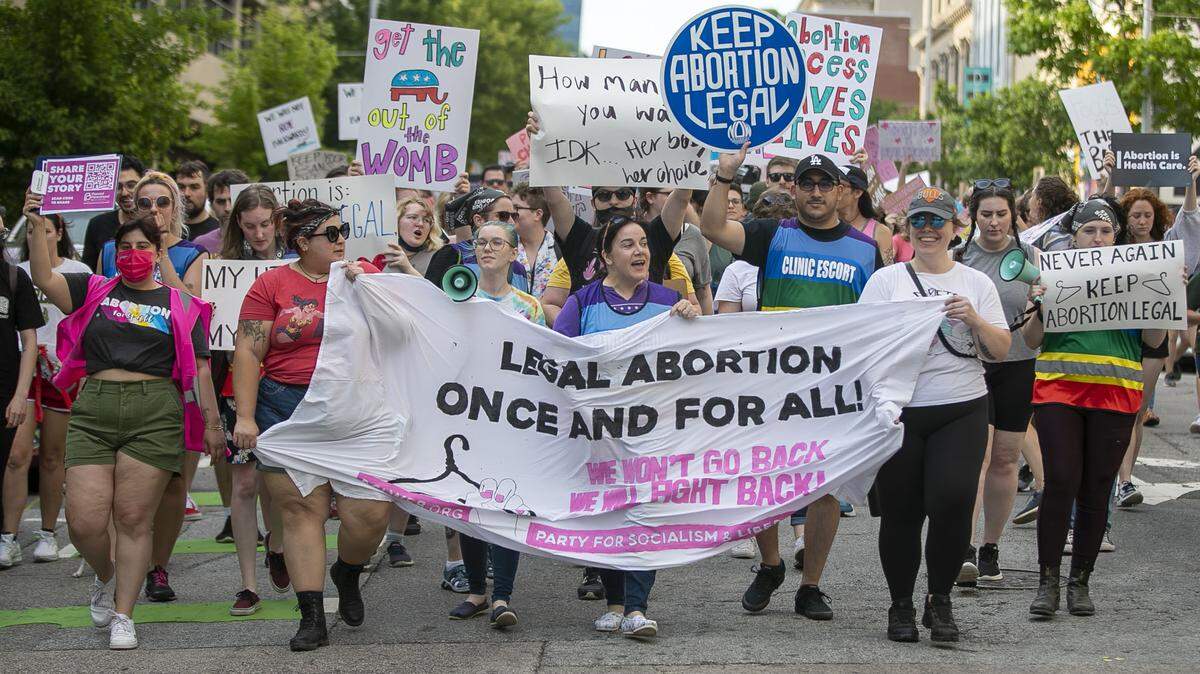
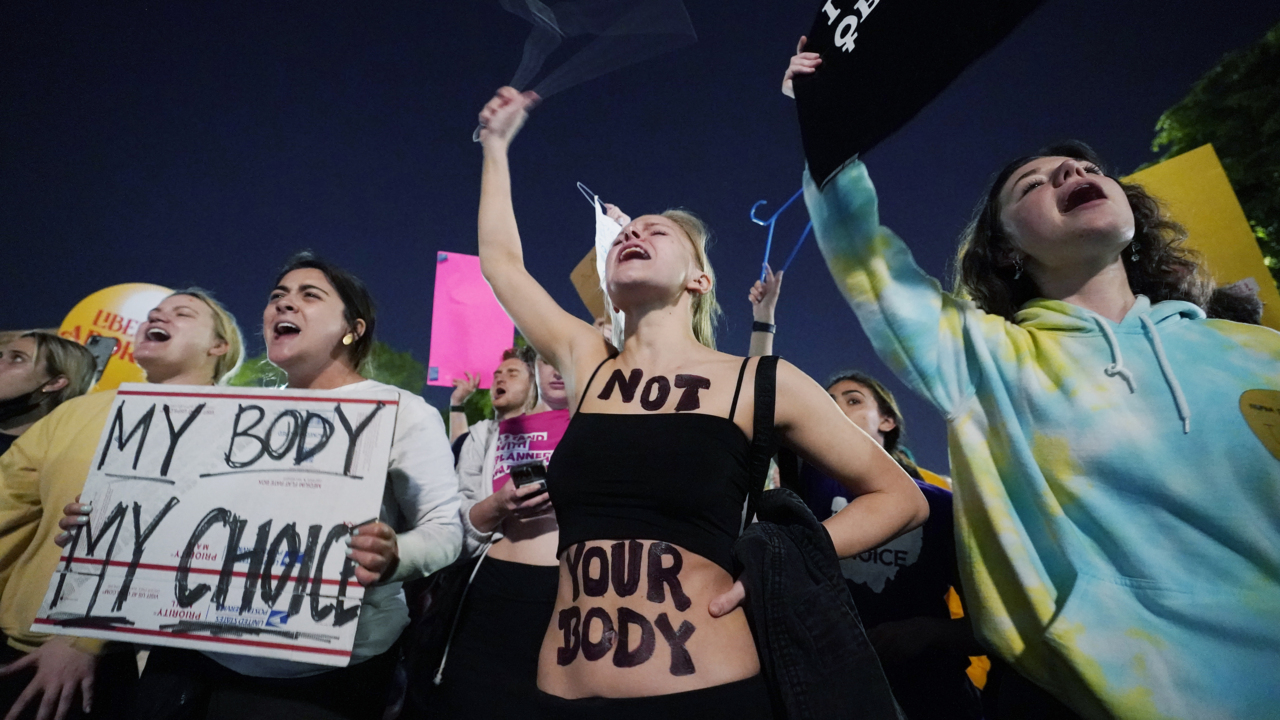
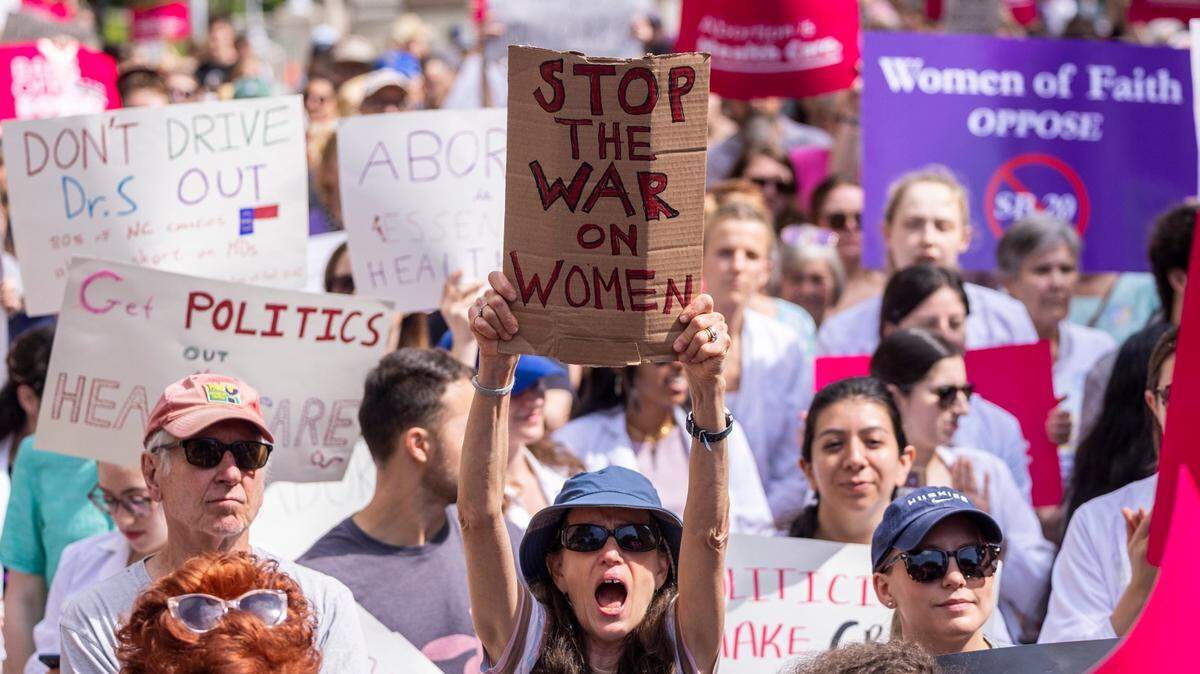
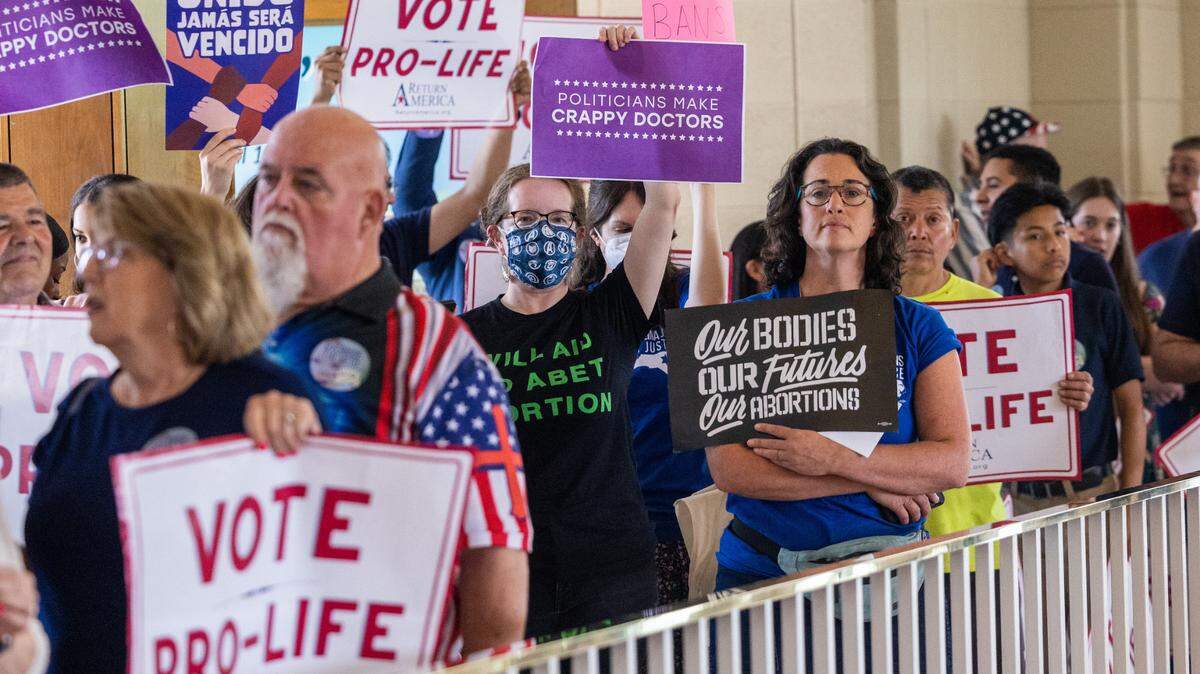
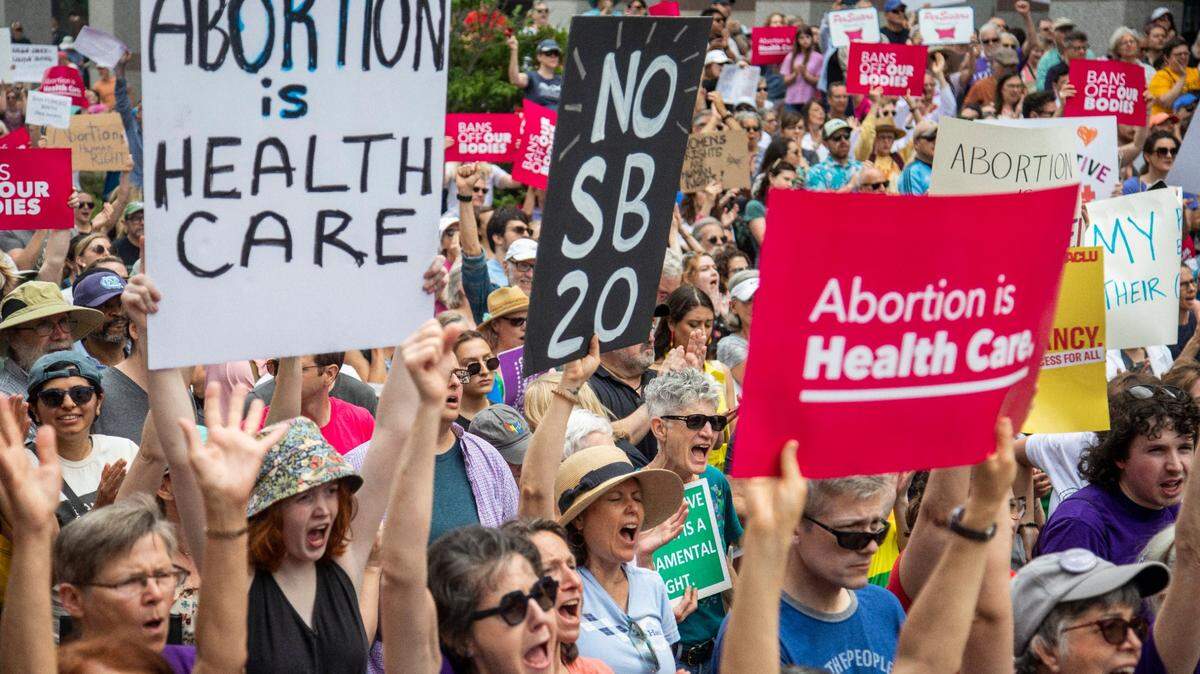
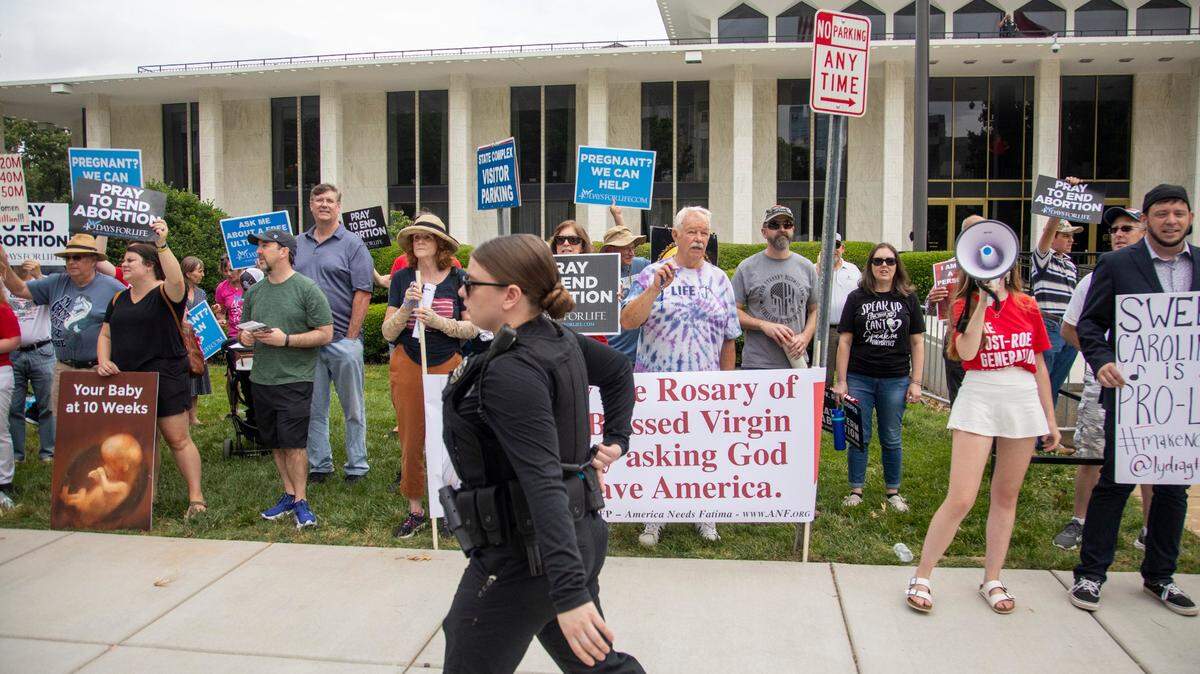
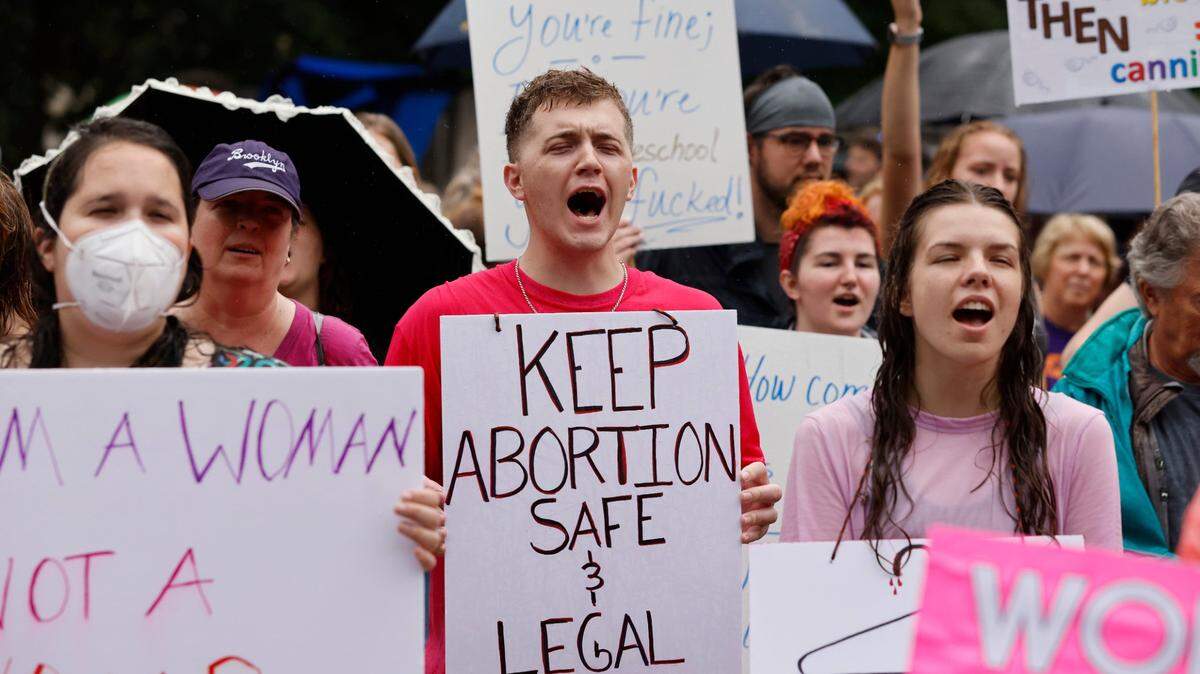
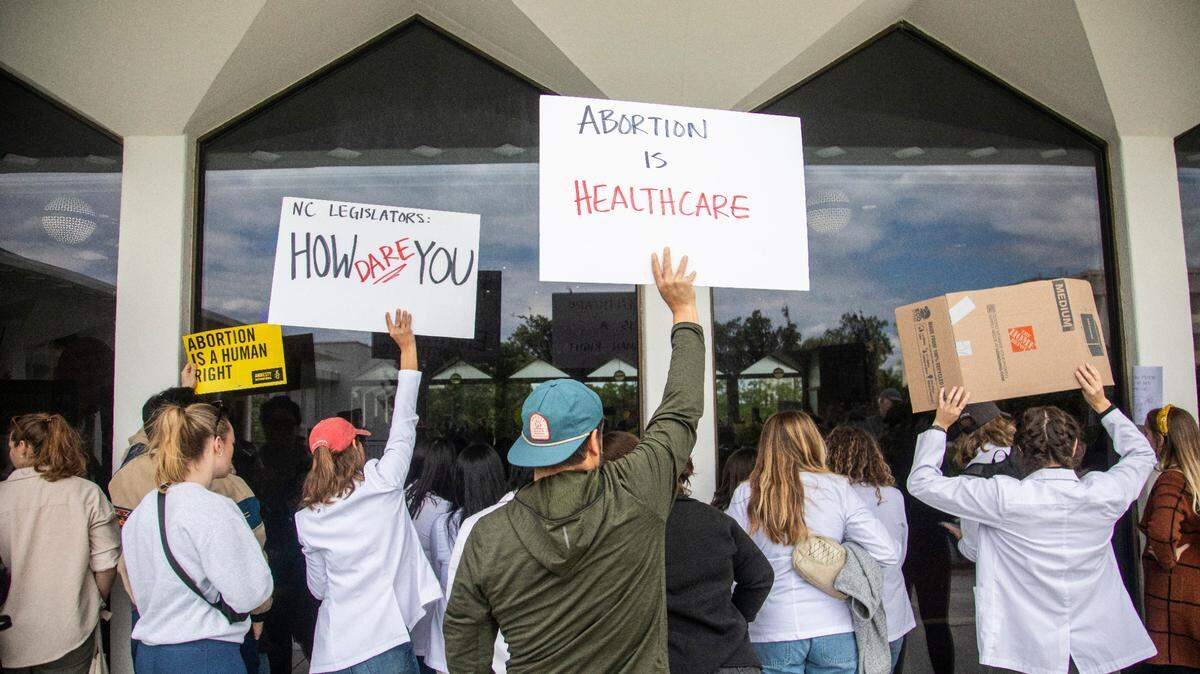
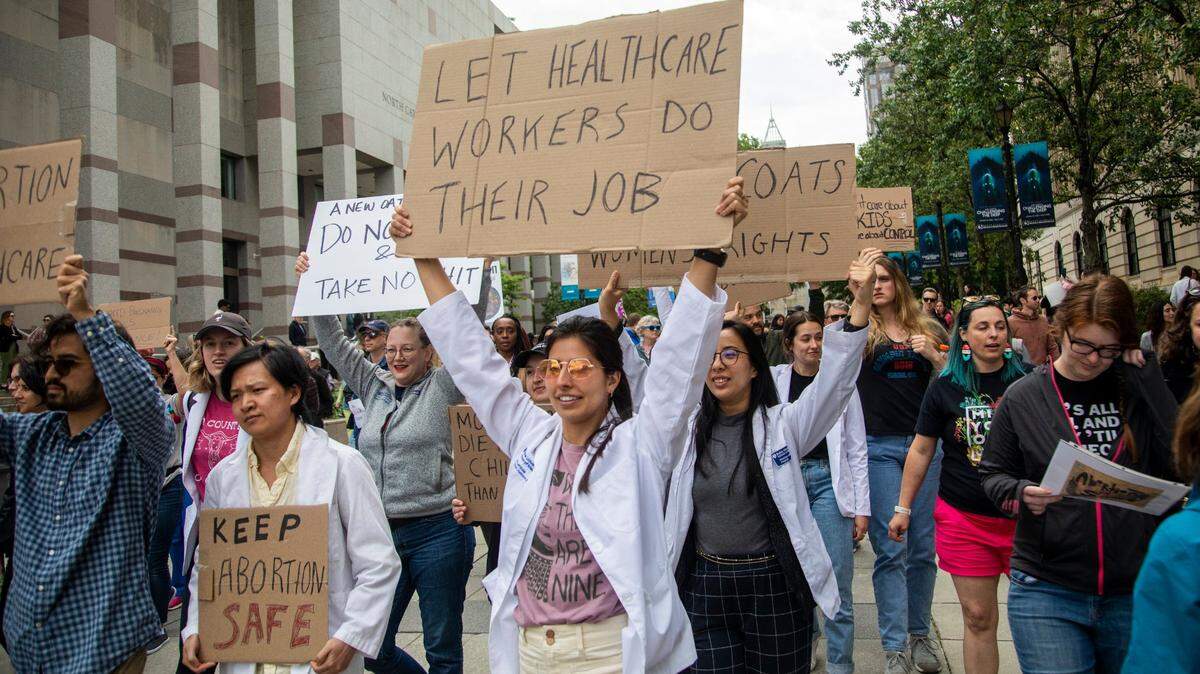
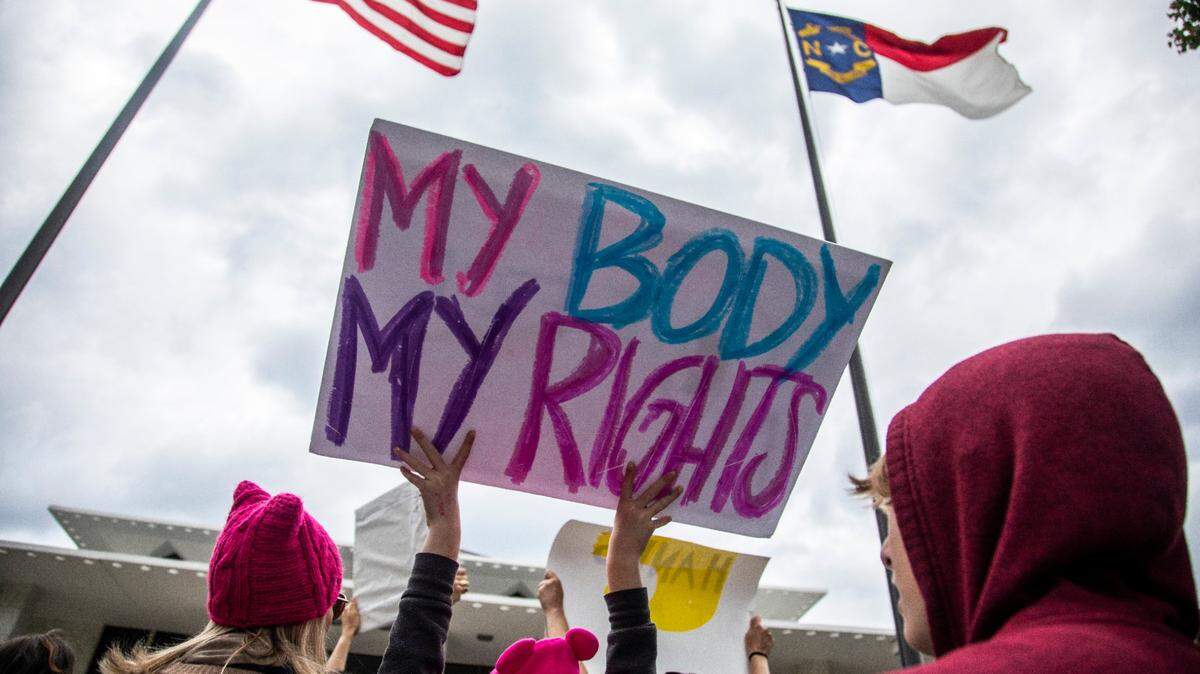
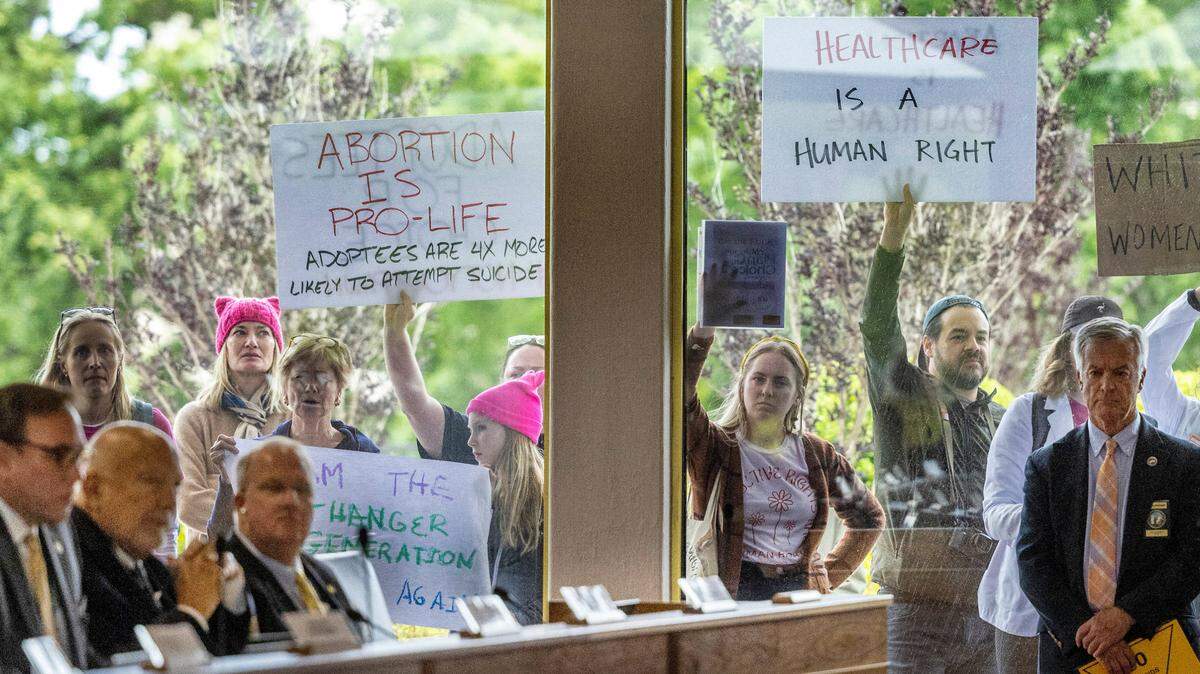
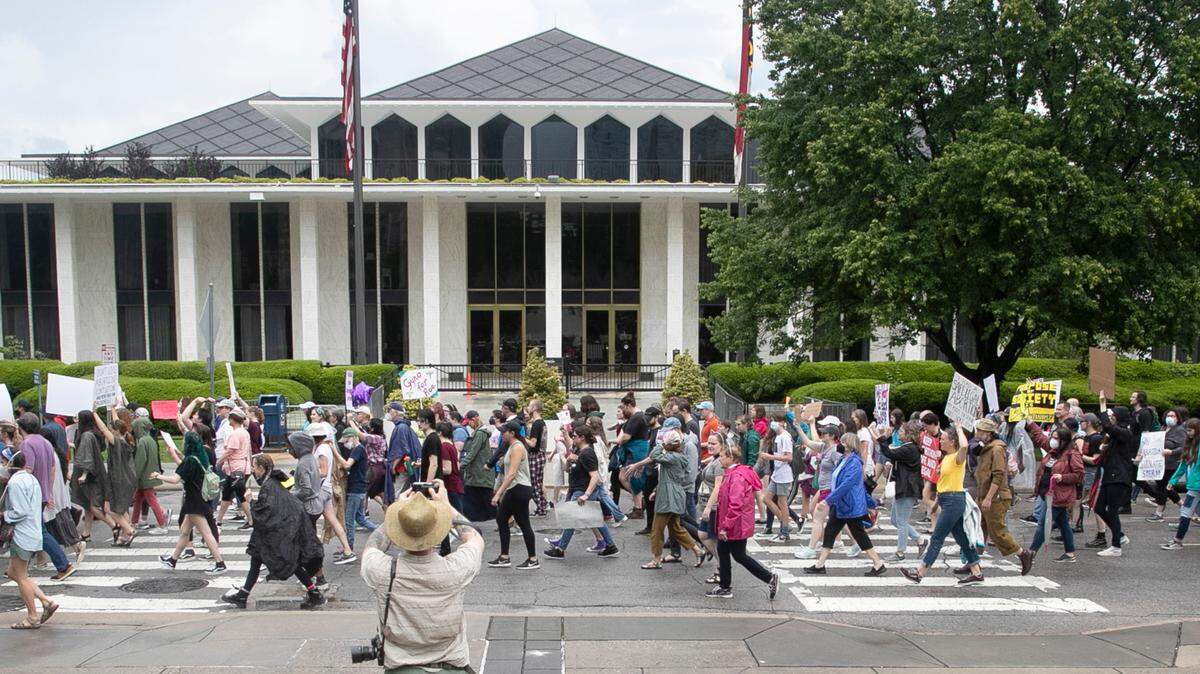
Her clinic attracts massive protests regularly. Though it was quiet on Tuesday the day after the Supreme Court leak, she expects big crowds of protesters, and supporters, on Saturday.
The clinic sees upwards of 100 clients each week, most of whom are from North Carolina. But Hales said many are coming from Tennessee, South Carolina, and Georgia.
And she expects the number of out-of-town patients to grow, no matter what the Supreme Court’s decision is.
“I do expect that North Carolina will be seeing an influx of traveling patients,” Hales said.
“Right now, the reason people come to North Carolina has a lot to do with the fact that their own states might have stricter laws,” she said. “There’s just a lack of providers as well, especially with the pandemic… with staff turnover and radical burnout.
“That’s just increasing the need for travel.”
And recently, the clinic has seen an increase in clients from Alabama, Louisiana, Mississippi and Texas, where a year ago abortion was made illegal after a heartbeat is detected in an embryo or fetus.
Betty Gunz has been volunteering as a abortion clinic escort for decades.
At the Planned Parenthood on South Torrence Street, she said she’s recently noticed Texas’s black and white license plates in their lot.
“For the most part, I don’t pay attention to where they’re coming from,” she said. “In fact, I’ve only noticed that because somebody else said, ‘Look — Texas!’”
‘Added level of stress’
The first step for someone seeking an abortion is going online and finding available clinics.
Then, you have to make an appointment and get counseling, because North Carolina mandates 72 hours of abortion care.
For most people, the next step is reaching out to abortion funds for the money to obtain one.
After that, it’s just one appointment, and you’re done.
But for people coming out of state, the process can be much more stressful and complicated.
“It’s a lot of logistical needs for a provider as well, because you’re having to balance time constraints,” Hales said. “We do have patients that fly in and do their procedure and they’re like, “I have to be out of here by 4 p.m. or I’m gonna miss my plane.
“There’s this added level of stress.”
And traveling for an abortion can also require added costs.
People seeking abortions in other states might need to take time off work. And most abortion seekers already have children, so that means they need childcare, on top of the price of hotel rooms and gas, if they’re driving.
That’s where the Carolina Abortion Fund comes in.
Director of engagement Justine Orlovsky-Schnitzler said the organization sometimes drives people to their abortion appointments, though they haven’t had to yet across state lines.
“I’m sure that’s coming,” she said Tuesday in an interview with The Charlotte Observer.
All of those added costs can make the cost of an abortion upwards of $1,500, Orlovsky-Schnitzler said.
“That’s certainly out of reach for many, many people,” she said.
What could happen
Though North Carolina might become a destination for Southern abortion-seekers in months to come, that might create other problems in the state.
“I don’t really believe that North Carolina will have any type of immediate changes. That would involve a lot of local and state level legislation to get through,” Hales said. “However, it can be a problem for a lot of other folks.”
She said there’s a possibility that wait times might increase for clients and patients, as well as higher prices because of supply and demand issues — something that’s already happening in the pandemic.
“Those are all very real problems that we’re probably gonna have to learn to start dealing with in a more aggressive fashion than some folks do,” she said.
And North Carolina might not remain a haven for long.
“What we’re seeing in the conversations today around what it might look like if the Supreme Court overturns Roe v. Wade is that we are one election away from potentially losing access to the freedom to make personal health care decisions,” Webb said.
“The elections in our state are going to be critical to what happens next in North Carolina’s access to reproductive health care.”
Orlovsky-Schnitzler said the organization has been preparing for Roe v. Wade to be overturned since it was founded in 2011.
“We would challenge the idea of a safe haven language a little bit. As it stands, abortion is more accessible here than in some surrounding states. But if something as catastrophic as Roe v. Wade is overturned, it’s very likely legislators would want to jump on that,” she said. “So we don’t have a lot of faith in that holding long term.
“We still feel very vulnerable. Our eyes are definitely on the courts.”
Reporter Hannah Smoot contributed to this article.
This story was originally published May 4, 2022 at 6:00 AM.

.jpg)