How do NC voters feel about abortion laws? We asked a polling expert.
READ MORE
Abortion in North Carolina
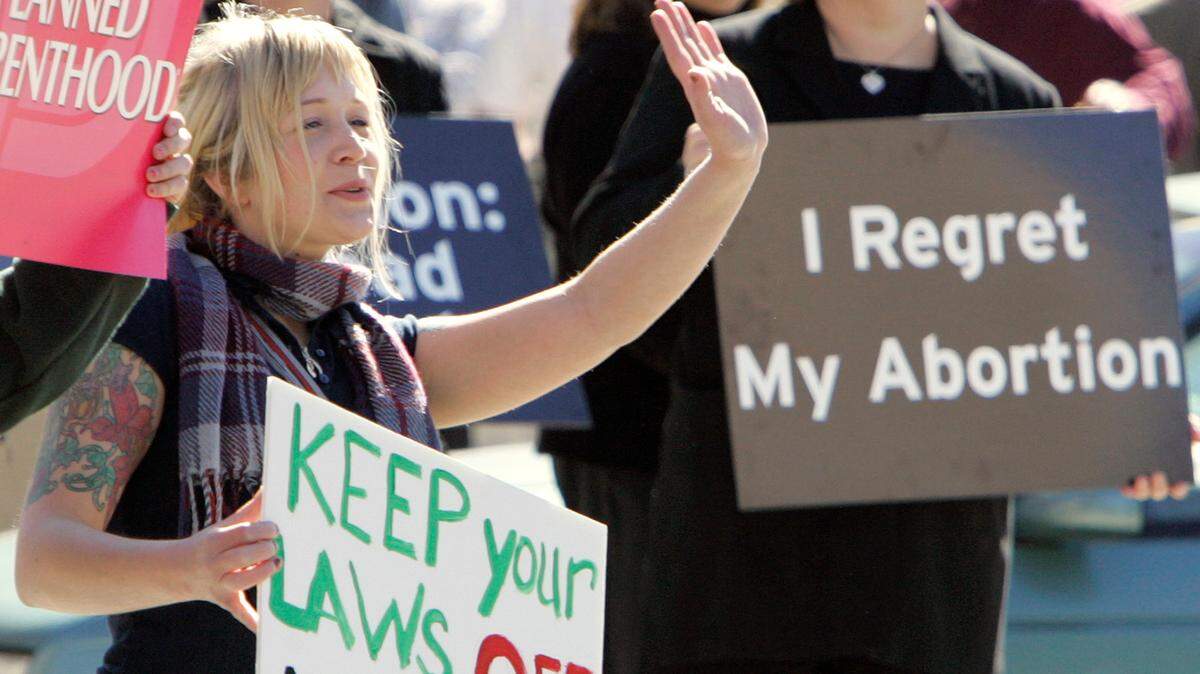
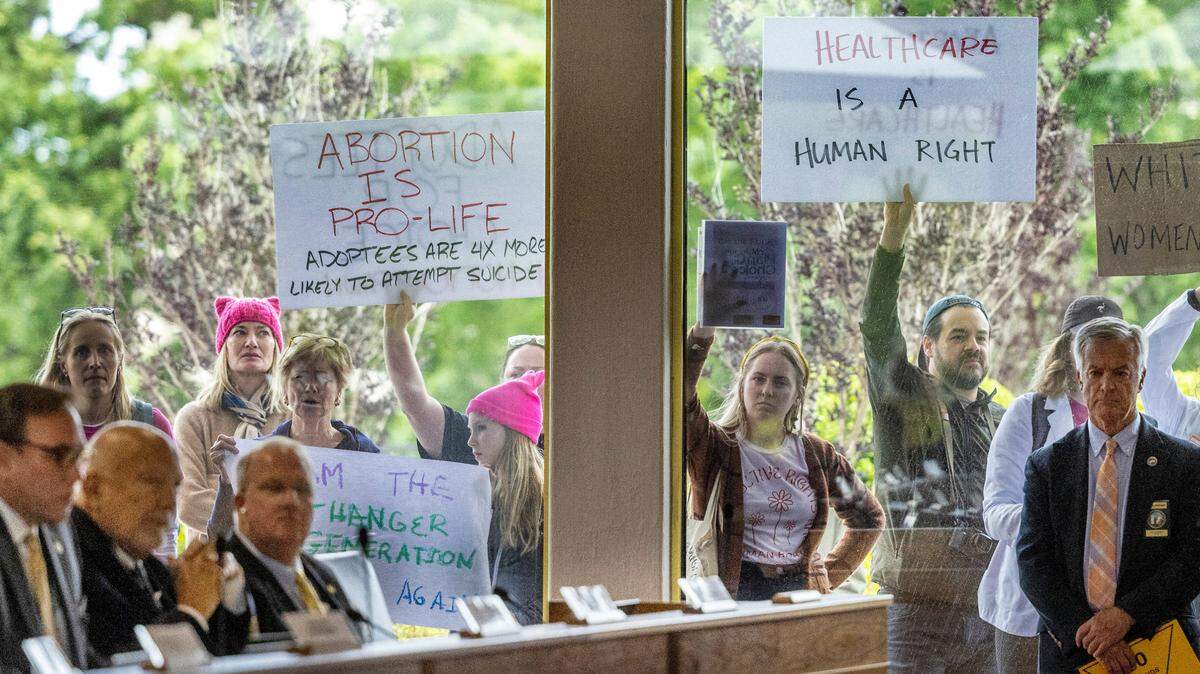
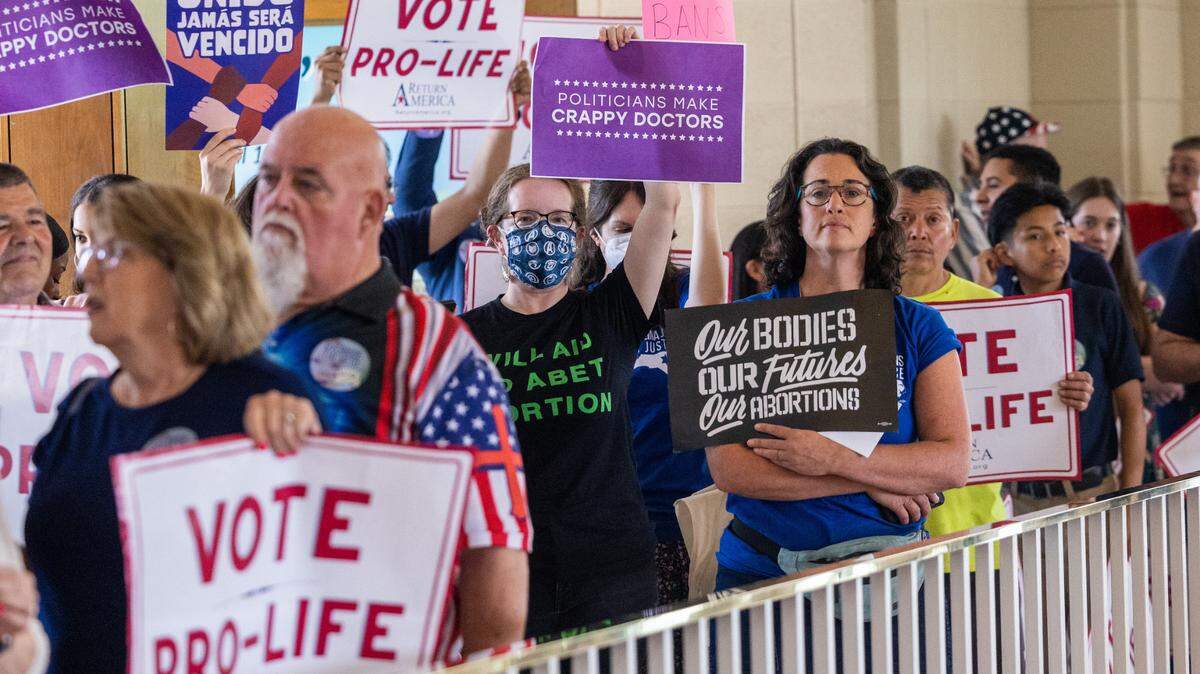
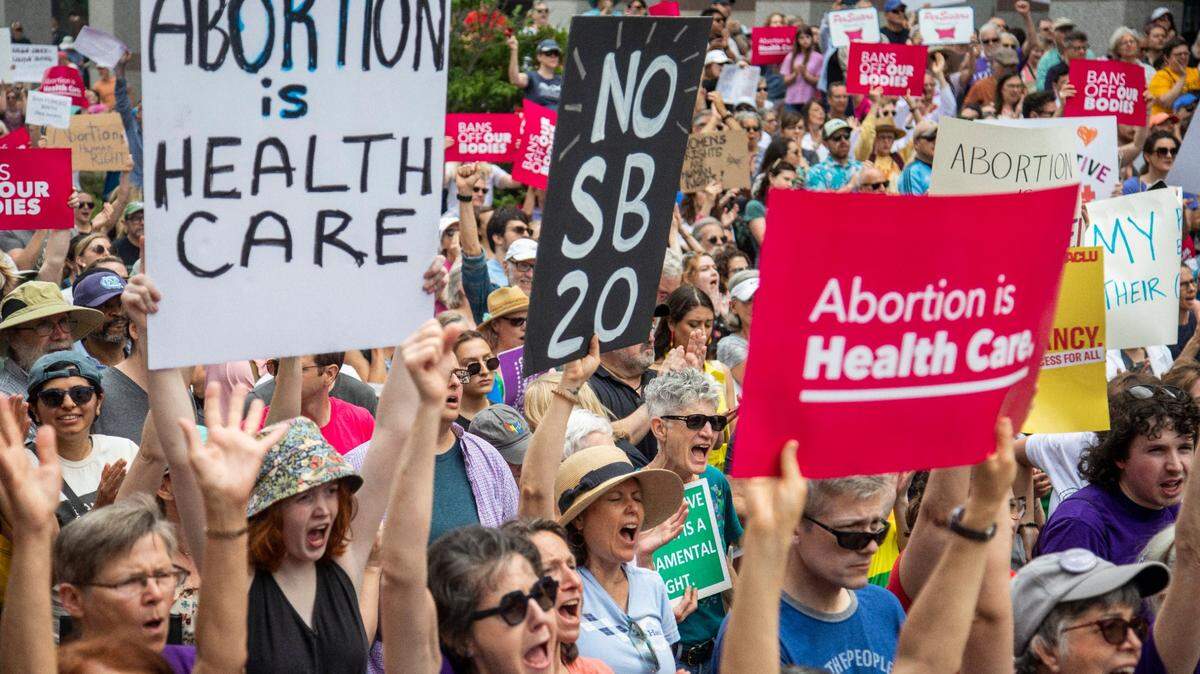
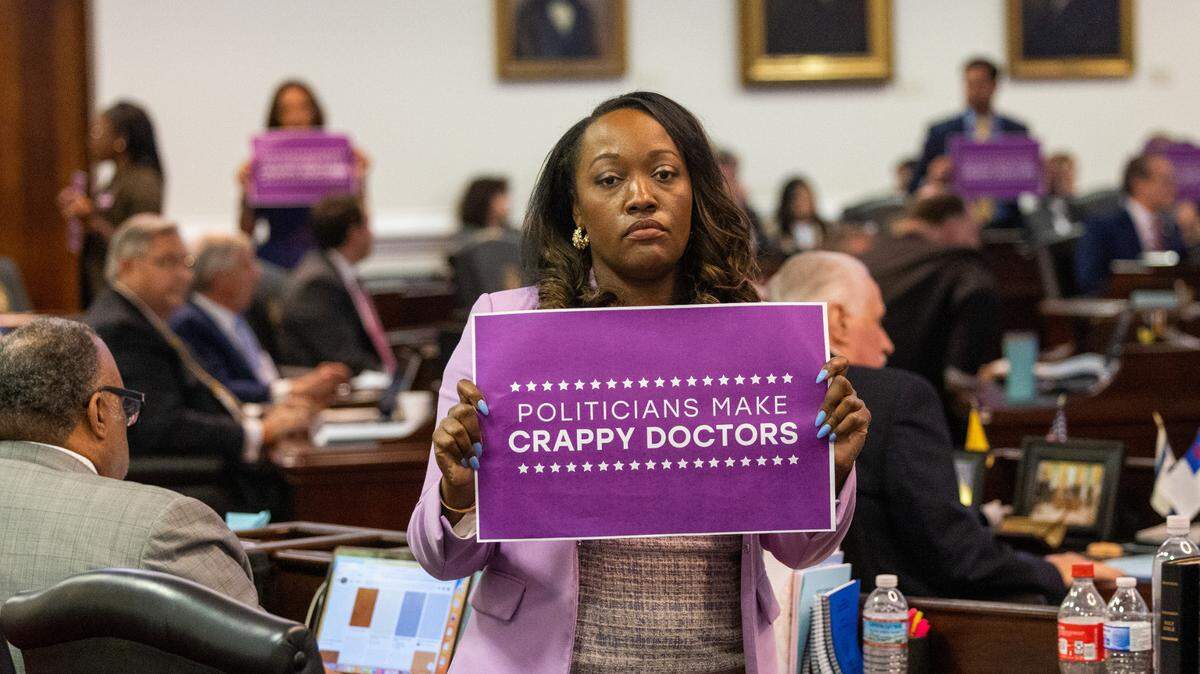
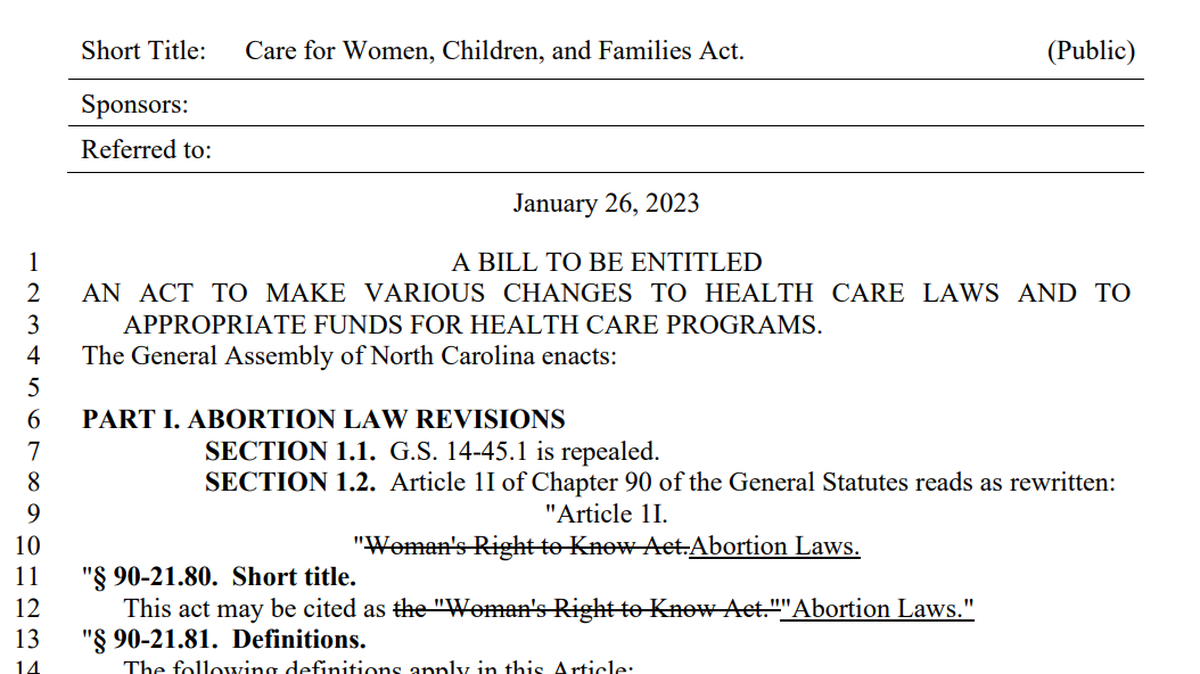
Republicans in the North Carolina state legislature passed a law that implements new abortion restrictions. What does that mean for access to abortion? Read coverage on the issue from The News & Observer and The Charlotte Observer.
Expand All
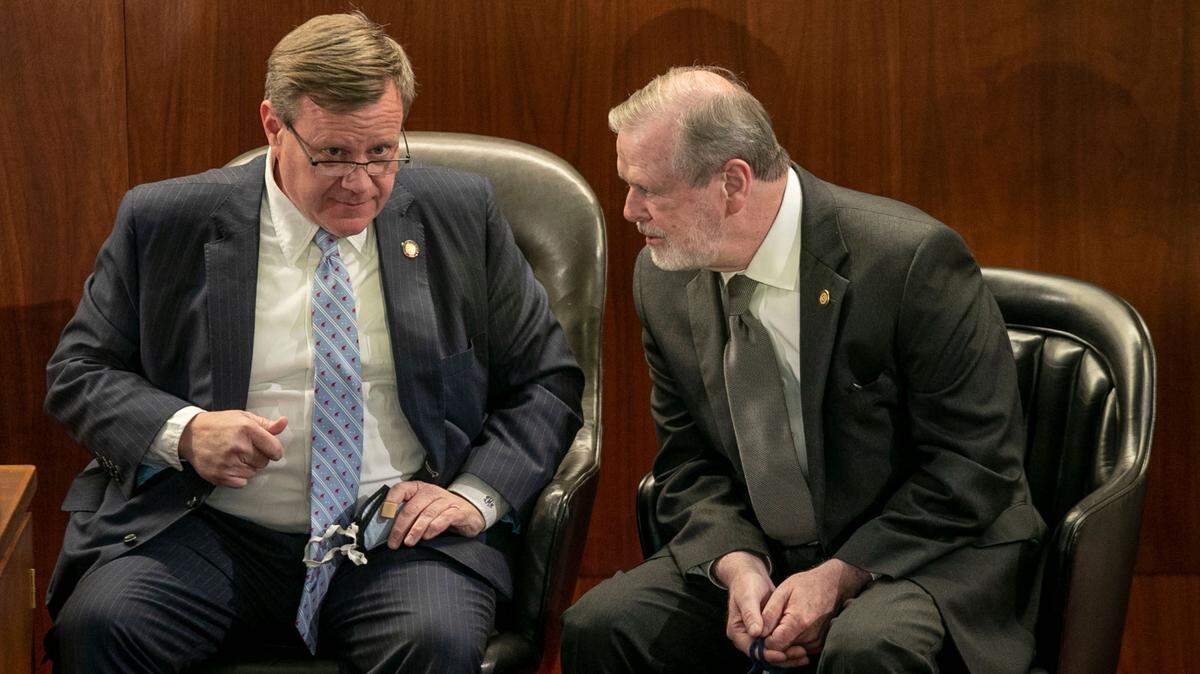
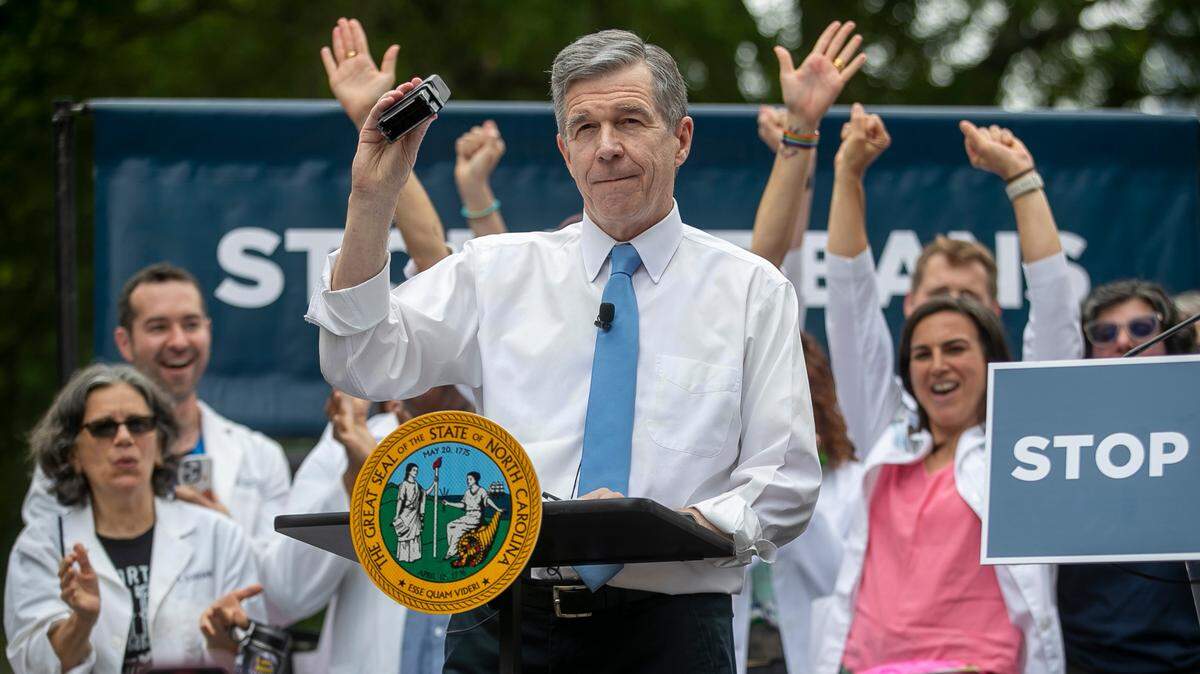
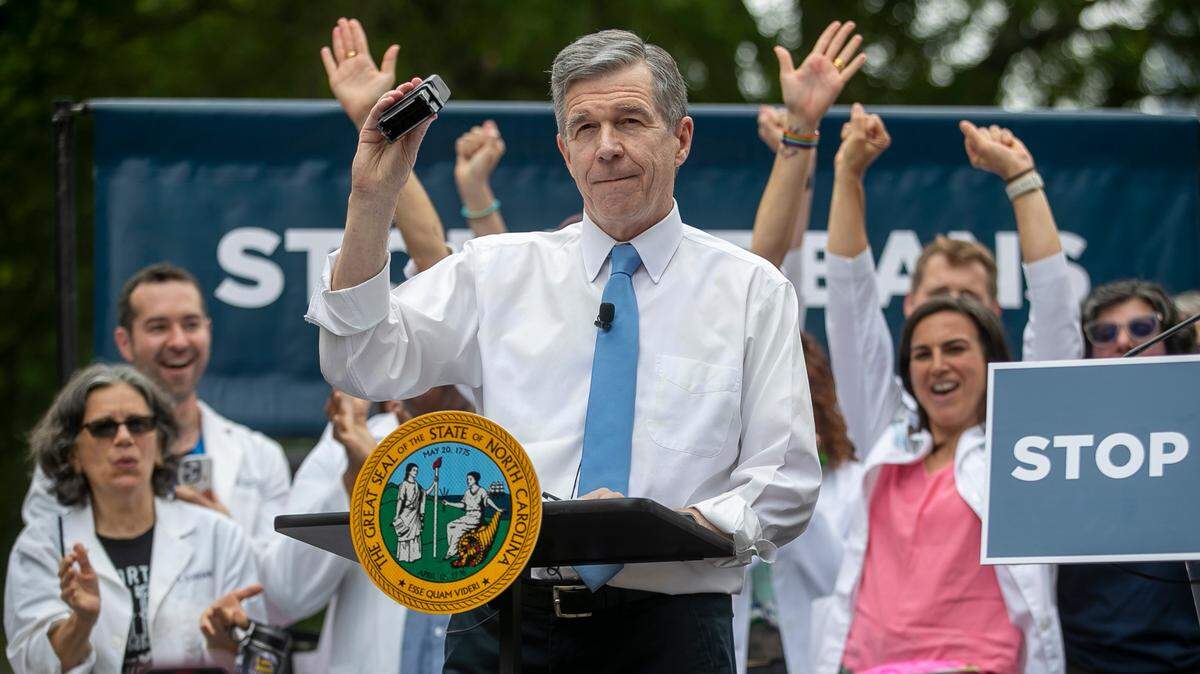
The new abortion bill expected to become law over Gov. Roy Cooper’s veto has been described as both “mainstream” and “extreme.”
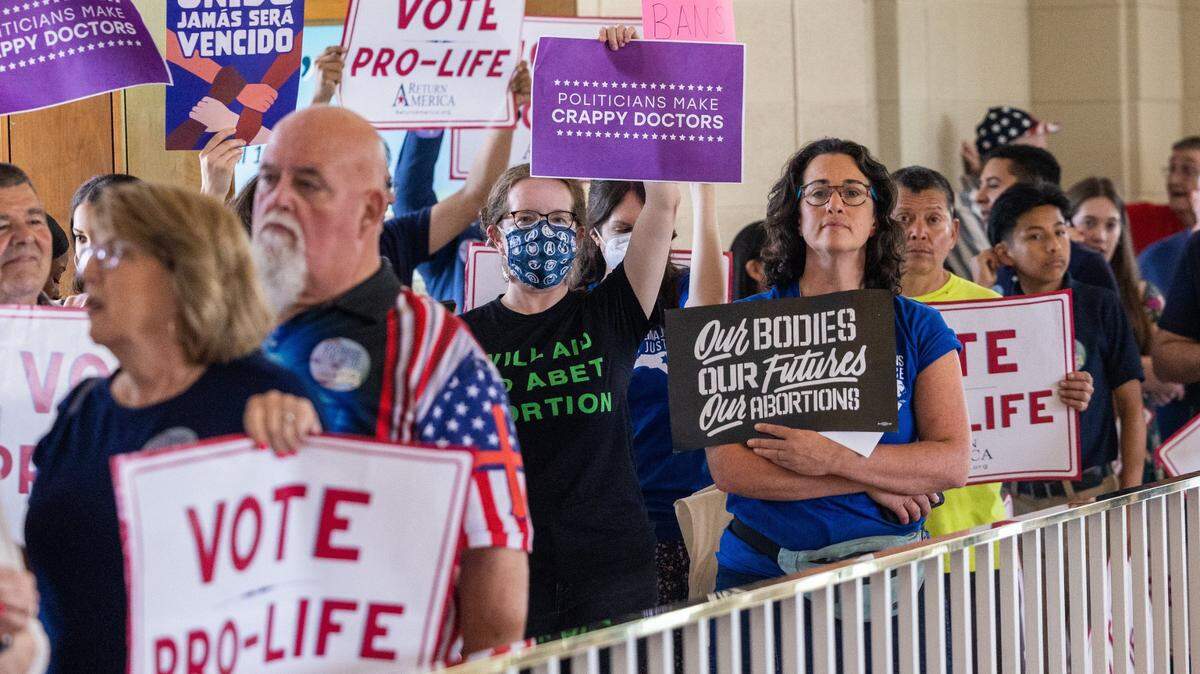
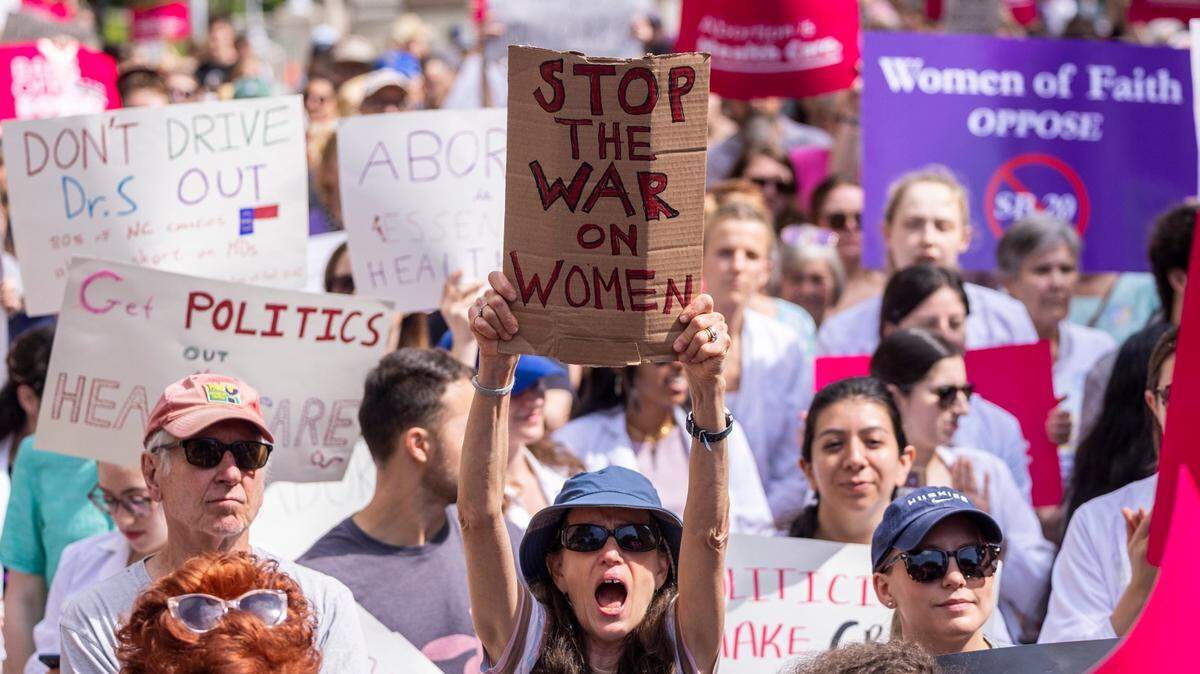
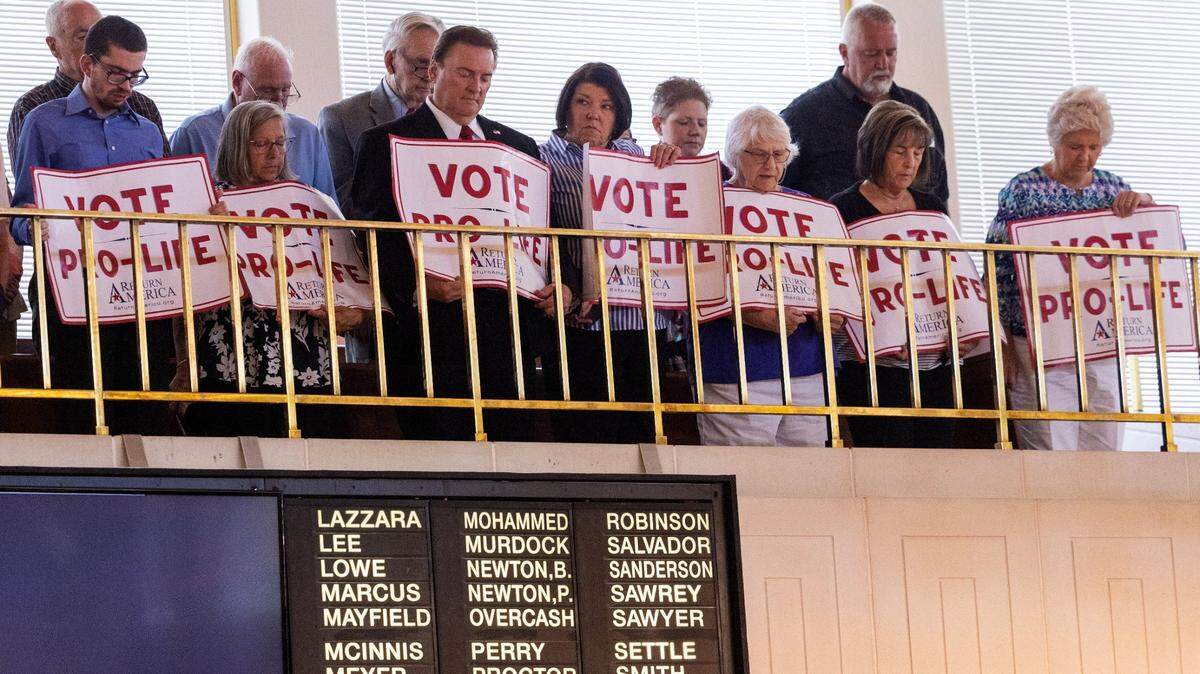
In the week since the GOP’s proposal to ban abortions after 12 weeks instead of 20 weeks cleared the General Assembly and was sent to Cooper’s desk, Republicans and Democrats have both claimed that a majority of North Carolinians is on their side when it comes to supporting or opposing restrictions contained in the new bill.
Lawmakers and activists on both sides of the debate have cited different polls that show different findings about the attitudes and preferences of voters. To make sense of the various polls out there, The News & Observer spoke with David McLennan, a professor of political science at Meredith College and director of the Meredith Poll.
McLennan discussed the findings of the latest Meredith Poll, from February, as well as other nonpartisan polls. He also talked about polls from political groups like Carolina Forward and Differentiators Data, and weighed in on how the bill expected to take effect soon might shape campaigns ahead of the 2024 elections.
Q: What are your broad takeaways from these polls that have been conducted over the last year or so?
McLennan: I think the top line is that more North Carolinians support abortion rights and are opposed to severely restricting abortion rights. If you look across the polls, you see that a majority tend to favor, generally where North Carolina’s current law is, with some people favoring expanding it, some people being slightly on the other side of 20 weeks. When we started looking down into the severe restrictions, or banning it entirely, we’re talking about a relatively small number of North Carolinians are for an absolute ban on abortion.
... Then we start breaking that out into party affiliation, you start seeing some differences. In my poll, for example, it was pretty obvious the Democrats wanted to either keep the 20 week period or expand it. Republicans wanted to restrict it more from the 20-week period. But, the interesting thing was that it wasn’t a plurality of Republicans that wanted to ban it, or even wanted to keep it at six weeks. So, even Republicans had a pretty nuanced view of abortion rights. And then unaffiliated voters tended to more side with the keep where it is or expand it (position).
Q: Is there polling out there that backs up the assertion from Republicans that this bill can garner the most amount of public support possible?
McLennan: I think that what they landed on, which is the 12 weeks, rather than being a consensus, is more of a compromise position between the current law and the six-week law that some had talked about initially. So, I think the calculus is, you’re still drawing it down from the 20-week period, which may please some of the more socially conservative Republicans, without endangering those who are in swing districts, or maybe are more moderate on the issue of abortion. ... It does seem to be that kind of point at which (it’s) a little just more politically safe than either a six-week ban or even keeping it where it is. So, they tried to really split the difference.
Q: What do you make of other polls by Carolina Forward and Differentiators Data?
McLennan: It seems like the Carolina Forward poll is consistent with the Meredith Poll, some of the earlier polls with Elon and Pew. My advice would be to not look at a single poll as being gospel, but to kind of compare polls asking similar, even if not exactly the same questions. So that’s why I would see the Differentiator poll as being sort of an outlier, in that it does show something radically different from the universe of polls that is out there.
I would probably also say that the (Carolina Forward) poll, being more current than any of the others, and since we are fairly familiar with what passed in the legislature, that may have some relevance. Because, what we know in polling research on the abortion issue in particular is, when you’re asking people theoretically, what they would prefer, and then ask, ‘how do you feel about a proposed or current law?’ — we do find that people are a little bit more nailed down to their position, or locked into their position, once a law is being proposed or has actually been enacted.
Q: We’re still more than a year away from the 2024 election, but how do you think this new bill will play out in terms of the salience of abortion as a campaign issue?
McLennan: Well, I think we can look around the country to other states and recent examples of how abortion has become a very important issue for segments of voters. So, I think in North Carolina, this is going to be perceived by some voters as having a right taken away from them, or at least reduced for them. And so, I’ll continue polling on this issue, but I’m going to be asking the question, how important is abortion in your voting decision for 2024? And I suspect that I’ll see an increase in some segments of the North Carolina voting population, for people saying, “yes, that’s very important to me,” and I suspect this on the Democratic side, young voters, that sort of thing.
For some Republicans, it may be, “hey, look, we got this reduced from 20 weeks to 12 weeks, we’ve won,” and it may be less of an important issue for them. Now, again, it depends on how both parties spin this. Democrats are clearly going to go out on the campaign trail and make this a top issue, heading into 2024. Republicans may see the idea that their voters may be less energized, because of this perception that they’ve won something, so they may try to energize their base on the abortion issue as well.
Q: It probably makes for stronger motivation, or a more compelling pitch, to campaign on something being taken away, or fighting for something.
McLennan: Political science research says that anger is the No. 1 motivator for voting, and I suspect that Democrats will have more anger on their side.
Q: Where does that leave Republicans? How might they campaign on this new bill?
McLennan: It may be on a district by district level, you have some swing districts in the suburban areas, and you might find that even Republican candidates try to celebrate the fact that a first trimester law is still there, whereas in a more conservative rural district, you might find Republican candidates going, “Well, we took one step, we need to keep going.” So, I think it could be very localized, it could be dependent on the candidates themselves, I mean you see someone like the current lieutenant governor (Republican Mark Robinson) in his gubernatorial campaign — I suspect he’s not going to hold back, he might still say, “hey, we haven’t gone far enough,” and yet someone like (Republican gubernatorial candidate) Dale Folwell, I’d say, “this is not an issue I really want to talk about, I’m more interested in protecting health care for North Carolinians.”
This story was originally published May 12, 2023 at 8:45 AM with the headline "How do NC voters feel about abortion laws? We asked a polling expert.."



.jpg)