NC abortion bill didn’t need to move at ‘light speed,’ transparency advocates say
READ MORE
Abortion in North Carolina
Republicans in the North Carolina state legislature passed a law that implements new abortion restrictions. What does that mean for access to abortion? Read coverage on the issue from The News & Observer and The Charlotte Observer.
Expand All
The bill banning abortions after 12 weeks sitting on Gov. Roy Cooper’s desk took GOP lawmakers months to put together. But it spent less than 48 hours in the public eye before passing the General Assembly.
Between Tuesday night and Thursday evening, House and Senate Republicans announced they had reached an agreement on new abortion restrictions, unveiled the 46-page bill, moved the bill out of a joint committee meeting and passed the bill through each chamber so it could be sent to the governor.
Debates on the bill were fairly extensive. The Senate’s floor debate was the longest of the last decade, according to Senate leader Phil Berger’s office. But critics have slammed the speed with which the bill cleared the legislature through a special process that meant it didn’t need to go through multiple committees and couldn’t be amended.
Republicans spent months holding talks within their own ranks trying to come up with a consensus position that all 72 Republicans in the House and 30 in the Senate could agree on and vote for.
GOP leaders said they convened working groups within both chambers to make sure the final proposal they unveiled last week would have the entire party’s backing, and could be passed over a veto from Democratic Gov. Roy Cooper, who has vowed to block the bill but will likely see his veto defeated since Republicans control supermajorities in both the House and Senate.
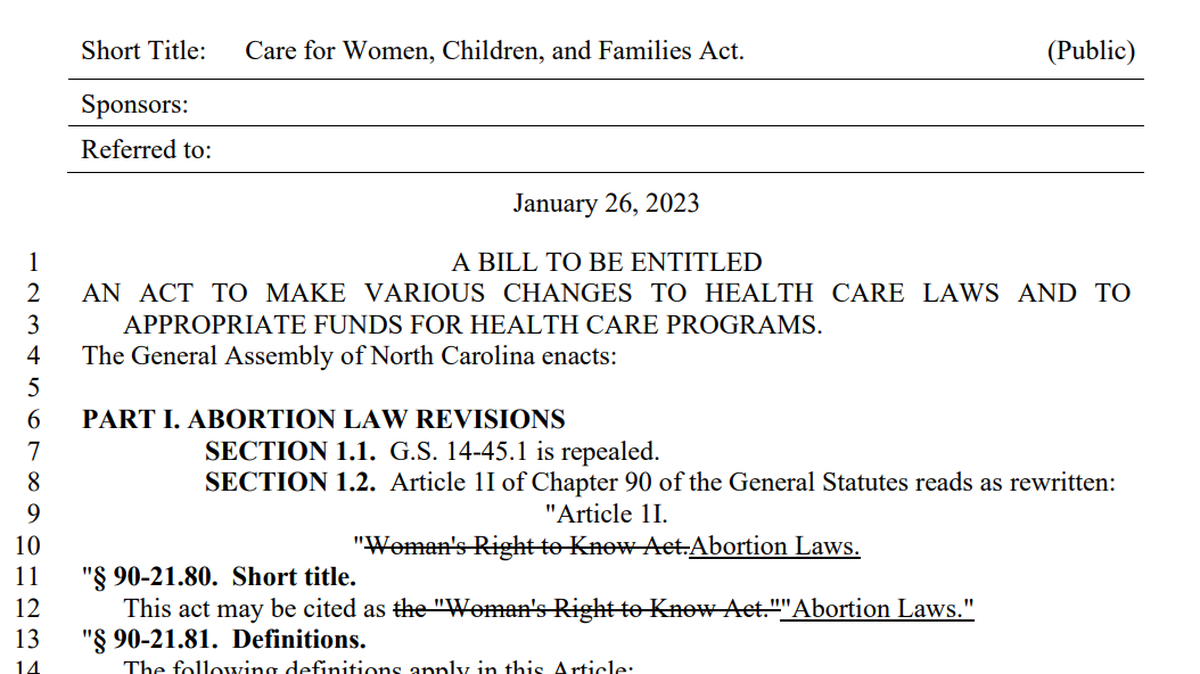
When legislators released the abortion policy Tuesday night, they chose to replace existing legislation filed as Senate Bill 20 instead of filing a new bill. The procedural move helped hasten the process and meant amendments weren’t allowed.
A debate over deliberative process
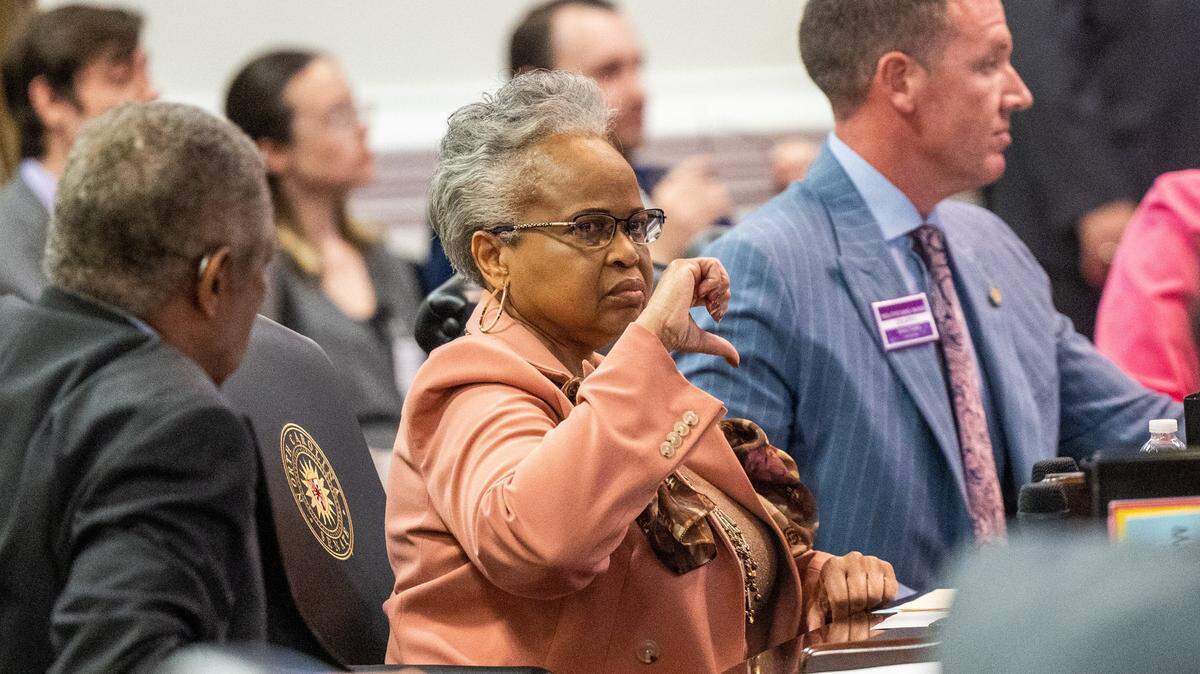
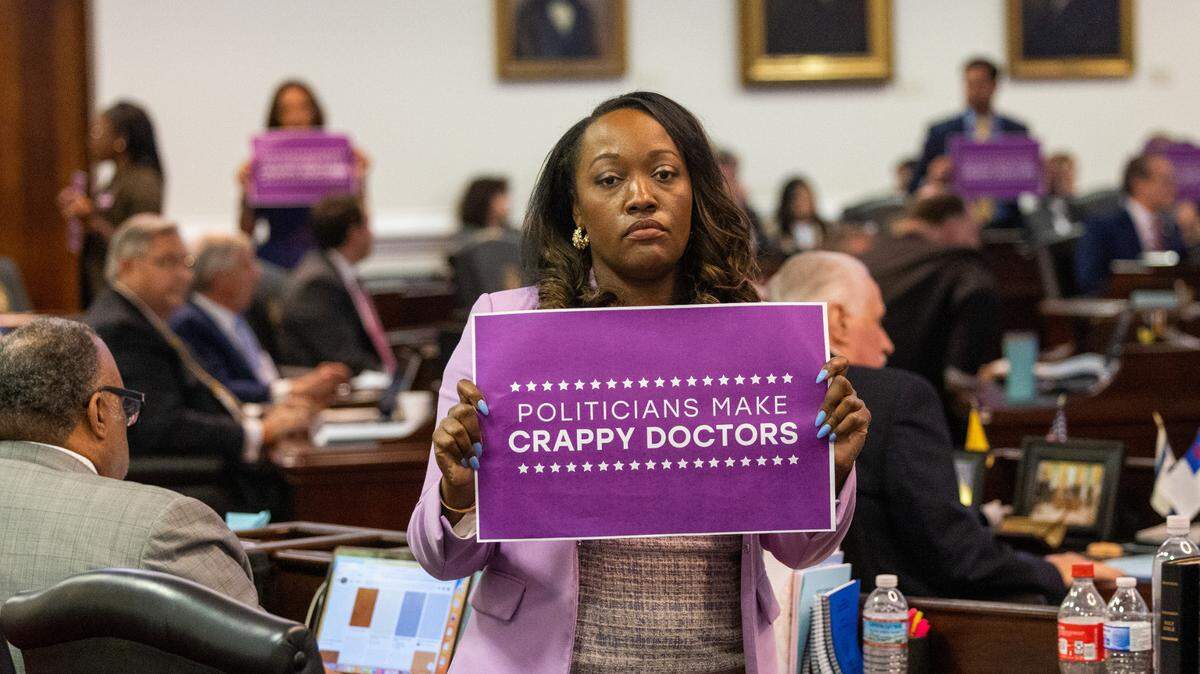
During House and Senate debates on the bill, Democrats protested the rushed process by which the bill was advanced through the legislature.
Speaking to reporters after the House’s vote on the bill Wednesday night, House Minority Leader Robert Reives, a Goldston Democrat, said the “most important” thing was for critics of the bill to “feel heard.”
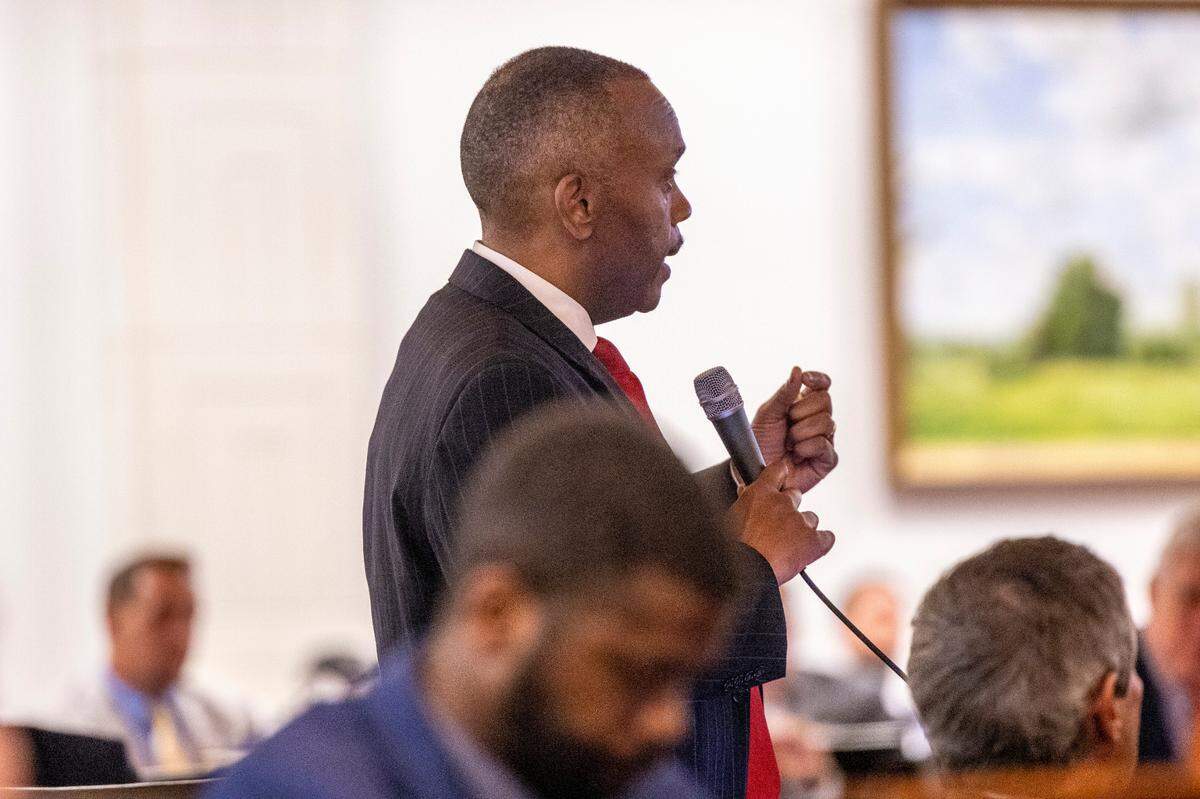
“A lot of people, since I’ve been here, have understood that we might lose, but they feel like they deserve the right to be heard,” Reives said.
He also said that even though both parties are far apart on what abortion laws should look like, he thought the process should have been more deliberative before the bill reached the House floor.
“Had this been a more inclusive process — had people been heard — no, we definitely wouldn’t have been happy with the result, but one, I’d be interested to see what the final result would look like,” Reives said.
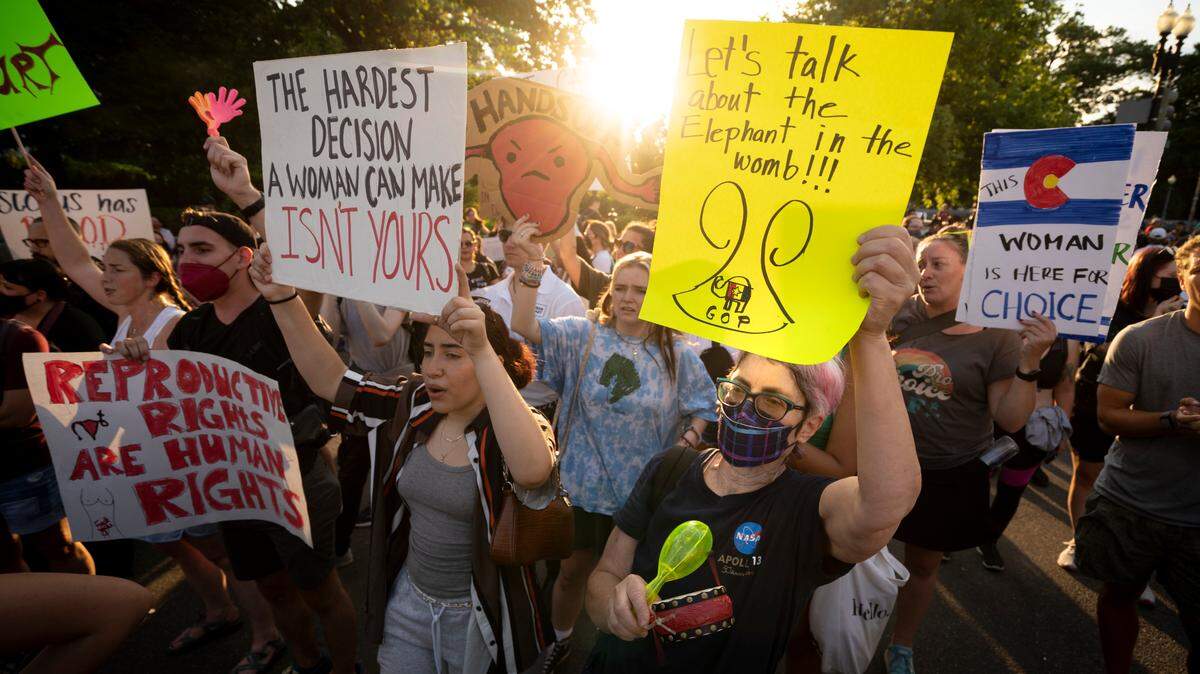
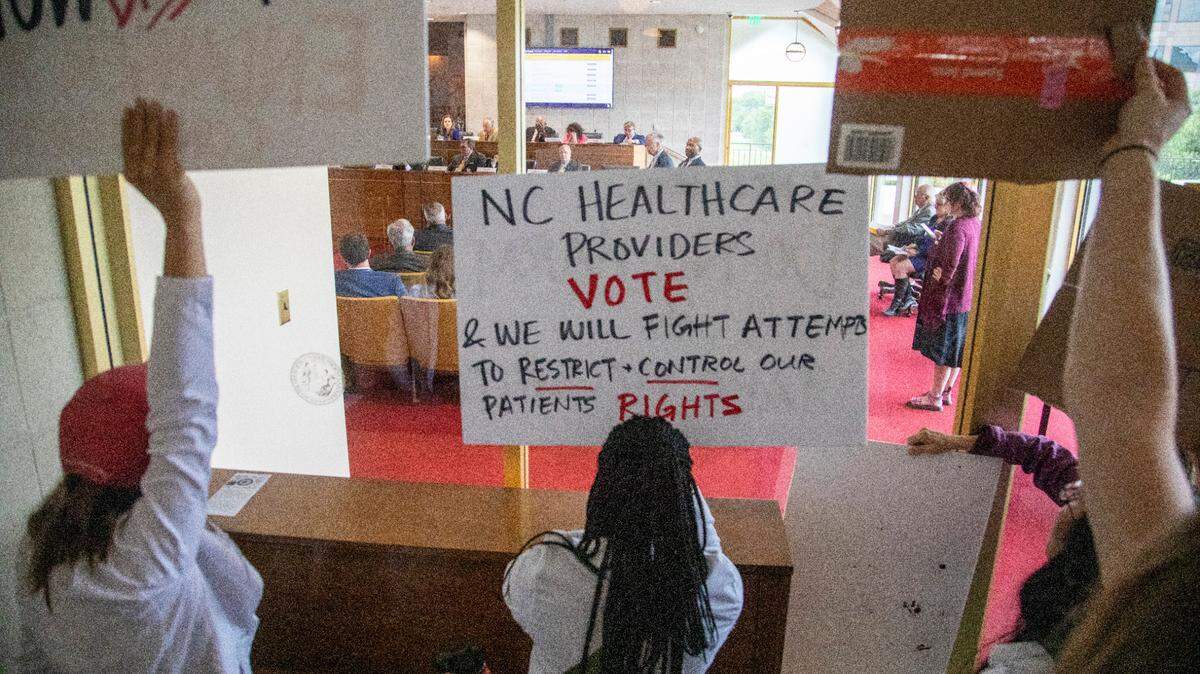
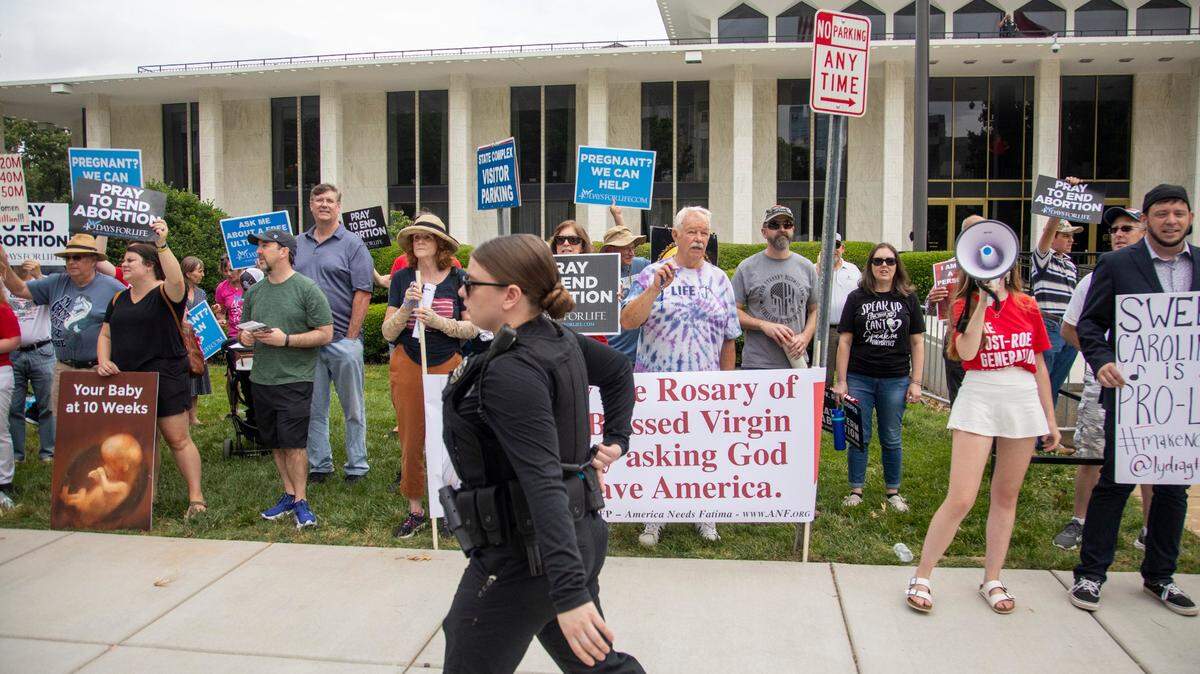
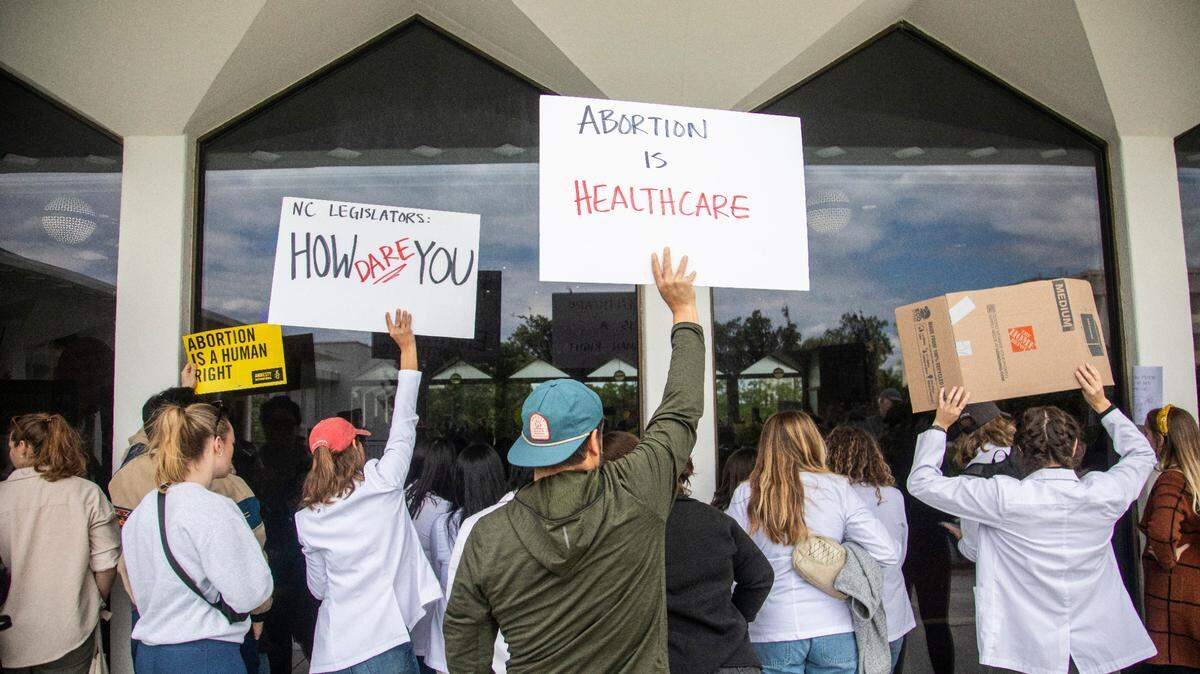
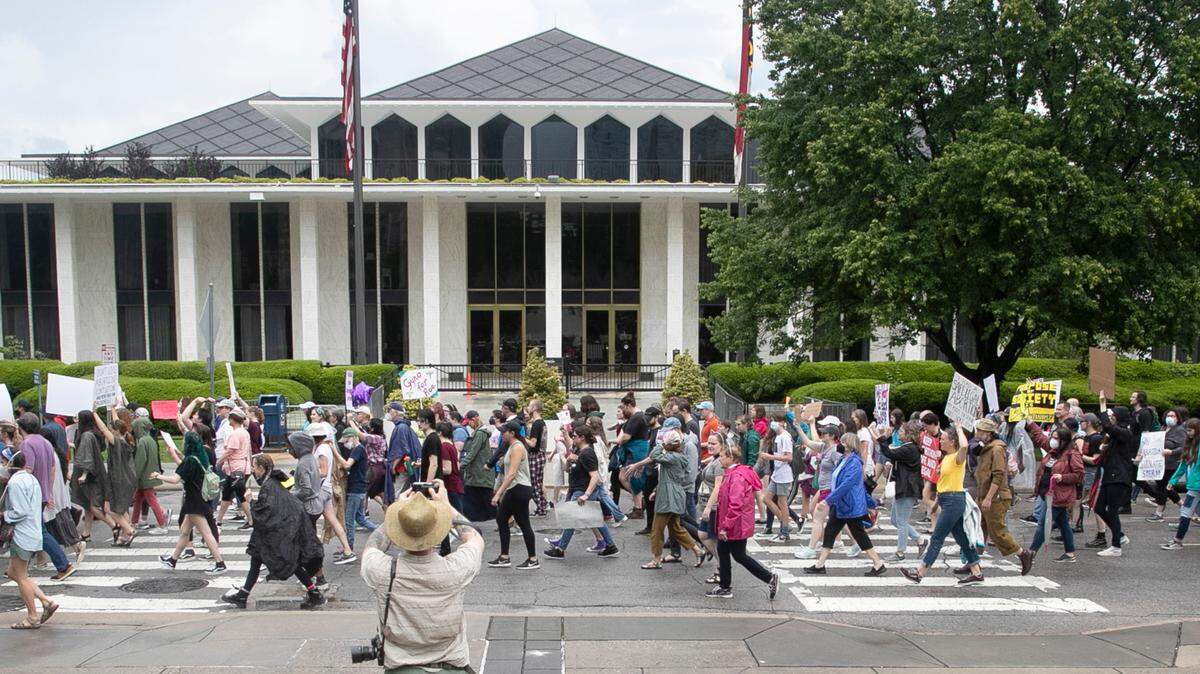
Rep. Julie von Haefen, an Apex Democrat who spoke against the bill during House debate and joined pro-abortion rights protesters during a demonstration outside the General Assembly earlier in the day, echoed Reives’ frustration.
“I also think it’s just really important for people outside of this building to be heard,” she said. “We have had such limited opportunity to do that, and especially on a bill as huge as this, that for me that was the most egregious part of the process.”
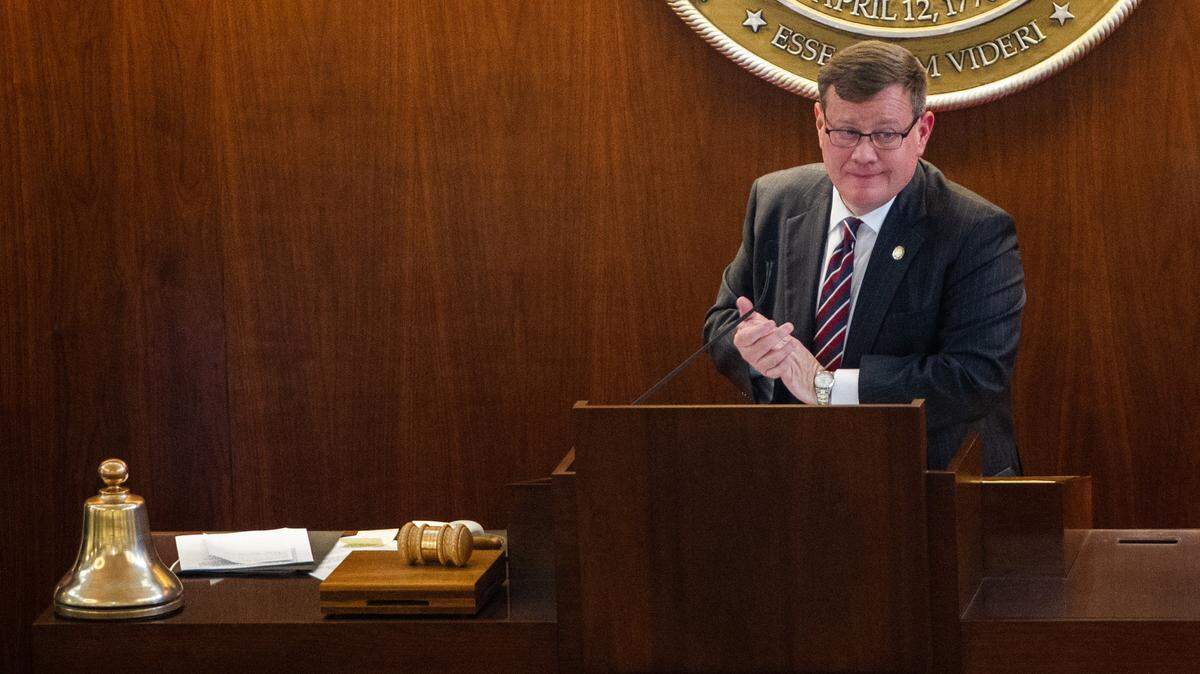
House Speaker Tim Moore, a Kings Mountain Republican, told reporters that he felt critics of the bill had ample opportunity to debate it. Debate in the House began just before 9 p.m. and was about to reach the hour mark when Democrats tried to lodge a “constitutional protest” to stop the proceedings. At that point, Moore said the House would move immediately to a vote.
“If folks wanted to keep debating, we’d still be in session right now,” Moore said after the vote.
Moore also addressed the notion that the bill could’ve been inserted into a budget proposal, which he said may have made things easier for Republicans, but would’ve been the wrong approach.
“It deserved to have its day, and have its vote, and have its debate on the merits of the bill, and putting that just as something in the budget — while it could have been convenient, it could have been even more secure — I don’t think is the right thing to do,” Moore said. “And I wanted even the folks who were very much opposed to this bill, I wanted them to have their say so. I wanted them to have their opportunity to be heard. I wanted them to be able to debate this bill just as much as those of us who supported it.”
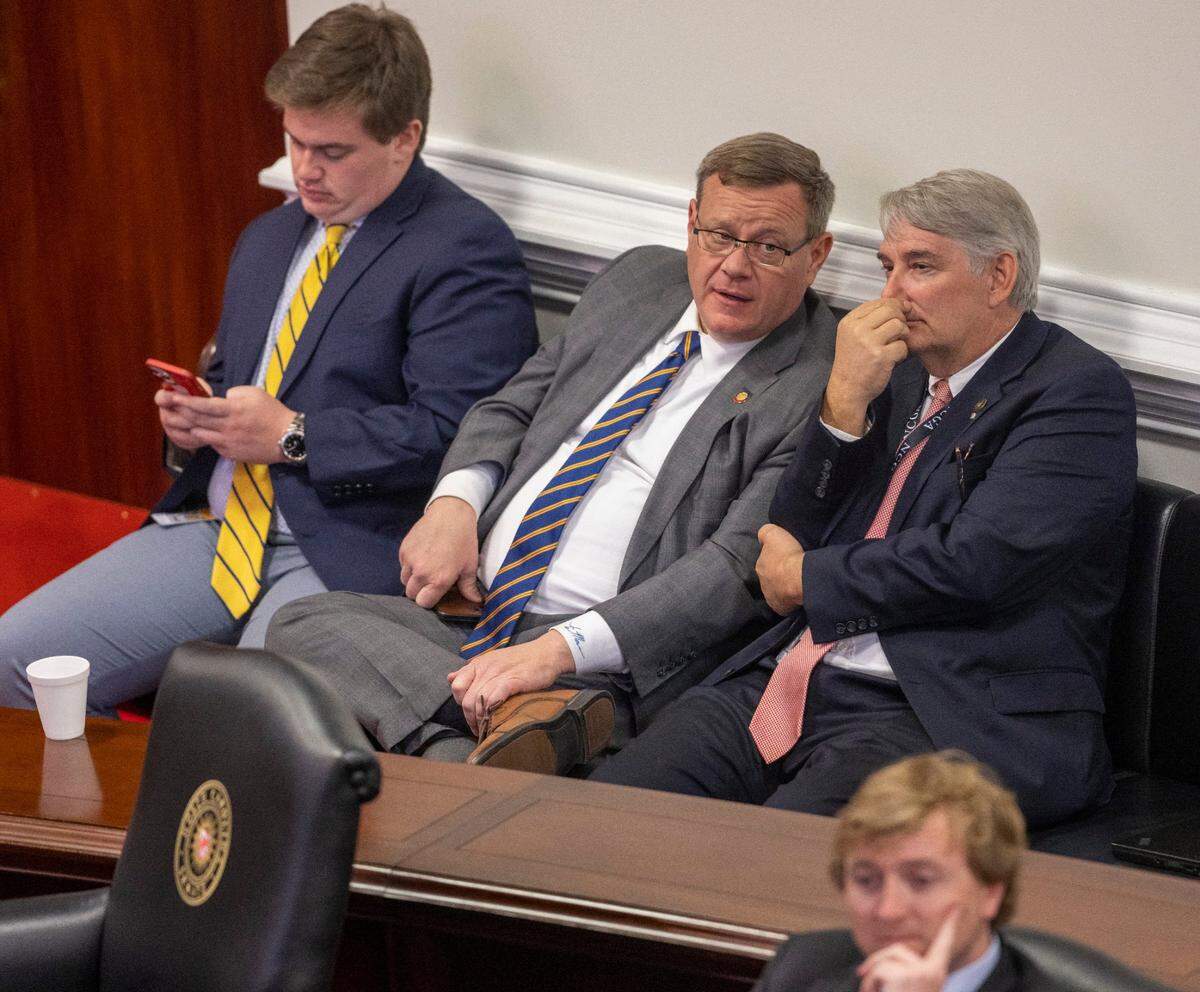
Transparency concerns among open government groups
Moving bills through a special, expedited process is nothing new in Raleigh, or in other state capitals or in Washington, advocates for more transparency in government say.
Brooks Fuller, director of the N.C. Open Government Coalition, said that state legislatures and Congress often rush complex bills through the voting process after negotiations have been done in private.
“Elected leaders that are in safe House and Senate seats, they may get the impression that they don’t have to answer to anybody except for the voters in their caucus,” Fuller said. “I don’t think that’s an accurate picture of the way the government ought to work in North Carolina or anywhere.”
“I think that we could really improve trust in government if elected leaders took their responsibilities more seriously to explain legislation that they bring to the floor and how they plan to bring it,” he continued.
.JPG "RAL_050323-ABORTION-PROTEST-TEL21 (1).JPG")
Fuller, who also teaches journalism at Elon University, said that government “works better when the public fully understands every step of the process and has the ability to comment” on proposed bills. He added that it’s “plenty common as a legislative maneuver to run a legislative play at light speed, but it’s not necessarily good for government, especially on an issue as contentious as abortion.”
“They can negotiate proposed legislation privately and then introduce it,” Fuller said. “But it’s a real slight to the public to not have any access into the process and any understanding of policies that affect the lives of North Carolinians — every single one of us.”
Common Cause NC, an open government advocacy group, has pushed for legislation to require 24 hours between the time a bill has been introduced and the time it goes to committee and at least 24 hours before a bill goes to a floor vote.
“We didn’t even have 12 hours with this bill — and it was a 40-page-long bill,” Jane Pinsky, a program director with Common Cause, said. “It’s impossible to expect a legislator to do their job if they have 10 minutes to read a 40-page bill.”
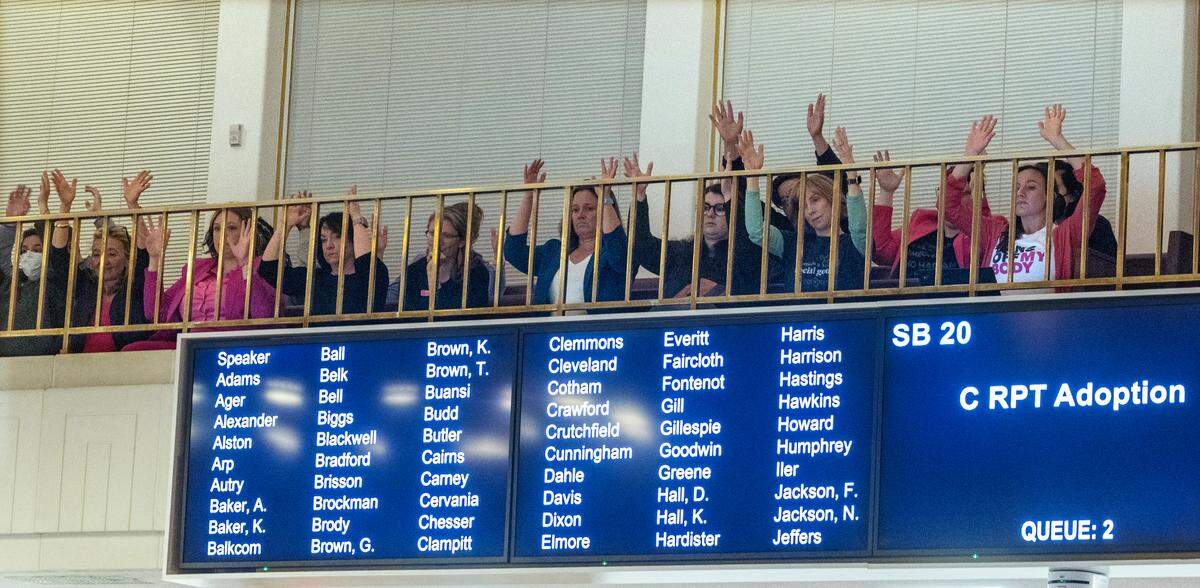
Pinsky also criticized the legislature for not allowing public comment on other controversial bills, such as the bill to ban gender-affirming surgery for minors that passed the House last week.
“And when they do allow for public comment, they allow a minute or a minute and a half,” she said. “If I drove all the way from Lone Pine, Elizabeth City, Southport — if that was all the consideration I got, I’d be very upset.”
Pinsky said that people, regardless of their opinion on abortion, should be concerned when there isn’t openness and transparency in the legislative process.
“This is supposed to be a deliberative process,” she said. “It is not supposed to be a rushed process.”
This story was originally published May 9, 2023 at 7:06 AM with the headline "NC abortion bill didn’t need to move at ‘light speed,’ transparency advocates say."


















.jpg)