‘Sounding the alarm for a long time.’ Charlotte reacts to Roe v. Wade potential end
READ MORE
Abortion in North Carolina
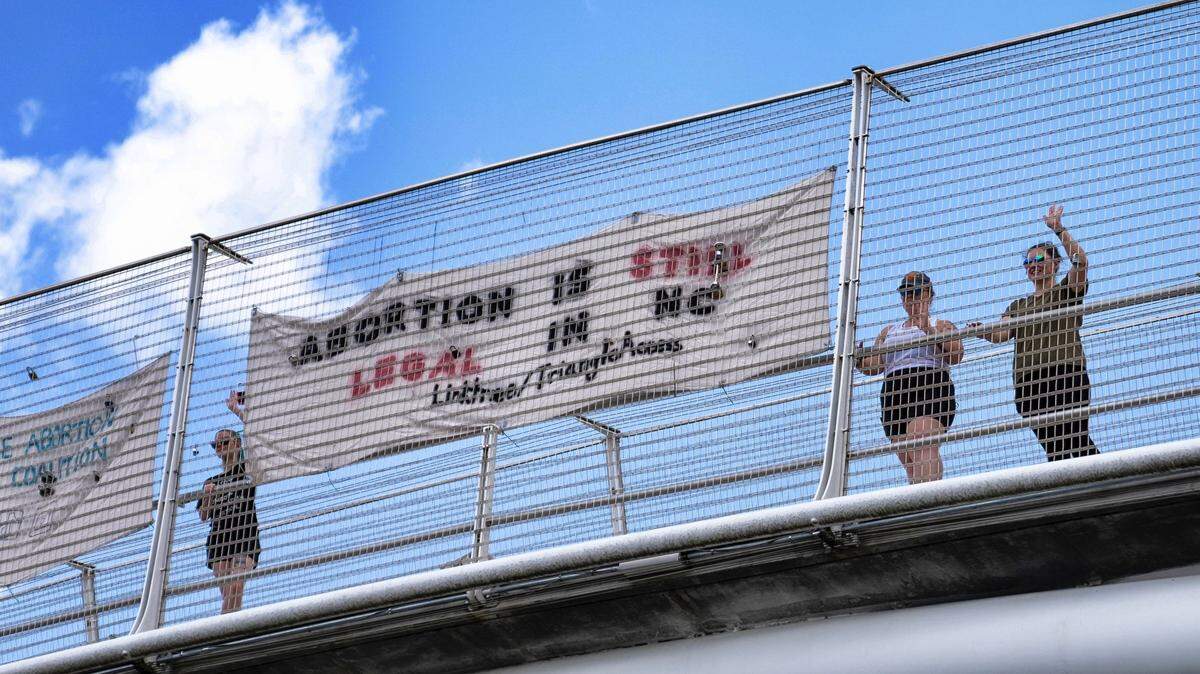
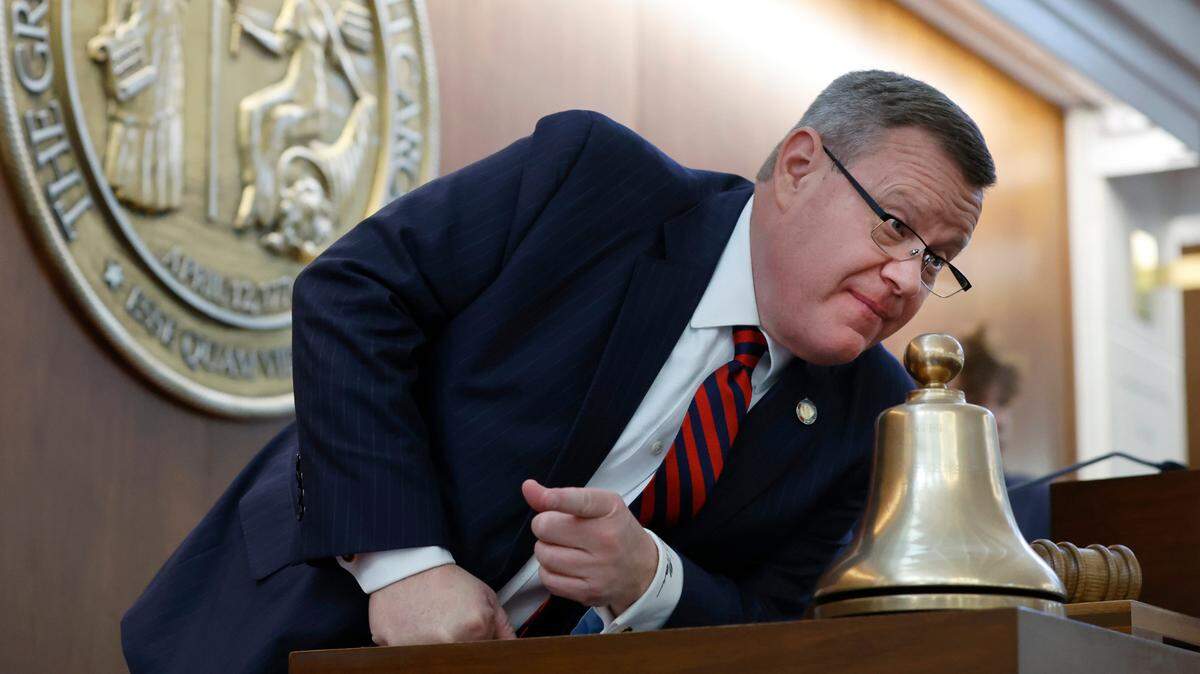
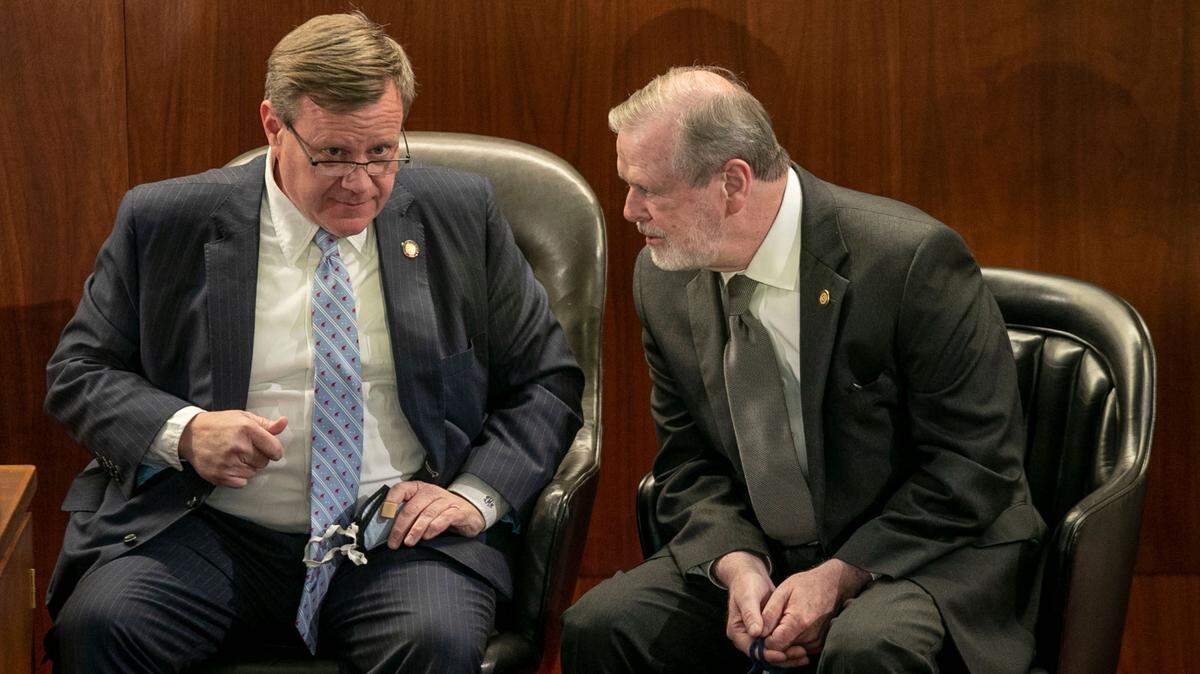
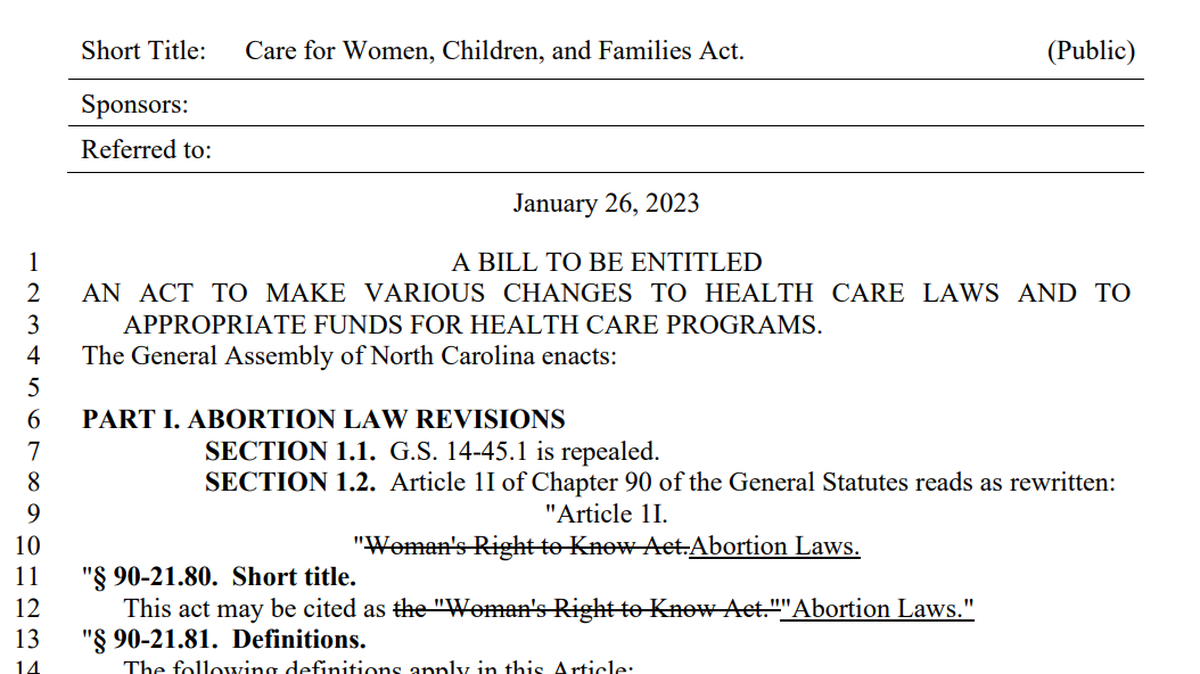
Republicans in the North Carolina state legislature passed a law that implements new abortion restrictions. What does that mean for access to abortion? Read coverage on the issue from The News & Observer and The Charlotte Observer.
Expand All
Raleigh college student Betty Gunz knew she wasn’t ready to be a parent when she found out she was pregnant. Her boyfriend set up an appointment for an abortion.
“He and I went to a small strip mall, where somebody picked us up — a stranger picked us up, blindfolded us and took us to the house where the man who did abortions lived,” she said. “And he did the abortion there on a table in his house.”
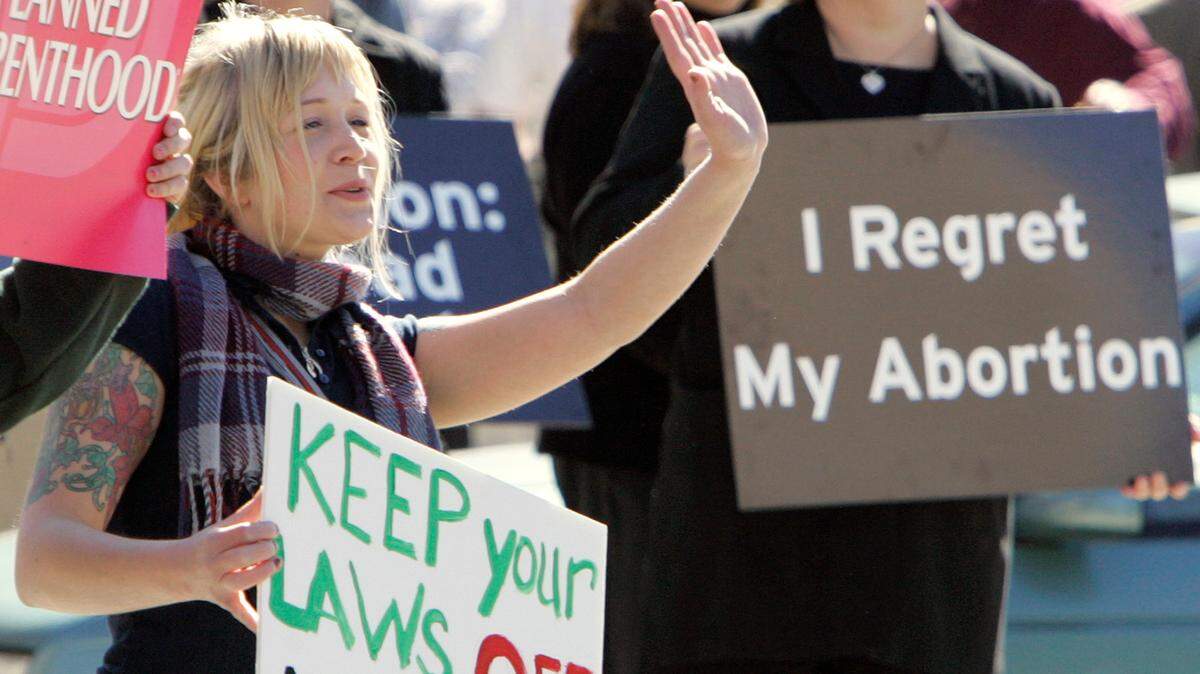
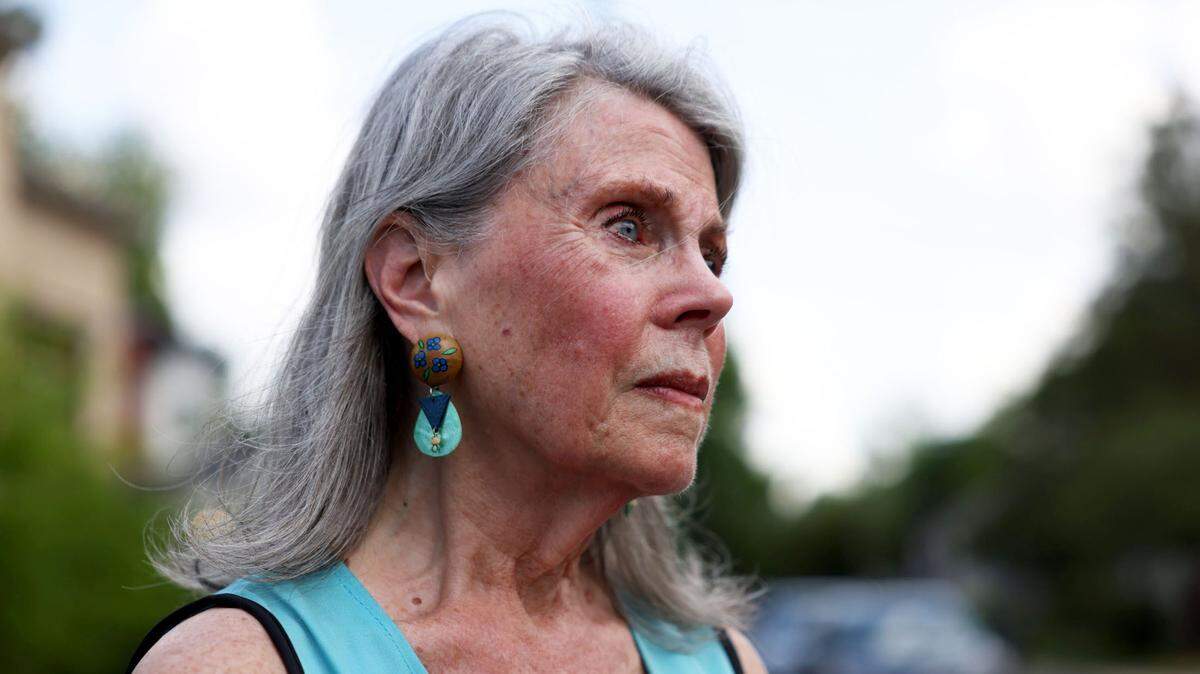
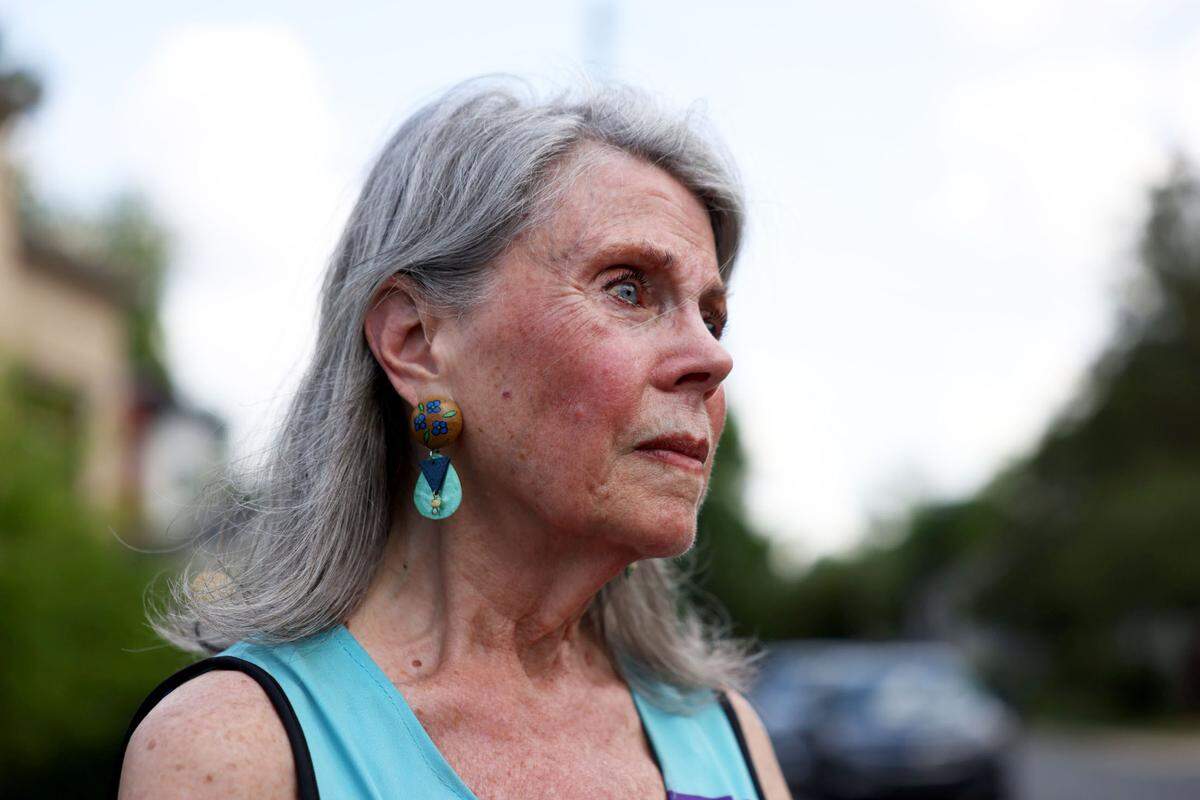
That was in the ‘60s — before Roe v. Wade established a constitutional right to abortion. Now 77, Gunz volunteers as a clinic escort in Charlotte for others seeking abortions, she told The Charlotte Observer while standing in front of the Planned Parenthood in Cherry neighborhood Tuesday morning.
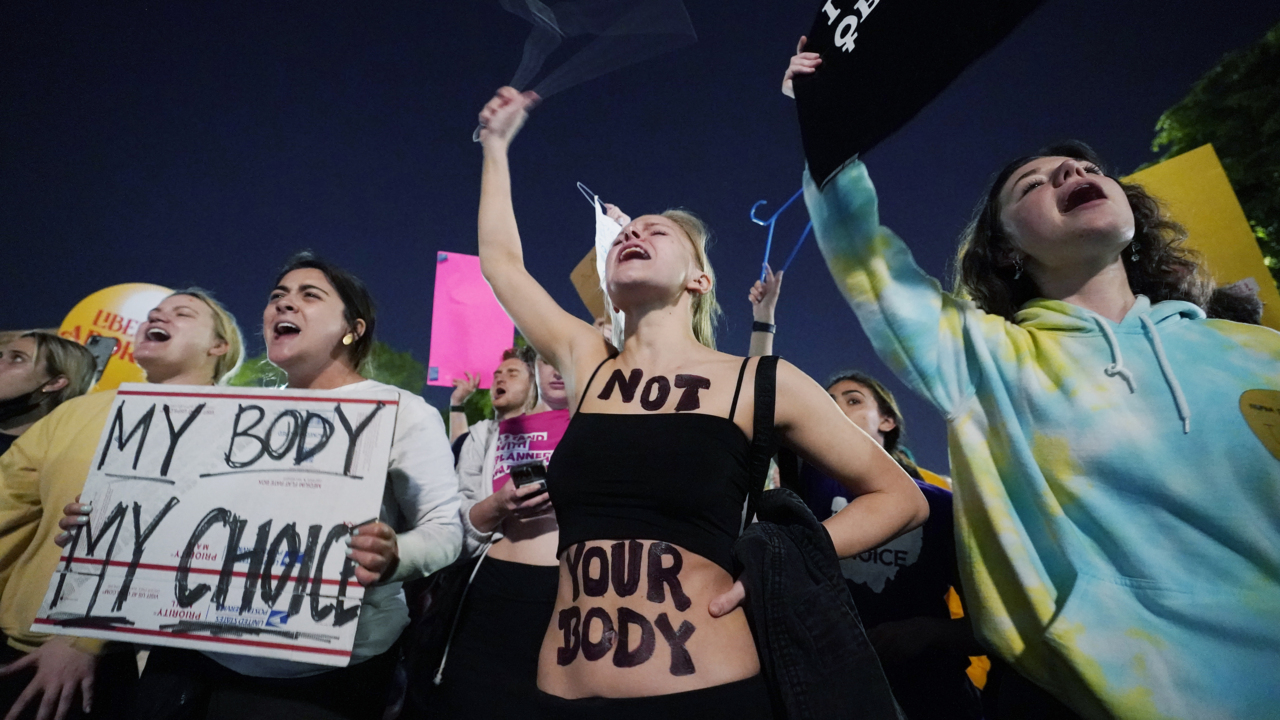
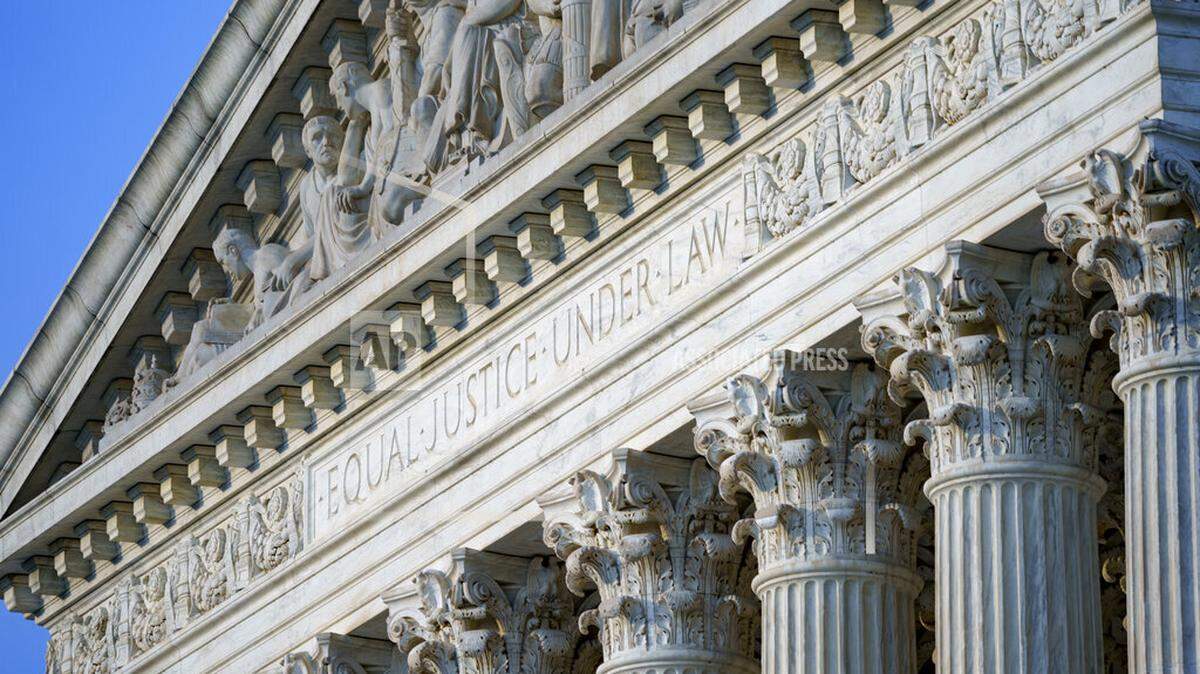
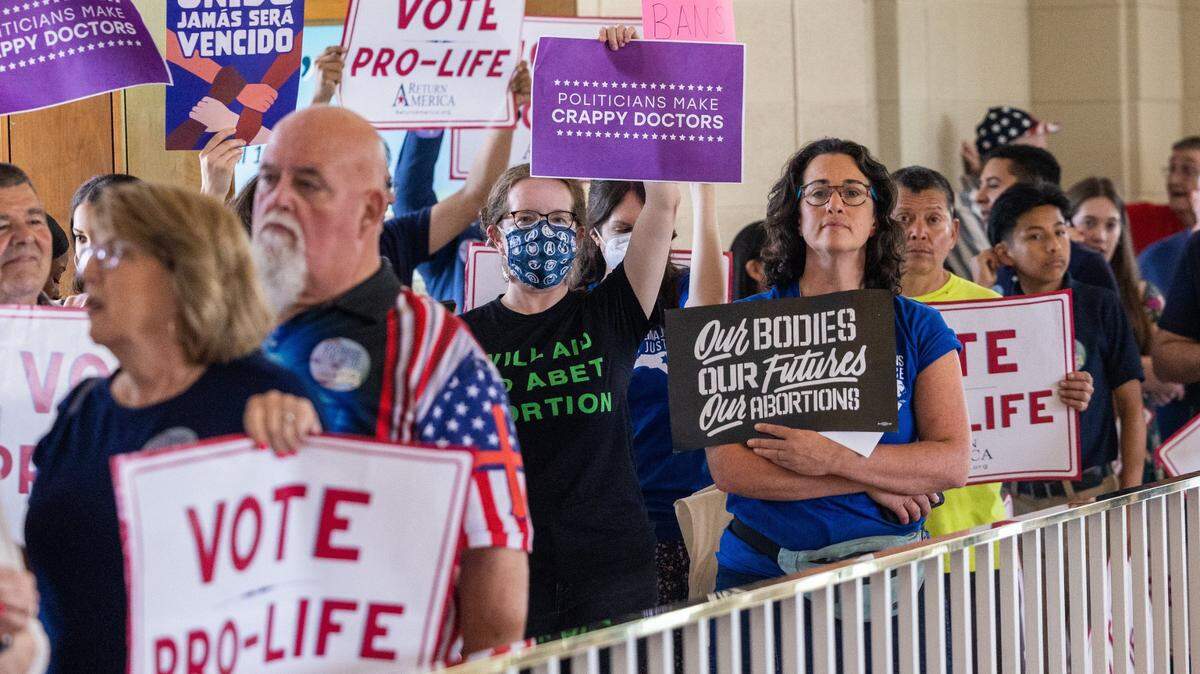
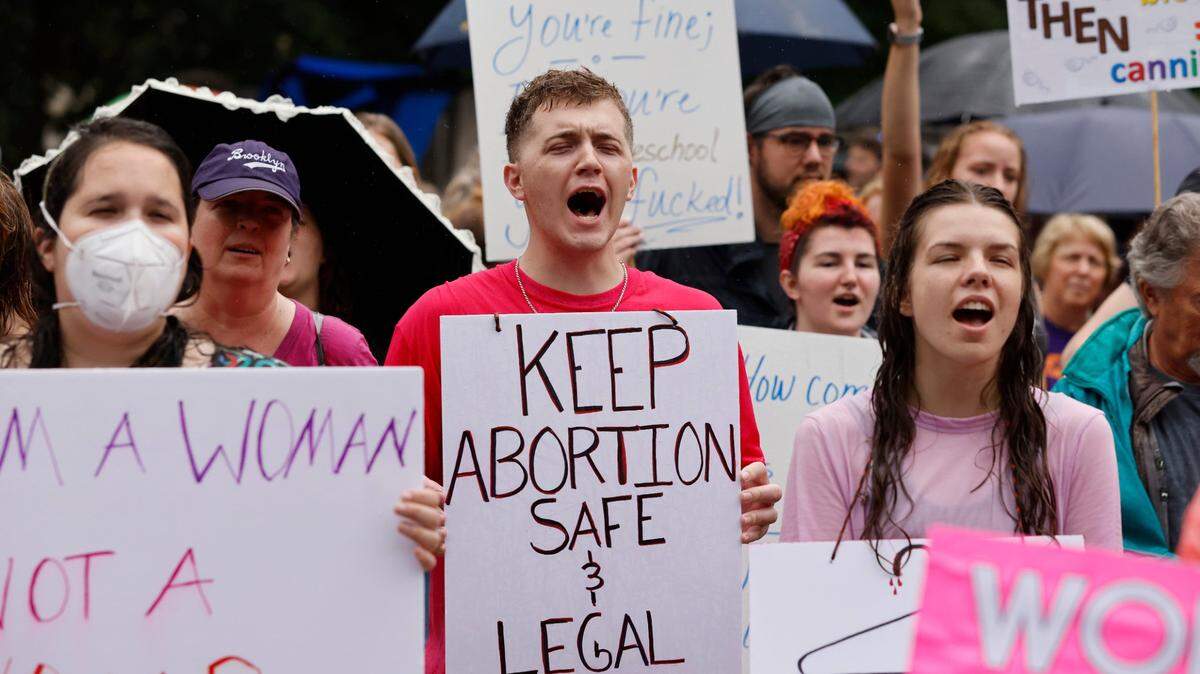
Gunz and other abortion defenders, along with anti-abortion activists, are watching the Supreme Court closely after a leak revealed a draft opinion penned by Justice Samuel Alito that would overturn Roe v. Wade.
The court’s ruling will not be final until it is published, which could land this summer.
The draft was not unexpected, but was still “devastating” to see, half a dozen abortion rights advocates told the Observer in interviews Tuesday.
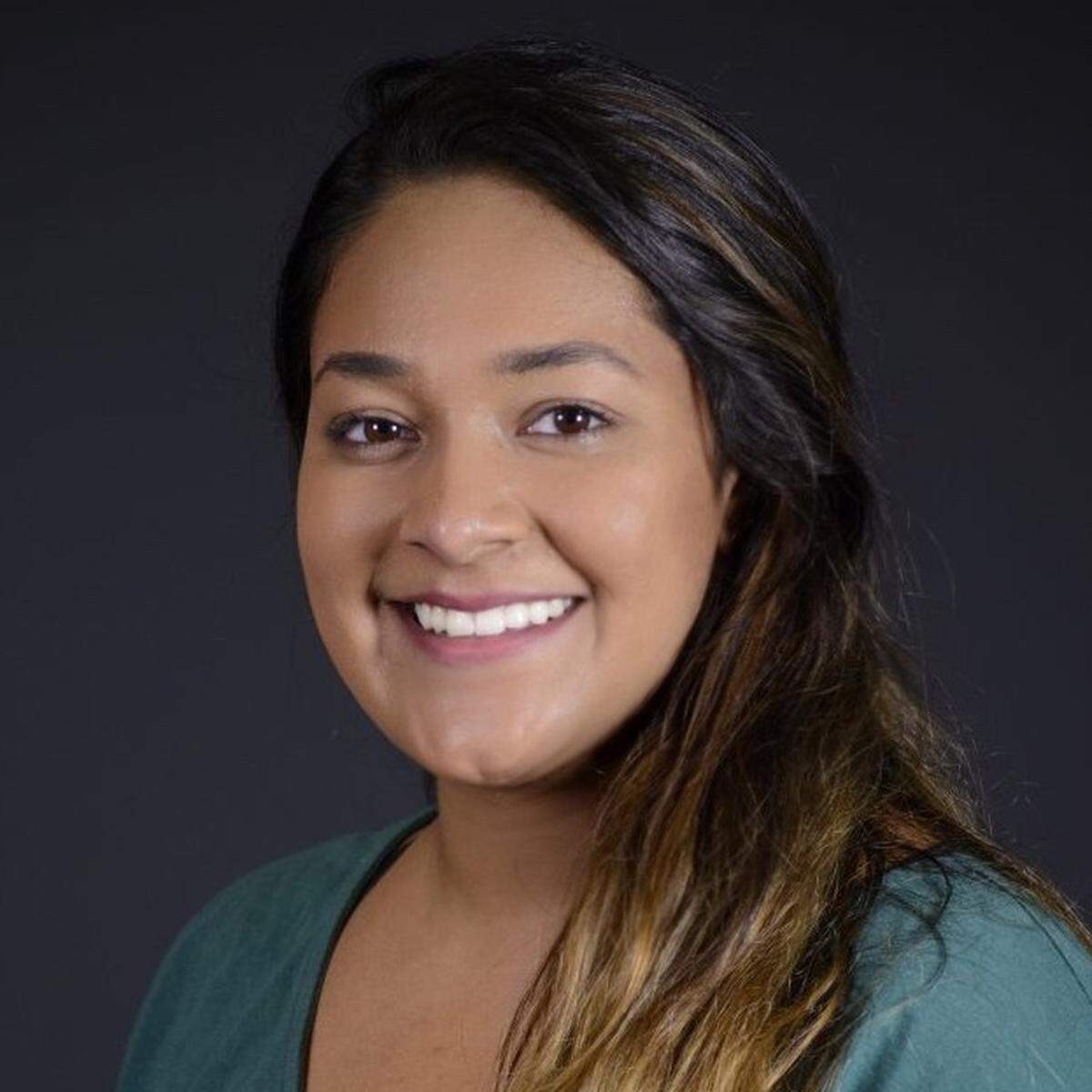
“We have seen the writing on the wall for decades,” director of communications for Planned Parenthood South Atlantic Molly Rivera said. “We have been sounding the alarm for a long time… Even though we expected it, to see it actually written down is a huge gut punch.”
Franklin Graham, son of Charlotte evangelist Billy Graham, celebrated the news on Twitter Monday. “Praise God!” he posted. “…I don’t know if this report is true, but if it is, it is an answer to many years of prayer.”
Overturning the landmark 1973 ruling would leave abortion policies to individual states. At least 26 states have laws indicating that they intend to ban abortion if Roe v. Wade is overturned, according to the Guttmacher Institute. North Carolina is not included in that list.
If those states implement total abortion bans, North Carolina could be the nearest abortion provider for some residents in Florida, Georgia, Alabama, Tennessee, South Carolina, Kentucky, Louisiana, Mississippi, Virginia and West Virginia, the Guttmacher Institute estimates.
‘Much more hostile’
At least 100 people receive abortions each week at A Preferred Women’s Health Center on Latrobe Drive in Charlotte, clinic executive director Calla Hales said.
Hales said she felt numb getting the news of the leaked draft opinion — but it wasn’t a surprise. “This is something that folks have been screaming about for years,” she said. “And it’s finally coming to fruition”
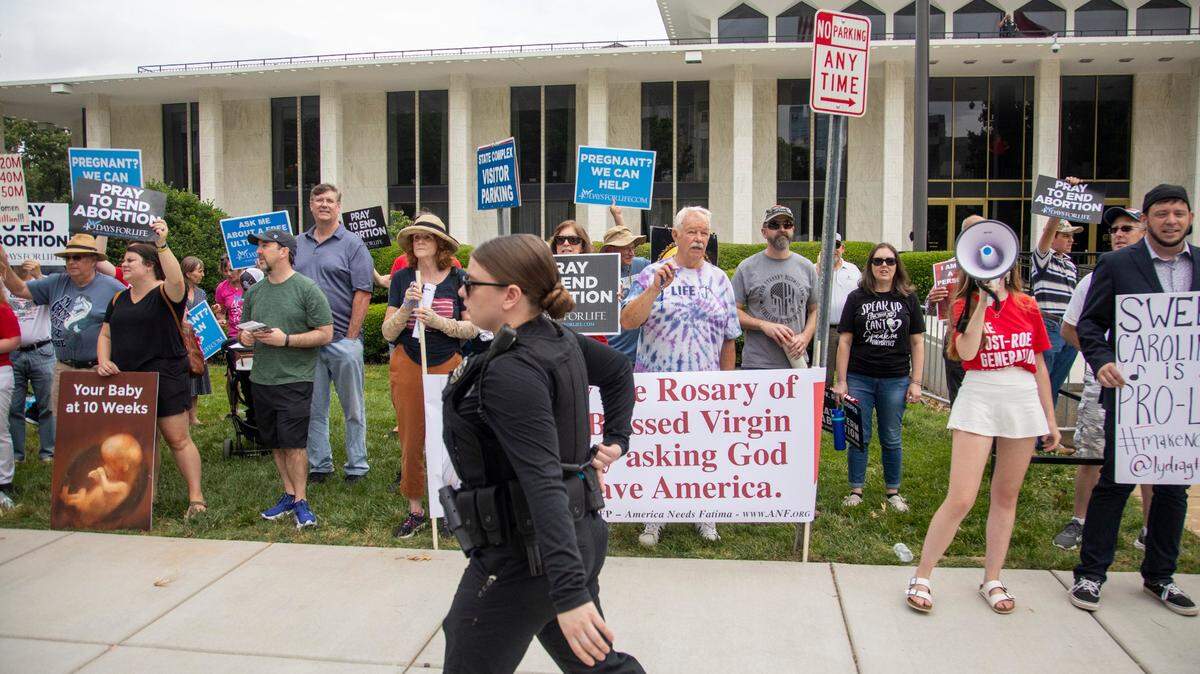
The clinic has been known for attracting crowds of anti-abortion protesters, sometimes assisted by a bullhorn.
“The landscape has definitely become more hostile as I’ve been doing this work,” Hales said. “Not just here in Charlotte or here in the state, but overall, it’s becoming a much more hostile thing.”
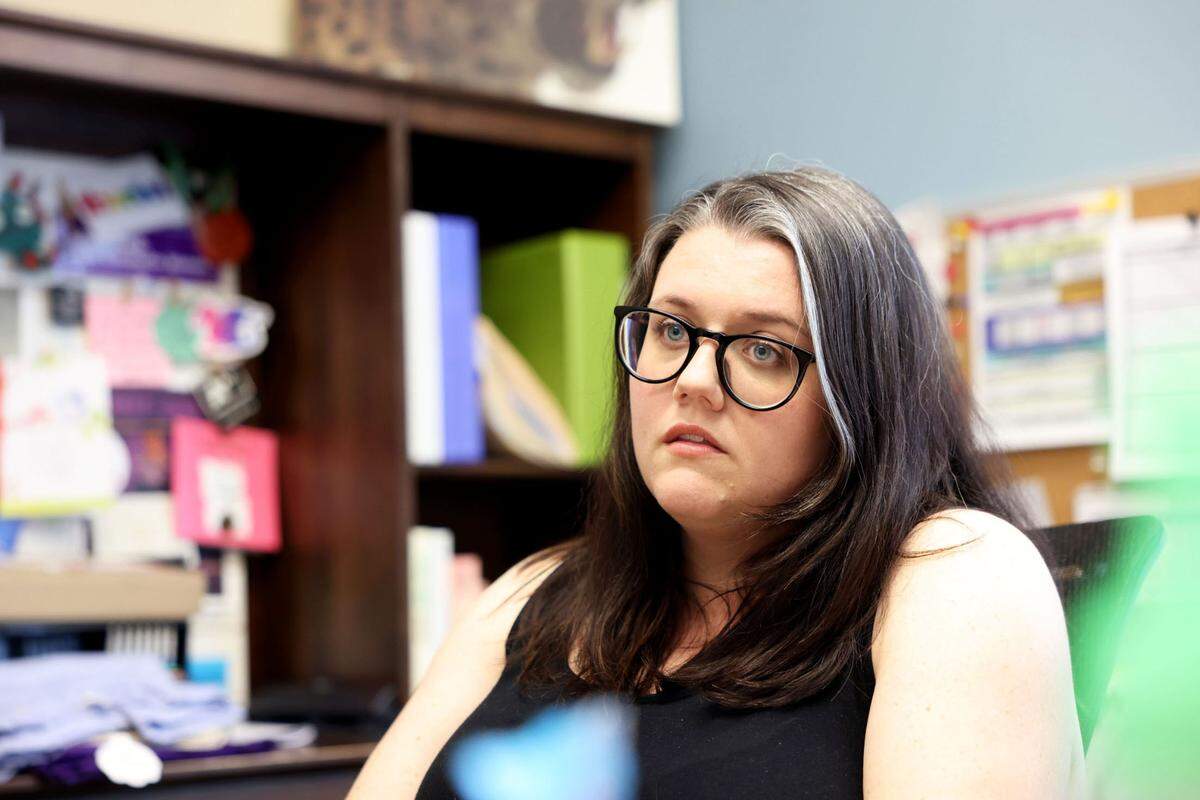
On Tuesday morning, three anti-abortion protesters, though none with bullhorns, had gathered outside of the clinic, along with a bus offering pregnancy tests and advertising “abortion pill reversals.”
None of the protesters wanted to discuss their views with the Observer.
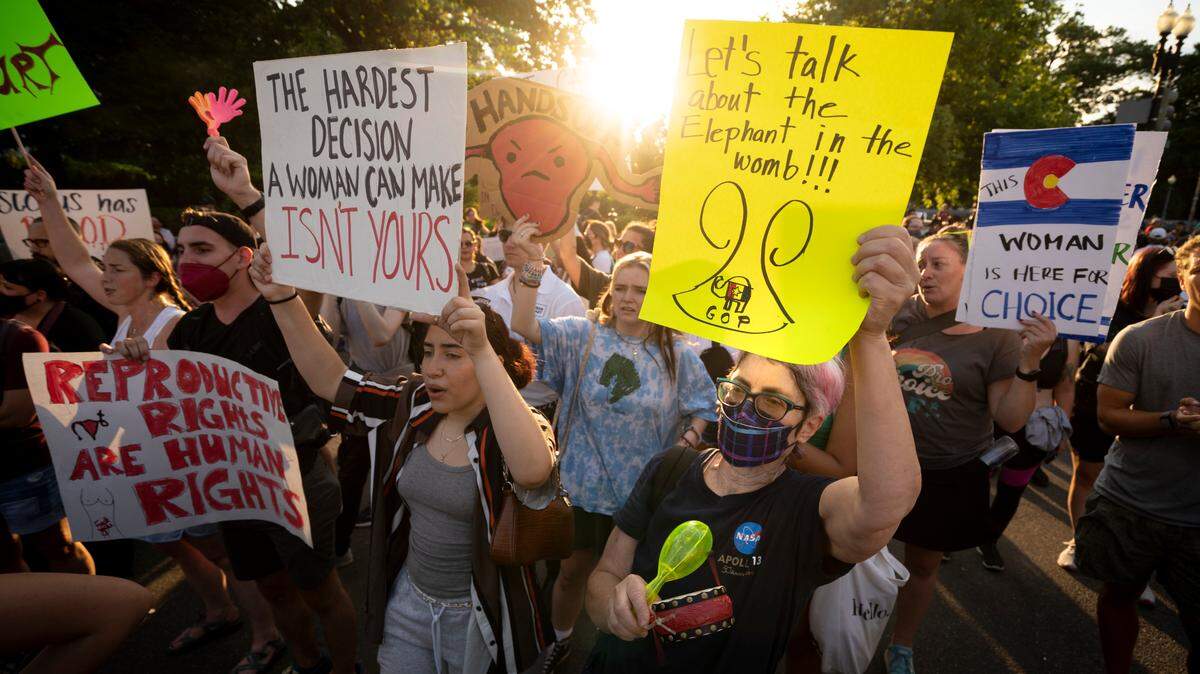
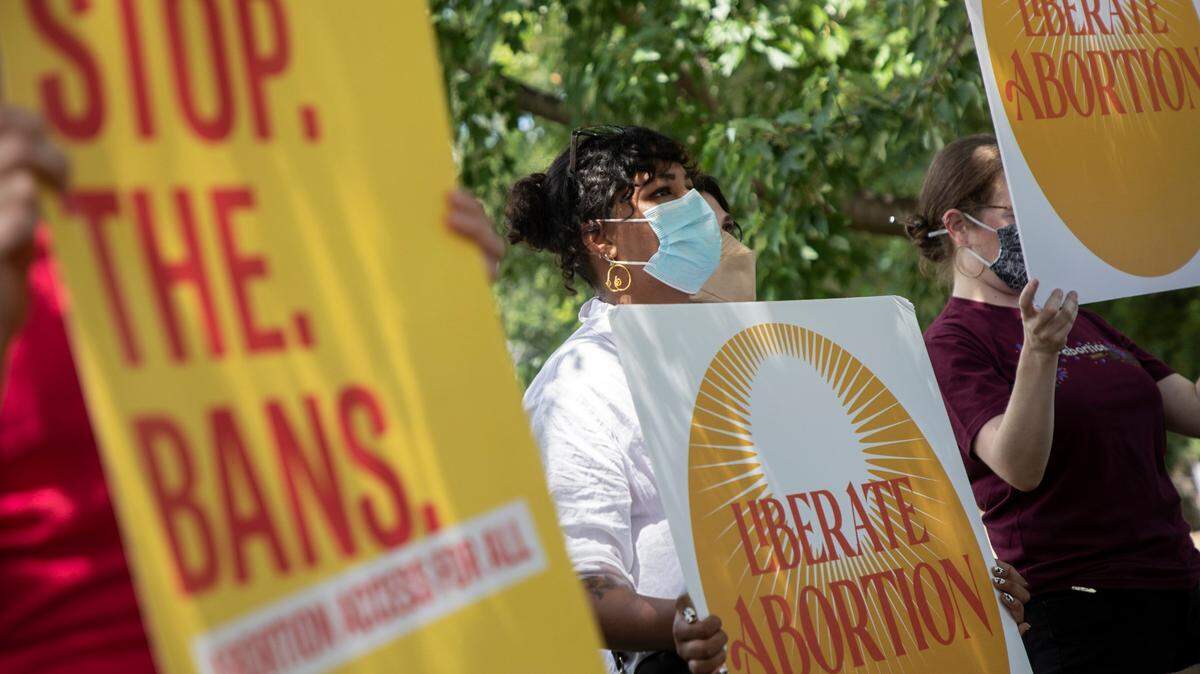
The clinic also had a security guard as well as at least four volunteers out front, with the volunteers twirling brightly colored rainbow umbrellas to block the view of patients and drowning out one protester’s cries of “murder” with tambourines and cheers.
Heather Mobley, a board member of Charlotte for Choice, has volunteered as a clinic escort at Latrobe Drive since 2017.
She expects to see an influx of patients — and protesters — if the Supreme Court ruling is finalized, potentially leaving North Carolina as one of the last states offering abortions in the South.
Abortion clinic volunteers and protesters
Over at the Charlotte Planned Parenthood, Gunz wore a bright multi-colored vest marking her as a clinic escort. She volunteers with a group called Reproductive Rights Coalition.
The clinic provides abortions two days a week, she said. And she volunteers at the clinic at least once a week, twice if she can.
Her work and that of other volunteers is appreciated by patients, Gunz said. One blew her a kiss recently.
And Gunz remembered one day, a few weeks ago, when a woman parked in the clinic lot and stayed in her car for a few minutes. Gunz walked over and the woman rolled down her window.
“She was crying,” Gunz said. “And she said, ‘I’m so scared.’ ”
The woman asked Gunz: “Can the protesters come in here?”
“I said: ‘They cannot come on the property,’ ” Gunz said. “’I got you covered. We’ll get you to the front door in a split second.’ ”
Staying on mission
Flip Benham, a local anti-abortion activist who was charged in 2018 with communicating threats at an abortion clinic, spent Tuesday morning protesting in front of the South Torrence Street Planned Parenthood facility.
He said nothing had changed for him. His mission remains the same — changing “desperate” pregnant mothers’ minds, he said.
NC Values Coalition executive director Tami Fitzgerald also praised the potential overturn of Roe v. Wade in a statement Tuesday.
“If Roe and (a related case) are overturned, as the draft opinion indicates, we must build consensus for the strongest protections possible for unborn children and women in North Carolina, and we are ready for this moment in history,” Fitzgerald said.
Benham quoted Winston Churchill over the phone Tuesday morning to a reporter. Churchill said in 1942 of World War I, “Now this is not the end. It is not even the beginning of the end. But it is, perhaps, the end of the beginning.”
“That is what you’re finding here with the Supreme Court decision,” Benham said.
The same thing was on Hales’ mind — for different reasons. She’s worried the ruling might lead to removal of other rights, like same-sex marriage. “If this is where we start, this is not where the Supreme Court is going to end.”
Marginalized communities impact
If the Supreme Court overturns Roe v. Wade, Hales said marginalized communities will be most impacted.
“Abortion, child laws and bans have always impacted marginalized communities more than anybody, and I think that’s going to be felt even more strongly when more bans come,” she said.
Abortion costs could go up, even if it remains accessible in North Carolina, leaving some people incapable of affording one, “especially in a place like Charlotte, where we have some of the worst economic growth,” she said.
Reproductive health disparities have historically impacted Black women in a myriad of ways.
The Centers for Disease Control found that between three years in the early 1970s when abortion was illegal, most of the people who died from illegal procedures were Black.
Black women also have had higher maternal mortality rates and lower access to contraception, which has deterred their opportunities to pursue education. Their high school and college attendance and graduation rates increased after it was legalized in the 1970s, according to the Institute for Women’s Policy Research.
With abortion access, Black women also had more opportunities to work and provide for their families, which in turn, improved their socioeconomic outlooks.
Hales said the expected ruling will exacerbate those existing issues. She fears the childcare system will be further overburdened, national workforce participation will decrease and maternal mortality rates will increase.
And if abortion becomes illegal, people who continue to seek them out risk incarceration, where people of color and other marginalized groups are already over-represented, data show.
“I do believe that we will see an increase of people trying to self manage their own care, and I do think it is a responsibility of everyone to make sure that if that is the route someone takes, that accurate information is out there for them,” Hales said. “I don’t think that’s going to be an option for everyone though.”
It’s also important to keep in mind that abortions are not just for cisgender women, Hales noted. Hundreds of transgender and nonbinary people obtained abortions across the United States during 2017, a study from the Guttmacher Institute showed.
“It is something that any person who can (gestate) is able to do and it’s very important that we are cognizant of that and try our best to use neutral language,” she said. “Only people that are capable of gestating actually have to make this decision.
“But the impacts of not having that choice will impact everyone.”
Focused on the election
The potential Supreme Court decision means voting is more important than ever, Rivera said, encouraging North Carolinians to turn out to the polls for mid-term elections. add Early voting is now underway.
“If this draft opinion becomes final,” Rivera said, “it gives immense power to state legislature and it opens the flood gates for state lawmakers to pass any restriction or ban that they see fit.”
North Carolina already has a mandatory 72-hour waiting period for patients seeking an abortion, she said, adding that more than 90% of the counties in NC don’t have an abortion provider at all.
‘None of that would have been possible’
Gunz, the Charlotte clinic volunteer, was in the hospital for three months with sepsis after her abortion in the ‘60s. “Nearly died from it,” she added. And she was kicked out of Meredith College for getting an illegal abortion.
But Gunz now has one daughter and two grandchildren. Her family is something her illegal abortion made possible, she said.
She went back to school, with a semester at Elon then transferred to NC State University. She later went to grad school at UNC Chapel Hill.
“(The abortion) made it possible for me to finish college, go to grad school, become a psychiatric social worker and be a good mother to children when the time was right, and a good wife to my loving husband,” Gunz said. “And none of that would have been possible.”
This story was originally published May 3, 2022 at 5:49 PM.
.jpg)
.jpg)