Are NC legislators OK with public schools setting their own start dates? We asked them
READ MORE
School calendar rules in NC
Have you ever wondered who decides when children in North Carolina start class? A 20-year-old North Carolina school calendar law pits public school districts against the second-largest industry in the state - tourism. Now, schools are taking matters into their own hands.
Expand All
Who decides when kids start school? Some NC districts are in open revolt
NC public schools follow school start law. Why not charter, private ones?
Are NC legislators OK with public schools setting their own start dates? We asked them
NC districts taking school calendars into their own hands. Virginia already changed its law
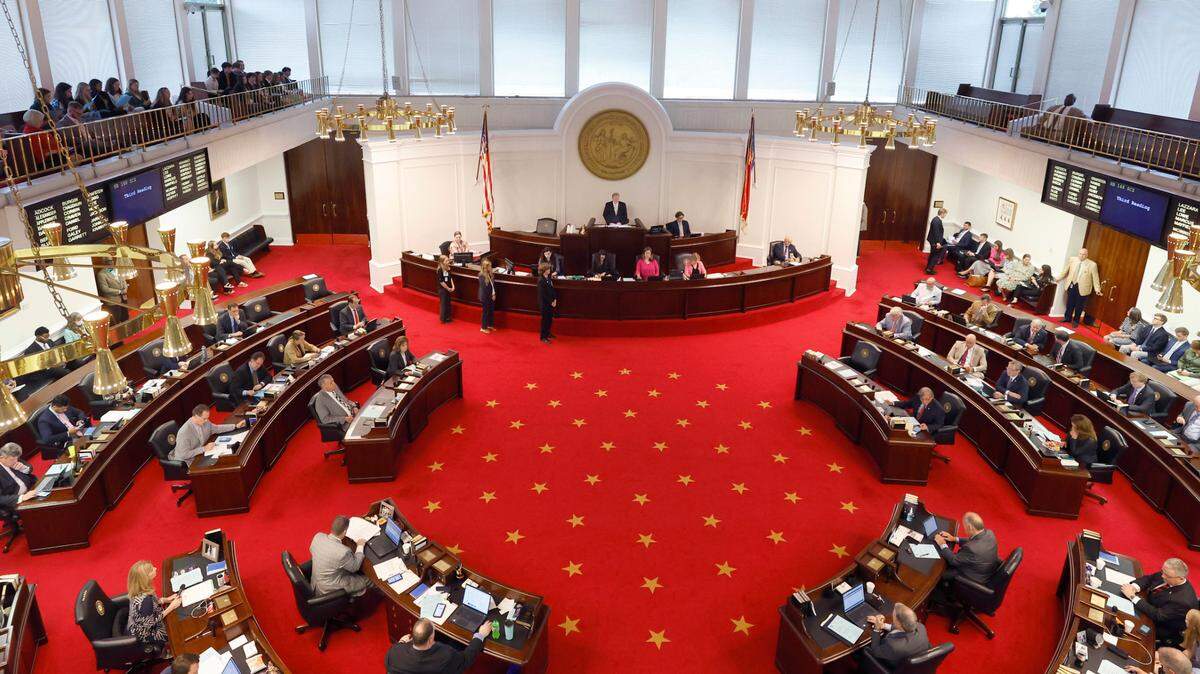
A majority of legislators in North Carolina’s General Assembly support local school districts picking their own start and end dates, according to a Charlotte Observer survey and prior support of bills in the legislature.
The problem: bipartisan bills giving districts that calendar flexibility routinely find themselves stuck once they arrive in the N.C. Senate.
Sen. Carl Ford, a Rowan County Republican who serves as the Republican Joint Caucus leader, says he supports a change, but he recognizes it’s unlikely.
“It won’t ever make it to the Senate floor,” Ford told the Observer.
North Carolina’s calendar law, approved in 2004 with the backing of the tourism industry, requires most districts to wait until the Monday closest to Aug. 26 to bring students back and end no later than the Friday closest to June 11.
For years, lawmakers have filed and voted on bills to change the law. But session after session, bills giving districts calendar flexibility stop in the Senate — usually in the rules committee. Public school districts, meanwhile, are taking matters into their own hands, and starting early anyway.
As part of its reporting on the state’s calendar law, the Observer polled all of the state’s lawmakers on whether they would support giving individual districts the ability to set their own calendars. For those who didn’t respond, the Observer reviewed recent bills legislators sponsored and co-sponsored.
At least 40% of the state Senate and 75% of the state House supports such a change, according to the Observer’s survey and prior legislative support. That’s roughly 110 of 170 total legislators.
Among the Senate supporters are Mecklenburg County Democrats Mujtaba Mohammed, DeAndrea Salvador and Rachel Hunt, all of whom sponsored or co-sponsored Bill 229 this year. The bill proposes to give the Charlotte-Mecklenburg Schools Board of Education the ability to decide when the district starts and ends the school year.
Sen. Kandie Smith, a Democrat representing Edgecombe and Pitt counties, introduced Bill 96 this year that proposes to give the Pitt County Board of Education power to determine the start and end dates of the next three school years based on parent and community feedback.
Bills focused on individual districts are the most common type of change to the law on a regular basis.
“It doesn’t make sense to have kids go to school for a few weeks, go on vacation, come back, and then be required to take a test,” Smith said. “This is exactly what happens under our current calendar structure. With flexibility, school can begin earlier which will give students time to take tests before they go on break. To me, this is about the kids. We need to give an opportunity for all kids to achieve, and I think calendar flexibility is a simple way to improve the lives and futures of our students.”
Sen. Michael Garrett, a Guilford County Democrat, agreed.
“I believe that local school system administrators and boards of education are better-equipped to make decisions about their school calendars than legislators in Raleigh,” Garrett said.
House wants ‘rescue’ of calendar bills
Rep. Mark Brody, a Republican representing parts of Anson and Union counties, supports school calendar flexibility legislation, but said he’s frustrated nothing happens once bills hit the Senate.
“I have been voting in favor of this for years now,” Brody said, “ and it always gets tabled.”
Legislators who don’t support giving districts calendar flexibility largely didn’t respond to the Observer’s survey. Rep. Frank Iler, a Brunswick County Republican, was an exception, saying he’s voted against changes when they shorten the summer “to make our adults feel better.”
Rep. Frank Sossamon, a Republican representing Granville and Vance counties, said calendar flexibility can do the most for education without costing a dime to taxpayers.
“With Early College (programs) being such a popular option for high school students and community college calendars being different from high schools, there needs to be an alignment of those calendars,” Sossamon said. “It’s unfortunate that, with so many school calendar bills passed by the House that could benefit our school system, they are stopped in a committee, and like in past years wait for someone to come rescue them so they can accomplish what they were created to do.”
Senate Republicans were mostly non-responsive to inquiries, but GOP House members were more outspoken.
“(I) never understood why we hold our school systems’ calendars hostage to the tourism industry,” said Rep. Stephen Ross, an Alamance County Republican.
Rep. Deb Butler, a new Hanover County Democrat, says for years she favored a state calendar because of her district’s large hospitality economy. That’s no longer the case.
“I felt summer vacations at the beach would be easier to plan if a set calendar was followed,” Butler said. “But then COVID made me understand that not every school district is the same, and I began to realize just how important local flexible calendar control is for schools. So now, my evolved thinking leads me to support calendar flexibility.”
This story was originally published August 16, 2023 at 6:00 AM.