
Should nuclear power be considered clean energy? Yes, says proposed NC legislation.
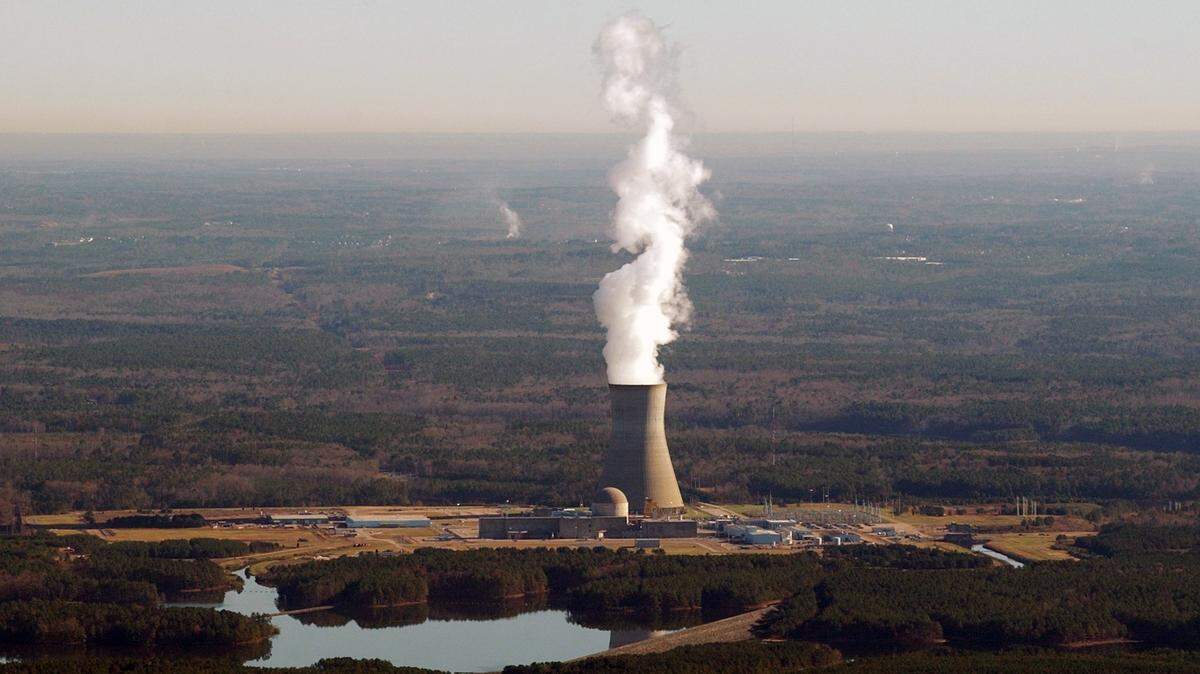
A bill pending in the North Carolina General Assembly would scratch the term “renewable energy source” from the state law governing public utilities, replace it with the term “clean energy source,” and specify that “clean energy” includes nuclear power.
Senate Bill 678 lets Duke Energy and other utilities use nuclear energy to meet a target of 12.5% of clean or renewable power, a target previously met with solar, wind or biomass, among other resources. Electric cooperatives need to produce 10% of their power with renewable, or clean, energy under the new legislation.
The legislation that established North Carolina’s renewable energy portfolio standard explicitly said nuclear power could not be used to meet it. Sen. Paul Newton, a Cabarrus County Republican who is sponsoring the bill, told The News & Observer the change is consistent with the state’s goal of reducing carbon dioxide emissions from power generation.
As North Carolina shifts to more solar and potentially wind power, Newton said, it will be important to retain some generation that can be called upon at a moment’s notice without needing the sun to shine or a breeze to blow.
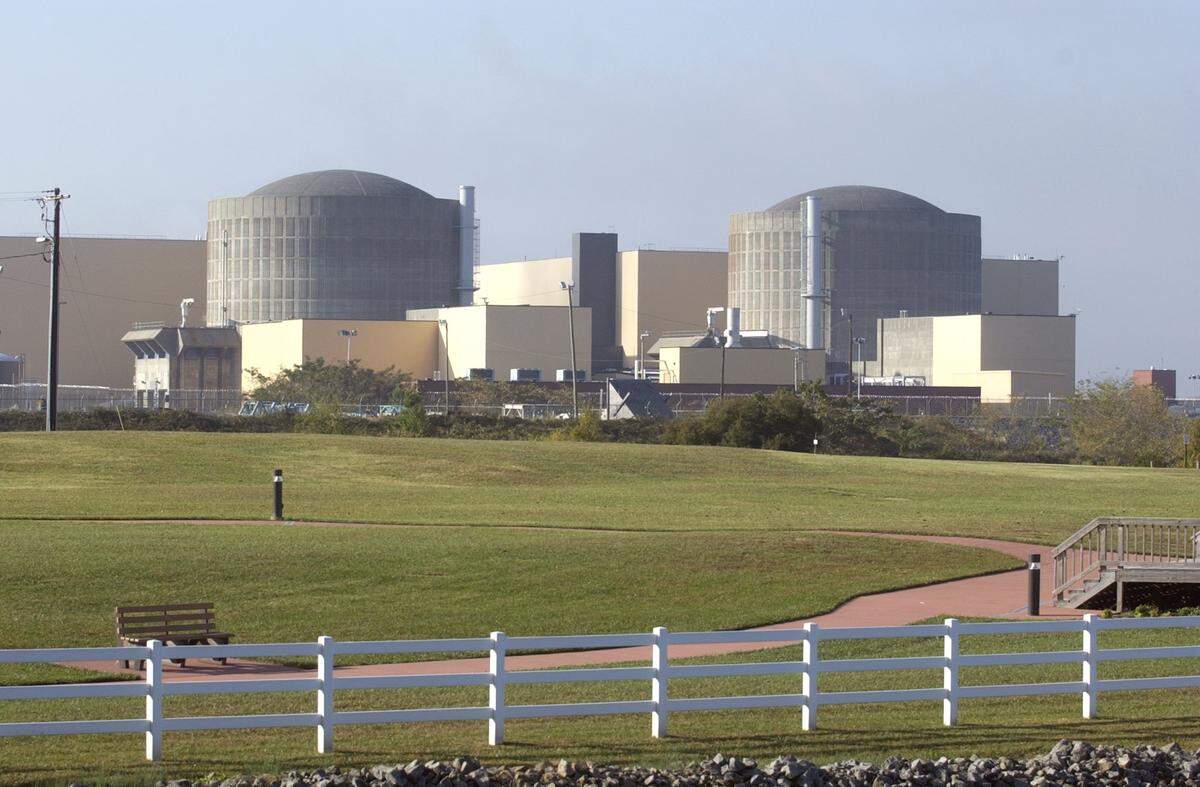
“You have to have dispatchable power, and renewables are not dispatchable. But new nuclear such as a small modular reactor is dispatchable and it’s available 24/7,” Newton said. “So we wanted to make sure that there was nothing in the now-outdated renewables statutes that prohibited nuclear from being selected.”
Newton, a former state president of Duke Energy, is particularly interested in small modular nuclear reactors because they can be located at the sites of former coal plants. That would provide an economic boost to the nearby community, Newton said, while also saving customers money by making use of existing power lines and other transmission infrastructure.
In 2021, one-third of North Carolina’s power was generated by nuclear plants, according to the U.S. Energy Information Administration.
Duke Energy, the state’s dominant electric utility, is in favor of anything that bolsters the case for nuclear power, Bill Norton, a company spokesman, told The N&O.
“We support modernizing legislation to reflect nuclear’s critical importance as a carbon-free resource,” Norton said.
Norton also said Duke would be able to meet the 12.5% clean power portfolio standard without turning to nuclear power. Even if the total electric load increases in the future, Norton said, Duke would meet the 12.5% target by building new solar power and reducing demand via energy efficiency efforts.
Duke’s newest plan to meet the state’s carbon dioxide reduction targets of 70% from 2005 levels by 2030 and net zero by 2050 shows a significant amount of new nuclear energy. Doing that allows Duke to ask the N.C. Utilities Commission to delay the 2030 target until it can build new nuclear plants.
The growth in nuclear is also part of a stance taken by the utility that any new renewable energy source like wind or solar must be matched by energy generation that isn’t dependent on weather. Duke says that’s necessary to ensure reliability.
Under the plan filed in mid-August, Duke wants to replace the coal-fired plant at Belews Creek in Stokes County with a small modular nuclear reactor. Duke would file an early site permit application for Belews Creek by 2025.
Construction on a small modular nuclear reactor Duke wants to build at Belews Creek could start as soon as 2030 and end by 2034, according to the utility’s recent filing. In the short term, Duke also wants to build another reactor at another North Carolina site that currently houses a coal-fired powerplant.
Duke’s plan says that utility could add new small modular reactors at as many as four other sites in the Carolinas.
Renewable energy advocates, energy consumer advocates and the Utilities Commission are in the very early stages of reviewing Duke’s proposal. A final order from the commission is expected in late 2024.
SB 678 would also change a requirement that any new coal or nuclear power plant prove it is cheaper than energy efficiency or demand-side resources like rooftop solar and battery storage.
Under the bill, any new power plant — be it nuclear, natural gas or anything else — would need to prove it is cheaper than energy efficiency. Newton said that gives nuclear the same chance to be considered as other resources.
“We’re trying to keep customers’ costs low and so it ought to be a level playing field as the (Utilities Commission) looks at clean energy resources moving forward,” Newton said.
The legislation notes that nuclear power can be accomplished via fission, the standard practice in which typically uranium atoms are split to generate energy, or fusion, which generates energy by using a laser to combine atoms.
“So many rapid advancements are happening on the nuclear fusion front,” Newton said. “And we would like to be viewed by those prospective economic development prospects as a state that is receptive, with all its research capabilities and so forth, to helping them achieve their goals on nuclear fusion. But that is a very long-range view.”
Fusion has only been accomplished twice and is not expected to be available as a large-scale energy source for decades.
The N.C. House of Representatives approved a version of SB 678 in August with significant bipartisan support, returning it to the Senate with some changes including extending the closure dates of some Duke coal ash ponds bringing state law in line with the 2020 settlement Duke struck with the N.C. Department of Environmental Quality and environmental groups. The bill also lifts the existing cap on a rooftop solar leasing program.
The Senate did not vote to concur, instead referring the bill to its Rules Committee.
This story was produced with financial support from the Hartfield Foundation and the 1Earth Fund, in partnership with Journalism Funding Partners, as part of an independent journalism fellowship program. The N&O maintains full editorial control of the work.
This story was originally published September 5, 2023 at 6:00 AM with the headline "Should nuclear power be considered clean energy? Yes, says proposed NC legislation.."