
NC lawmakers leave controversial Kentucky distillery tour off disclosure reports
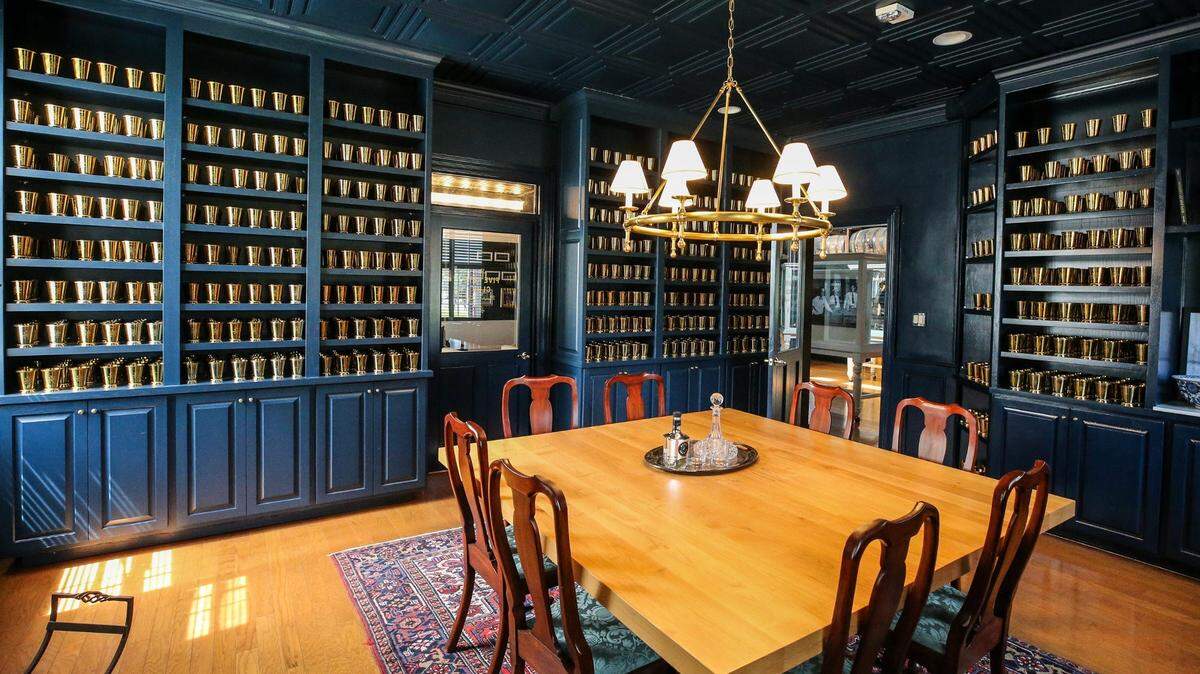
Last year, two North Carolina nonprofits with ties to powerful state politicians took lawmakers on expensive trips outside of the state. One took them on a distillery tour in the Louisville, Ky., area; the other to the Summer Olympics in Paris.
But what the public can learn about who paid for what and who benefited is incomplete, due to limitations in the state’s ethics and lobbying laws.
The nonprofit behind the Paris trip has disclosed the legislators and other officials who went and how much it cost. The nonprofit behind the distillery tour has not.
A review of financial disclosures by officials known to have gone on the trips shows nearly the same pattern. Half of the officials who went to Paris reported they had attended it and the cost on annual economic interest statements that were due in April. None known to have gone on the distillery tour did either, their statements show.
Greater Carolina of Mooresville, which hosted the distillery tour, is the subject of a complaint that requested an investigation into its activities and the lack of disclosure. Blair Reeves, the founder of Carolina Forward, itself a nonprofit group with a left-leaning agenda, accuses Greater Carolina of secretly lobbying lawmakers with events like the distillery tour to win support for expanding gambling in the state.
Greater Carolina has not reported to the state that it is engaged in lobbying. But still, state law requires those who are not engaged in lobbying to report spending more than $200 on travel for state officials to the N.C. Secretary of State’s office. Those who do not can face a $5,000 civil penalty, said spokesman Tim Crowley.
But there’s no penalty for the lawmakers and other state officials who did not disclose such trips, despite the fact that the annual economic interest statement report they must fill out includes a section requesting that information.
The law only requires providers of outings, trips and other gifts to report if they are located in North Carolina. Recipients are only required to disclose such gifts when the providers are out of state.
Greater Carolina Director David Coble could not be reached. Officials with the secretary of state’s office and the State Ethics Commission said they could not discuss whether the nonprofit broke any laws. Any investigations they conduct are secret under state law.
No disclosure
Greater Carolina calls itself a “coalition of forward thinking, pro free-market conservatives” on its website, but the only information posted there are two reports that support expanding gambling in the state. It has close ties to former Rep. Jason Saine, a Lincolnton Republican who was a top budget writer in the House.
Saine told reporters shortly after the trip in April 2024 that he attended, but he did not disclose it on his 2025 economic interest statement. He left the House in August to become a lobbyist. The names of Republican Reps. Kyle Hall of King and David Willis of Union County turned up on receipts for purchases during the tour, according to a complaint.
Hall declined to be interviewed by a reporter at the legislature earlier this month about his economic interest statement. Willis did not return messages to discuss it.
Those receipts and other records also showed several lobbyists involved with the trip. Some of them, including Clark Riemer, a former aide to Saine, work with gambling business clients. Riemer formed Greater Carolina in 2018, incorporation papers show.
The tour became public only after a distillery employee chastised those who attended for drunken behavior on a Reddit post.
Reeves last year asked officials with the Secretary of State, State Ethics Commission, Legislative Ethics Committee and the IRS Internal Revenue Service to investigate Greater Carolina and Saine for violations of the state’s ethics and lobbying laws, as well as federal tax laws for nonprofits.
“Greater Carolina has demonstrated a pattern of noncompliance with state law in terms of its reporting and its activity in general,” Reeves said in an interview this week. “So it’s no surprise at all that they’ve failed to meet their reporting requirements.”
Reeves said he has heard nothing from any of the agencies he sent his complaint to.
Paris trip reported
A second group in Wilmington also took several lawmakers and other state officials on a trip last year. Opportunity for NC paid a total of $109,000 in travel expenses for the officials who went on the five-day trip to Paris in late July just as the Summer Olympics got underway. It reported the expenses to the secretary of state’s office because the trip was outside the state.
The goal of the trip was to educate the officials about holding international sporting events, its report said. Rep. Hall, Senate leader Phil Berger, and Sens. Bill Rabon of Brunswick County, David Craven of Union County and Michael Lee of New Hanover County reported the expenses on their economic interest statements.
But state Sen. Danny Britt, UNC Board of Governors members Jimmy Clark and Woody White, N.C. State University Trustee David Powers and State Lottery Commission member Christopher Hayes did not disclose the Paris trip on their economic interest statements.
Powers is also a prominent lobbyist whose clients include gambling businesses. Hayes serves as a regulator of those businesses on the lottery commission. Public records requests of N.C. State University and the lottery commission for communications and meeting minutes turned up no references to the Paris trip.
Britt, a Robeson County Republican, declined to talk with a reporter outside of the Senate chamber about his economic interest statement earlier this month. Other officials who did not disclose the trip also did not return messages seeking comment.
Scandals prompted more disclosure
The law that allows state officials to not disclose out-of-state trips paid for by North Carolina entities has been on the books since 2006, said Kathy Edwards, the ethics commission’s executive director.
That year, lawmakers approved a series of ethics, lobbying and campaign finance reforms in the wake of scandals surrounding Democratic House Speaker Jim Black.
Susan Fisher, a Buncombe County Democrat, a co-chairwoman of the House Ethics Committee at the time, said she did not know why the law spared lawmakers and other state officials from reporting the trips on their economic interest statements. But it should be changed, she said.
“It makes sense that if you have been afforded a trip, a junket, whatever, that you report that on your SEI, whether the entity reported it to the secretary of state or not,” she said.
Economic interest statements are available on a searchable website with the ethics commission, but the reports of trips and other expenditures by entities that have not registered lobbyists are not.
But they soon will be, said Crowley, the secretary of state’s spokesman. It has launched a new website recently and plans to make those reports available online, he said.
Greater Carolina and Opportunity for NC are among roughly 20 “social welfare” nonprofits with political ties in North Carolina, according to federal tax filings published by the national news organization ProPublica.
These groups have more latitude to engage in political activities such as endorsing candidates, but those who donate to them can’t take a deduction on their taxes.
The groups do not have to report who their donors are, raising concerns from government watchdogs that special interests could indirectly reward lawmakers and other state officials with trips that would not be allowed under the state’s lobbying laws.
Power & Secrecy is a News & Observer investigative series exploring both in North Carolina state government, especially the N.C. General Assembly since 2011, when Republican lawmakers won control of both chambers. Find stories at newsobserver.com/topics/power-secrecy.
This story was originally published May 30, 2025 at 5:30 AM with the headline "NC lawmakers leave controversial Kentucky distillery tour off disclosure reports."