
Fact check: Can Charlotte exclude Tesla from electric vehicles it plans to buy?
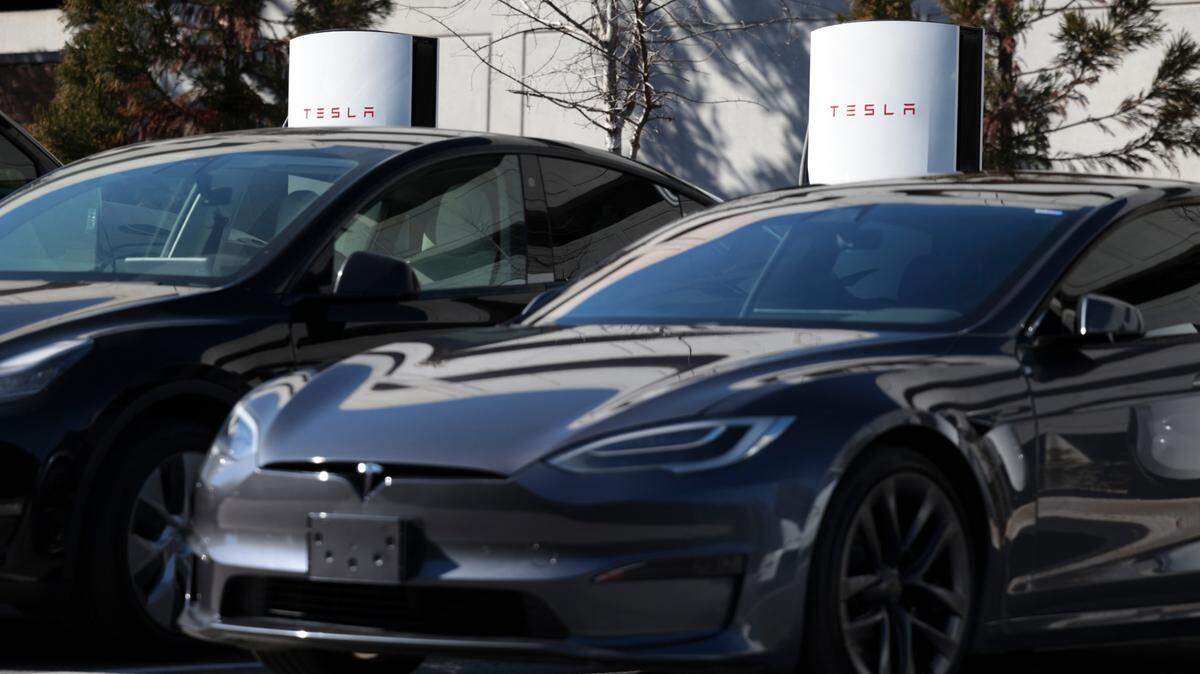
City councilwoman LaWana Mayfield wants to end Charlotte’s relationship with Tesla, but it’s not clear the council can exclude the company from its upcoming purchase.
The city plans to buy 45 electric and 155 hybrid vehicles with $2.5 million allocated in the 2025-2026 budget to work toward reducing Charlotte’s emissions. The vehicles will replace existing ones in the city’s fleet and will be used by various city departments and agencies.
The current fleet — 178 electric vehicles total — includes 15 Teslas. Old vehicles are typically auctioned off, a city spokesman said.
Mayfield said in a June 9 city council meeting Tesla’s “instability” has been proven on “multiple occasions.” And the company has been the target of protests and stock price fluctuations after CEO Elon Musk joined the Trump administration to make government cuts.
“I think we can make better choices of tax dollars and identify companies that align with our city’s goals and expectations of truly being a welcoming city,” Mayfield said.
She was the only council member to make public statements about not purchasing Teslas as part of the upcoming budget.
The Observer contacted Tesla about Mayfield’s statement, but it did not respond by publication.
The city does not consider vendors’ alignment with organizational goals when purchasing goods and services, a Charlotte spokesperson said in an email statement. And one expert told The Charlotte Observer a company’s actions need to have an impact on the services it provides to be excluded.
But the Charlotte council member is not the only government politician rethinking its relationship with Tesla. A New York senator is currently trying to strip Tesla of its ability to sell vehicles directly to consumers within the state, according to The New York Times.
Charlotte electric vehicle decision
Charlotte uses a process called cooperative bidding for its purchases — a system intended to compare vendor proposals to maximize tax dollar value, eliminate fraud and boost opportunities for businesses.
“I want to do business with people that share the same values that we do,” City Council member Malcolm Graham said, citing diversity, equity and inclusion in addition to affordability and community impact as factors he looks for in city business partners.
When asked what part of the procurement process those values could be incorporated into, Graham said he didn’t want to get into “the weeds” of the process.
“I’m a policy maker, and my goal is to work at 30,000 feet,” he said.
During purchases that require a bidding process, the vendor that submits a contract of lowest cost, responsiveness and responsibility will win the city’s bid.
Responsiveness describes how similar the vendor’s proposal is to the details of the city’s solicitation.
UNC School of Government professor Crista Cuccaro said the city asks questions such as “Does the bidder have the skills, resources and capacity to do the job?” So, if Charlotte specifies that it wants electric sedans but a vendor only offers vans, then its proposal would be considered less responsive.
Responsibility, put simply, Cuccaro said, is “making sure the bidder can perform the work.” She added this component is less relevant to vehicle purchases than services such as construction.
Regarding how “ethical” a company may be, a vendor’s values need to affect its ability to meet the city’s request to be a major consideration in the purchase, she noted.
“I believe we owe it to the public to use their dollars in the most productive way possible in making our purchasing decisions,” council member Ed Driggs said. “Compromising those choices on the basis of political considerations, would, in my mind, set a dangerous precedent.”
The Observer contacted Mayfield about her Tesla concerns. She did not respond by publication.
“These laws, while perhaps seemingly complicated, are really important — they serve as guardrails,” Cuccaro said.