Sanctuary city debate hits Concord council race — even though NC law bans them
AI-generated summary reviewed by our newsroom.
- Forum question on sanctuary status ignited social media debate and official responses.
- State law bars sanctuary policies and require ICE cooperation
- Candidates used the debate to signal values, though the council lacks legal authority to pass most policies.
One question at a candidate forum — should Concord be a sanctuary city? — has rippled through social media, prompted posts from elected officials and reshaped the election conversation in a state where local leaders have no power to make that decision.
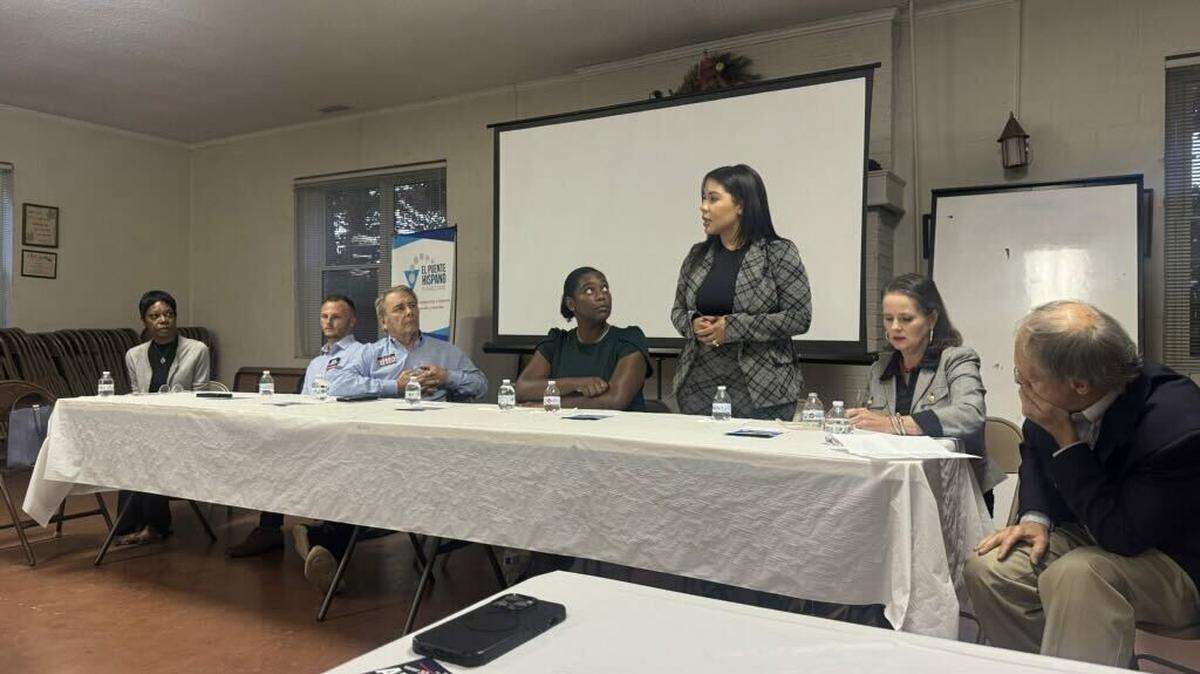
At a candidate forum last week held by El Puente Hispano, which serves Cabarrus County’s Latino community, former County school board member Keshia Sandidge asked each candidate to answer “yes,” “no” or “I don’t want to answer” to her question about sanctuary cities. The exchange was brief but garnered discussion on Facebook as residents and elected officials weighed in on what the responses meant, even though such policies are prohibited under North Carolina law.
“Sanctuary cities are not happening here in Concord. They cannot happen here,” Concord City Council candidate Jack Lambert told The Charlotte Observer. “It stems from a place of not understanding the functions of different levels of government… We should not make this election about putting in issues to scare voters.”
How the question landed
District 4 candidate Alvarys Santana, the daughter of immigrants, told the Observer she answered “yes,” and immediately felt the room respond.
“There was almost a sigh of relief when they heard the yes answer,” she said. “This wasn’t a policy question, this was because we were with a population that is being targeted. This was a safety question, to give ease to those in the room.”
Santana said her answer was meant to show support for residents who may feel unsafe or targeted, not to suggest a policy the city could enact.
“Sanctuary cities are not about a separation of you and I, us versus them. It focuses on the betterment of everyone, and I would like for the immigrant population to understand that I know what that feels like, and I do stand in solidarity with them,” she said.
Lambert said he declined to give a one-word answer, calling the issue too complex, though he doesn’t support Concord becoming a sanctuary city. He later posted a lengthy statement on Facebook where he emphasized that such a move would be legally impossible.
“There would never be a time where the Concord City Council could take a vote on becoming a sanctuary city,” Lambert said. “There’s no administrative action to be taken on that matter.”
He said on Facebook most undocumented immigrants “are good, decent, hard-working” people, but that anyone committing violent crimes should be “dealt with swiftly and to the full extent of the law.”
Candidate John Paul, meanwhile, told the Observer he answered “no” to stay consistent with state law and his own beliefs. He praised Cabarrus County for cooperating with federal immigration enforcement and said Concord should continue that approach.
After the event, Cabarrus County Commissioner Laura Blackwell Lindsey posted on Facebook.
“Who wants Concord to be a Sanctuary City? If you don’t, JOHN PAUL better be your vote for District 4,” she wrote.
Commissioner Larry Pittman added: “A sanctuary city for the unborn, yes. A sanctuary for illegals, NEVER.”
State Rep. Brian Echevarria, who represents Cabarrus County and was the primary sponsor of a 2025 law that requires stricter cooperation with Immigration and Customs Enforcement, also weighed in online. He said voters need to “stop the liberal lunacy in government” and not support “anyone that will consider making sanctuary city type policies and programs in your city.”
The Cabarrus County Democratic Party issued its own statement on social media, calling the question “fair and necessary.” The post said that sanctuary cities are already prohibited under state law and criticized Republicans for using the issue as “political theater” while other state priorities remain unfinished.
Sandidge told the Observer the conversation’s online fallout missed her intent. She said the question stemmed from audience concerns about safety and inclusion.
“It was very much an attempt to clear the air,” she said. “Are you going to make sure I am safe in this city, regardless of what I look like or my status?”
What does the law say?
Under state law, North Carolina local governments can’t have any policy, ordinance, or procedure that limits or restricts enforcement of federal immigration laws. In 2024, lawmakers also passed House Bill 10 requiring sheriffs to comply with ICE, further tightening state policy on local non-cooperation.
Although state law constrains local action, some North Carolina cities adopt symbolic or service-oriented programs, like Charlotte’s “welcoming city” initiative to support immigrant communities.
Sandidge said she knows state law bans sanctuary city policies, but that enforcement and interpretation of laws can vary across jurisdictions. For example, she said, in 2022 the Cabarrus school district defied the state’s calendar law and voted to start classes in August when she was a board member.
“It’s not just about the name sanctuary, but proving you will help the community,” Sandidge said.
Lambert said that misunderstanding the limits of local authority likely fueled the online reaction. Though the question has sparked attention far beyond its practical reach, Lambert said he hopes voters keep the focus on local issues.
“Your local jurisdiction has no control over becoming a sanctuary city by virtue of state statute,” he said. “If we want to tackle a big issue like immigration at the local level, it needs to be done (by) making sure we understand that everybody is a part of the community.”