Charlotte’s emerging leaders: JD Mazuera Arias brings a voice to the voiceless
READ MORE
Charlotte’s Emerging Leaders of 2026
Who are the leaders of tomorrow in Charlotte? The Observer highlighted eight individuals working to make the city greater in 2026.
Expand All
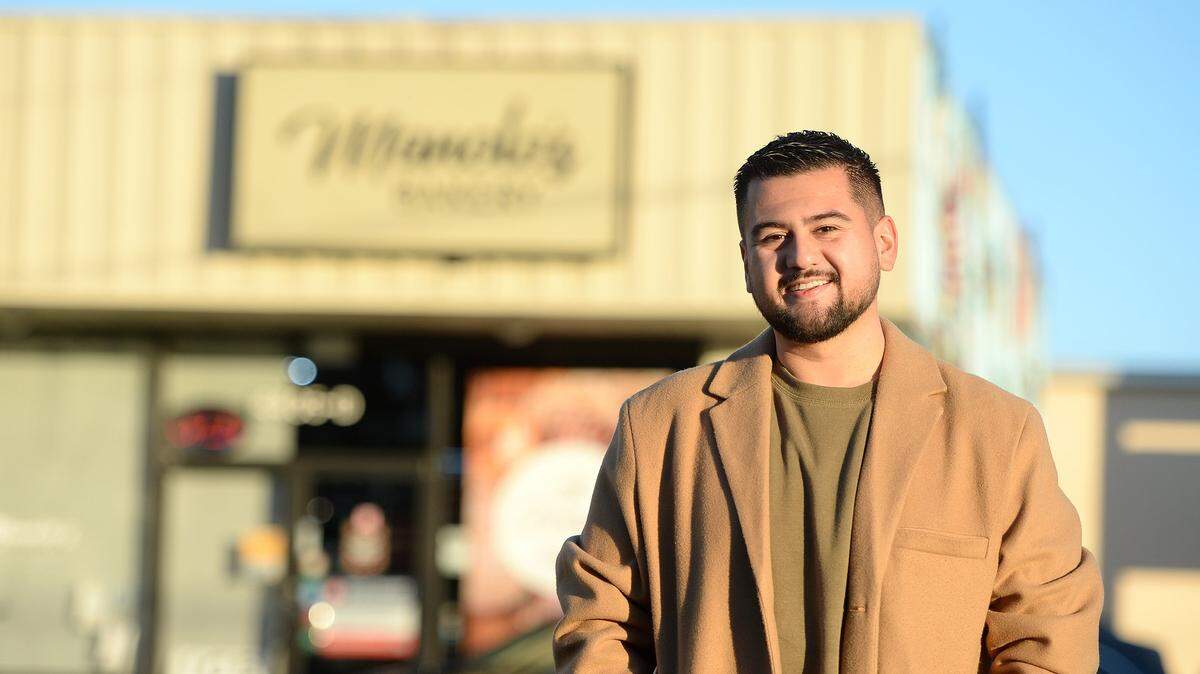
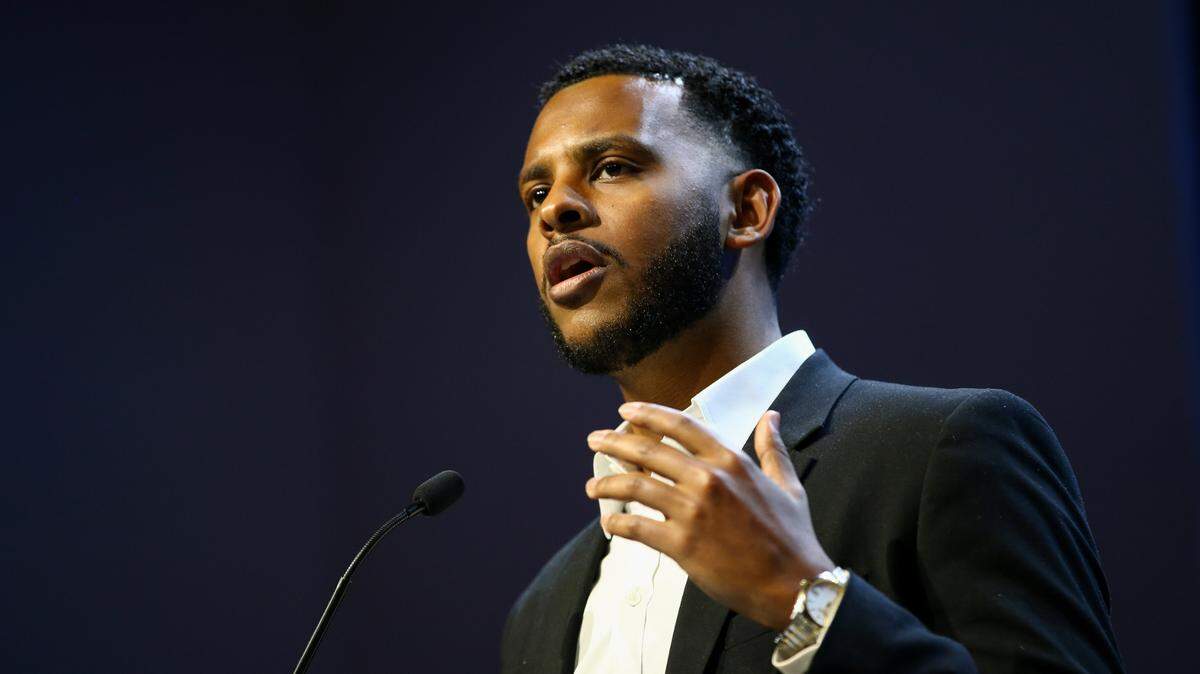
Name: JD Mazuera-Arias
Age: 27
Role: Charlotte City Council District 5 councilman and chair of the Hispanic American Democrats of Mecklenburg County
Mazuera-Arias is a record setter: Upon defeating an incumbent this fall, he became the first Gen Z, Latino and formerly undocumented member of Charlotte City Council. He was born in Colombia before moving as a toddler to east Charlotte, where he grew up.
Navigating the immigration system ignited his passion for politics, he said, because he wanted to make things better for people who faced similar obstacles in his community. Mazuera Arias moved to Washington, D.C., in 2020 to work as a Congressional Hispanic Caucus Institute public policy fellow, then for the Aspen Institute Latinos and Society program. He also had a short stint working for New York Democratic Rep. Alexandria Ocasio-Cortez’s office, where he helped develop and advocate for comprehensive immigration, fair housing and environmental policies, he said.
Mazuera Arias became a naturalized citizen in 2021 and returned to east Charlotte after obtaining a master’s degree in public administration from New York University.
“I’ve been a strong advocate and believer that policy should be written by those who are impacted by it the most,” Mazuera Arias previously told The Charlotte Observer. “I am and will always be people-first.”
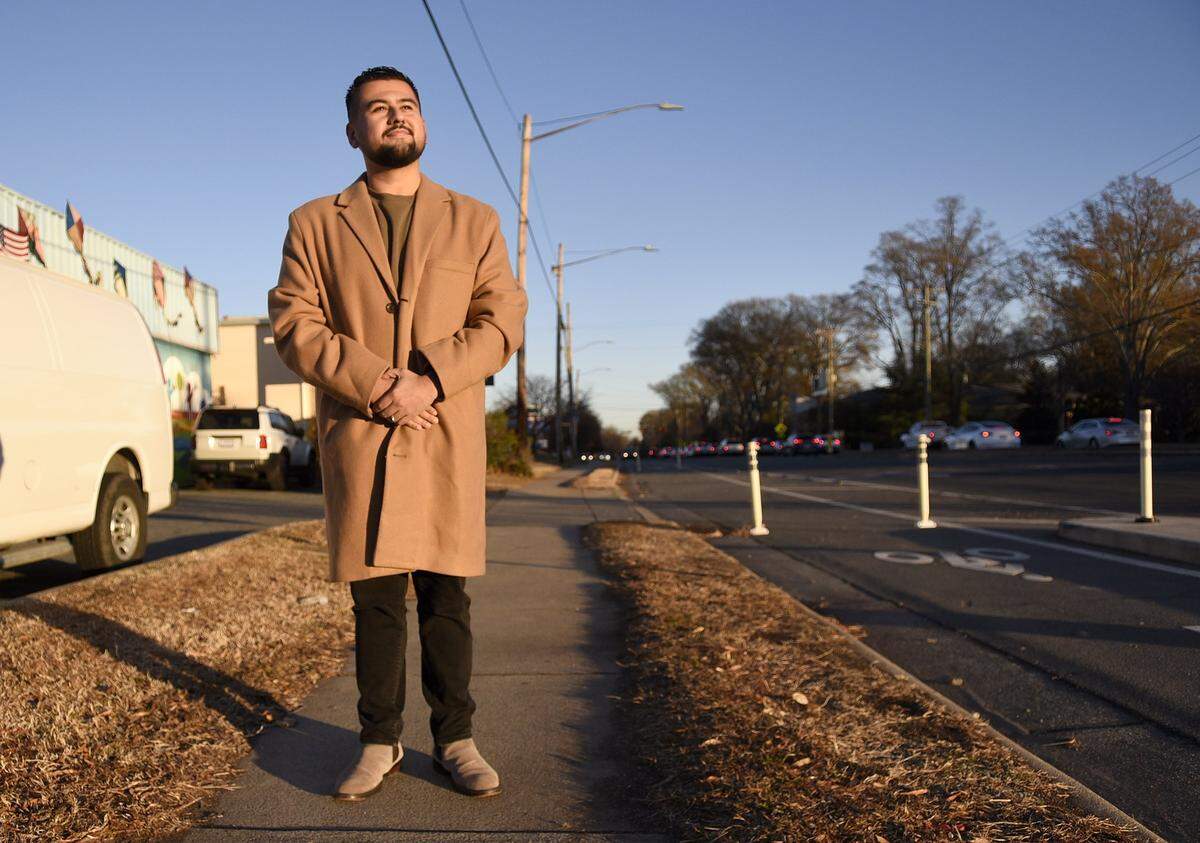
What one thing about Charlotte do you most want to change?
I want to change who gets to belong in Charlotte as it grows, and whether we are willing to do what is right. Too often, the families who built this city are pushed aside in the name of progress, especially immigrants, Black and brown communities and working-class neighborhoods in east Charlotte. Growth should not come with an eviction notice, and silence should never be the price of political ambition.
I want a Charlotte where east Charlotte is no longer neglected, where it grows at the same pace and is offered the same opportunities and amenities the rest of the city has long enjoyed, without displacement or harm. A city that invests without erasing, that modernizes while preserving culture and that honors east Charlotte as the most diverse district in our city rather than treating it as an afterthought.
I want a city where development does not mean displacement, where safety is not determined by a ZIP code and where opportunity is shared, not hoarded. Where elected officials serve not to protect political futures, but to be a voice for the people. No seat in public office belongs to one person; it belongs to the community that entrusted it.
We do not have to choose between prosperity and people. The future worth building demands courage, accountability and the will to make both choices.
What was the seed of your desire to accomplish what you want to accomplish? Where did this start?
This work began long before I ever thought about leadership or public service. It began with survival. I grew up navigating systems that were never designed for families like mine — marked by housing insecurity, displacement and the constant uncertainty that comes with being an immigrant.
In 2013, I was displaced when developers purchased the property where I lived. The residents of Silver Oaks Apartments were initially given just 30 days, then pushed to 60 days, thanks to then-District 5 Councilman John Autry, to leave their homes during the holiday season. That moment was my first real exposure to the “Charlotte Way” of politics. I learned then that policy decisions are not abstract debates or lines on a zoning map. They determine who gets stability and who gets uprooted, who sleeps peacefully and who lies awake, wondering where they will land next.
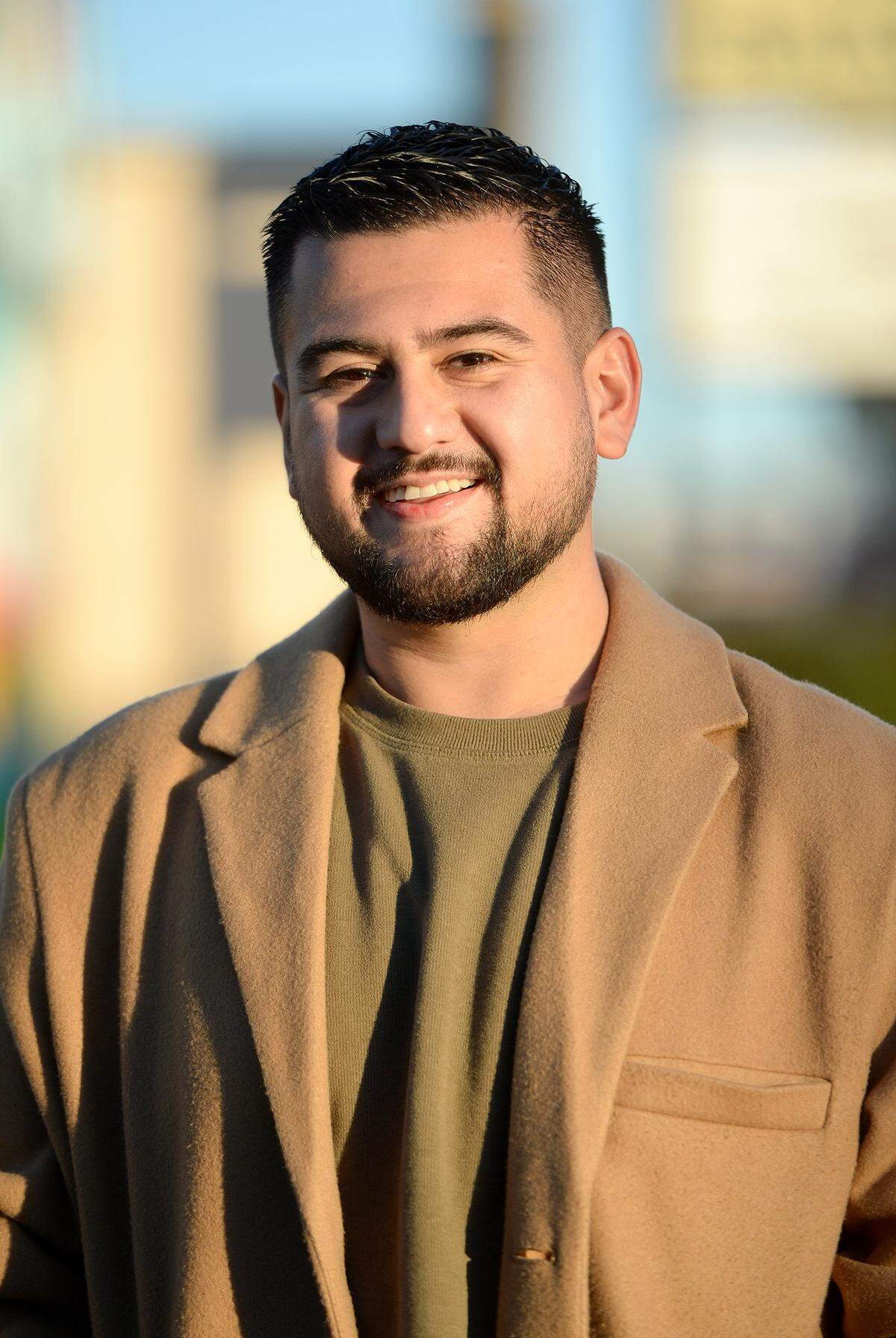
At the same time, I was learning what it meant to be an immigrant in this city — the barriers, the fear and the quiet resilience of communities forced to navigate systems that rarely see them. That combination changed me. It lit a fire that has never gone out. I believe that those of us who have felt the weight of these systems carry a responsibility not just to survive them, but to reshape them — so no family has to endure what mine did.
What’s the biggest challenge to doing this work?
The biggest challenge is the lack of political will and the courage to act upon it. The most significant barrier to overcome is the belief that things cannot change. Too often, we accept the status quo because it feels familiar or profitable for a few, even when it fails many.
Systems do not remain the same by accident. They are built to protect comfort, tradition and, too often, the interests of those with the most money and influence. Bureaucracy moves slowly, not because change is impossible, but because it is inconvenient. People do not run for office to maintain the status quo. No one campaigns on preserving the status quo. They run promising changes. The real question is what kind of change we choose to fight for, whether we align systems to business as usual or push them to protect and center people.
This tension has fostered deep mistrust in the government, particularly in communities that have been overlooked, displaced or harmed by past decisions. Rebuilding that trust requires redefining public service itself, not as maintaining what is comfortable, but as doing what is right, even when it is uncomfortable. Real progress demands partnership across neighborhoods and sectors, but it also requires leaders willing to push the envelope. Trust is earned through action, and it is the foundation of any city that truly works for everyone.
What do you want people to know about you?
I want people to know that I lead with honesty and heart. I am not perfect, but I am deeply committed to listening, learning and showing up, especially when it is hard. I have lived the consequences of failed policy. I have seen what happens when development is centered before people, when fear is centered before immigrants and when the status quo is protected instead of communities. I have lived in a city where individualism is valued over collectivism, where “not in my backyard” often outweighs “yes in my backyard,” and where policy choices create winners and losers instead of shared opportunities.
I am a son of east Charlotte. I am a proud Colombian. I am proud to be Latino, and I will never feel guilty for that. My identity is not something I set aside when I walk into public spaces; it is something I bring with me, as it informs how I perceive dignity, belonging and justice. I carry my community into every room I enter, and my work will always be accountable to the people who call east Charlotte home.
I am critical of systems that prioritize profit over people, but I am not anti-business, anti-growth or anti-development. I believe businesses and developers are essential partners in building a thriving city, as long as the work centers on people first. Growth should not come at the cost of displacement, and prosperity should be shared, not hoarded.
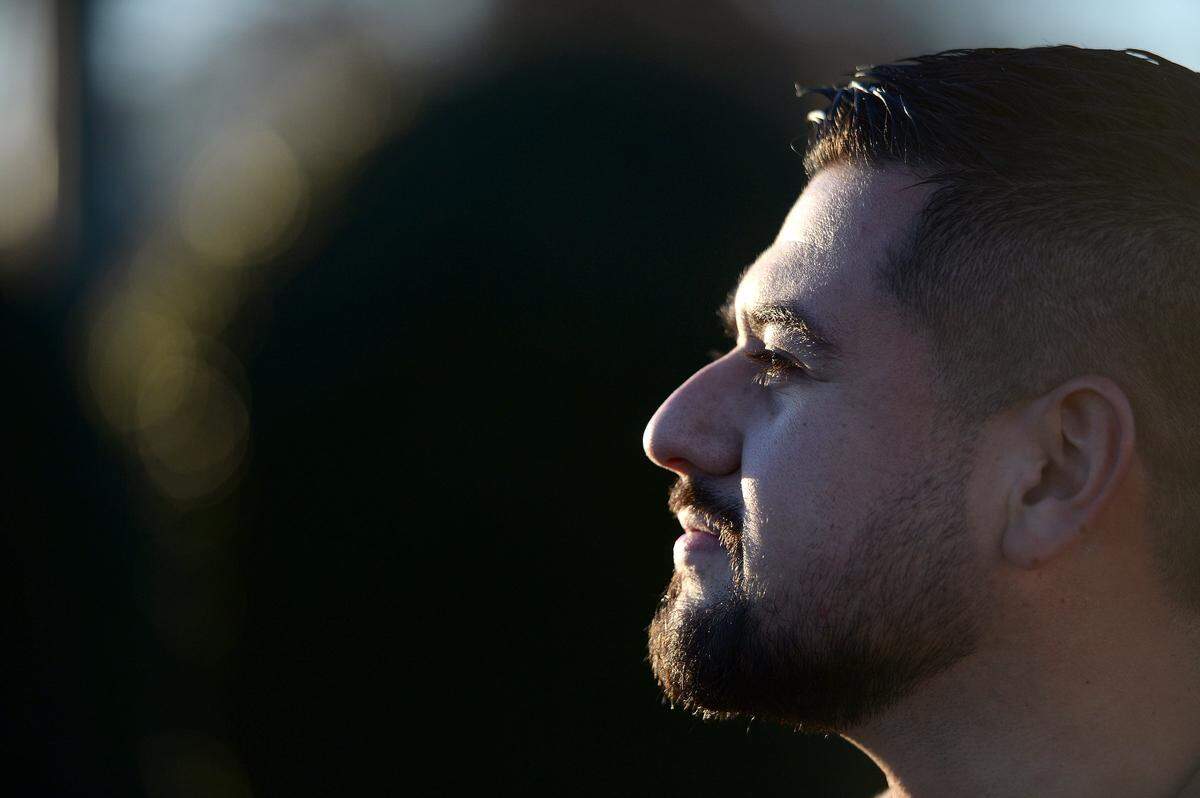
And I want people to know I’m human, too. I love coffee so much that I literally have a tattoo of a cup of coffee; it’s my little reminder that joy and humor matter, even in serious work.
At my core, I am grounded by my family and the people I love. They are what keep me going. I also believe deeply in faith, not a faith of exclusion or fear, but one that calls us to care for the poor, the tired and the huddled masses yearning to breathe free. Even in dark times, to me, public service is not about power. It is about responsibility, and choosing, again and again, to lead with radical love for community.
What about our city inspires you most?
What inspires me most about Charlotte is its people. In moments of crisis and rupture, I have watched neighbors step in where systems fell short. During the Border Patrol operation that shook trust across our city, I witnessed firsthand how fear spread not just emotionally, but also economically, throughout east Charlotte and south Charlotte. Small businesses suffered, workers stayed home and families were left navigating uncertainty and loss that our community is still recovering from.
Yet in the middle of that pain, something powerful emerged. Outside Manolo’s Bakery, people showed up, organically and unapologetically. Children of immigrants raised their voices for families who had been forced into the shadows. There was music, food, love and joy. It was a protest, but it was also a form of care. It was a radical demonstration of who we are as a city when we choose one another over fear.
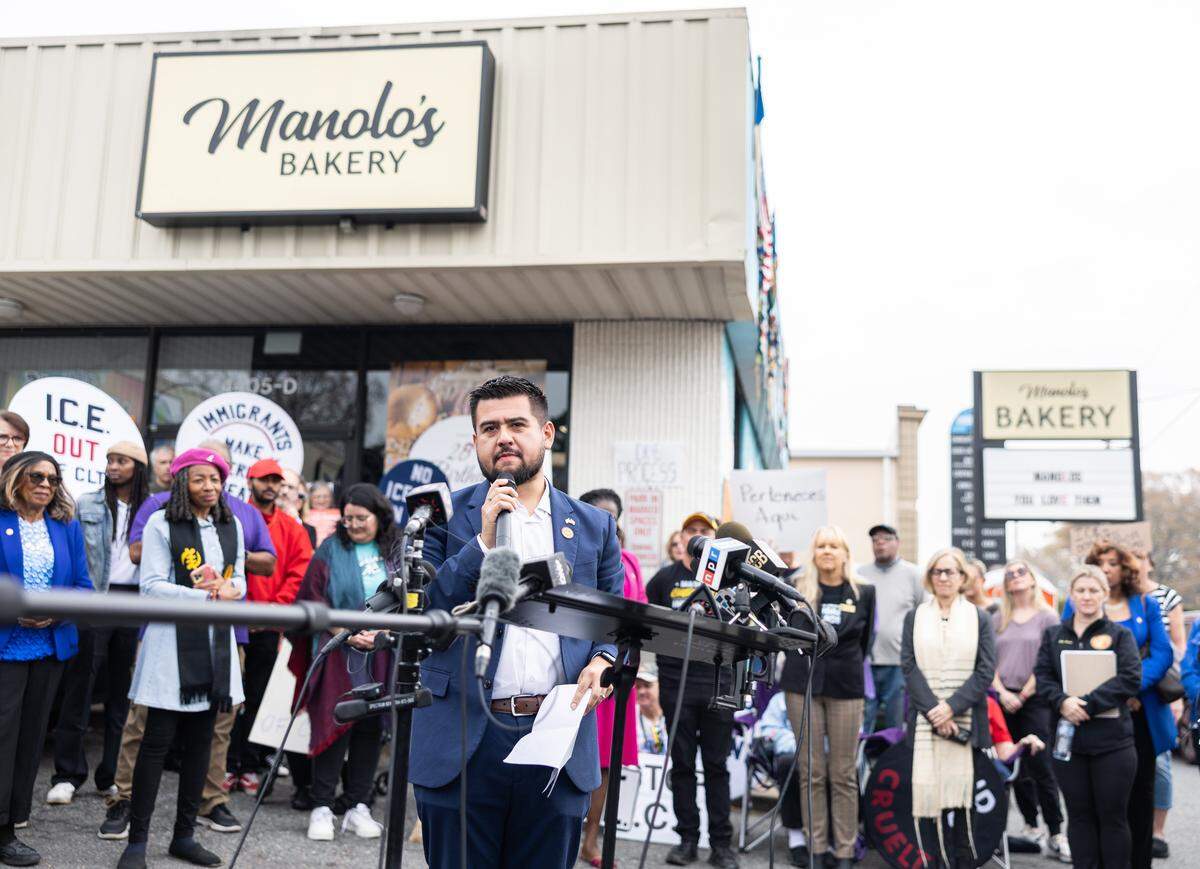
That moment reminded me of what Charlotte truly is. We are Black, Latino, white, Asian, Middle Eastern, Eastern European and African. We are working class. We are immigrants and native-born. We are small business owners, students, parents and elders. We are people. We are Charlotte.
I hope the broader business and philanthropic community, from the Charlotte Regional Business Alliance to the Foundation For The Carolinas and our private-sector partners, meets this moment with the same courage our neighbors have shown. When communities are harmed, recovery should be shared, and support should be visible.
Charlotte inspires me because of its quiet resilience and its growing courage, especially among young people and communities of color who are stepping into leadership and reshaping what this city can be. That collective spirit, rooted in solidarity, joy and action, gives me hope that our best days are yet to come.
This story was originally published December 23, 2025 at 6:01 AM.