Why 2 former Charlotte councilmen say I-77 tolls could decide 2027 mayor’s race
Next year’s mayoral election is expected to be a frenzy involving multiple sitting Charlotte City Council members.
The key to winning? Setting themselves apart from their opponents on the Interstate 77 toll lane debacle and establishing a reputation as a coalition builder, according to two former City Council members on opposite sides of the aisle.
“If somebody can thread the needle on the 77 problem while not alienating all of council and looking like a lone hero, they are going to win,” Tariq Bokhari said.
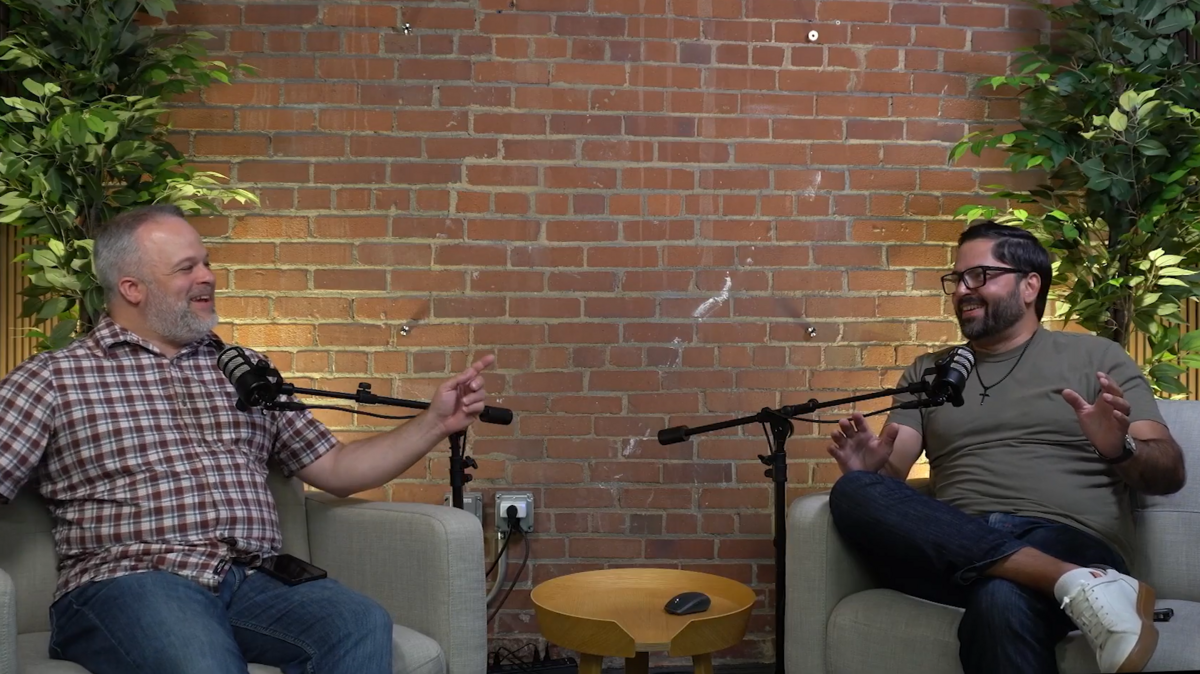
Bokhari, a Republican, and Larken Egleston, a Democrat, weighed in on the election during the April 16 episode of their weekly podcast, R&D in the NC. The pair previously co-hosted a podcast during their time on council together and started a political consulting enterprise earlier this year.
Mayor Vi Lyles hasn’t confirmed her intentions beyond her fifth term, which Bokhari and Egleston believe will be her last. But they said a deep bench of hopefuls is ready to take her place and are already campaigning from the dais.
The two predicted the candidate pool could include at-large councilwomen Dimple Ajmera and Victoria Watlington, District 1 councilwoman Dante Anderson and District 2 councilman Malcolm Graham. None have announced a run yet, but Graham confirmed on another episode of Bokhari’s and Egleston’s podcast that he is interested in the job.
“They’re going to be sort of snipping at each other to get to be mayor,” Egleston said. “This is a preview of the next 18 months of council, is everyone looking to slightly differentiate themselves from people that they’re more or less fairly aligned with otherwise.”
Bokhari represented District 6 in south Charlotte from 2017 until his resignation in 2025. He left to take a position in the Trump administration, which he has since vacated. Egleston represented District 1, which includes The Plaza and much of uptown, from 2017 until he lost a campaign for an at-large seat in 2022. He later worked for Jeff Jackson in Congress and the North Carolina Attorney General’s office.
I-77 will decide Charlotte’s next mayor?
The controversial project to add toll lanes along an 11-mile stretch of I-77 South is the single most important issue that Bokhari and Egleston said will sway the mayoral result.
Though the intent is to ease congestion on a highly trafficked portion of the interstate, neighborhood and citywide groups oppose the project after maps revealed neighborhoods in historically Black parts of town could lose homes.
The City Council has elevated their concerns, going so far as to call for a temporary pause on the project, which the North Carolina Department of Transportation conceded to.
It’s not clear how the saga will resolve or if the project could be scrapped altogether.
Whatever happens, Bokhari thinks it will have an outsize impact on the election and estimates about 90-95% of the vote will rest on this one issue.
If the resolution is unfavorable to the community groups — who are also backed by the Black Political Caucus of Charlotte-Mecklenburg — that frustration will fall back on somebody, Bokhari said. That person will lose, he said.
Still, the City Council already gave preliminary approval to the project in 2024 when they voted in favor of its funding mechanism. Council members have since said they didn’t realize that was their final say on the issue and thought they would have another chance to weigh in.
“They all took a vote that advanced it. And now they’re all taking a stance that they’re against it, so there’s no loss or no gain for any of the four of them,” Egleston said. “If all of the four viable candidates for mayor run, and all sort of are sharing that blame, then it’s to no one’s detriment.”
Can mayoral hopefuls build a coalition of support?
A lesser but still important factor is whether each candidate can unite people around them, the two former councilmen said.
“That’s the number one role of an effective mayor,” Bokhari said. “Which means you might have to give away some wins to other folks without losing the credit that you know is needed afterwards.”
Coalition building is what catapulted Lyles into office over incumbent Mayor Jennifer Roberts, Bokhari and Egleston said.
Roberts’ term created a perceived divide between the mayor’s office and the 11-person council, Egelston said.
Lyles built support from a majority of council members who were generally in agreement with her on important issues, Egleston said. That has helped her pass her agenda.
The winning candidate will need to generate similar support among their peers over the next year and a half.
“As they squabble, the question is, who gets ganged up on by a coalition?” Bokhari said.
This story was originally published April 27, 2026 at 5:00 AM.