
Voters will decide if NC power stays divided. What happens if one side takes control?
With inflation raging and the future of abortion laws in play, both Democrats and Republicans are sounding the alarm about what’s at stake in the general election.
Every single one of the 170 seats in the General Assembly is up for election on Nov. 8. Who controls the state legislature has a direct impact on the 10.6 million North Carolinians: how much they pay in taxes, the state of the workforce, when a pregnancy can be ended, how children are educated and even how easy it is to vote. Essentially, what it means for you to live, grow, learn and earn here.
There are three scenarios for the election outcome:
One, that Republicans gain a supermajority, which means they can override any veto from Democratic Gov. Roy Cooper, who has two years left on his term.
Two, that North Carolina’s divided government remains the same. Republicans keep their majorities, which means they can pass legislation without Democratic votes but can be stopped by Cooper’s veto stamp. This scenario forces the sides to compromise, or Republicans to get some Democrats to vote with them to override a veto.
Three, that Democrats gain enough seats that Republicans lose a majority in one or both chambers. This is a long shot for Democrats, who are more focused on preventing a Republican supermajority.
“In North Carolina, we’re going to be on the defensive, because I think most any result, you’re still going to see a Republican majority in the state legislature,” Democratic Gov. Roy Cooper told The News & Observer on Tuesday. “And the issue is going to be whether there are enough Democrats elected in the legislature to sustain my veto and to hold the line.”
The N&O asked legislative leaders about their priorities if they are in charge.
Republican supermajority: Abortion, voting, tax cuts
Given the party not in the White House historically makes gains during midterm elections, Republicans might take the supermajority, which they held before the 2018 elections and wielded to override Cooper’s vetoes.
House Speaker Tim Moore and Senate leader Phil Berger have been in top leadership positions for more than a decade, since Republicans took a majority. Moore is from Cleveland County and Berger is from Rockingham County.
This past summer, the U.S. Supreme Court gave power over abortion restrictions to legislatures. North Carolina Republican leaders said they would pass abortion legislation in 2023, wanting to wait for an anticipated supermajority.
As for what kind of restrictions would be in a supermajority-sponsored bill, Moore and Berger have differed.
Moore has said that he believes abortion should be banned after a heartbeat is detected, while Berger has said that it should be banned after the first trimester, which ends after 12 weeks. Both have said repeatedly they want exceptions for rape, incest and the life of the mother.
Voting legislation would also be on their list. Moore said he’s looking at eliminating same-day voter registration.
In an interview with The N&O, Moore said “there is nothing that will restrict voter access.”
“Everything that we’ve talked about — the principal thing is on photo ID for voting. I do have concerns with same-day voter registration,” Moore said.
North Carolina allows registration and voting on the same day at early voting sites, although not on Election Day. Republicans tried to end same-day voter registration before as part of a 2013 voter ID bill that was struck down in court on the grounds that it targeted Black voters.
Moore said he wants to make it easier to vote, but harder to cheat.
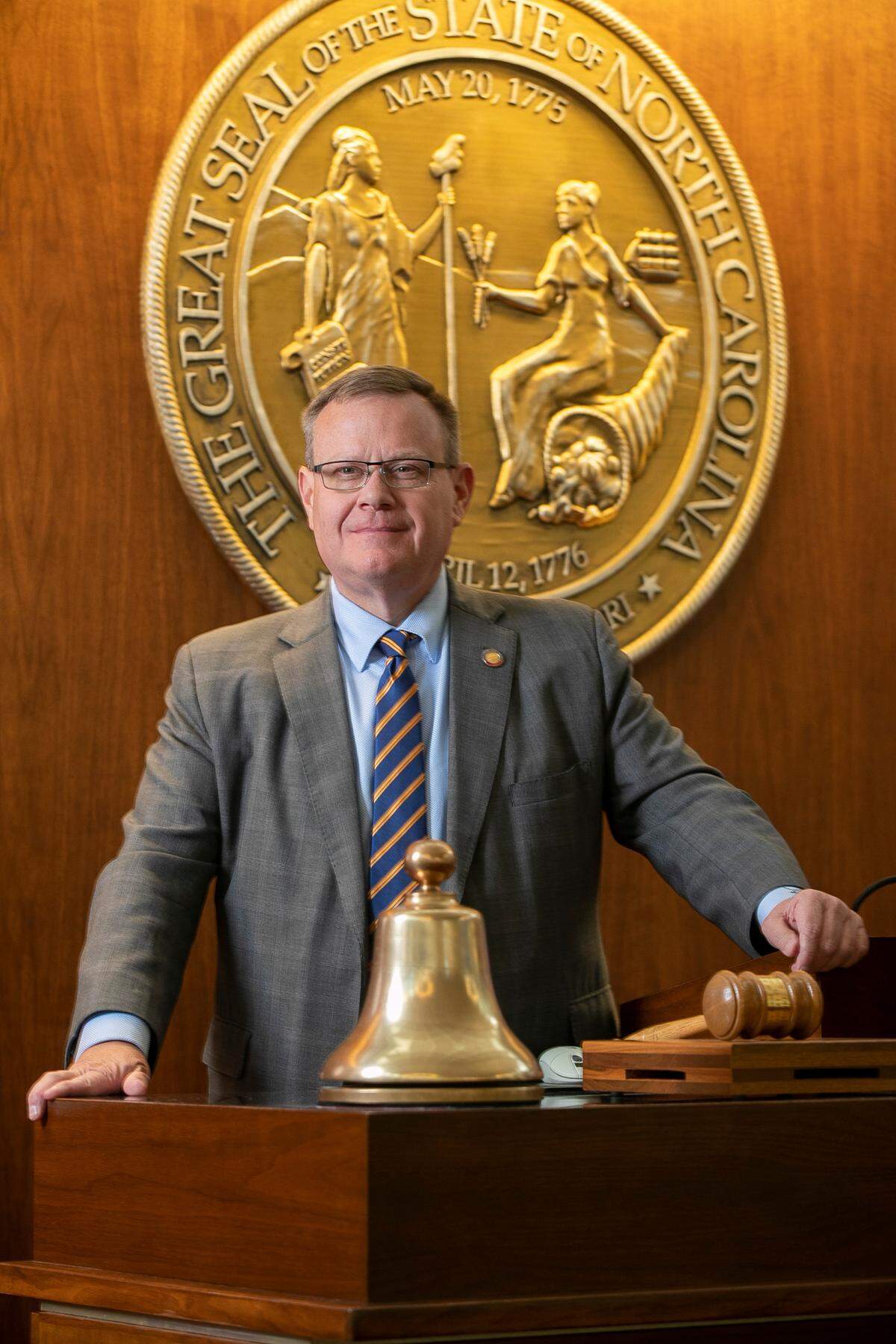
“Here’s the thing that I hate. When we talk about voter fraud, and I think a lot of stuff gets overstated. I want to be very clear on that. Why not have some baseline things in place, so that voters have that confidence?”
Moore griped about the state Supreme Court case over the constitutionality of the voter ID amendment passed by voters in 2018. The N.C. Supreme Court is on the ballot in November, too, and the Democratic majority there could shift.
“I think we should honor what the citizens of the state went to the polls and voted on, which was to put in place photo ID for voting,” he said.
The N&O also asked Moore what he says to the wing of the Republican Party that still doesn’t believe Trump lost the 2020 election. Moore acknowledged that Biden won in 2020, but thinks there were “valid issues that were raised at least in Pennsylvania that I’ve heard about happened there.”
“It is what it is. It’s done,” he said.
Cutting income taxes for individuals and corporations has long been a priority of Berger and Moore, and the 2020 state budget included cuts.
Moore said Republicans are already phasing out corporate income taxes and don’t need to speed that up.
“I would like to see us continue to lower our income taxes. And I really want to see us focus on things like the standard deduction. That’s where we raise the zero tax bracket ... increase the amount of money that’s tax-free, because that really helps the folks who earn the least. So I want to see us lower the rate and also increase that amount,” Moore said.
He also said they could include tax rebates, given this year’s surplus, in next year’s budget.
Republican supermajority: Return of vetoed bills and what Democratic leaders say
Generally in midterm elections, down-ballot races like the General Assembly will depend on the national temperature, and President Joe Biden and federal Democrats are top of mind.
However, Democrats are counting on motivation after the Supreme Court ruling on abortion to drive their voters to the polls.
House Democratic Leader Robert Reives said he thinks a Republican supermajority would bring a total abortion ban.
He said Democrats don’t have the campaign infrastructure and money that Republicans do.
“So if they get (a supermajority), there is no discussion about what’s going to happen. I think that what they said in the first place is what they’re going to do. I think it’s going to be a ban on abortion. And I think that that’s one of the things that citizens will have to make a decision about,” Reives said.
Berger’s office declined an interview for this story.
However, asked during a short press availability what his first legislative priority would be if they regain a supermajority, Berger said, “we’re not going there.”
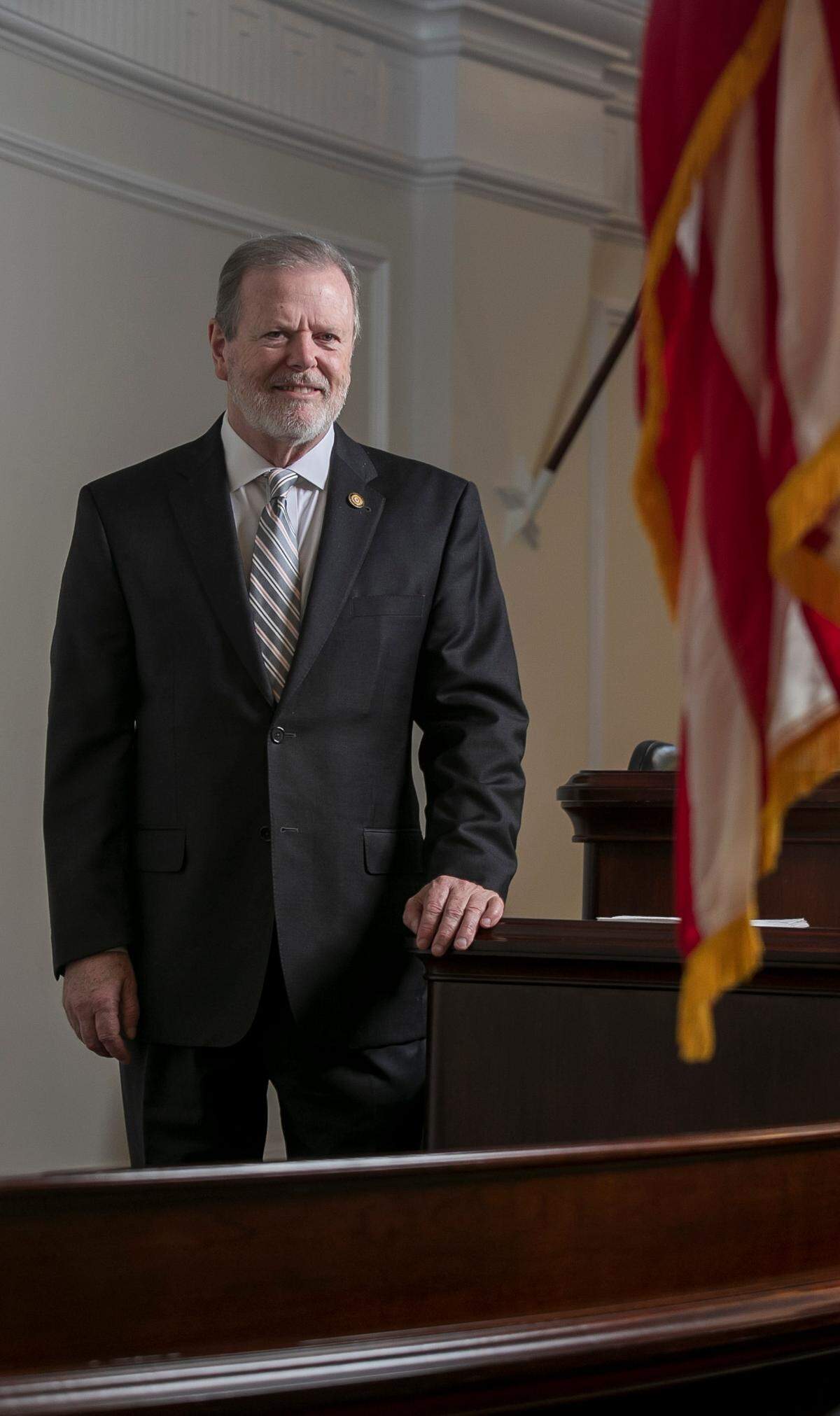
Berger’s House counterpart was more forthcoming with what he’d like to happen next session if Republicans regain veto-proof control. In addition to talking about voter ID and same-day registration, Moore said he’s looking at bringing back the vetoed anti-Critical Race Theory bill.
While the bill never mentioned Critical Race Theory, it would have regulated how race is taught in public schools. It passed along party lines, with all Black lawmakers in the House sitting on the Democratic side of the aisle.
“That’s definitely some legislation that we would pursue,” Moore said.
“Parents want their kids to go to school to learn, not to be indoctrinated, one way or the other. One way or the other. Not to be taught that they are any better or any less than anyone else,” he said. Moore called the bill a reasonable approach and that they would definitely move the legislation again. He said it could be a different version of the bill, however, given input from Democrats.
“We don’t need to be trying to indoctrinate kids or anything. It needs to be an objective discussion of history. And there’s a lot of things in our state in our nation’s history that are bad. There were people who were mistreated. There’s a lot of stuff in our history that we need to talk about, that we need to recognize it was there, so that we don’t repeat it,” Moore said.
What else are House Republicans considering? “The riot bill again,” Moore said.
Moore was referring to House Bill 805, which passed in 2021 and would increase the penalties for rioting, and which Cooper vetoed. Moore, who filed the bill after George Floyd protests in 2020, said he doesn’t understand why Cooper vetoed it. Cooper said then that the bill was unnecessary because of existing laws and that it would deter people from peacefully protesting.
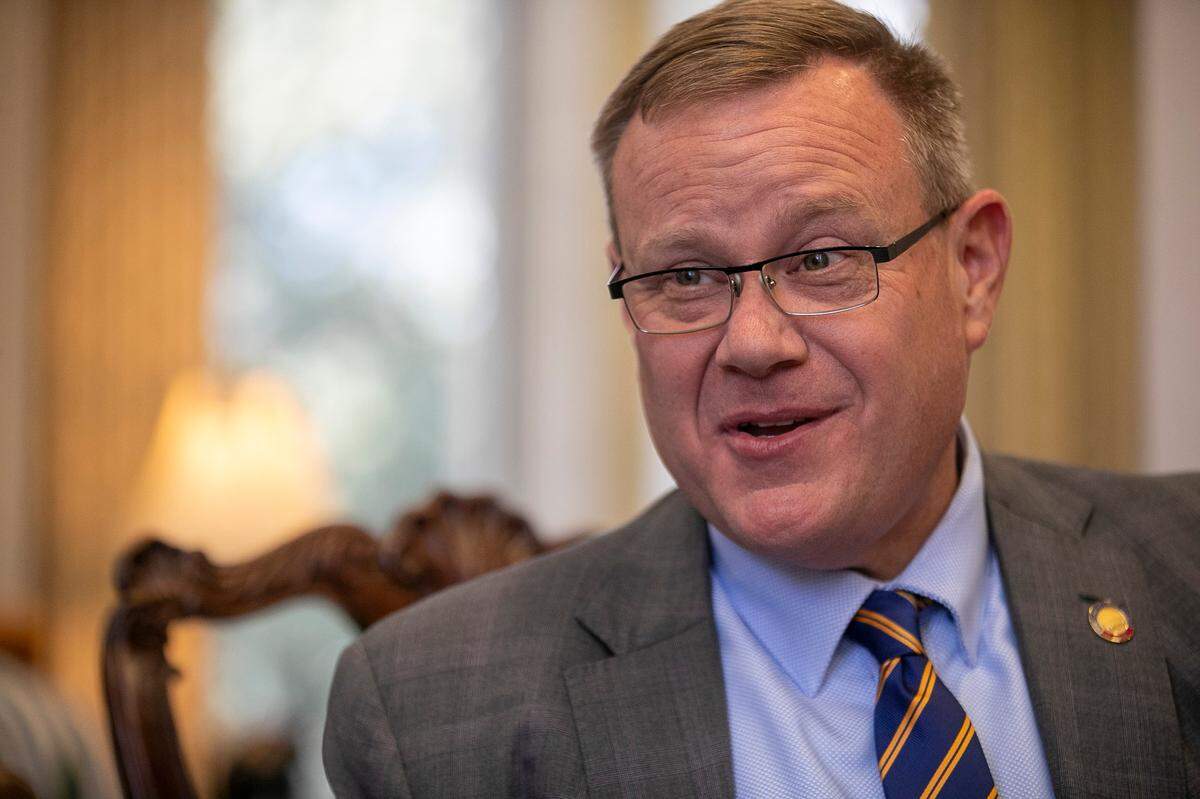
Moore said lawmakers should continue to increase education funding, and wants to incentivize teachers to work in counties and school districts that have “more challenges.” The 2022 state budget included additional pay for teachers in rural school districts.
Senate Democratic Leader Dan Blue has served six terms in the Senate and before that, 13 terms in the House. Blue said North Carolinians already know what Republicans will do in a supermajority.
“I think it’s institutional now. And if they have a supermajority, they’ve already revealed their playbook. They’re going back to that playbook,” Blue told The N&O in an interview in his office at the Legislative Building.
“We have forged some relationships in the North Carolina Senate, I think, trying to work together. But until you permanently enshrine it in the rules by the chamber, that there’s going to be input from different sides, it’s going to be a fleeting kind of thing,” he said.
Western Carolina University politics professor Chris Cooper said that if Republicans gain a supermajority in the legislature and a majority on the N.C. Supreme Court this fall, they will be able to enact what they want.
But he said they would have to act fast because unlike in other states, they could lose their supermajority again before the next term in two years.
More of the same: If a divided government continues
If the makeup of the legislature remains the same — with Republican majorities — one thing likely to happen is Medicaid expansion.
Once a stalemate between Gov. Cooper and Republican leaders, all three now support passing it but can’t get past the logjam between the Senate and House as to exactly how.
The N&O asked Berger if Medicaid expansion would remain a priority if Republicans gain a supermajority in the upcoming election.
“The vote in the Senate was 44-2. Assuming that I retain the position that I have, it will continue to be a priority for me,” Berger said in late September. “It will, in my opinion, continue to be something that the vast majority of Republicans in the Senate will support. So, I mean, we’ll see what happens next session.”
The legislative long session begins in January.
Some things are already decided. Berger and Moore are running unopposed and expected to maintain their positions. Blue is running in a safe blue Raleigh seat and Reives in a rather competitive one on the outskirts of the Triangle. If everyone is reelected, that keeps four men in the top positions in the General Assembly, though women are half of the state’s population.
National organization EMILY’s List and Lillian’s List, which is based in Raleigh, work to elect women candidates who support reproductive rights. Their leaders said that more women are needed in elected office, and part of that is the numbers game.
EMILY’s List President Laphonza Butler told The N&O that a few things need to change to have more women in party leadership roles, including fundraising and the perception of women leaders. Lillian’s List Executive Director Sarah Preston said their PAC works to close the fundraising gap for women. The current demographics of the state Senate is less than a third women, with just under a quarter women in the state House.
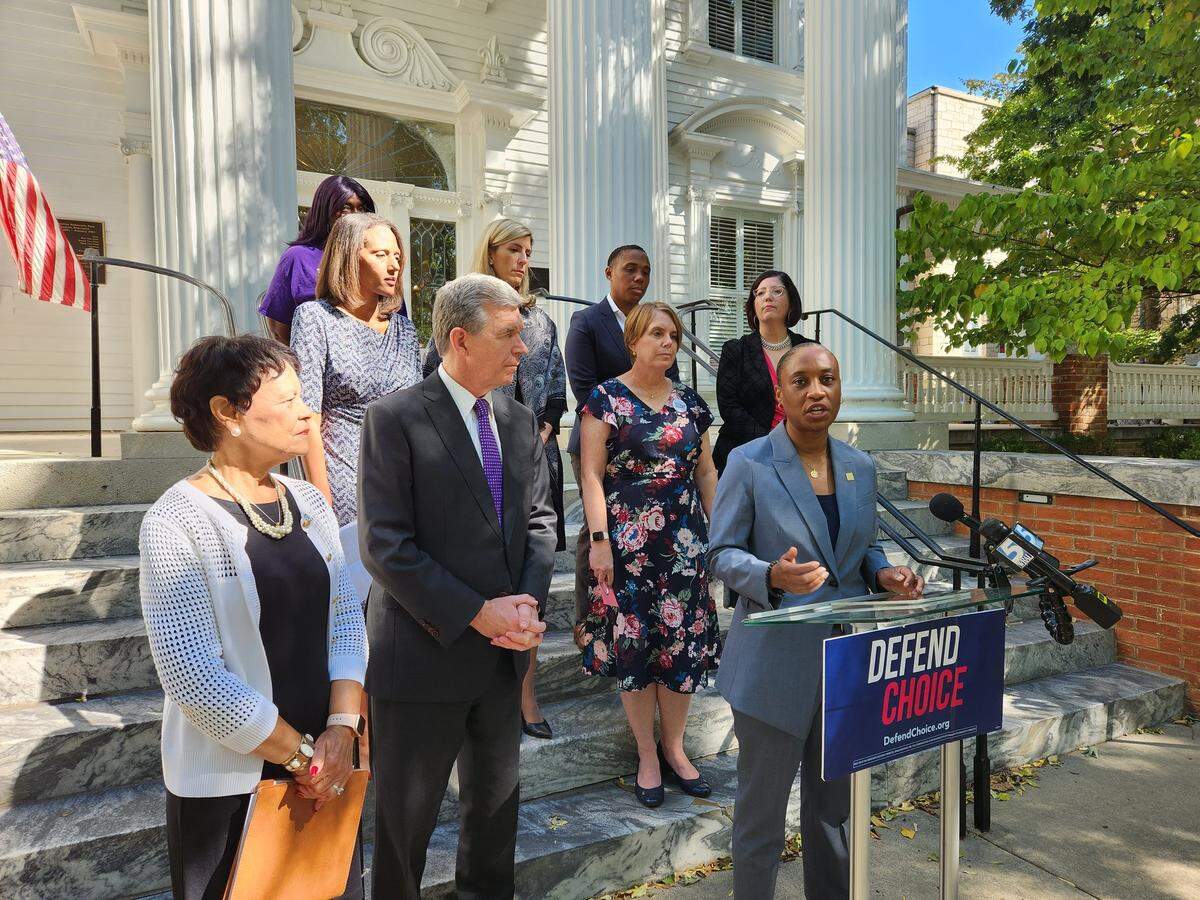
“One promising sign that we have seen is that since Roe was overruled, we’ve seen 30,000 women registered to vote in North Carolina, probably more than that now,” Preston said. “So hopefully women are exercising their political power to elect more progressive women.”
Several candidates in key leadership roles are running totally unopposed. Aside from Moore and Berger, these Republican leaders didn’t even face a primary challenger, either: Senate Rules Chair Bill Rabon, Senate Appropriations Chair Brent Jackson, House Majority Leader John Bell, and House Appropriations Chairs Jason Saine and Donny Lambeth.
The governor said Tuesday that the major parties have worked together for the economic success of the state.
“But the problem comes when you have a supermajority and their worst impulses can’t be stopped. And we’ve seen what that can do to our state with legislation like House Bill 2,” Cooper said, referring to the now-repealed 2016 law that sparked boycotts of the state for requiring people in schools and other government buildings to use the bathroom matching the gender listed on their birth certificate.
“So keeping that balance will be important, and it’s one of the reasons why I’m working to try to make sure that there are enough Democrats in the legislature to be able to sustain my veto.”
Door No. 3: Democrats gain seats
Abortion legislation is a priority for Democrats if they attain power, just like it is for Republicans seeking a supermajority.
“If you ask me personally where we should be, I think there’s no issue — just codify Roe v. Wade,” Reives said.
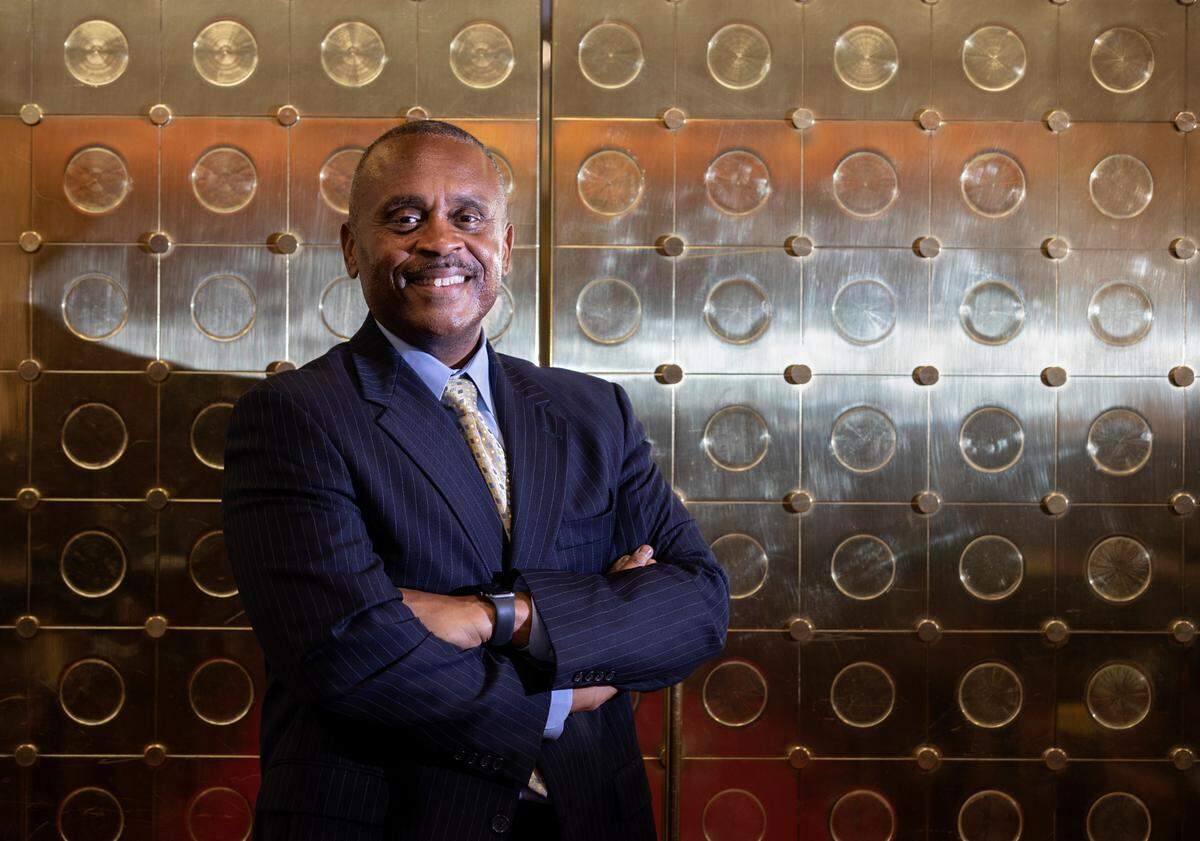
Blue sees the issue of abortion as a voter turnout driver, especially with younger voters. It’s changed what he feels about the midterms.
“Quite frankly, I feel a hell of a lot better now than it did six months ago,” Blue told The N&O in an interview at the Legislative Building in downtown Raleigh. “And I feel positive about the elections because of the enthusiasm factor. I mean, I think that it’s almost an equal energy level among Democrats and Republicans, as far as participating in the upcoming election. I feel buoyed also by the fact that it might be an election, where it would be what we’ve been wishful of for the last half a century — that is significant, meaningful youth vote.”
Blue said that preserving “access to the ballot box” would be his first priority if Democrats take control. He also wants nonpartisan judicial races and abortion rights.
“I think that once a right has been established, the way a woman’s right of choice was established for 49 years, that right ought not be reversed,” he said.
Reives’ other legislative priorities, if Democrats make gains, are focused on the workforce and broadband internet expansion.
“Something that we’ve got to work on, that would be a priority for us in our caucus, is to make the workers welcome. ... These companies are locating here. They want to feel good about telling their employees to come here. And we’ve got to make sure we make a welcoming environment for that, and the same thing with health care,” Reives said.
He said the first bill he’d want to run if Democrats took a majority would be “to make elections better.”
He added: “I think the day we walk in there, we’ve got to work on workforce development. And that encompasses education, that encompasses health care, that encompasses affordable housing and environmental issues.”
“We have got to put North Carolina in a place where people don’t want to just come just for the jobs, but they want to live here. They want to raise their families here. And I want everybody to feel good about raising their families here,” Reives said.
Blue wants to change how the majority and minority parties are involved in the legislative process.
Blue said he’s proud of what Democrats and Republicans have done together in recent years, including an energy bill and reopening schools.
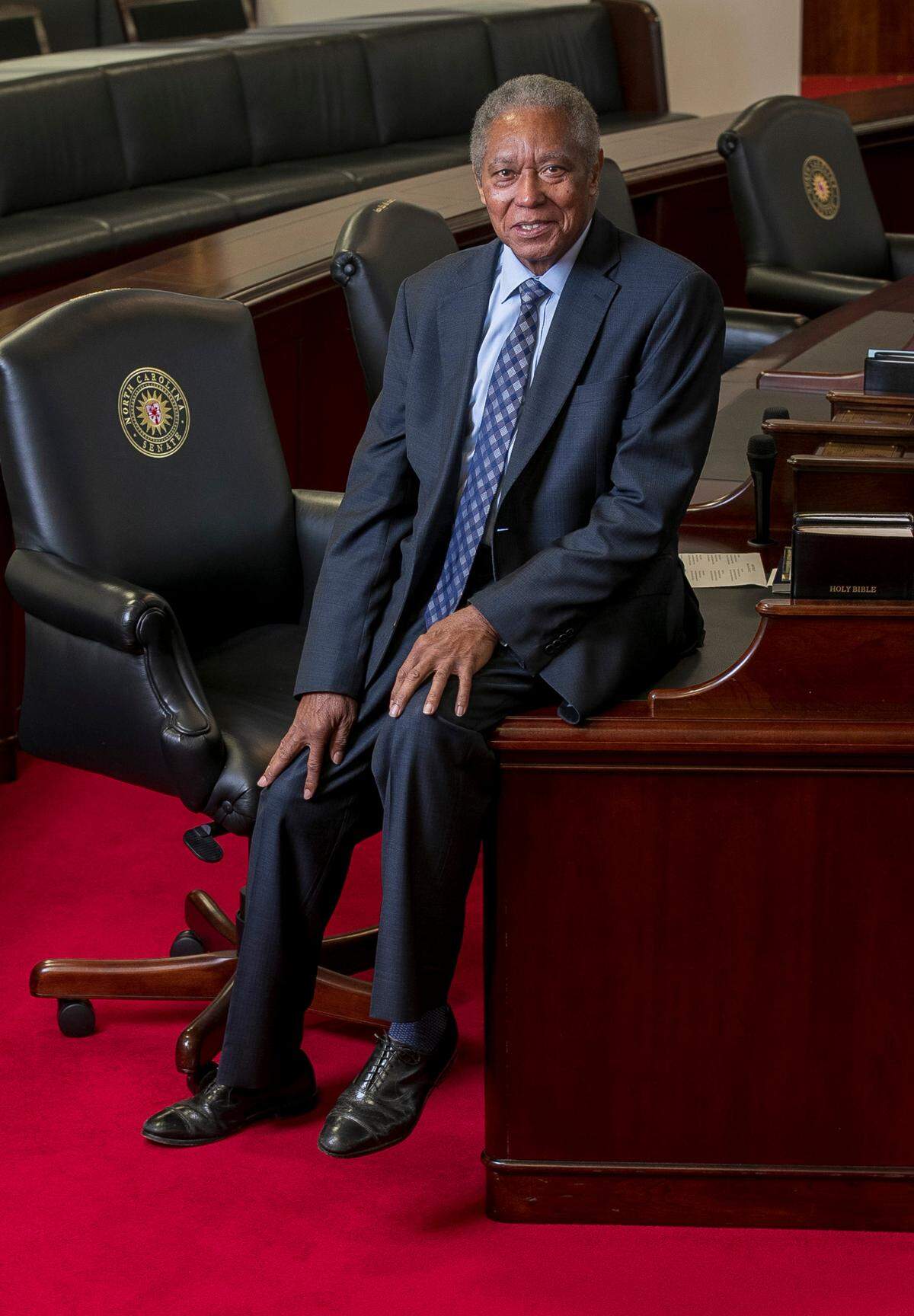
“But that’s sort of a shotgun relationship. You’ve got to change the rules of the Senate to guarantee meaningful participation by the minority party — doesn’t matter who’s in charge — that’s one of the things that I think all of us ought to be committed to doing. I know that I would do it, if I were in the majority again,” Blue said.
Reives said regardless of who’s in power, what’s best for the state should be at the center.
“I like to have faith that people eventually want to do what’s best for the state. And the bottom line is this: whether you’re Republican or Democrat, neither side is going away. And what’s best for the state is listen to both sides and try to come up with legislation that helps the majority of people and doesn’t just serve our own whims,” Reives said.
For more North Carolina government and politics news, listen to the Under the Dome politics podcast from The News & Observer and the NC Insider. You can find it at https://campsite.bio/underthedome or wherever you get your podcasts.
This story was originally published October 7, 2022 at 6:00 AM with the headline "Voters will decide if NC power stays divided. What happens if one side takes control?."
.jpg)