No Latinos elected to any state office in NC. Will that change? Here’s who’s running.
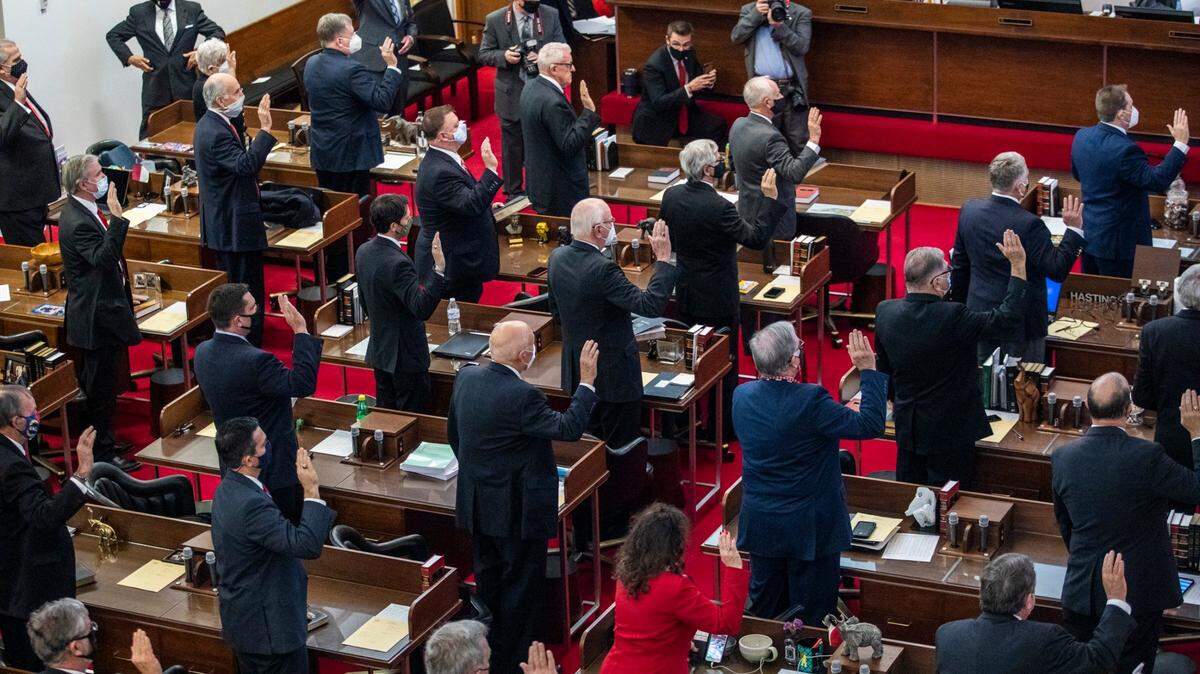
While the Latino population in North Carolina is growing, its representation in politics remains low.
Despite making up almost 11% of the state’s population, there are zero Latinos elected to any statewide office. There are also no Latinos elected to represent the state in Congress or in the state’s General Assembly.
During the 2022 midterm elections, the only Latino lawmaker in the legislature, Democratic Rep. Ricky Hurtado, lost his seat. Proportional representation in the General Assembly would mean 17 or 18 Hispanic members among the state’s 170 legislators.
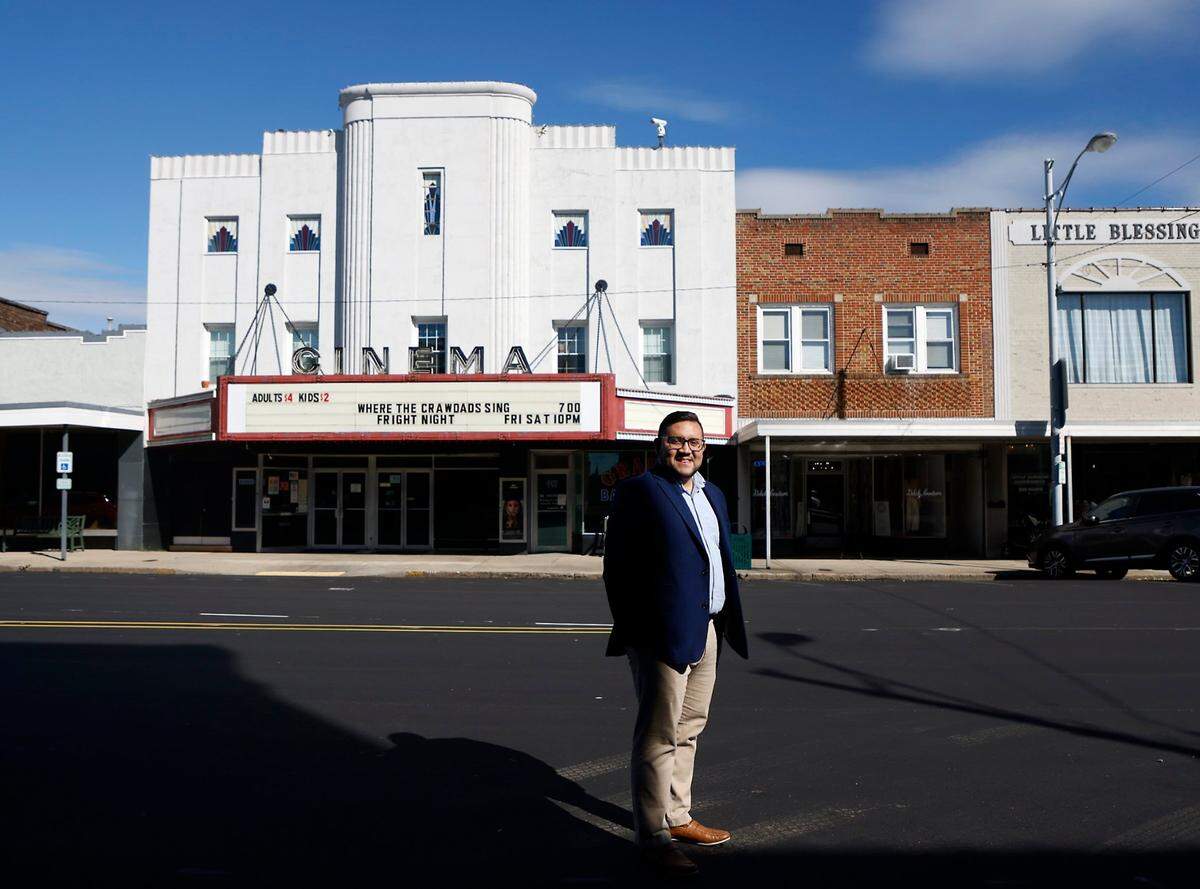
But North Carolina may have a Latino lawmaker come next year: In March, Brian Echevarria, who is also Black, won the Republican primary against incumbent Rep. Kevin Crutchfield to represent House District 82 in Cabarrus County.
At least three other candidates are also in the running for the legislature.
- Laura Pichardo, who ran uncontested in the Republican primary, is facing off against incumbent Sen. Graig Meyer for Senate District 23, a Democratic-leaning district in Orange, Caswell and Person counties.
- Chris Costello, a Libertarian candidate, is running for election to Wake County’s Democratic-leaning House District 33 against Democratic candidate Monika Johnson-Hostler.
- Republican Freddie de la Cruz is running for election to represent House District 44, which leans left and encompasses Fayetteville. (De La Cruz does not identify as Hispanic in his voter registration but has previously said he is Puerto Rican.)
Latinos still running for office in November
According to an analysis by The News & Observer, at least 23 Latino candidates ran for office in March in North Carolina. Some are still in the running in this November’s general election.
Of those, eight ran as Republicans, seven as Democrats, one as Libertarian and the rest ran in nonpartisan races. This analysis is based on how the candidates identify themselves in voter registration rolls, so if a candidate does not identify as Latino they would not show up.
In 2022, The N&O ran a similar analysis and found that only 27 candidates were Hispanic out of more than 2,000 on the ballot for the midterm elections.
Of this year’s 23 candidates, 16 made it through to the general election. And Wendy Padilla won election to one of three available seats on the Orange County school board.
Among those who did not advance is Gabe Esparza, a Democrat who ran for treasurer. He lost in the primary to Rep. Wesley Harris.
For Esparza — whose great-grandparents moved to the U.S. from Mexico during the Mexican revolution — one of the reasons for a lack of political representation in the state is that Latinos are a relatively new population. This is different from some other states such as California.
Los Angeles has the nation’s largest Hispanic population, a distinction it has held since the census first included a Hispanic category in 1980, according to Pew Research. In California, Latinos are closer to proportional representation: They make up 40% of Californians and make up over 30% of the California Legislature, which consists of 80 House seats and 40 Senate seats, the Sacramento Bee reported in 2022.
“You have very few people who have been here for generations and generations and generations and so in that regard — like any immigrant — not just Latino immigrants, you’re going to find there is a slow, deliberate, but eventual process of getting accustomed to participating in the civic life of the country,” Esparza said.
Latinos eventually begin to participate in other states, “not only by voting, but by wanting to run for office,” and “so I’m happy to have been a part of that generation of folks who are trying to knock down barriers,” he said.
Less of a donor base
Another dynamic at play is that the Latino population is geographically dispersed across the state, diminishing the group’s power, he said.
Eliazar Posada, a Democratic Carrboro town council member, attributed the few Latinos in positions of power to a lack of support and the extensive time commitment required to pursue candidacy at the statewide level.
To reach high positions in their party, he said, Democrats must become members of the State Executive Committee. This requires having been part of the County Executive Committee, having led a precinct, and attending an annual meeting to be elected, he explained.
“It takes time for people to be in the party long enough to apply for those positions, so that has been a significant part of it,” Posada said. “People who work a lot and have families often face additional challenges.”
Esparza said the state Democratic Party is supportive and encouraging of Latino candidates, but Latinos tend to come into politics with less of a fundraising and donor base.
Esparza — who said he is working in Mecklenburg County to facilitate conversations between African American and Latino community leaders on common political interests — said it’s also key that Latinos be appointed to positions and not solely elected.
“We want to make sure that our political leaders, when they have the power to hire Latinos, that we are encouraging them to do that as well,” he said.
On the ballot in November
Here’s who else is running for office in November:
Robert Morales Vergara, who ran in the Republican primary for North Carolina’s 2nd Congressional District, is now running for the Wake County Board of Education District 4.
James Shaughnessy IV, a pre-law student at William Peace University, is running for Raleigh mayor.
Karla Icaza, a Democrat, is running for the Cumberland County Board of Commissioners in District 2.
Maritza Gomez, a Republican, is running for the Guilford County Board of Commissioners District 6.
Susan Rodriguez-McDowell, a Democrat, is running for reelection as a Mecklenburg County commissioner for District 6.
Aaron Marin, a Republican, is running for the Mecklenburg Board of Commissioners in District 1.
Lou Olivera, a Democrat, is running unopposed for district court judge in 14 seat 9, which encompasses Cumberland County.
Tabatha Holliday, a Democrat, is running for district court judge in 24 seat 9, which encompasses Guilford County.
Maria Robles is running for reelection as a Pollocksville town commissioner.
Christine Elecia is running for Saluda city commissioner.
David Hensley is running for the Moore County Board of Education in District 4.
Roberto “Bo” Hess is running for the Asheville City Council.
The N&O found the number of Hispanic or Latino candidates by combining the North Carolina State Board of Elections’ current voter registration database with its 2024 primary candidate database.
The candidate database does not include ethnicity, while the voter registration database does. Merging the databases shows which candidates identified as Hispanic or Latino in their voter registration. The list does not include Latinos currently in office who are not running for reelection.
If you are a Latino candidate and are not listed, you can reach The N&O using the contact information below.
This reporting, also available in Spanish, was done in partnership with Enlace Latino NC, North Carolina’s only Spanish-language nonprofit news organization.
This story was originally published August 6, 2024 at 5:55 AM with the headline "No Latinos elected to any state office in NC. Will that change? Here’s who’s running.."