Wil Russell, Charlotte City Council District 4 candidate, answers our questions
READ MORE
Voter Guide 2025: Read answers for Charlotte City Council District 4
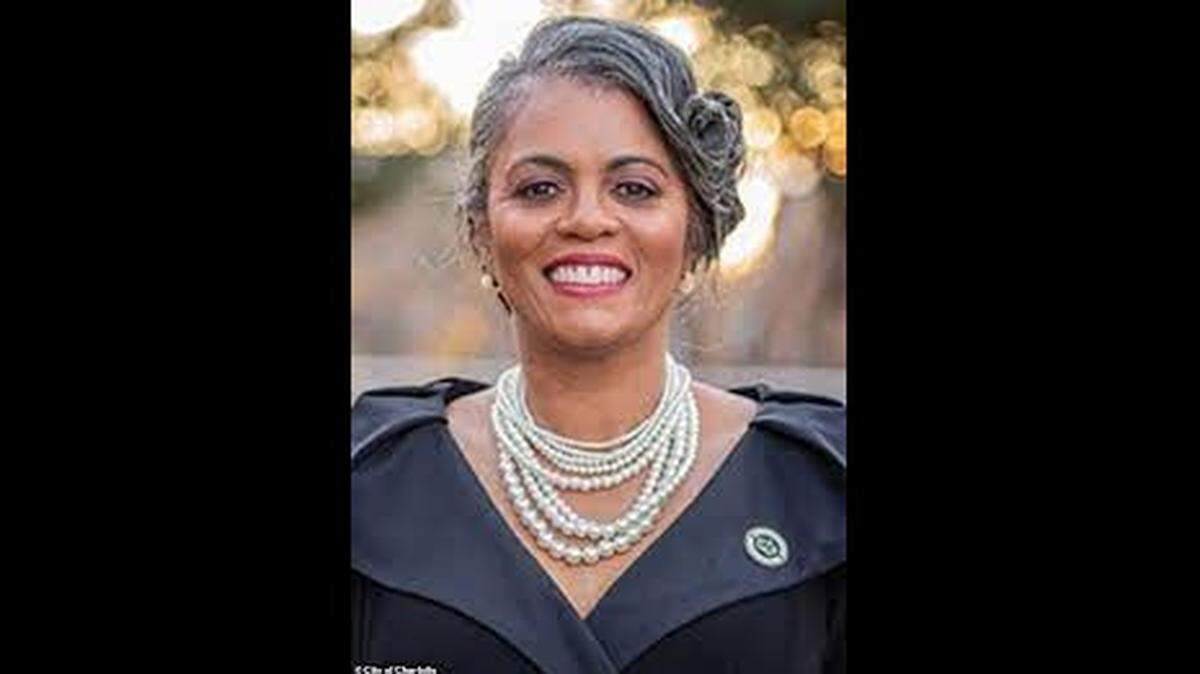
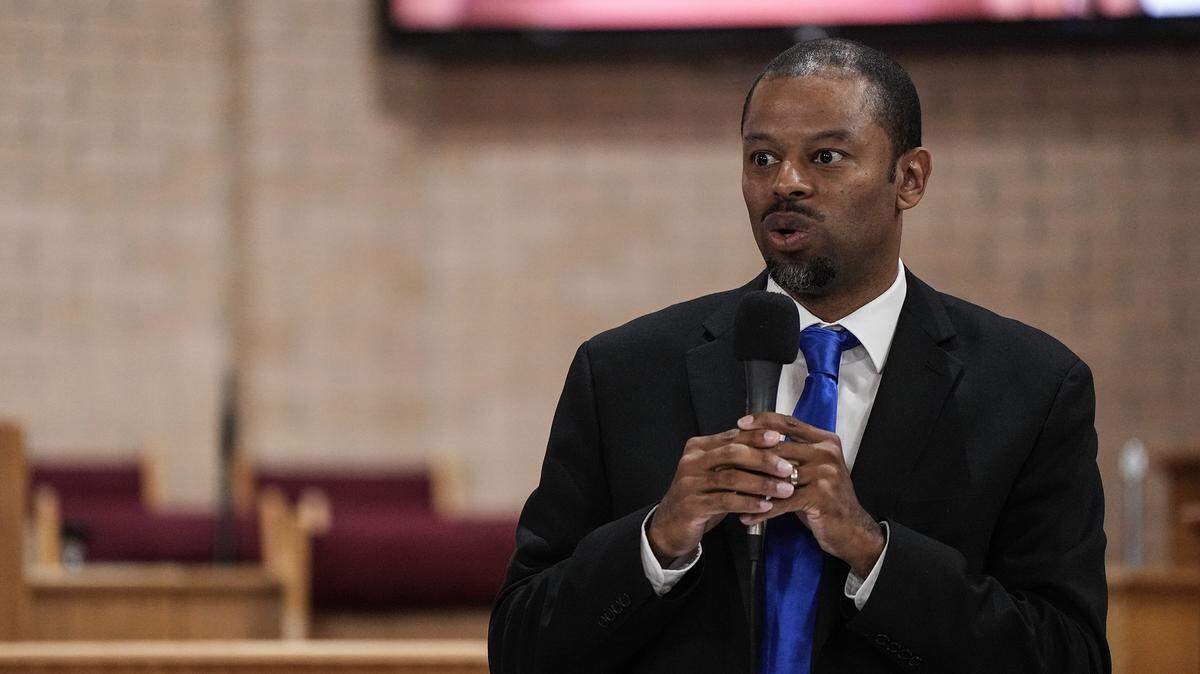
The District 4 race, which covers University City, features a rematch between Renee Perkins Johnson and Wil Russell in the Democratic primary.
Expand All
To help inform voters in the Sept. 9, 2025, election, this candidate questionnaire is available to be republished by local publications in North Carolina without any cost. Please consider subscribing to The Charlotte Observer to help make this coverage possible.
Name: Wil Russell
Email: info@wilrussell.com
Political party: Democratic
Which position are you running for on the Charlotte City Council? District 4
Age: 47
Campaign website or social media page: www.wilrussell.com, @russellforcharlotte on Instagram
Occupation: Senior construction manager
Education: Bachelor’s of Science in Building Construction
Have you run for and/or held elected office before? (Please list previous offices sought and/or held)
Yes, Charlotte City Council 2023, 2017, 2013
Please list your highlights of civic involvement
Incentive Based Inclusionary Housing Citizens Advisory Committee
Member of City of Charlotte Neighborhood Matching Grants Fund
Member of Charlotte Business Advisory Committee
Member of Charlotte Neighborhood Matching Grants Fund
Sustain Charlotte Board of Directors
Immigrant Integration Task Force
Prosperity Village Area Association (PVAA)
Lead collaborator Prosperity Hucks Area Plan
Member of Unified Development Ordinance (UDO) Advisory Committee
Charlotte-Mecklenburg Planning Commission
What are the most important issues facing Charlotte, and how would you address them?
The most critical issues facing Charlotte are housing affordability, transportation, and economic mobility. Over the past six years the average cost of housing in the city has risen from $295,000 to just over $550,000. This rate of increase in housing costs has made living in Charlotte difficult for most citizens. If we want to slow down rapid housing cost increases, we must revise our zoning and development policies to allow smaller scale housing to be built faster and for less cost. Transportation is also directly tied to our zoning and development policies.
Similarly to our cost of housing problem, the development of our transportation system has not kept pace with the needs of the city. Our transportation system also needs to be more efficient and more flexible to accommodate our city’s needs. We need to review our entire transportation system and realign planning and building of all projects to accommodate moving people from where they live to where they work.
Economic mobility is also one of the biggest issues in Charlotte, which is also related to housing affordability and transportation issues. Our problem with economic mobility starts with the cost of housing. Those who fall below our average median income of $102,000 will struggle to find housing they can afford. When they do find housing, it tends to be further away from the city, which increases travel time to work. Because our transportation system is not as dependable as it needs to be, most people are required to own a private vehicle. Charlotte will continue to grow at a pace that outstrips most citizens’ ability to live and thrive unless we start to address and resolve these issues.
The city of Charlotte provided CMPD Chief Johnny Jennings with more than $305,000 in a deal reached during a private meeting – details of which were not available until news outlets started reporting on the issue. Did the city handle this correctly based on what the public knows about the situation? Why or why not?
Based on the publicly available evidence, it appears that the CMPD’s police chief employment status was threatened by an elected official. This could have potentially exposed the City to legal issues. Problems between elected officials and city departments should be resolved in ways that do not expose the city to potential legal actions. As a member of city council, I would work to ensure that issues like these are resolved through proper channels and proper communication.
How will you earn public trust in the wake of public controversies that roiled City Council this spring?
The way to earn public trust as an elected official is to communicate as often as you can. I would work to educate my neighbors in District 4. The role of city council isn’t just reporting facts and figures at town halls. It’s about educating your neighbors about the policies being implemented in our city. We need to have conversations about the issues affecting residents and businesses in our area. Trust can only be built through listening to your neighbors then acting to resolve those issues.
How will you work to improve transparency within city government?
Transparency as an elected official is important. If an elected official is being transparent about the development of city policies or implementing solutions to those problems, it will help build trust in that elected body. However, transparency as being practiced by some has been used for political gain and not the improvement of the city. We should be focusing our time and energy on creating lasting solutions to the issues of housing affordability, transportation, and economic mobility.
The General Assembly has given Mecklenburg County permission to put a referendum on the ballot to raise the county’s sales tax to fund road, rail and bus projects. Will you vote in favor of the referendum? Why or why not?
The North Carolina General Assembly has given Mecklenburg County permission to pursue a sales tax to raise funds for road and transit improvements. Those road and transit improvements are needed in Mecklenburg County. If we want to create a transportation system that aligns with the growth of our city, we’ll need to use every tool at our disposal. I will be in support of the transit referendum. Additionally, the residents of District 4 will directly benefit from the tax as the Red Line will run through our district.
Is there an area where you disagree with your party on local or state issues? Why?
It is my belief that the Democratic Party should spend more time serving the communities it represents. It’s easy to chase a news cycle and grab a headline for a short time, but there are people across the county that are dealing with rapidly mounting crises in their personal lives. We, as a party, should be focused on helping make the lives of those affected better. Working to solve issues, providing community service and helping as many people as you can is the way to strengthen the party.
What separates you from your opponent(s)?
What separates me from my opponent are the following: -vast knowledge of zoning policy, housing, and construction -proven ability to collaborate with neighbors and developers -ability to provide visionary leadership/advocacy for district 4 on council
What one professional or political accomplishment are you most proud of?
The Green at Prosperity Village. Wil was lead collaborator on the Prosperity Hucks Area Plan which brought additional homes; a high degree of connectivity for cars, bikes and pedestrians; more retail and dining options and more jobs. This plan also included The Green at Prosperity Village, was the very first parklet created by the City of Charlotte in over 40 years.
This story was originally published August 13, 2025 at 6:30 AM.