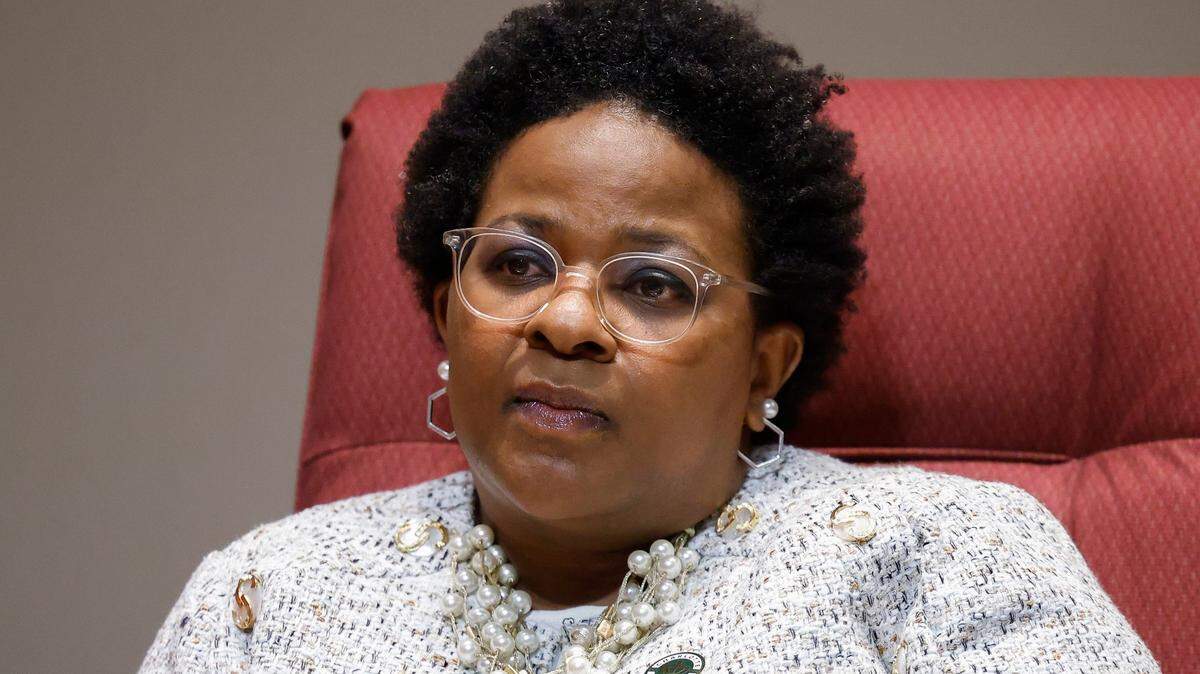
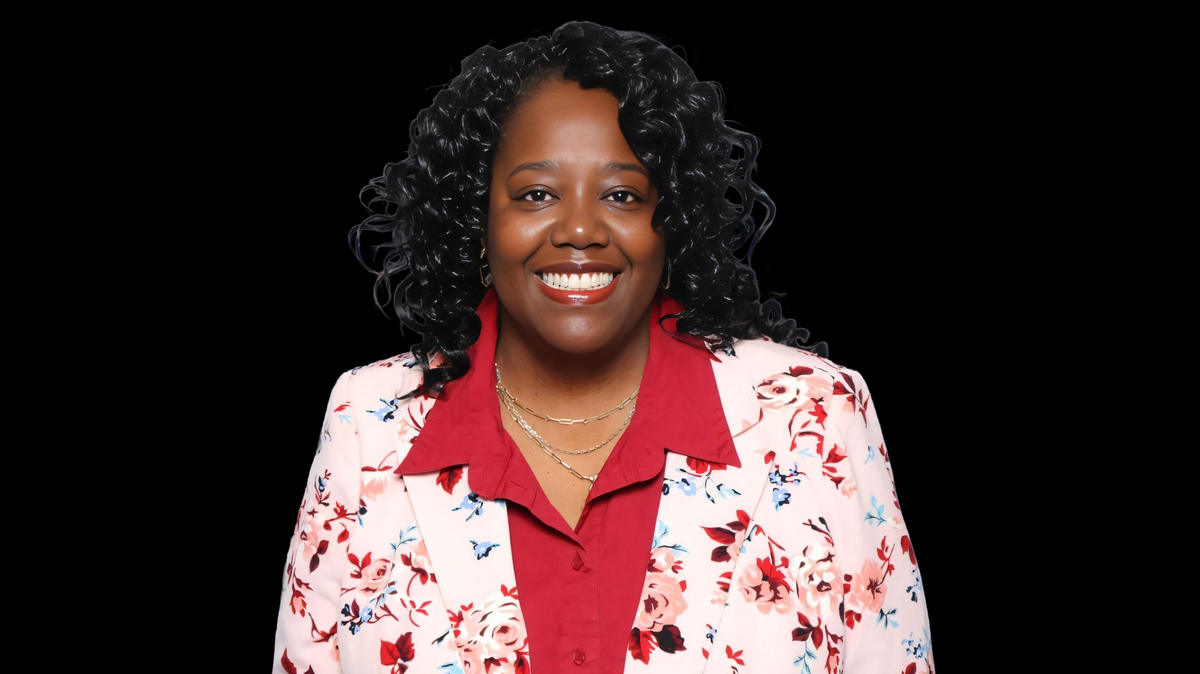
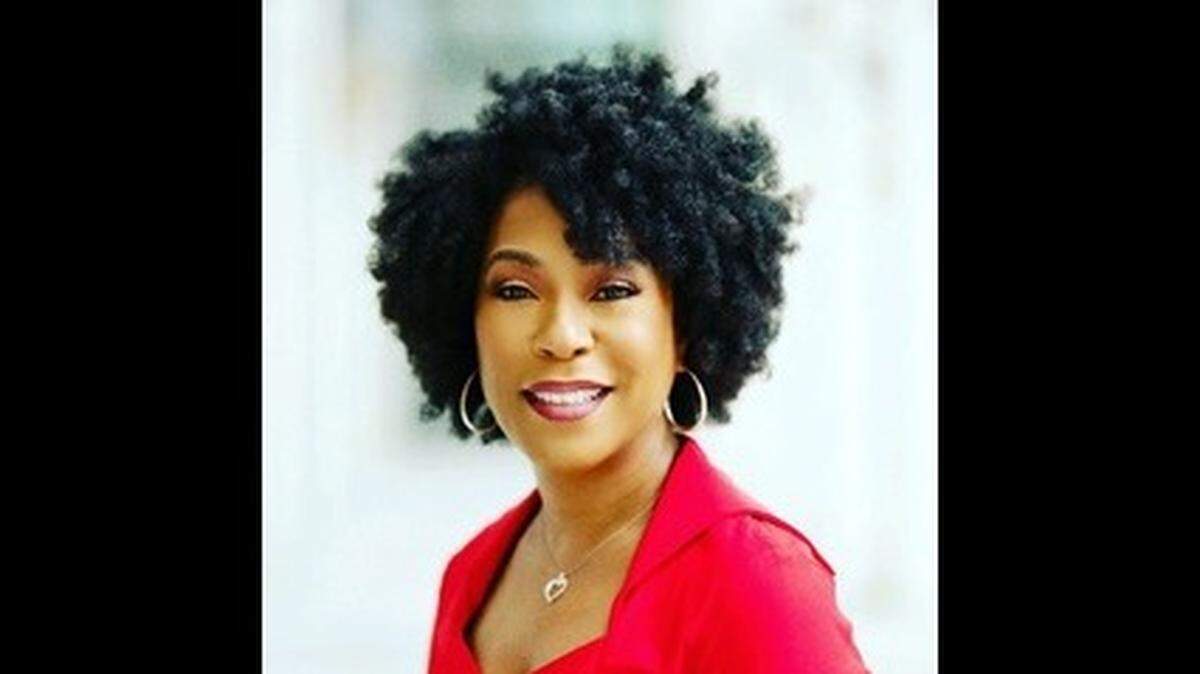
Robin Emmons, Charlotte City Council District 3 candidate, answers our questions
READ MORE
Voter Guide 2025: Read answers for Charlotte City Council at-large
10 people, including all four incumbents, are running in the Democratic primary for Charlotte City Council at-large seats. The top four finishers in the primary will advance to the general election. There is no Republican primary. See answers for all candidates in the at-large race.
Expand All
To help inform voters in the Nov. 4, 2025, election, this candidate questionnaire is available to be republished by local publications in North Carolina without any cost. Please consider subscribing to The Charlotte Observer to help make this coverage possible.
Name: Robin Emmons
Email: robin@robinemmons.com
Political party: Unaffiliated
Which position are you running for on the Charlotte City Council? Charlotte City Council - District 3
Age: 57
Campaign website or social media page: robinemmons.com
Occupation: Former Non Profit ED
Education: Bachelors Degree - Political Science
Have you run for and/or held elected office before? (Please list previous offices sought and/or held)
No
Please list your highlights of civic involvement
Founded a nationally recognized urban farming initiative and honored as a CNN Hero, Eisenhower Fellow, and Aetna Community Hero. Named Communities In Schools Volunteer of the Year, UNC Charlotte Humanitarian Award recipient, and Friday Fellow for Human Relations. Served as TEDx Charlotte and Wake Forest speaker, and honored with the Candace Award for Health Advocacy by the National Coalition of 100 Black Women.
What are the most important issues facing Charlotte, and how would you address them?
Charlotte faces rapid growth, economic inequality, rising youth crime, and displacement. Our infrastructure hasn’t kept pace, and trust in government has eroded. I’ll champion anti-displacement policies, expand workforce and trade pathways, advocate for participatory budgeting, and push for greater transparency—ensuring residents have a voice in shaping a city that works for all of us.
The city of Charlotte provided CMPD Chief Johnny Jennings with more than $305,000 in a deal reached during a private meeting – details of which were not available until news outlets started reporting on the issue. Did the city handle this correctly based on what the public knows about the situation? Why or why not?
I expressed concern about the CMPD Chief’s settlement and the lack of timely public communication. While I respect the need for discretion in personnel matters, clearer messaging could have strengthened public trust. As a council member, I’ll advocate for communication protocols that balance transparency with confidentiality—because trust isn’t just earned at election time, it must be upheld in every decision.
How will you earn public trust in the wake of public controversies that roiled City Council this spring?
I am running as an unaffiliated candidate because I believe trust begins with independence—from party machinery, from entrenched political interests, and from performative posturing. I will earn public trust by being accountable not just for my votes, but for my voice: showing up in community, publishing regular updates, holding open office hours, and making the deliberative process more visible. I will not disappear between elections.
How will you work to improve transparency within city government?
Transparency is not just about releasing documents—it’s about creating understanding. I will propose a “Civic Clarity” initiative: a set of reforms that includes plain-language summaries of major city actions, a public decision tracker, and community briefings led by council members and staff after major votes or crises. We must stop talking about the public as if they’re a problem to be managed and instead treat them as partners to be informed.
The General Assembly has given Mecklenburg County permission to put a referendum on the ballot to raise the county’s sales tax to fund road, rail and bus projects. Will you vote in favor of the referendum? Why or why not?
I’m cautiously supportive of a transit sales tax referendum and continuing to listen—especially to those who rely on transit most. Transit is essential for Charlotte’s future, but it must expand opportunity, not displacement. Sales taxes are inherently regressive, so any plan must include safeguards: fare subsidies, equitable investment, and affordable housing near transit, as examples. Mobility should be a pathway to greater equity—not a benefit reserved for the already privileged. To be clear, I include myself in the latter reference as I own a vehicle and do not rely on public transit as a primary means of transport.
Is there an area where you disagree with your party on local or state issues? Why?
As an unaffiliated candidate, I’m not bound by party agendas—I’m guided by what serves people best. While I respect differing approaches, I believe both major parties tend toward losing sight of the everyday lives behind policy debates. I support campaign finance reform, term limits, and a renewed focus on consensus-building—not just political wins. My commitment is to civic responsibility and principled leadership rooted in community, not partisanship.
What separates you from your opponent(s)?
What sets me apart is that I bring lived experience, grassroots leadership, and deep community roots—not political ambition. I’m not aligned with party machinery or seeking to climb a political ladder. My commitment has always been to service, not spotlight. I believe Charlotte deserves leaders who listen first, act with integrity, and stay connected to the people—not just to platforms, positions, or political aspirations.
What one professional or political accomplishment are you most proud of?
Founding Sow Much Good. Specifically, I’m most proud of helping elevate awareness about food insecurity in Charlotte—highlighting how many of our neighbors are left out of the city’s local food movement and access to a fundamental human need. By bringing attention to this often overlooked issue, I helped spark broader conversations about access, and encouraged more inclusive approaches to community health and investments, not by casting blame, but by calling us “in” to do better together.