
Your IV might be using a recalled additive that could ‘cause stroke and lead to death’
Finding particulate matter in vials of Sodium Acetate Injection caused Chicago-area company Fresenius Kabi to recall seven lots of the sodium additive.
Here’s what you need to know:
What’s being recalled?
Sodium Acetate Injection, USP, 400 mEq/100 mL (4 mEq/mL), 100 mL fill in a 100 mL vial, a sodium additive to IV fluids for people who have or might have low blood sodium levels.
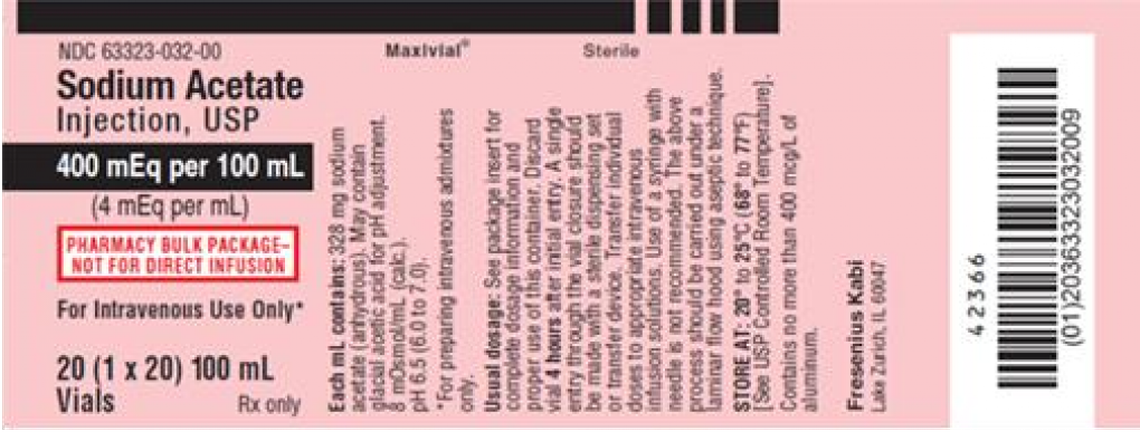
Recalled lot/batch Nos. are: 6124193, 612496, 6124226, expiration 05/2022; 6124532, expiration 06/2022; 6125333, expiration 12/2022; 6125678, expiration 01/2023; and 6126846, expiration 08/2023.
The Fresenius-written, FDA-posted recall notice says these lots were sent around the country to wholesalers, distributors, hospitals and pharmacies.
What’s the problem?
Fresenius found “particulate matter in reserve and/or stability sample vials.” The particulates were made of carbon, oxygen, iron with “trace amounts of sodium, silicon, chromium, aluminum and cellulose.”
Injecting something with particulate matter, the recall alert says, “may result in local irritation or swelling or infection in response to the foreign material. If the particulate matter reaches the blood vessels it can travel to various organs and block blood vessels in the heart, lungs or brain which can cause stroke and even lead to death.”
What should you do now?
If you have the recalled vials, stop using them, separate them and return them to Fresenius with the recall response form on the Fresenius site.
If you have questions about this recall, call Fresenius at 866-716-2459, Monday through Friday, 9 a.m. to 6 p.m., Eastern time.
If this or any drug or drug dispenser causes a medical problem, after notifying a medical professional, let the FDA know via its MedWatch Adverse Event page or by filling out a form you can get by calling 800-332-1088. Then, notify the manufacturer.
This story was originally published March 8, 2022 at 7:58 AM with the headline "Your IV might be using a recalled additive that could ‘cause stroke and lead to death’."
