Small farms, big ideas: NC has a new crop of farmers willing to try something different
READ MORE
Special Report: The New Farmer
Even as the number of working farmers declines, some new growers enter the market. Many don’t fit the profile of traditional farmers and bring fresh ideas to the field.
Expand All
To North Carolinians who have never worked the land, farming is what happens in the fields that vacationers pass along rural roads leading to the mountains or the beach.
Travelers glance at the lush summer growth — corn stretching skyward, tobacco leaves unfurled, soybeans bushing out — and see a landscape largely unchanged from one year to the next, except for the slowly shrinking amount of acreage under cultivation.
But even as the number of working farmers declines, some new growers are entering the field with fresh ideas about what consumers want and how to produce it. Many of them don’t fit the profile of the traditional farmer: they’re younger, they’re women, they’re African American or Hispanic or Asian, or they see in farming a chance to grow a useful commodity but also to do something good for society.
Farming, summed up by extension agents as food, fiber and forestry, is more than a verdant backdrop. With celebrated successes in dozens of other sectors of the economy, it’s easy to overlook the truth that agriculture and agribusiness together still make up North Carolina’s biggest industry, providing jobs for 17 percent of the state’s workforce and generating $91.8 billion in income in 2017. More than 83 percent of farms in the state that year had sales of less than $100,000 worth of goods.
The industry constantly evolves, in ways not obvious to those who get no closer to it than the grocery store produce section or a roadside tomato stand. Once heavily reliant on tobacco and peanuts, growers had to switch gears if they wanted to stay in business as federal support for those crops waned in the 1990s.
Farmers’ willingness to experiment, aided by state-funded research and aggressive marketing, had made North Carolina the third-most agriculturally diverse state in the country by 2010, according to the U.S. Department of Agriculture.
While still the nation’s No. 1 tobacco state, North Carolina is now also a major producer of pork, poultry and sweet potatoes, and farmers have added a vast array of specialty crops: fruits such as kiwi, kumquats and pomegranates, and animals such as alpaca, mink and bison.
Growers in the state are now in the third year of legal industrial hemp production, often planting it in former tobacco fields and using their curing barns to dry it.
As farm ownership has consolidated in recent years, the industry continues to be dominated by middle-age white men. But by nature, farming is a hopeful enterprise, able to draw novices and lure back college-educated progeny who left the land for jobs in cities only to miss the smell of the dirt and the rhythm of the seasons.
July brings sweet corn, green beans, cantaloupe, watermelon and peaches to farmers market booths across the state, reminders of the luxury of living in a place where agriculture thrives. The height of the summer growing season seems a good time to showcase some of the work that happens year-round on the more than 46,000 farms across the state.
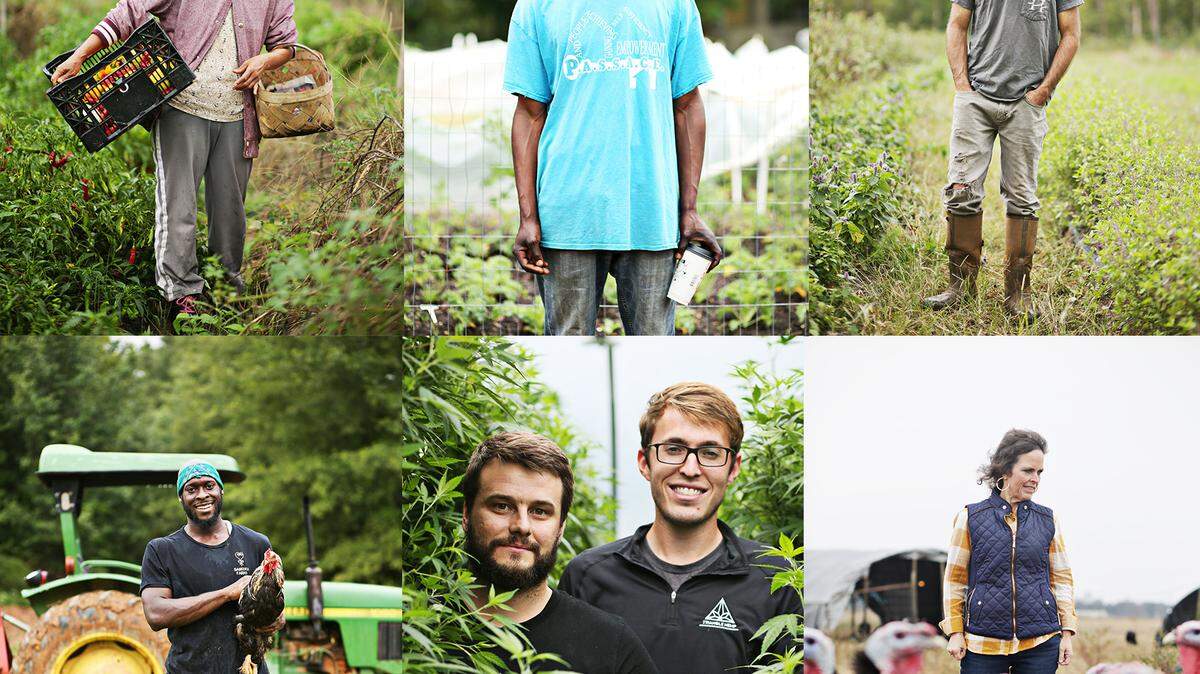
Here are profiles of six small farms in Piedmont and Eastern North Carolina where agriculture continues to diversify: Growers are finding new markets for new crops, and new workers till the soil for sometimes unexpected reasons.
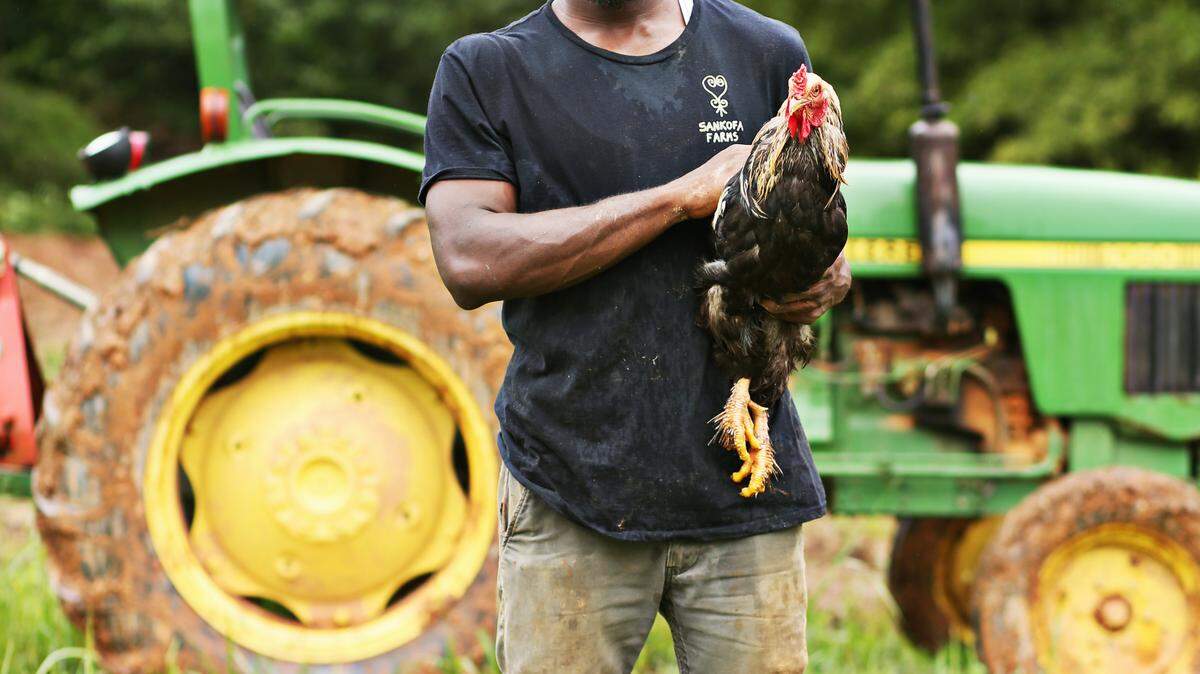
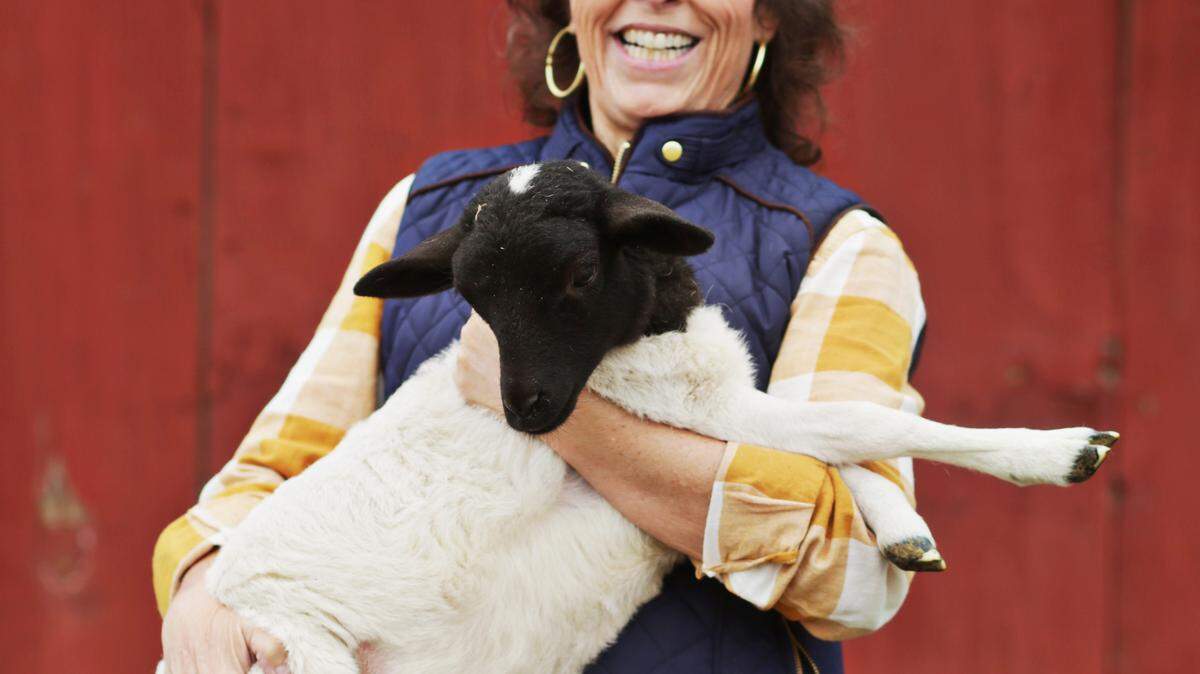
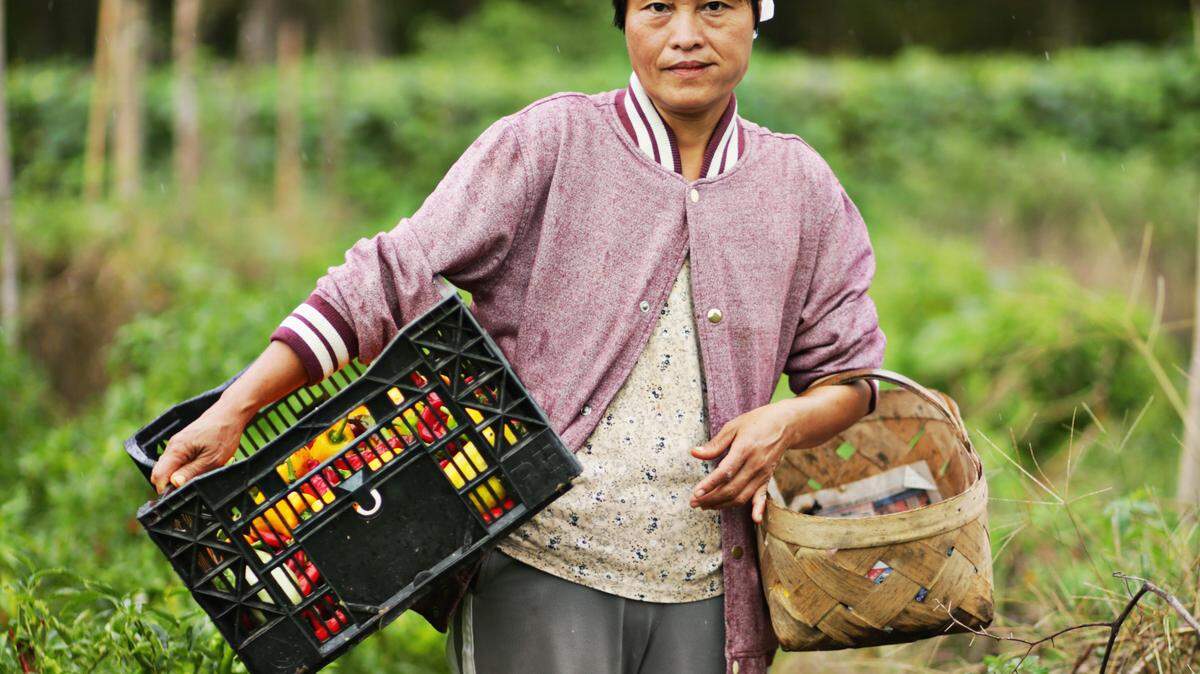
They are Sankofa Farms in Efland, where tending row crops and raising honey bees helps African American boys learn to take care of themselves and others; Rainbow Meadow Farms in Greene County, a livestock operation that relies on old-school husbandry techniques to supply the modern farm-to-table movement, and Transplanting Traditions, which gives an Orange County refugee community a place to honor its agricultural roots.
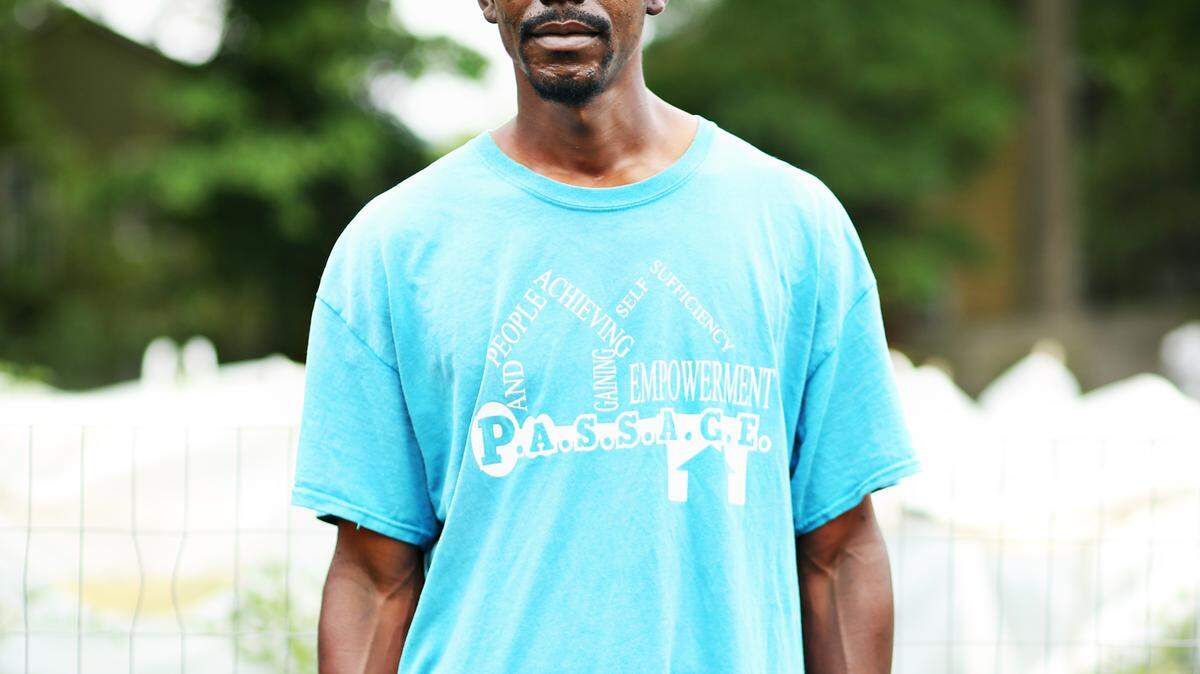
And there’s Passage Home in Raleigh, whose community gardens provide part-time work and job-training skills to try to break the cycle of poverty among the agency’s clients; Triangle Hemp, in RTP, which is testing the economic and medicinal potential in the state’s experiment industrial hemp business, and Benevolence Farm, near Graham, where women who have been incarcerated work toward independence by raising food and flowers and making personal care products to sell.
Links to the farm profiles can be found here:
Rainbow Meadow Farms in Greene County
Transplanting Traditions in Carrboro
Triangle Hemp in Research Triangle Park
This story was originally published July 31, 2019 at 2:21 PM with the headline "Small farms, big ideas: NC has a new crop of farmers willing to try something different."