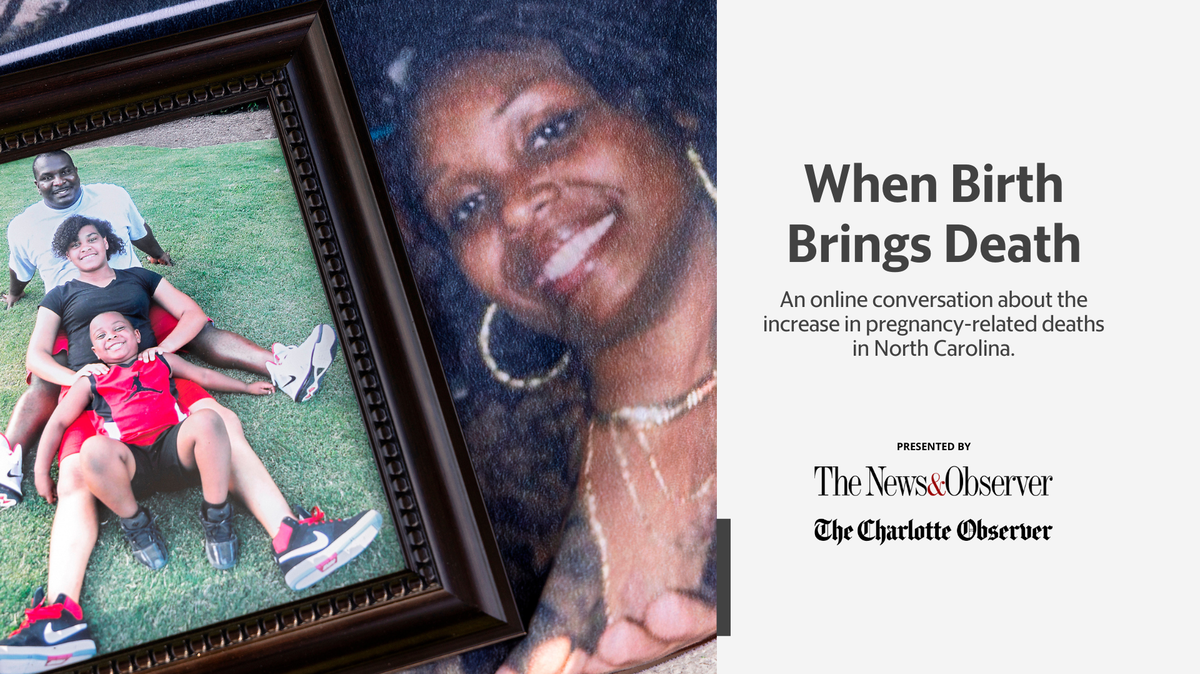

Pregnancy-related deaths open voids in families expecting to celebrate new life
READ MORE
When Birth Brings Death
In a country that has one of the worst maternal mortality rates among wealthy nations, pregnant women in North Carolina are particularly vulnerable. The troubling situation was exacerbated by the COVID-19 pandemic. While there’s been a slight decline in pregnancy-related deaths and severe injuries since their pandemic peak, health experts remain concerned. This News & Observer and The Charlotte Observer investigation explores the data and the emotional impact.
Expand All
It was the worst headache Rachel Barbour had ever experienced.
On a rare afternoon off from her work as a nurse at WakeMed Urgent Care in Fuquay-Varina, Rachel was outside her Willow Spring home in early February 2021 talking with a neighbor when a sharp pain set in.
She’d given birth to her fifth child, Oakleigh, a few months before, and after several weeks of dealing with sporadic blood pressure issues, everything seemed normal again.

Rachel was looking forward to watching her son’s hockey game later that night. A little rest, she told her husband, might keep the headache at bay.
Outside on the phone, Van Barbour heard their goldendoodle Chase barking, agitated by another dog out the window. It couldn’t have been but 30 minutes since they spoke. Worried all that noise would wake Rachel and the baby, he went inside to quiet things down.
In their bedroom, Van found Oakleigh crying in her crib.
“That’s when I went in there and found her,” he said. “I knew something wasn’t right.”
The paramedics and firefighters who arrived at their Willow Spring home that day — many of them friends of the family — worked for an hour to revive Rachel.
“You just sit in there waiting. Like, they’re going to come in here in a minute and say she’s OK. You just think that’s what’s going to happen. But they came in here and said, ‘There’s nothing we can do,’” Van said.
The next few days are hard for him to remember.
“I went from going to a hockey game to three or four days later going to a funeral,” he said.
Paramedics concluded Rachel had a brain aneurysm. The state’s vital records data counts her among the approximately 80 other North Carolina women who died in 2021 as a result of pregnancy-related causes up to a year postpartum.

Maternal mortality in recent years has skyrocketed in North Carolina, a state with a higher pregnancy-related death rate than the U.S. overall.
The numbers may be small. But each death leaves a colossal void.
Van and Rachel Barbour had dated since high school. Married for 15 years, they raised their children like a tag team amid hectic work schedules, school calendars and sports practices.
Then she was gone.
“Everything she took care of, you don’t get to talk to her and say, “What do I do about this?’ You don’t have the answer,” Van said. “You’ve got to figure it all out.”
He had help. From neighbors. Their shared faith in God. His and Rachel’s families, who lived right down the road. He got the kids counseling.
Eventually, he said he allowed himself to grieve.
“It’s just one thing at a time,” he said. “You just keep going.”
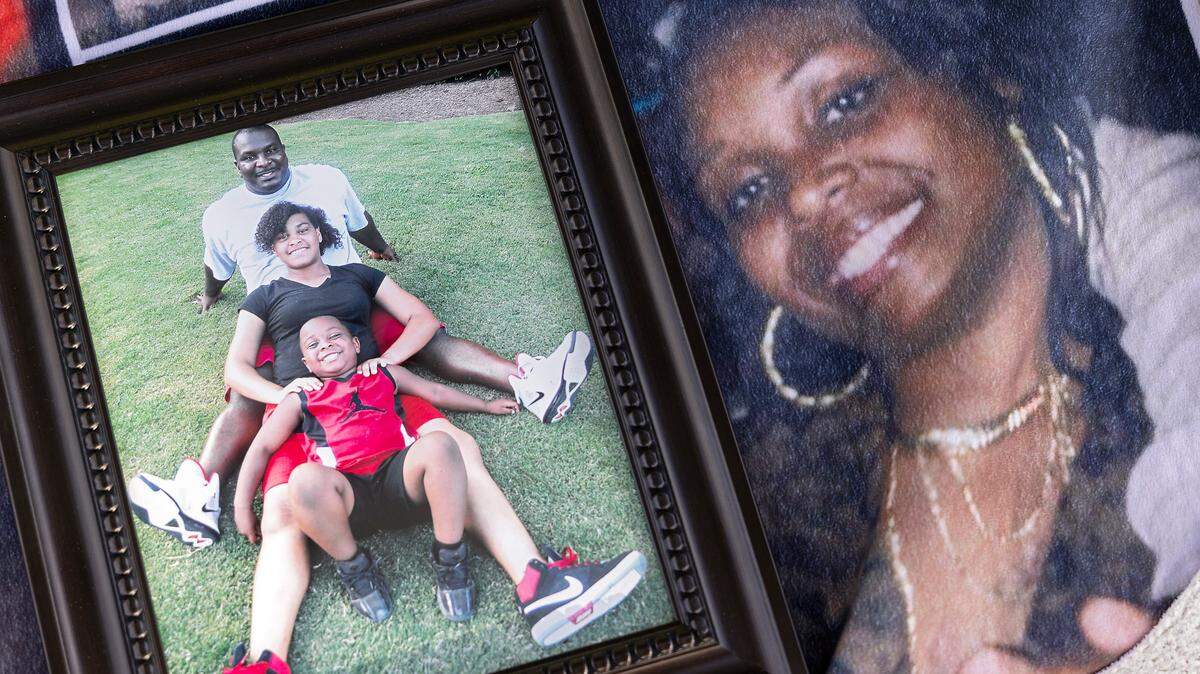
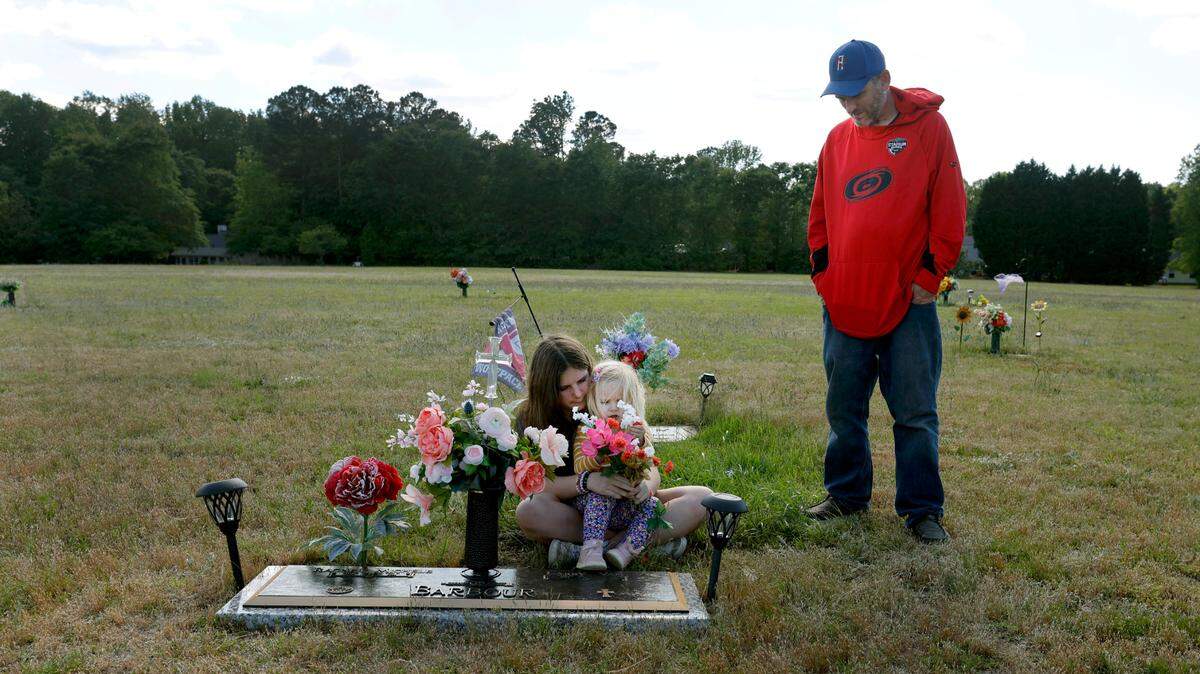
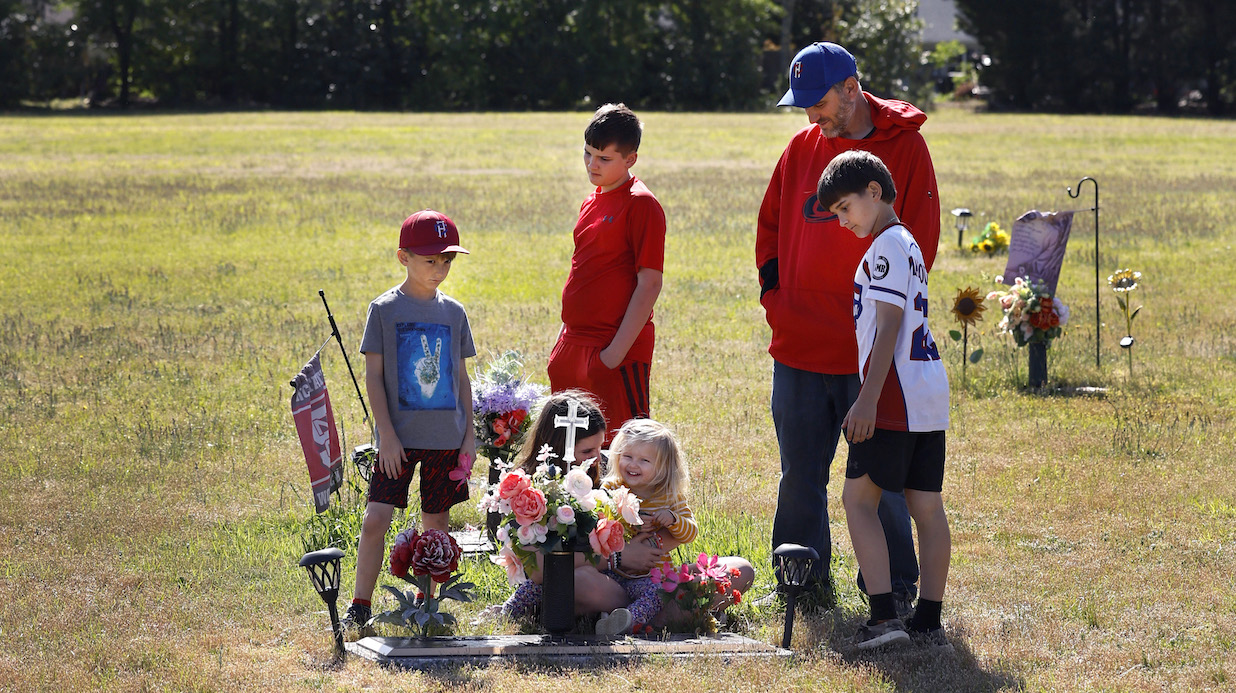
More than two years after her death, Rachel Barbour is still a major presence in her family’s lives. She smiles at them from a family portrait in the living room. They visit her grave just a few miles away often.
Van’s engaged now, to a former neighbor whose children are around the same ages.
He’s reluctant to take much credit for how well the kids are doing.
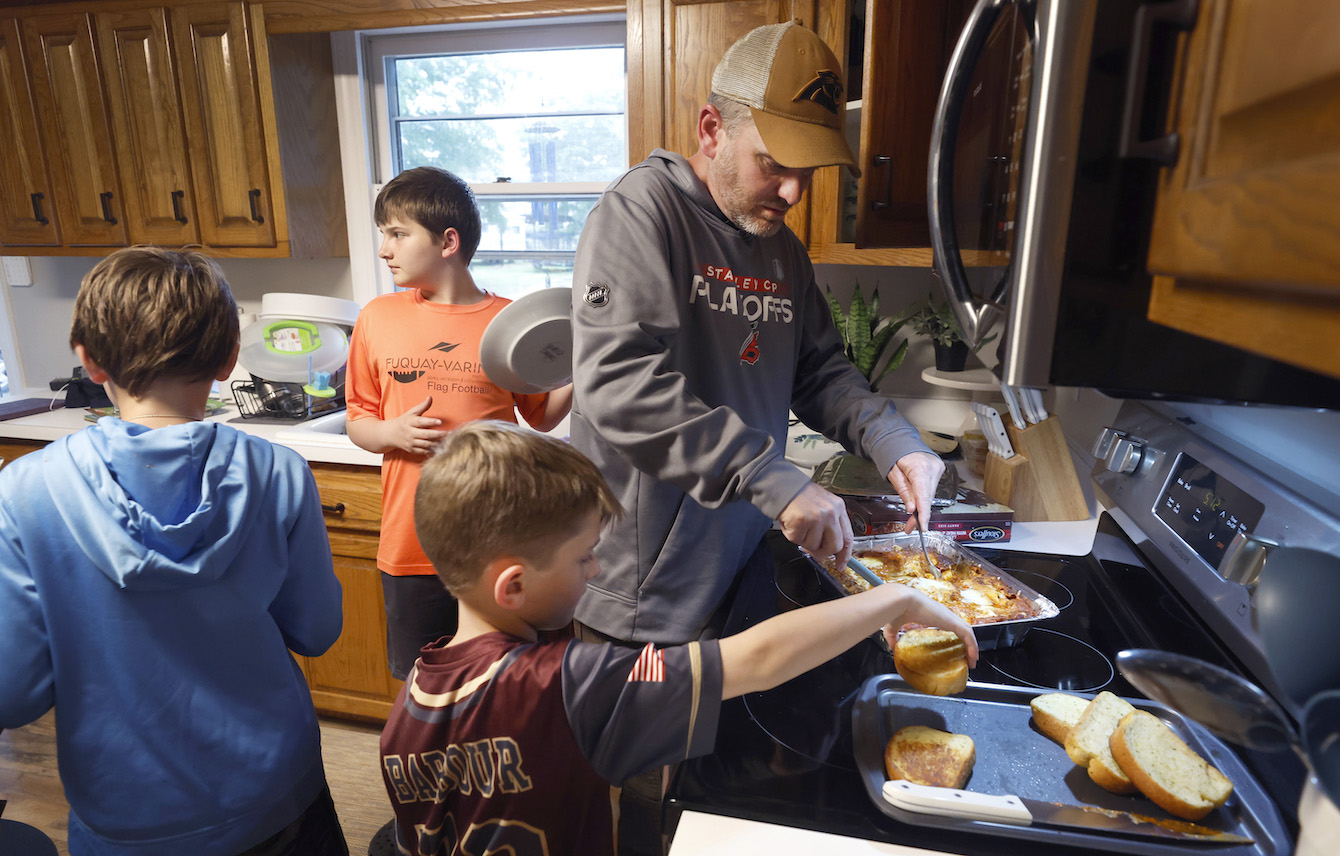
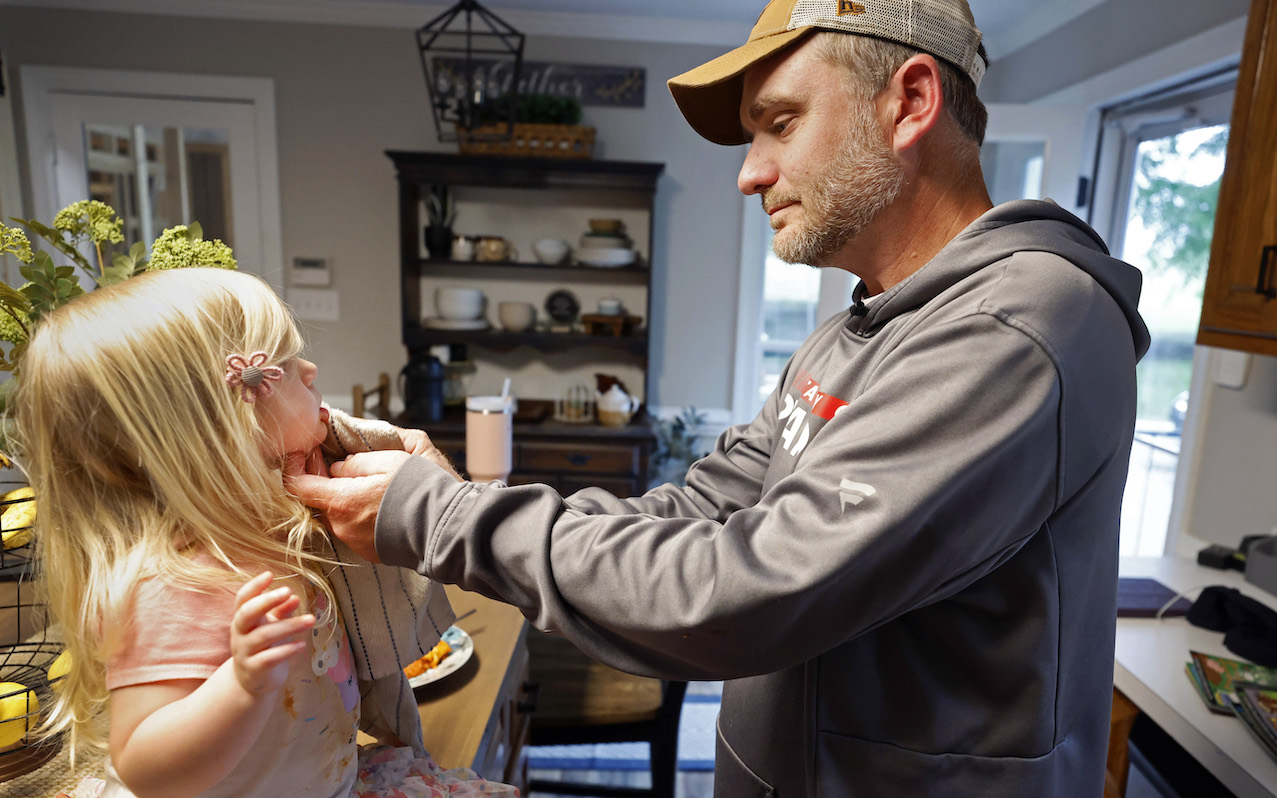
“The whole thing I’ve done has been here for them,” he told the N&O one evening, before they gathered on a rare night off from team practices and other extracurriculars for a dinner of lasagna and garlic bread.
But Van’s fiancee, Heather Armstrong, sees how his children are thriving.
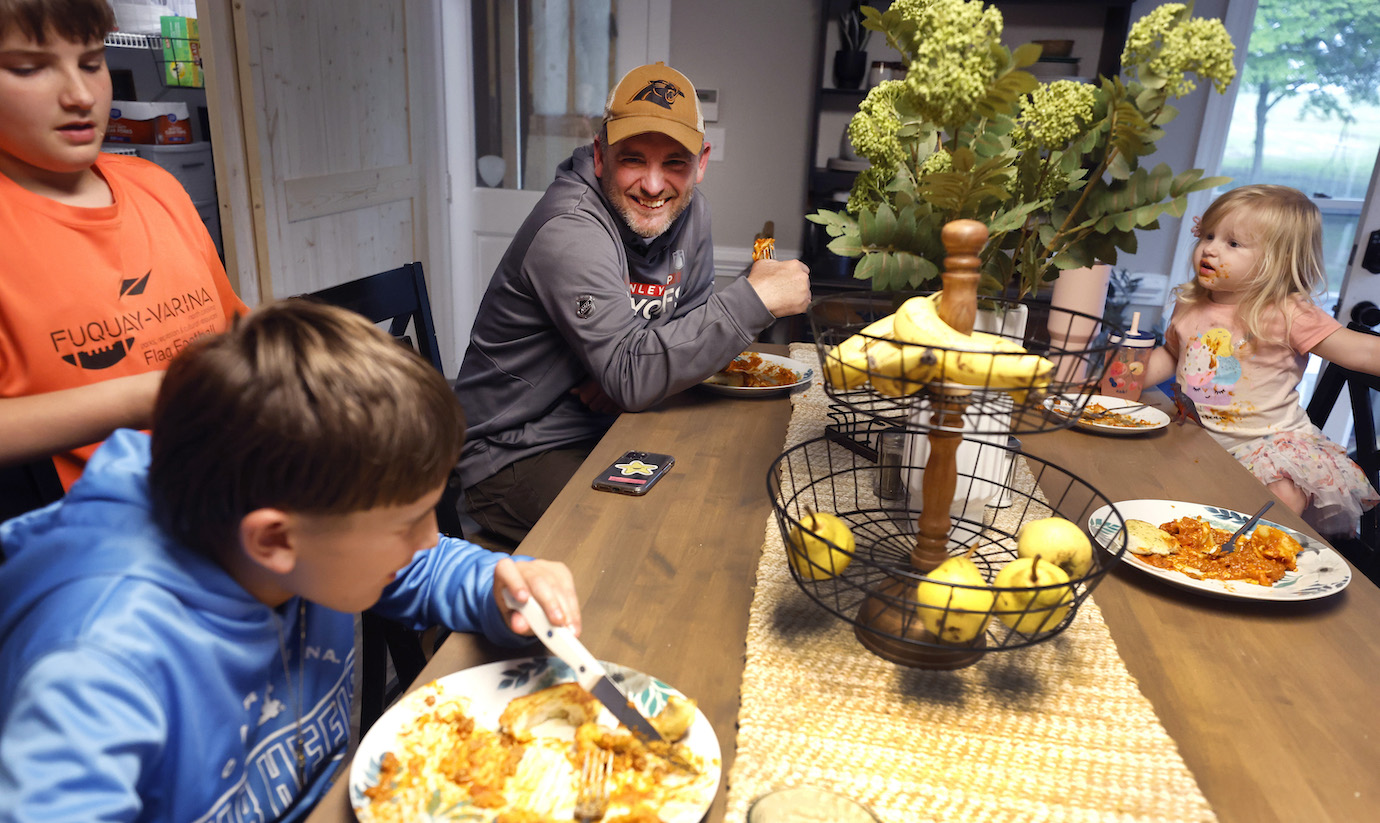
“He’s done a really good job at allowing them to grieve. But also saying, ‘Hey, you can’t stay in this place. You have to keep living for her, because mom would want that,’” Armstrong said.
The Barbours moved a few miles from their old home, planting a dogwood tree in their new backyard in Rachel’s memory. When it bloomed this spring, five delicate ivory flowers sprayed from its spindly branches.
Her five children talk about her often. Oakleigh, now almost 3, has a photo of Rachel above her bed.
“This is Mommy Rachel,” Armstrong tells her. “She’s with Jesus.”
Armstrong tries to be there for them too. But she acknowledges it will never be the same.
“You can’t replace a mama.”
BEHIND THE STORY
MOREHow we analyzed the data on pregnancy-related deaths in North Carolina
Prompted by work from the nonprofit journalism organization MuckRock, News & Observer reporters in early March set out to examine why more North Carolina women are dying of pregnancy-related complications.
There are several ways to count a death as “pregnancy-related.” The N&O used a process from the Centers for Disease Control and Prevention and Marie Thoma, an associate professor at the University of Maryland School of Public Health. It includes deaths within a year of pregnancy where the cause is attributed to one of several pregnancy-related medical codes.
N&O reporters obtained 2018 to 2021 data on these deaths from an online CDC database on the national level and for several states where data was available.
Pregnancy-related death rates are calculated per 100,000 live births, according to CDC vital statistics.
The N&O used the same method to examine racial disparities in these deaths using both CDC data and finalized state death certificate data from the N.C. Department of Health and Human Services through 2021, and preliminary death certificate data from 2022. These numbers differ slightly due to the way they’re counted on the state vs. national levels.
The N&O also obtained data from N.C. DHHS on “near miss” cases – when a pregnant woman almost dies from a list of serious maternal injuries or illnesses.
This story was originally published July 19, 2023 at 6:00 AM with the headline "Pregnancy-related deaths open voids in families expecting to celebrate new life."