
For Asheville breweries, a lack of clean water brings unwelcome trickle-down effects
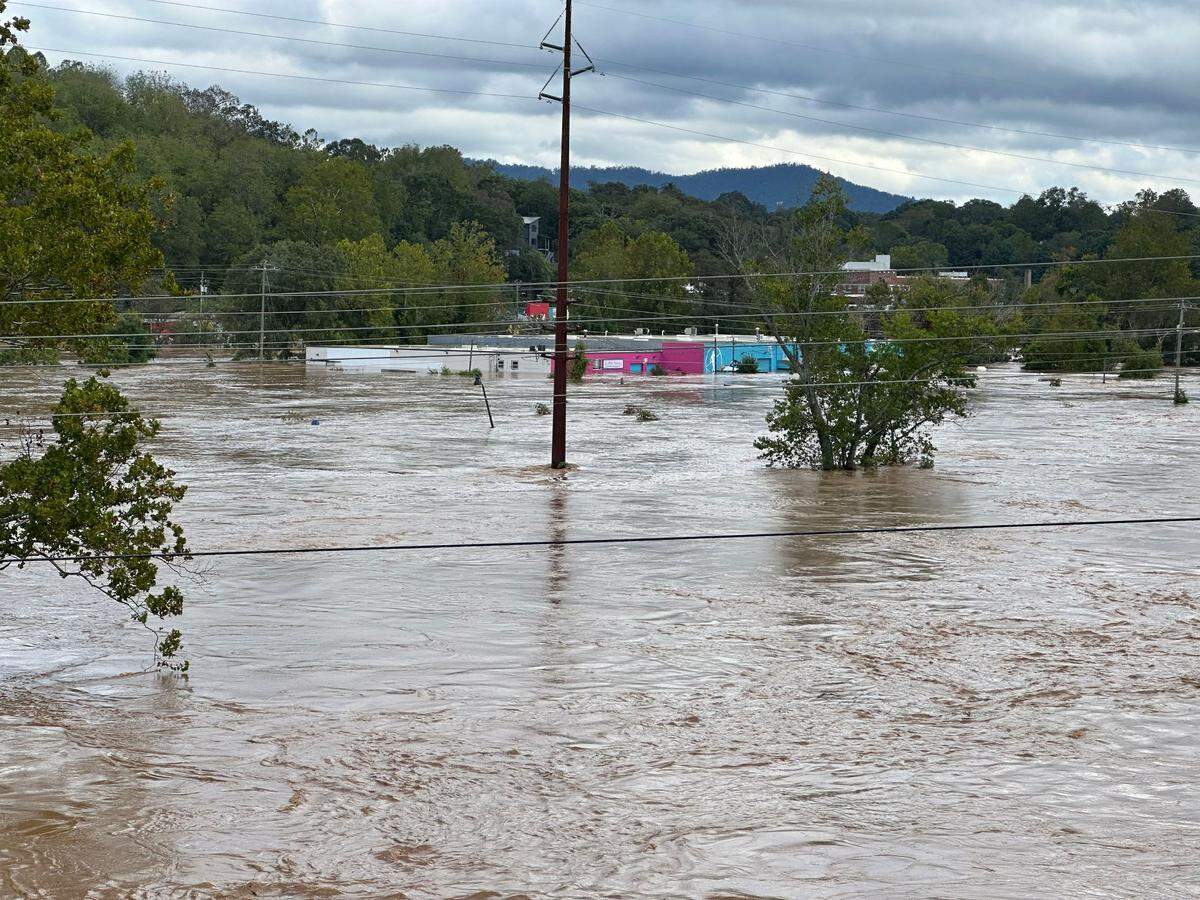
When Helene made landfall in September, it took away the main ingredient to brew in self-proclaimed Beer City USA: water.
Asheville was known for having some of the most pristine water in the country, which helped make the city into a beer mecca. But Helene’s wrath has transformed one of the cleanest supplies of water into what one city spokesperson described as “chocolate milk.”
More than a month after the storm, only non-potable water is flowing through the majority of Asheville. And the city’s brewery industry is looking for new, inventive ways to keep their businesses afloat.
Without a timeline on when water will be restored, fears about the challenges many will face in the waiting period have heightened. In addition to higher costs, owners are dealing with concerns about their workforce returning and the many hours it takes to adapt.
The stakes are high. The Federal Emergency Management Agency says that nearly half of small businesses never reopen after a natural disaster. And some brewery owners say many local businesses were still reeling from the impacts of the COVID-19 pandemic and were preparing for a tough financial winter.
“This crisis is exponentially more challenging than COVID to our brewers,” Clark Duncan, vice president of economic development for the Asheville Chamber of Commerce said.
Vince Tursi has had a frustrating experience trying to run his brewery DSSOLVR without a consistent source of clean water. Every option was accompanied by a potential obstacle.
Tursi said he’s in the process of having a small reverse osmosis filter installed to help him get clean water to brew. But the small filter will make for a time consuming process.
It will take 5 gallons of non-potable water to make 1 gallon of clean water — a much more wasteful process, he says. He’ll only be able to pull 500 gallons a day of clean water compared to 2,000 during a normal time. If he’d known there would be no potable water for five-plus weeks, he would have made other arrangements.
“Trying to figure out how to navigate this is a brand new Tetris puzzle,” Tursi said.
Costly workaround options
The brewery industry in Asheville is massively important. In 2019, breweries contributed $935 million to the city’s economy and was the second largest manufacturing industry, according to a study by an arm of the Asheville Chamber of Commerce.
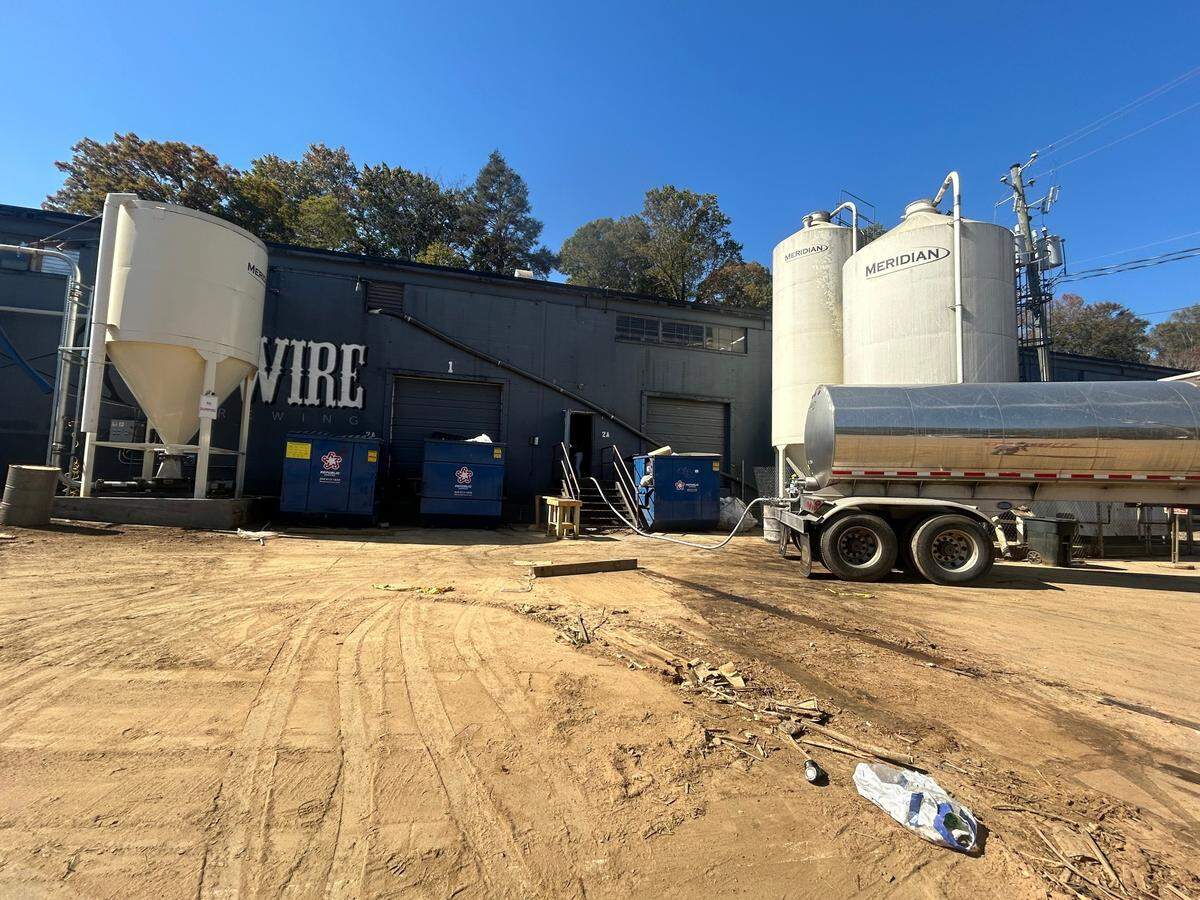
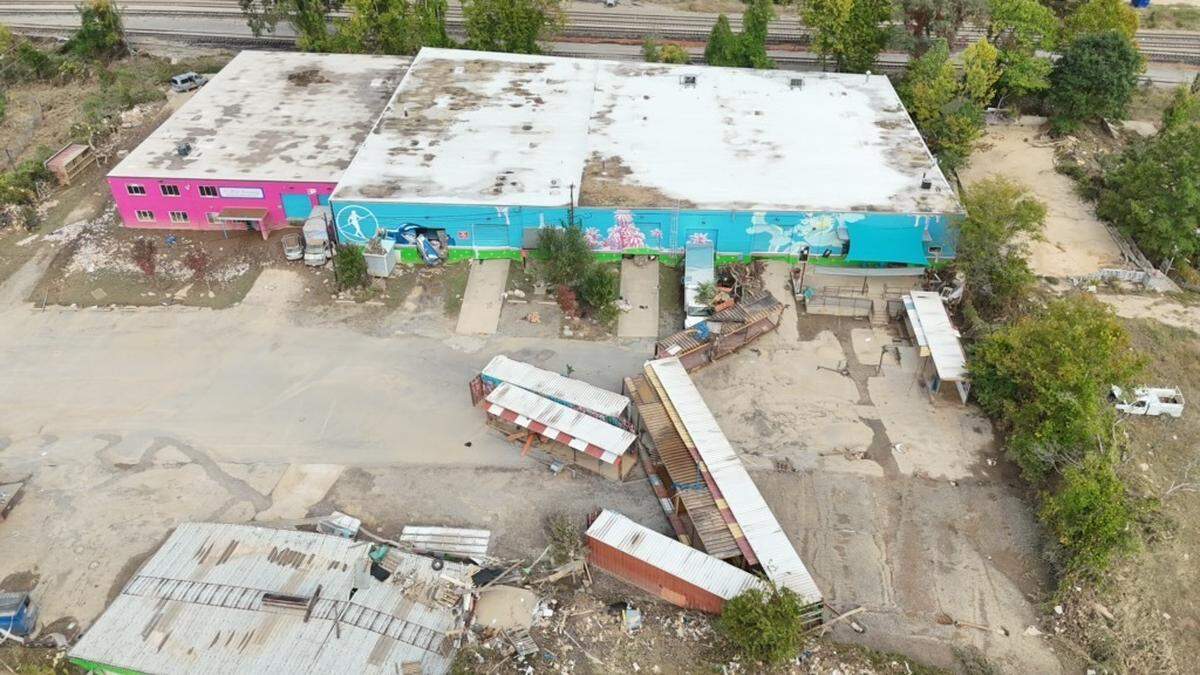
Helene destroyed 90% of Hi-Wire Brewing’s beer at its River Arts location, the brewery’s co-owner Bryna Frosaker said.
While they were able to salvage and are now selling the 75% of finished product from their other locations, she’s now in a position of trying to make sure their taps don’t run dry.
But access to potable water isn’t the problem. It’s affordable potable water that’s impossible to come by.
“Water is readily available. It just costs a good amount of money,” she said.
One option that some breweries are looking toward is buying or renting tanker trucks full of potable water. On average, a standard tanker truck can hold anywhere from 2,000 to 6,000 gallons of water. But locals say they have seen the cost vary widely.
For some of the larger breweries, Duncan said the cost to buy and store a tanker truck on their property can cost anywhere from $50,000 to $70,000.
“That’s a huge burden on any industry to take on for such a short term impact,” Duncan said.
Erin Leonard, spokesperson for the chamber, said that she thinks the high prices are linked to the logistics of transporting large amounts of water.
Dealing with such costs are tough, said Karis Roberts, executive director of the Asheville Brewers Alliance – a group created to promote the city’s breweries, cider makers and craft soda makers.
“It’s really scary,” Roberts said. “I’m sure maybe some people are taking out loans. I really don’t know how they’re able to afford that much.”
The Asheville Brewers Alliance was able to coordinate with Cleveland County and a private trucking company to provide local brewers and restaurants with a limited amount of potable water this week. Hi-Wire is storing this water on behalf of the Alliance, but Frosaker says it would be too costly for them to brew with it.
“Without more affordable total water, it’s not really feasible to brew at this point,” she said.
As a workaround, she has been able to coordinate contract brewing with the NODA Brewing Company in Charlotte, which is making large batches of Hi-Wire’s top-selling IPAs.
Low profits and workforce concerns
Asheville has launched a project to clean sediment from its North Fork Reservoir. It’s installed a giant filtration curtain and is treating water with aluminum sulfate to try to clear the water.
If it works as intended, a pocket of relatively clear water could flow into the reservoir’s treatment plant as soon as next week but delivering clean water to homes and businesses will take longer.
In the wait for consistently clean water, there are other threats to Asheville’s beloved brewery industry. The lack of water has not only hindered brewing, it’s been a massive blow to profits and leaves some unsure about their workforce, owners say.
DSSOLVR is open only four days a week now and making less than 20% of its typical revenue, Tursi said. In the meantime, he’s been working 80 hour weeks, in part to drive finished beers to stores across the state to land more customers.

Asheville, he said, still feels like a “ghost town.” While he understands why tourists haven’t flowed back, customers are essential for his business.
“You know, the message that everybody got was, ‘Do not come to Asheville. Stay away,’” he said. “I understand where everybody else is coming from, but for a tourism economy, that does mean that literally no one is coming and spending money.”
Without the ability to brew, Frosaker said she hasn’t been able to bring much staff back. And some have left town and are assessing if it’s realistic to return.
Potable water is back and flowing in parts of Asheville as the Mills River Water Plant — which largely serves southern Asheville — is now fully operational. Frosaker said with water flowing across town, it puts her in a tough position.
“I’m at a risk of losing my employees across town where they can get a job that pays them now, you know. So it’s just kind of a tough, tough spot to be in to not know when we’ll have potable water, and you don’t really know what decisions to make,” she said.
Young workers — between the ages of 25 and 34 — make up a large portion of the brewery industry’s workforce, according to the chamber’s study. Duncan said losing these workers is among his greatest concerns at the moment.
“Local residents in their 20s are least equipped to handle, you know, financial hardship or furloughs or layoffs, the kind of things that happen in times of crisis,” he said. “There’s a significant concern about how we can retain that young, educated talent that is fueling this and many industries across the area.”
It’s too soon to know the long term impact on Asheville’s brewery industry. But FEMA saying that nearly half of small businesses don’t return after a natural disaster has been “deeply concerning,” Duncan said.
Yet this crisis has exposed the resilience of Asheville’s brewing industry, Duncan said. Many breweries like Hi-Wire and DSSOLVR are open and welcoming customers. And several are helping each other by storing and giving away water.
Despite the destruction and tragedy, Roberts said she feels hopeful for the path forward.
“With tragedy, there’s usually some kind of rising of the ashes in the Phoenix situation where there can be hope and there can be rebirth,” she said. “And I’m hopeful that that can happen here.”
This story was originally published November 1, 2024 at 6:00 AM.