Mice commonly stir in NC homes when it’s cold. Signs they’re around (+ how to keep them out)
READ MORE
What to know about cold weather & winter storms
Here’s everything to know about super cold weather and winter storms headed our way: forecasts, power outages, closings, snow cameras, winter prep, safety and more.
Expand All
Cool weather is here in North Carolina, which means you’re more likely to find house mice in your home.
Though they can be present year-round, house mice are more likely to appear during the colder months because they can find more resources in your home than out in nature, Michael Cove, research curator of mammalogy for the NC Museum of Natural Sciences in Raleigh, told The News & Observer last year.
“This is not an issue where people are irresponsible with food storage or have gaping holes on the outside of their homes,” Cove said. “It’s an ubiquitous issue and will happen to pretty much everyone at some point.”
Here’s what to know about keeping out the house mice this fall.
What are house mice?
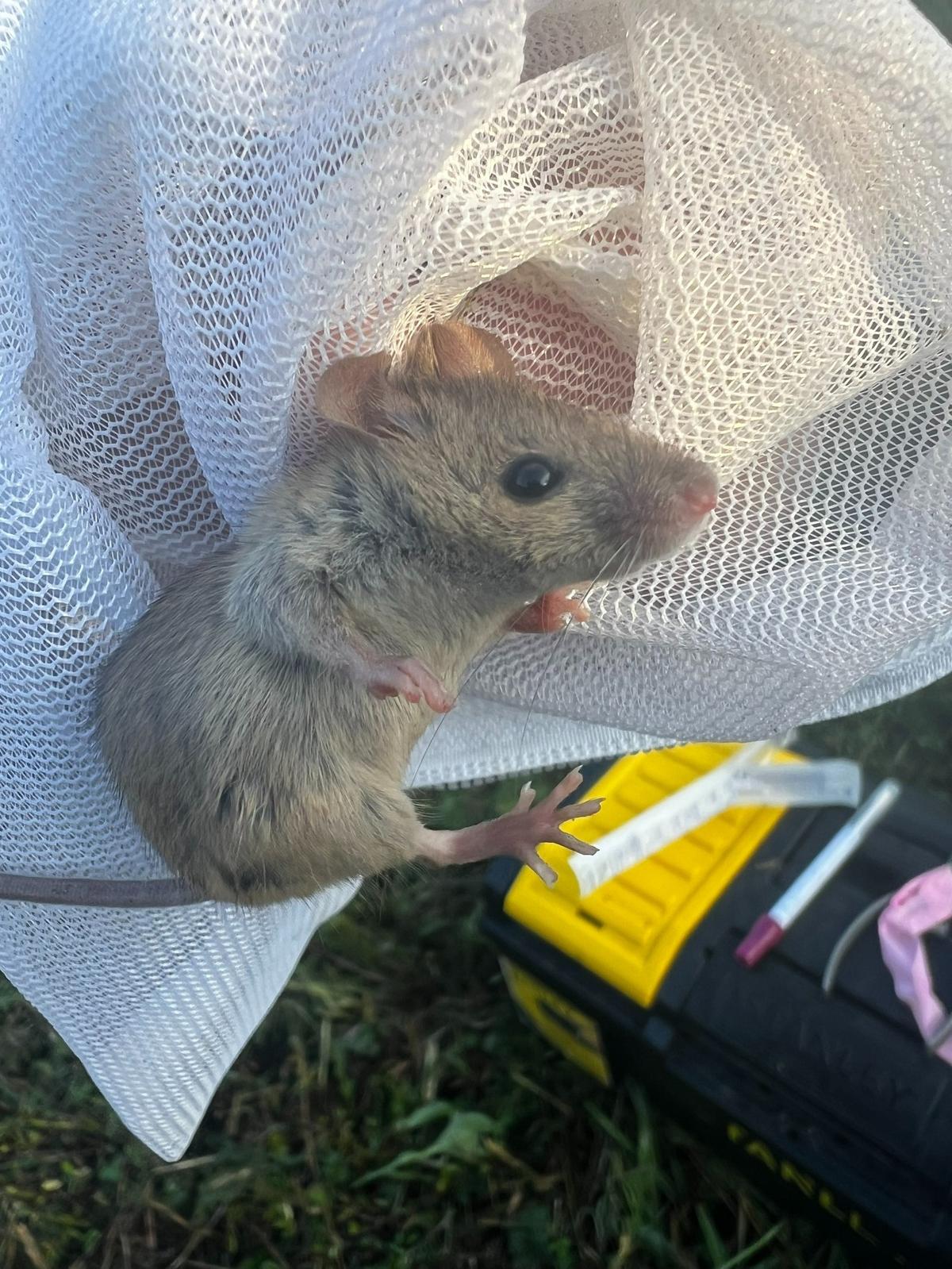
The house mouse is a non-native mouse species that lives on all seven continents.
They are originally from Europe and have evolved over thousands of years to coexist with humans and mooch off of our resources, Cove said.
“As the name suggests, they have co-evolved with humans and followed us around the globe. Basically ever since the dawn of agriculture, when humans started storing crops.”
What time of year do house mice come out?
House mice can emerge inside your home year-round, Cove said.
“House mice are really good at capitalizing and finding resources, especially in our homes, since they don’t mind humans. They know that humans equal food,” Cove said.
In the spring and summer, they are often outside, benefiting from the resources of nature. But in the fall and winter, they spend more time inside and hunker down.
Are house mice bad for your house?
Yes. House mice, which are considered pests, can carry diseases and cause food waste.
House mice can also cause structural damage to homes by gnawing on insulation inside walls and attics, and damage to large electrical appliances by chewing wiring and insulation, resulting in short circuits, fire hazards, and other costly malfunctions, according to the Internet Center for Wildlife Damage Management.
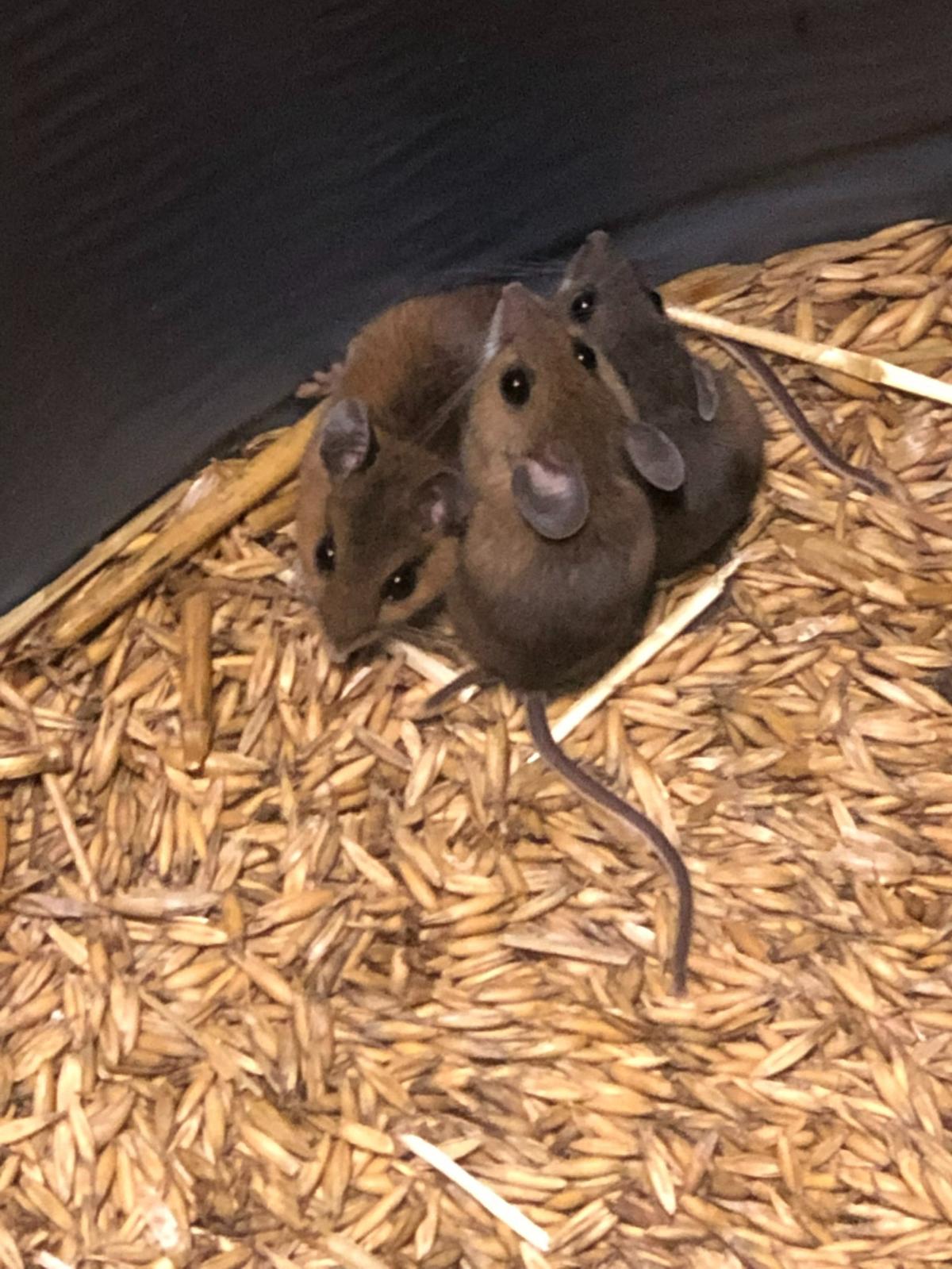
North Carolina has dozens of native mice species that don’t come anywhere near our homes, Cove said, but house mice are a common issue. In fact, the white-footed mouse is presumably the most numerous native mammal in our state.
What are some signs house mice may be in your home?
Here are some signs, according to Modern Pest, a national pest control company:
You hear squeaking and scurrying in walls and ceilings.
There’s a musky odor.
Droppings and urine stains are present. Common areas to find these are kitchen drawers, under stoves and under sinks near the plumbing.
Tracks are visible on dusty surfaces. Not just footprints, but tail marks too.
Smudges are present on structures like walls, pipes and beams.
You can see gnawing on doors, corners and other materials.
You find piles of wood shaving from the gnawing.
How can you get rid of house mice in your home?
Here are some ways you can get rid of mice in your house, according to pest control company Terminix:
Eliminate entry points: Seal cracks in your foundation, openings in your walls, and use weather stripping to seal door and window gaps.
Use mouse traps: Wooden snap traps can be effective, but they may not catch all the mice in your home.
Use good bait for mouse traps: Chocolate, peanut butter, bacon, oatmeal, dried fruit or hazelnut spread work best, and you should replace with fresh bait every two days.
Make sure your traps are placed properly: Place the traps perpendicular to walls with the trigger section facing the baseboard.
If you’re having a persistent problem with house mice, you should contact a licensed pest control expert to get rid of them, Terminix advises.
Kimberly Cataudella Tutuska’s reporting contributed to this story.
This story was originally published December 6, 2024 at 10:00 AM.







.JPG)