NC shooting victims land a different kind of justice: big settlements with landlords
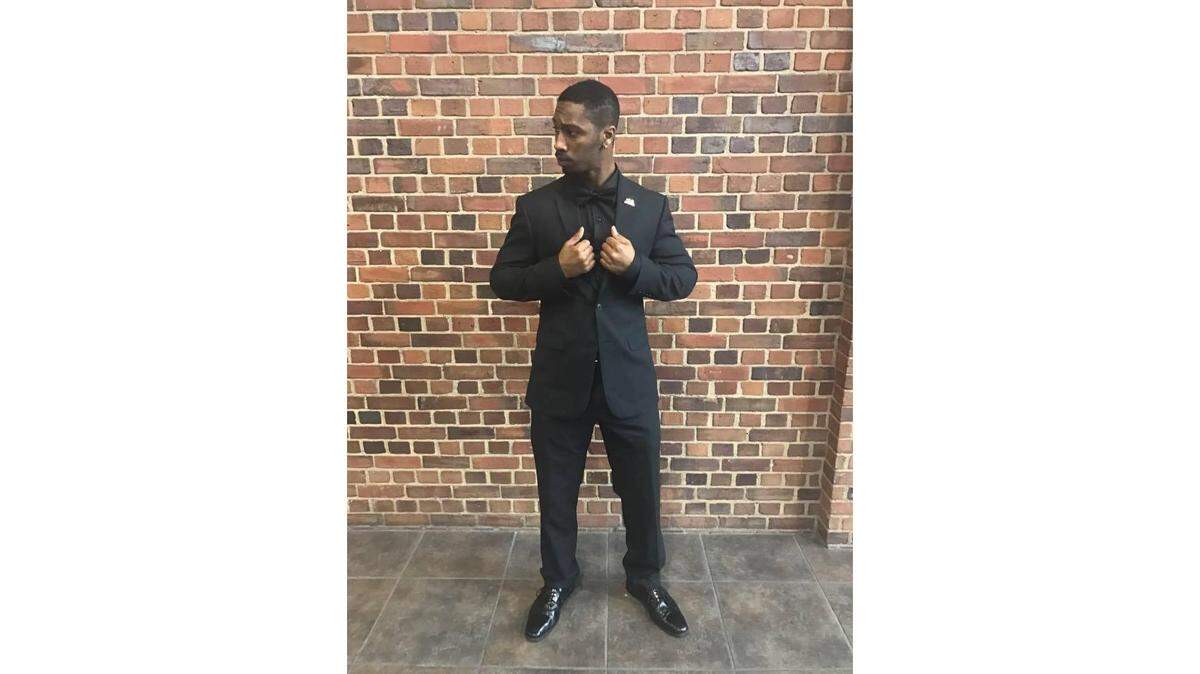
On his way to change clothes for a family reunion, Perry White parked his Dodge Charger at his Durham apartment complex when three men with assault rifles and a pistol confronted him, and tried to take his car.
Nearly two years later, two men charged with shooting White at a property with a history of violence, including killings, still await trial in a criminal case.
But White successfully sought a different kind of justice with a civil lawsuit, one that landed a $15 million settlement.
The evidence revealed a “pattern of serious criminal activity at the complex, including shootings, home invasions, drugs and vandalism,” states a North Carolina Lawyers Weekly announcement of the sizable court-sealed settlement that didn’t name the plaintiffs or defendants.
The News & Observer confirmed that the lawsuit was related to a shooting that occurred April 15, 2022 at a complex currently known as Cadence at RTP, the same place where a security guard shot and killed a North Carolina Central University student in 2018. A NCCU freshmen football player was also killed there in 2020.
Court records indicate that the complex may have also settled with a mother whose son was killed at the complex in February 2022.
.JPG "RAL_20200303_vandykevigil_CAT_063 (1).JPG")
It’s uncommon for people who have been harmed by violence on commercial property to file “premises-liability” lawsuits, said Valerie Johnson, a Durham attorney whose clients negotiated a $6 million premise liability settlement against a Greensboro apartment complex in 2023.
The lawsuits are possible because state law requires that landowners keep their premises “reasonably safe” in common areas, not only for residents, but for employees, delivery drivers and visitors, said Johnson.
That’s true for properties located in high-crime areas, the lawyer said. It would be unreasonable if a company didn’t take action to keep its residents and visitors safe, she said.
“The law says there’s an affirmative duty to take action,” she said.
A benefit is that landlords, especially ones that cater to college students, are pushed to ensure they are providing a safe environment.
“The goal is to ensure there are fewer and fewer of these calls that come sometimes in the middle of the night about a tragedy that could have been prevented,” Johnson said.
Holding property owners accountable
The negligence argument at the heart of premises-liability lawsuits is handed down from English common law precedents and clarified in state laws, such as those that outline landlord responsibilities to keep tenants and others safe.
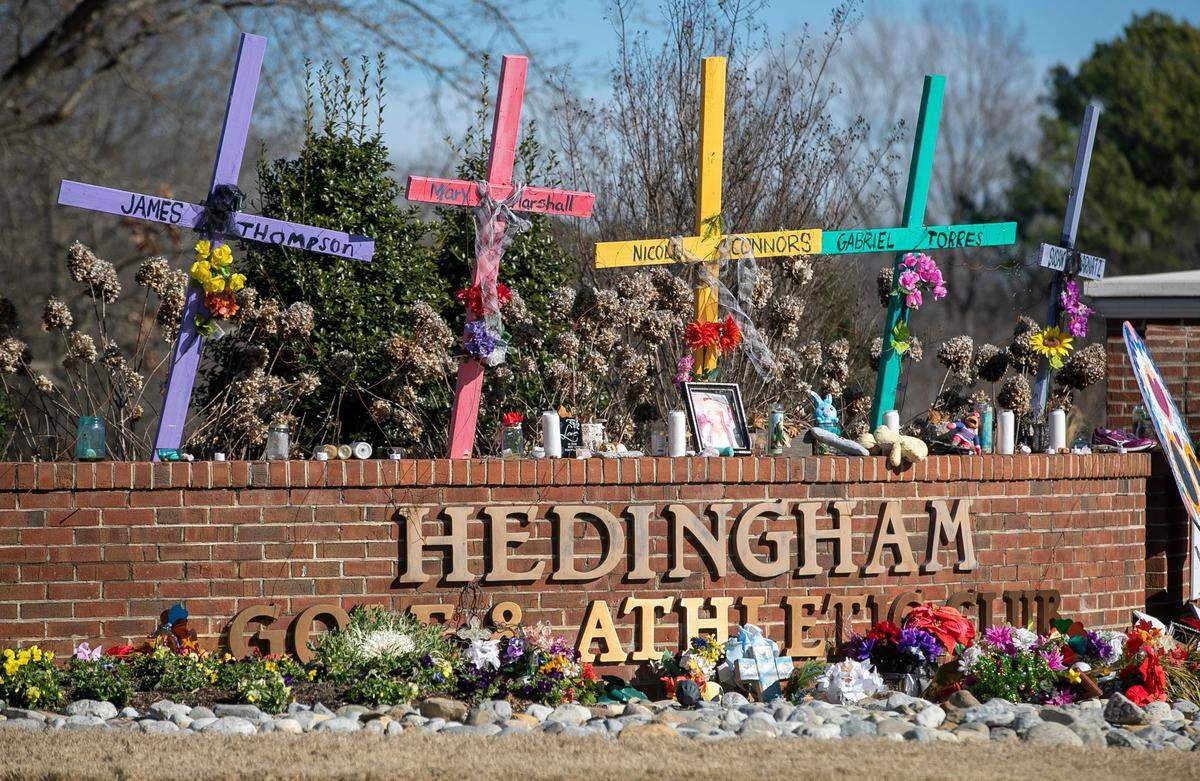
Some recent high-profile cases in North Carolina include one filed against the Hedingham Neighborhood Association, a security company and others. A mass shooting and knife attack at Hedingham in October 2022 killed five people and injured two others. The parents of the teenager who is awaiting trial for the deaths are also named in the lawsuit.
Earlier this year, a man from Mississippi filed a federal lawsuit against Marriott International, claiming he awoke at Charlotte Marriott City City Center in 2022 to a man sexually assaulting him. The man alleges the hotel’s locks failed to work and seeks $160 million, the lawsuit states.
Unless the cases go to trial, the public likely won’t know about the outcomes.
Plaintiffs and defendants keeping these settlements confidential is “pretty routine,” said Kevin Foy, an NCCU law professor. Often victims are ready to move on, and companies aren’t interested in the publicity, he said.
However, a 2023 $6 million settlement with a Greensboro apartment complex where two college students died in 2016 was made public after the families demanded that, said Johnson, who represented the families.
Ahmad Campbell and Alisia Dieudonne in 2016 had attended a party at a Campus Evolution Villages apartment in Greensboro, where a shooting unfolded outside. Bullets pierced the walls, killing the two North Carolina Agriculture & Technology students.
Despite previous violent crime in the area, apartment managers cut their security budget months before the students were killed, Johnson said.
The slain students’ families wanted it known that the young men were completely innocent and killed only because they were at the wrong place at the wrong time, said Johnson.
A history of violence at Campus Crossings
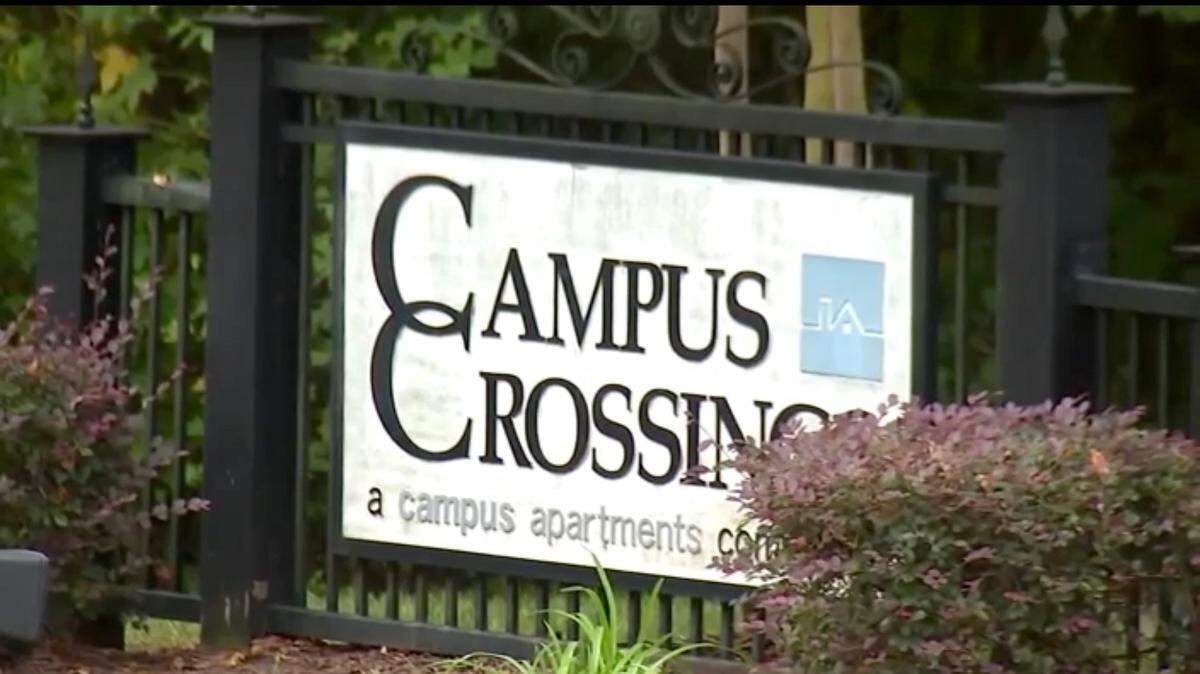
The Durham apartment complex at 1400 East Cornwallis Road, where White was shot, has had a history of violence and other crimes for years.
The complex at one time marketed to North Carolina Central University students under the name Campus Crossings but is currently called Cadence RTP.
Since 2013, at least 11 people were shot at the property on 1400 East Cornwallis, and four of those died, according to police records.
In a February 2022 shooting, four people were injured and two were killed, including Aaron Bailey, during a home invasion.
The Philadelphia apartment company that catered to college students sold what’s now called Cadence at RTP to the San Diego based management company ColRich in May, according to Durham County property records.
ColRich didn’t return phone messages and emails from a News & Observer reporter.
The previous owners also did not respond to requests for an interview or information on security upgrades submitted to their attorney.
Lax security in play, suits say
Various factors contribute to successful premise-liability lawsuits but plaintiffs must prove negligence.
In a lawsuit against Cadence RTP, Aaron Bailey’s mother pointed out that the complex advertised a gated apartment complex with surveillance and “courtesy officers.”
White’s lawsuit states that Cadence RTP closed the front entrance due to construction and let vehicles into the apartment complex through an unmonitored back entrance.
In addition, security officers often didn’t wear uniforms to help deter crime in the complex, whose partially completed fence had many gaps, allowing people to slip onto the property undetected, White’s lawsuit states.
The White lawsuit also criticized the complex for failing to provide adequate security and surveillance while, “permitting or ignoring criminal activity.”
The complex should have known that unabated violent crimes would lead to someone getting killed or seriously injured, it lawsuit states.
In response to Bailey’s lawsuit, the company argued that they were aware of criminal activity but took steps to make residents safer.
Bailey and White were partially responsible for their injuries, the company also argued in court filings without offering specific details.
A common hurdle for North Carolina liability lawsuits to overcome is a claim that plaintiffs contributed to the danger they faced. While the great majority of states have rejected that move, North Carolina law states that if victims contributed to the harm, even in the slightest way, they aren’t eligible for compensation. .
“If that person didn’t act reasonably to protect their own safety, then the law would just dismiss the claim entirely,” Foy said.
Crime continued at complex
When White pulled into his apartment complex in April 2022, he saw the three armed men approaching him, according to the lawsuit. As white grabbed his own gun, the men opened fire. He fell to the ground, and one man ran over him as he fled.
One of the alleged robbers was killed in the shooting, the lawsuit states.
Reports of violence at the complex continued after that confrontation, according to police reports. In June, three people were shot, including a 2-year-old child, who died at a hospital eight days later. In a news release, Durham Sheriff Clarence Birkhead called the shooting “random.”
When asked whether the family would have a good premises-liability case, attorneys stressed that each case is fact specific.
Judges and juries would hear why the victims were there, and whether they had a reasonable expectation that they’d be safe.
Even if the owners are new, they have a responsibility to review the crime numbers and take reasonable measures to keep the complex safe, Johnson said.
“Who decides what’s reasonable? The jury decides,” Johnson said.
Unless the accuser and the accused settle before a case gets in front of a jury.
Virginia Bridges covers criminal justice in the Triangle and across North Carolina for The News & Observer. Her work is produced with financial support from the nonprofit The Just Trust. The N&O maintains full editorial control of its journalism.
This story was originally published December 20, 2024 at 5:30 AM with the headline "NC shooting victims land a different kind of justice: big settlements with landlords."