
NC getting $1.6B from feds for Helene recovery to rebuild homes, businesses and more
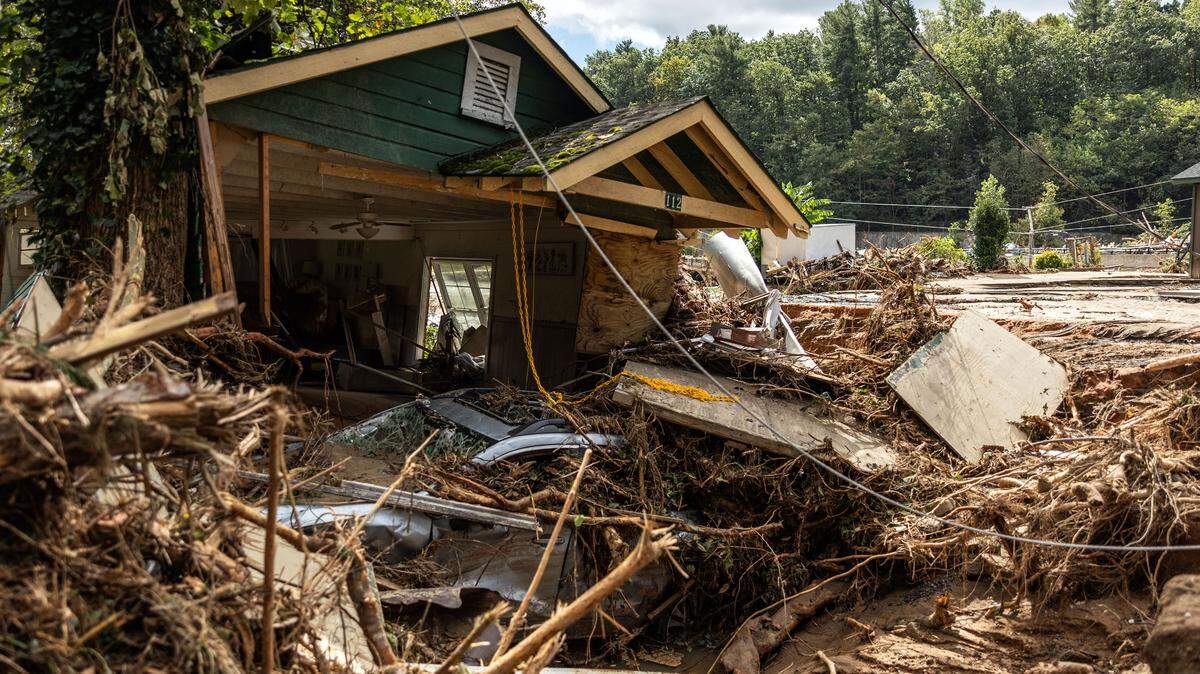
North Carolina will receive $1.6 billion in federal grants to help rebuild communities ravaged by Helene, the U.S. Department of Housing and Urban Development announced Tuesday.
The money can be used to help rebuild homes, develop affordable housing, help small businesses, and repair roads, schools, water treatment plants and other critical infrastructure, said Adrianne Todman, HUD’s acting secretary, who announced the latest government relief funding with N.C. Gov. Josh Stein in Asheville.
The money for North Carolina — which includes $225 million for the city of Asheville — is part of a $12 billion package of Community Development Block Grant funds that will go to 24 states and territories to help with disaster recovery.
“These funds are critical – with tens of thousands of houses damaged or destroyed, more than 12,000 western North Carolinians are without safe housing,” HUD said in a news release.
The money can be used by both residents and business owners who were hard hit when the late-September storm brought catastrophic flooding and landslides to Western North Carolina, HUD said.
“Today’s announcement comes at a critical time,” Stein said at a press conference at Mountain BizWorks, an Asheville nonprofit that supports local entrepreneurs and small businesses. “Temperatures are plummeting in these beautiful mountains. Keeping people safe and warm as we rebuild from Hurricane Helene is essential.”
The grant money will initially go to the state of North Carolina, and the governor’s office will devise a plan for how to distribute it, HUD spokesperson Zachary Nosanchuk said.
“When I joined my other cabinet members and made the case for these funds, I said it was a moral imperative that leaders respond swiftly and provide funding to the people who need it most,” said Todman, a member of Democratic President Joe Biden’s cabinet. “Now that we have these funds, I turn to the leaders here and say, ‘Now, we’ve got to hit the ground running.’”
Republican U.S. Sen. Thom Tillis of North Carolina called the grant money “a crucial step” in the long journey toward recovery for the western part of the state.
“I am proud to have worked alongside my colleagues to bring this essential aid to those who need it most,” Tillis said in a news release.
‘Coldest months of the year’
FEMA, the federal agency focused on disaster response, generally doesn’t provide direct financial assistance to businesses for rebuilding after disasters.
The U.S. Small Business Administration does provide low-interest loans to businesses to help them repair or replace damaged property. But some small business owners in Western North Carolina have said they want grants, not just loans, to help them reopen or stay in business.
Following the COVID-19 pandemic, many business owners have been hesitant to take on additional debt.
Helene’s floods and mudslides damaged more than 70,000 homes in North Carolina, according to an assessment by the Office of State Budget and Management. FEMA has committed tens of millions of dollars for displacement assistance, and thousands of families checked into hotels after the storm.
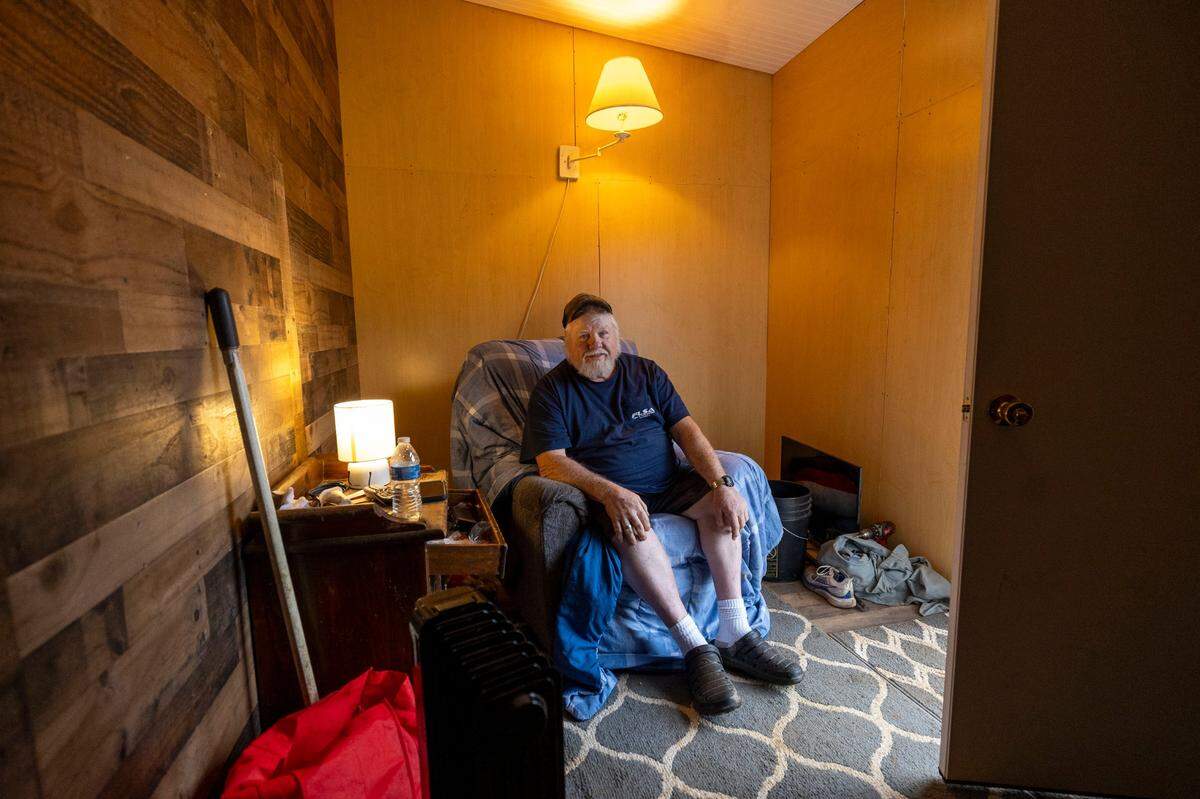
More than 12,000 people remain displaced in Western North Carolina, Stein said Tuesday.
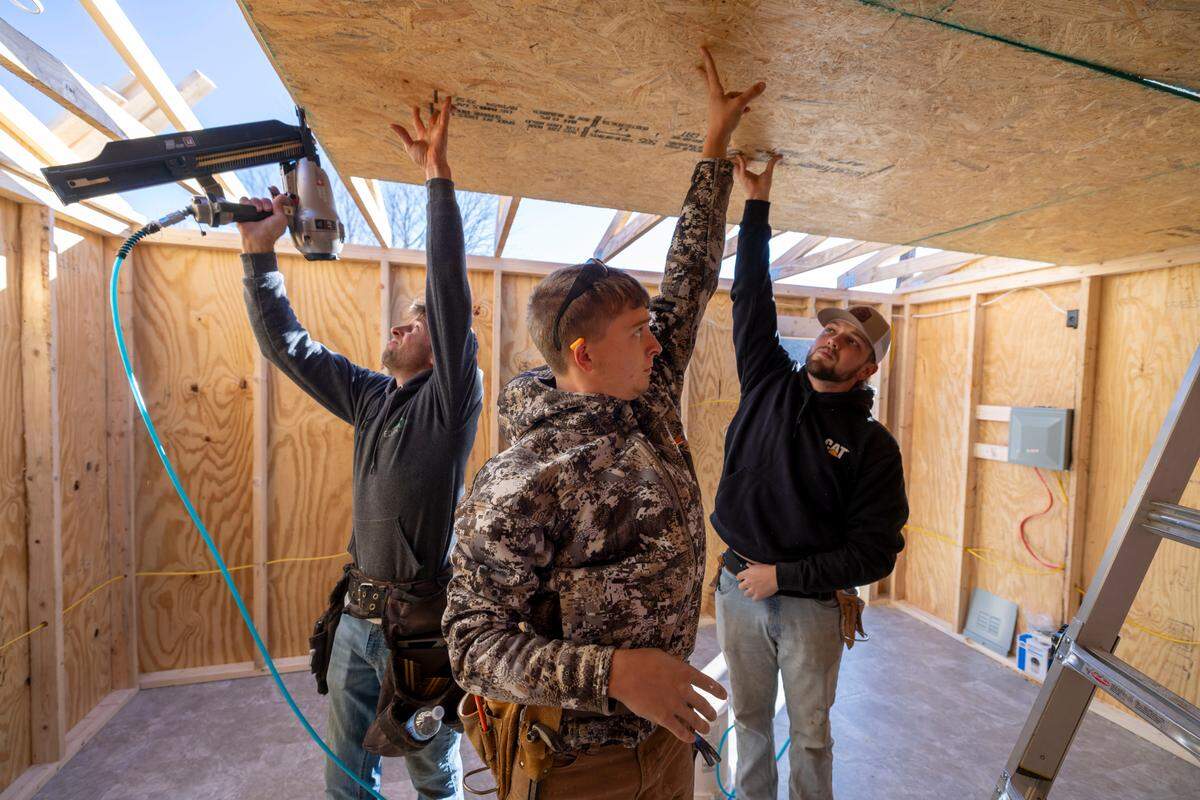
“As we are in the coldest months of the year, it is urgent that people have warm and safe places to live now,” Stein said during a Jan. 2 trip to Asheville, where he announced an executive order designed to increase the supply of temporary housing units.
The order provides a waiver on state procurement regulations so that more temporary housing units can be built on people’s properties, allowing residents to remain safely in their communities during the winter while rebuilding.
(On Tuesday, Stein announced another executive order designed to give people quicker access to propane and other heating fuels. The order waives federal limits on the amount of time that truckers who carry such fuels can be on the road.)
Many nonprofits have stepped in to help people whose homes have been damaged by Helene, offering free repairs and driving caravans of campers to areas where displaced residents have been living in tents.
One group, called Cabins 4 Christ, has provided temporary housing for more than 140 families as of early December, sheltering them in tiny cabins and in donated campers and trailers.
In December, Congress approved a stopgap spending bill, which includes more than $100 billion for victims of hurricanes Helene and Milton. The bill is designed to keep federal agencies funded through March 14.
New hires to help with recovery efforts
Earlier on Tuesday, Stein announced that he hired six people to help lead Western North Carolina recovery efforts. They are:
▪ Matt Calabria, who will head the new Governor’s Recovery Office for Western North Carolina (GROW NC). Calabria served nearly a decade on the Wake County Board of Commissioners.
▪ Emily Williamson Gangi, who will serve as chief deputy director for GROW NC. Gangi serves as policy director for the North Carolina Department of Information Technology.
▪ Eliza Edwards, who will serve as Director of Community Partnerships for GROW NC. Edwards, a Haywood County native, served on the North Carolina Office of Strategic Partnerships (OSP), first as a policy analyst and then as the deputy director.
▪ Stephanie McGarrah, who will serve as deputy secretary for the Department of Commerce Division of Community Revitalization. A native of western North Carolina, McGarrah previously served as executive director of the North Carolina Pandemic Recovery Office.
▪ Holly Jones, who will serve as director of the Governor’s Western North Carolina Office. From 2017 to 2024, she served as western policy advisor for Stein during his role as Attorney General.
▪ Jonathan Krebs, who will serve as Western North Carolina Recovery Advisor. An expert in disaster recovery finance, Krebs is a partner with Horne, a leading accounting firm.
This story was originally published January 7, 2025 at 4:01 PM.
.JPG)